
News

Desalination and Water Security: The Strategic Role of Chilean Engineering
29 of January of 2026


Desalination and wastewater reuse have become key solutions to the effects of climate change and the decline in inland water resources. Against this backdrop, Chile has moved from necessity to technological sophistication, promoting projects that supply water to the mining sector, industry, and, increasingly, urban and coastal communities.
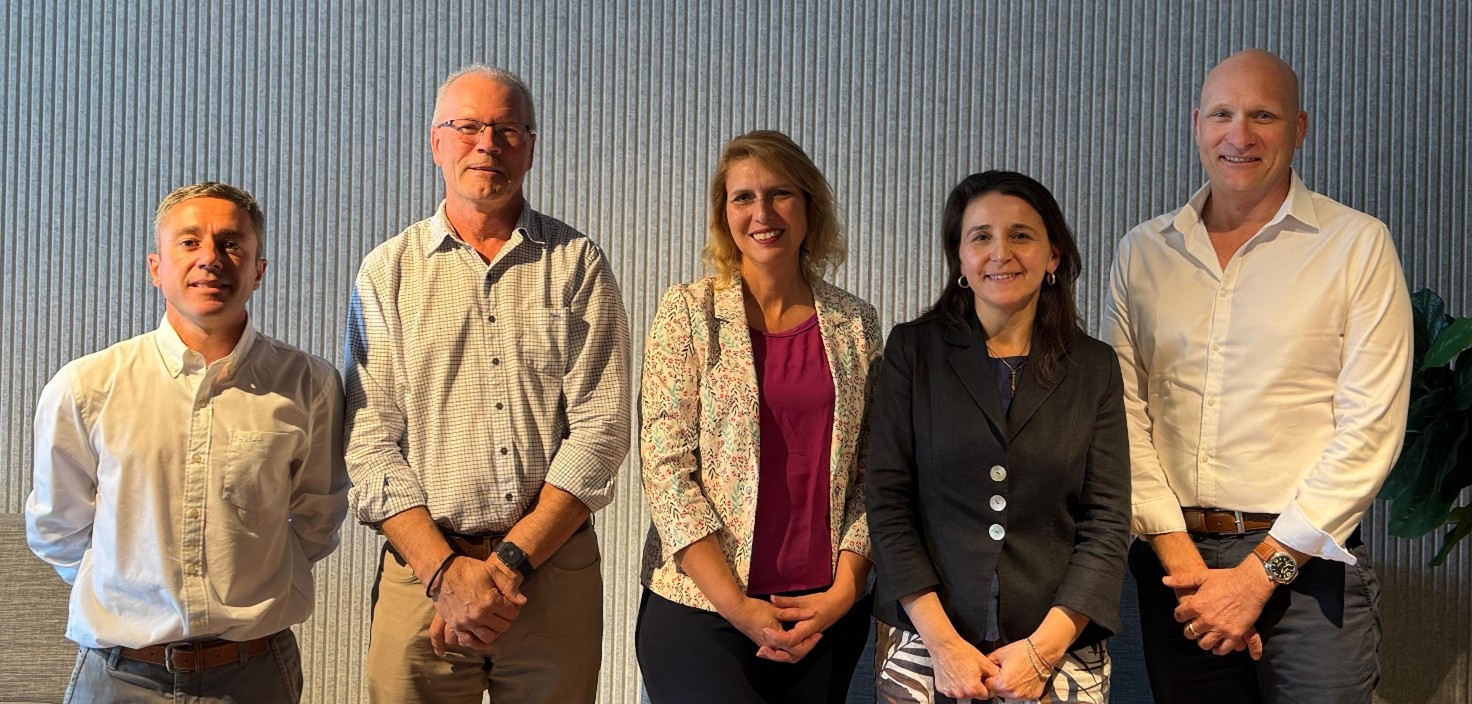
One of the specialists who has observed this evolution from an engineering perspective is Luis Rodríguez, Projects Manager and Head of the Processes Department at Pares&Alvarez, who will participate as a speaker at the ACADES 2026 Congress, an event that will bring together the main players in the water sector from March 17 to 19 at the Metropolitan Santiago.
Rodríguez emphasizes that the efficiency and sustainability of a desalination plant are determined from the moment of its conception. “Location is crucial. The distance between the water intake, the plant, and the delivery points directly impacts investment and operating costs,” he notes. On the Chilean coast, he adds, there are complex constraints such as rugged terrain, limited coastal width, and the coexistence of industrial and port infrastructure—factors that can be as challenging as the desalination process itself.
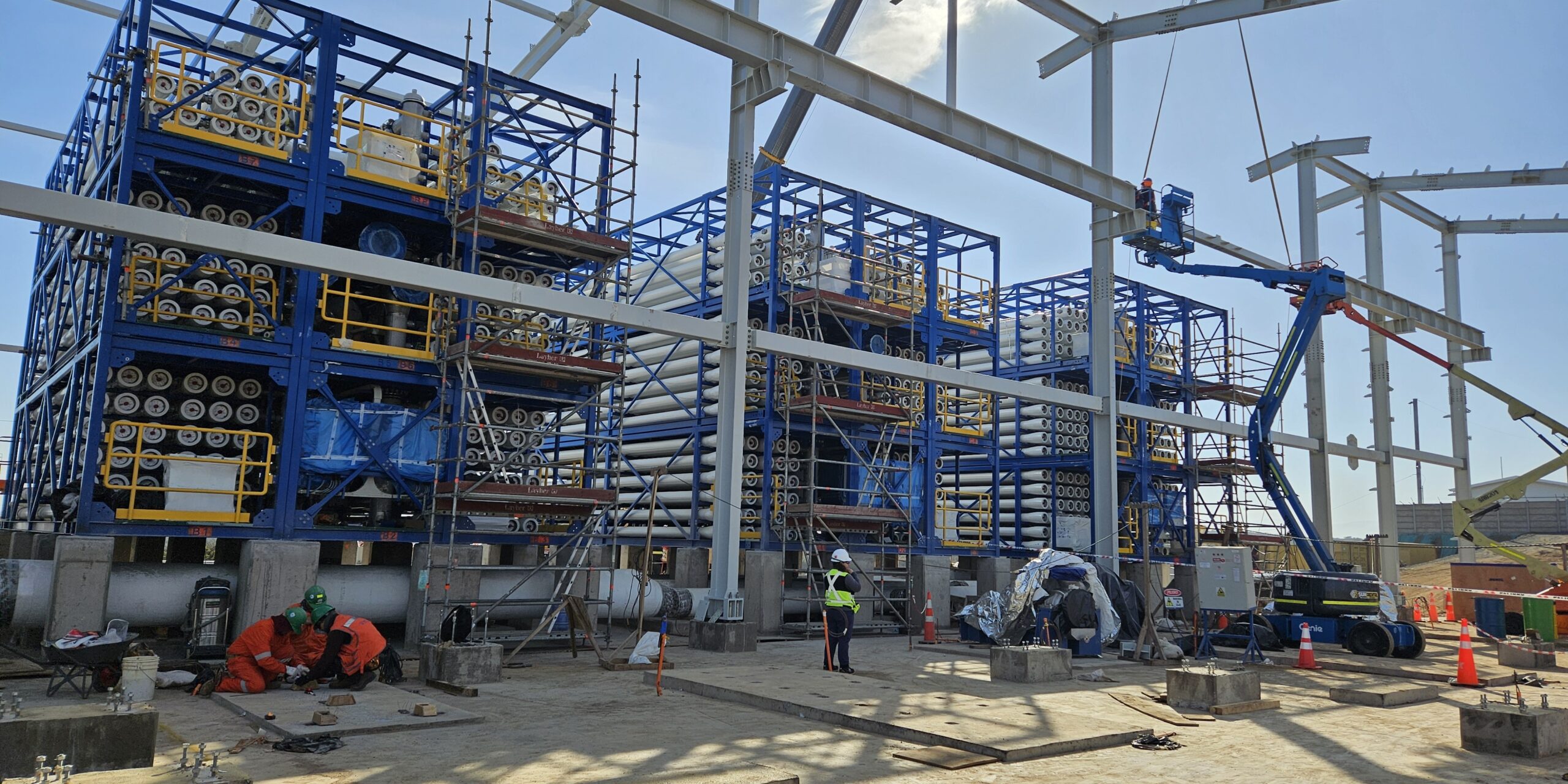
From a technological perspective, the industry has reached a stage of maturity, yet continues to make steady progress in membrane technology, filtration, post-treatment, and chemical dosing, with a focus on reducing energy consumption and extending the service life of equipment. At the same time, engineering is incorporating collaborative methodologies such as BIM, which enable design based on multidisciplinary digital models, allowing for the anticipation of conflicts and the optimization of solutions before construction begins.
Chile’s water transition is driven not only by innovation but also by structural changes. The decline in groundwater and the impact of climate change have forced productive sectors—particularly mining—to shift toward seawater supply. This shift generated unprecedented demand for desalination, water transport, wastewater reuse, and distribution projects for human, agricultural, and industrial consumption, consolidating versatile national capabilities. “Engineering does not solve climate change, but it does enable the responses that reality demands,” says Rodríguez.
The next step for the water industry lies in energy sustainability. The integration of renewable energy into desalination plants radically changes their environmental and competitive impact. “When we replace the use of aquifers with seawater and use clean energy to operate, we move from a necessary solution to a sustainable one,” notes the engineer. This attribute is no longer optional: markets are moving toward green production, where water and energy converge.
The challenges ahead are not technological, but institutional: accelerating the implementation of projects. Chile has the resources, knowledge, and technology, but many developments remain stalled in the permitting stages. The use of methodologies such as BIM and AWP, pioneered in mining, could expand their scope to water, energy, and public utility projects, improving constructability, planning, and risk management.
Chile faces a structural challenge in water security. The combination of desalination, efficiency, reuse, and renewable energy is emerging as a pillar for sustaining productive development while simultaneously strengthening territorial resilience. In this context, ACADES 2026 is poised to be a key forum for discussing trends, technologies, and collaboration models that will define the future of water in the country.
Other News