

All
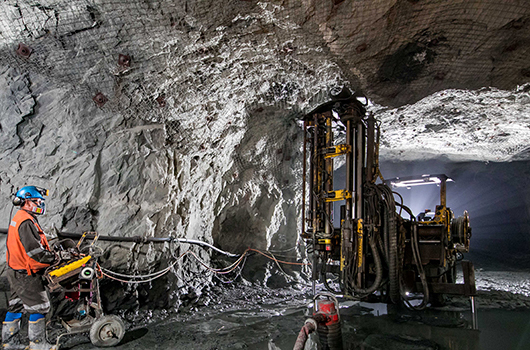
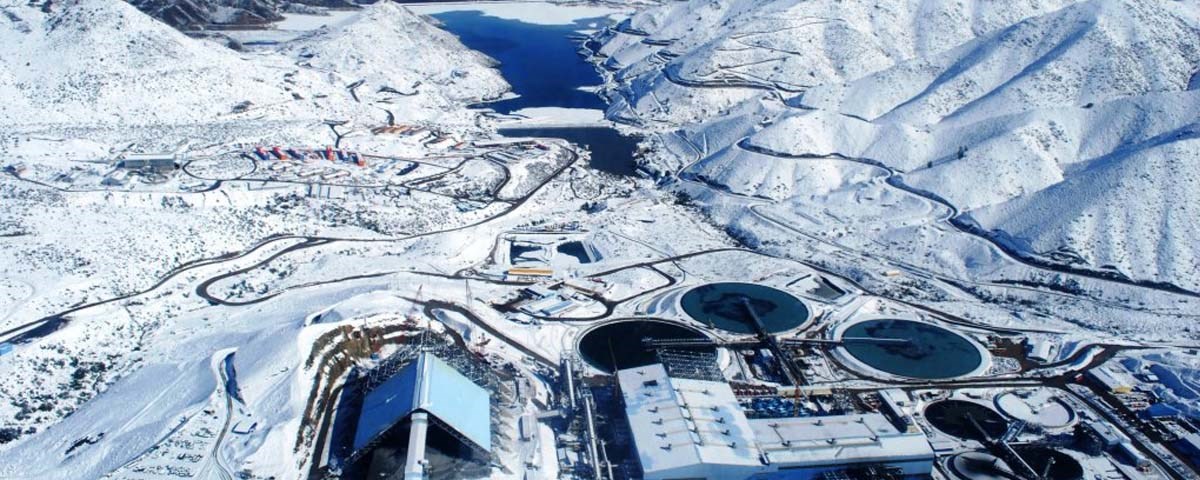
INCREASE IN PRODUCTION RATE AT THE CAROLA MINE
INCREASE IN PRODUCTION RATE AT THE CAROLA MINE
Industrial Sector
Mining
Client
Mina Carola Partnership
Location
Tierra Amarilla, Región de Atacama, Chile
Date
2016 - 2017
Service Area
Environment
Solutions
Full preparation of the Environmental Impact Statement.
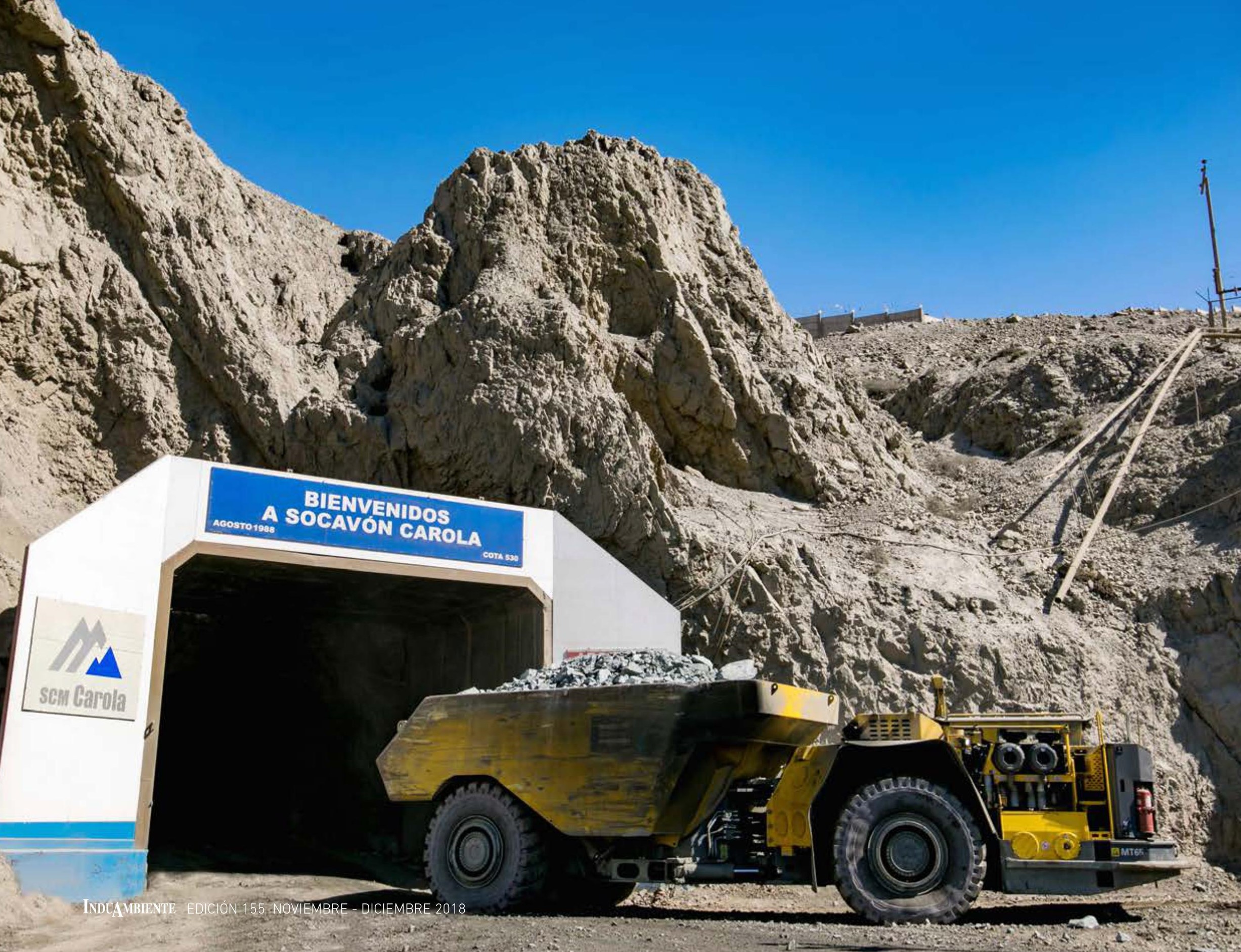
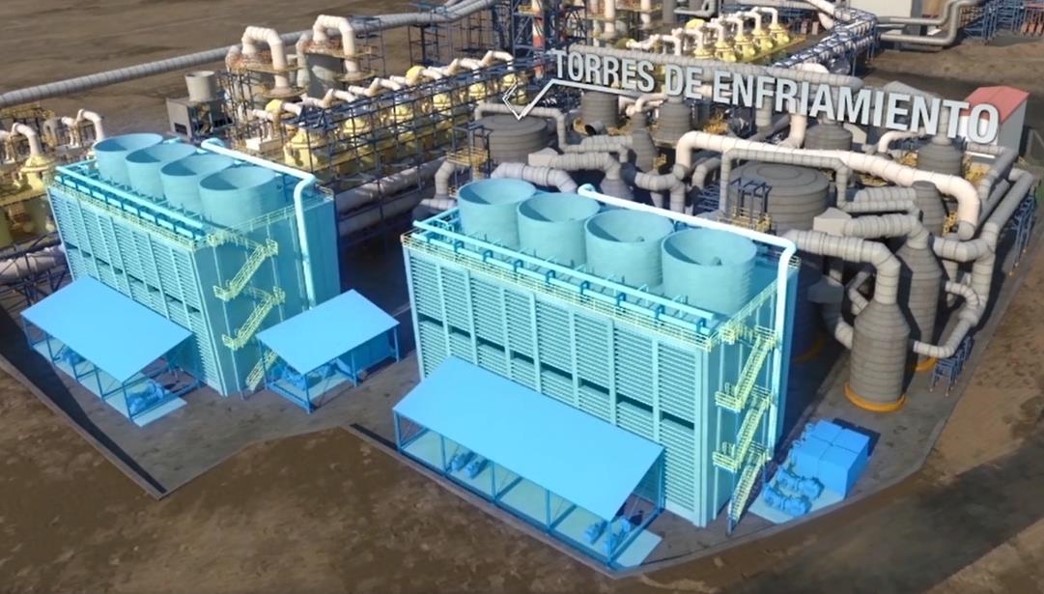
OVERHAUL OF ACID PLANTS AT THE CHUQUICAMATA SMELTER
OVERHAUL OF ACID PLANTS AT THE CHUQUICAMATA SMELTER
Industrial Sector
Mining
Client
Codelco VP
Location
Calama, Chile
Date
2018
Service Area
Consulting and Engineering
Solutions
Basic engineering reviewed
Complementary detail engineering
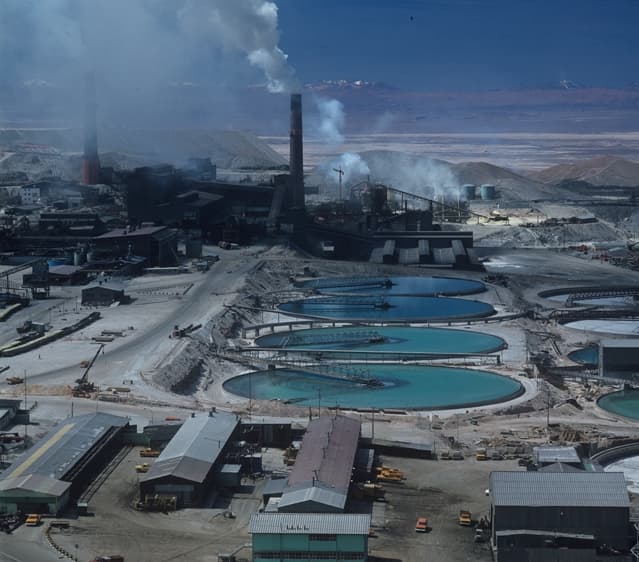
As the project was in the construction phase, with part of the detailed engineering already developed and completed, Pares&Alvarez was tasked with carrying out the detailed engineering work to complement the engineering already developed by Codelco.
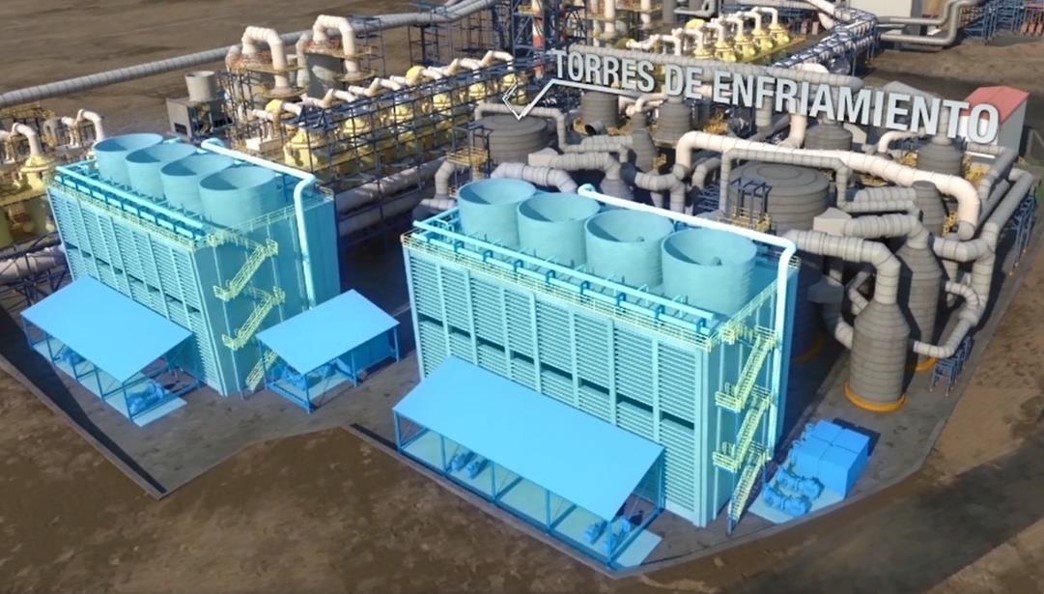
Among the activities carried out, we can mention the engineering for the temporary shutdown of Contact Plants No. 2, 3, and 4, the engineering for the cooling water filtration system, and the reactive power study, among others. Projects developed using Smart Plant 3D (SP3D) software.
During 2020, the Chuquicamata Smelter focused on consolidating its operations under the new environmental standards following the launch of the investment projects. In terms of results, according to Codelco’s 2020 Annual Report, the smelter achieved a capture rate of 97.2% for arsenic emissions and 97.7% for sulfur emissions, meeting the 95% requirement set by the Supreme Decree.
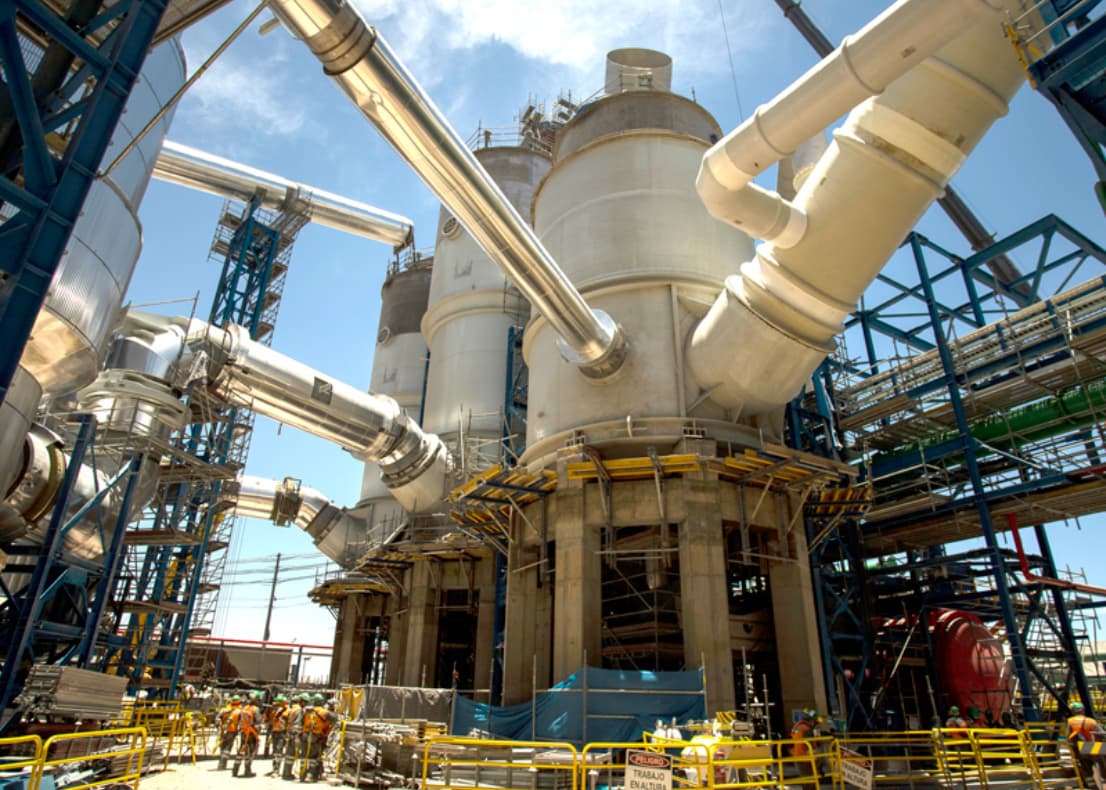
LOS PELAMBRES CHLORINATION PLANT, ANTOFAGASTA MINERALS
LOS PELAMBRES CHLORINATION PLANT, ANTOFAGASTA MINERALS
Industrial Sector
Mining
Client
Bechtel
Location
Coquimbo Region, 240 kilometers north of Santiago.
Date
1999 - 2000
Service Area
Consulting and Engineering
Solutions
Basic and detailed engineering, supply of equipment and materials, installation inspection, pre-operational testing, commissioning, and staff training.
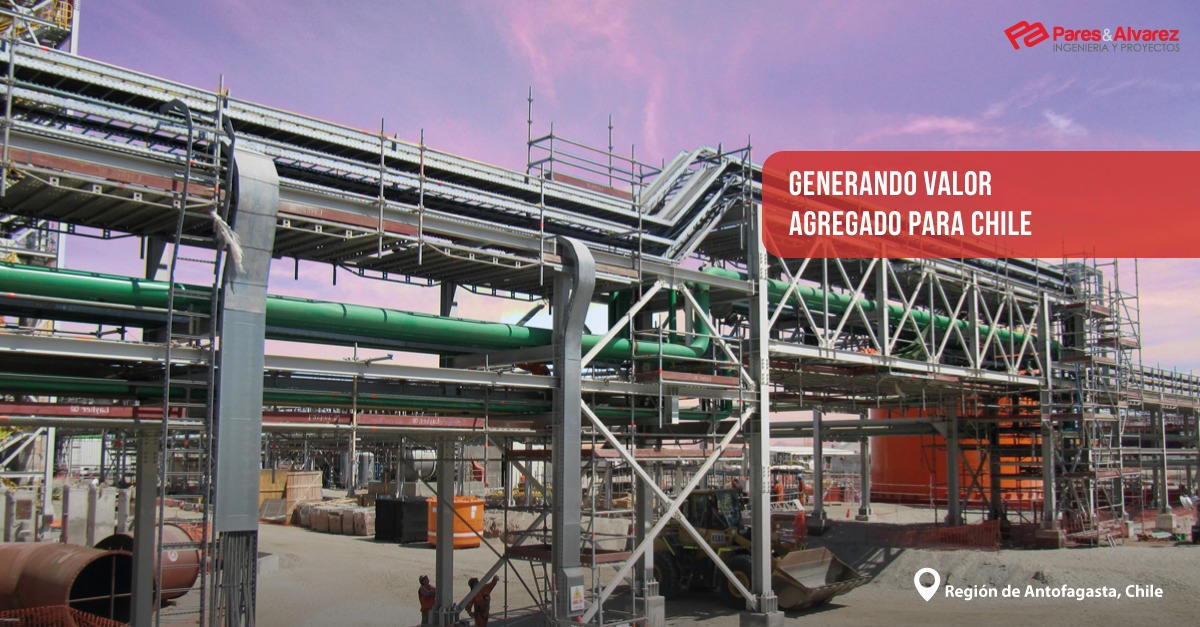
The project was carried out under an EPC (Engineering, Procurement, and Construction) contract, which included the design and construction of a chemical plant for the treatment of a ferrous chloride solution as part of the molybdenum purification process at Minera Los Pelambres.
ENGINEERING FOR CHLORINATION PLANT – MOLYB PROJECT
ENGINEERING FOR CHLORINATION PLANT – MOLYB PROJECT
Industrial Sector
Mining
Client
Codelco VP
Location
Mejillones, Chile
Date
2014-2015
Service Area
Engineering
Solutions
Consulting, Engineering, Procurement Management, and Construction and Installation Management
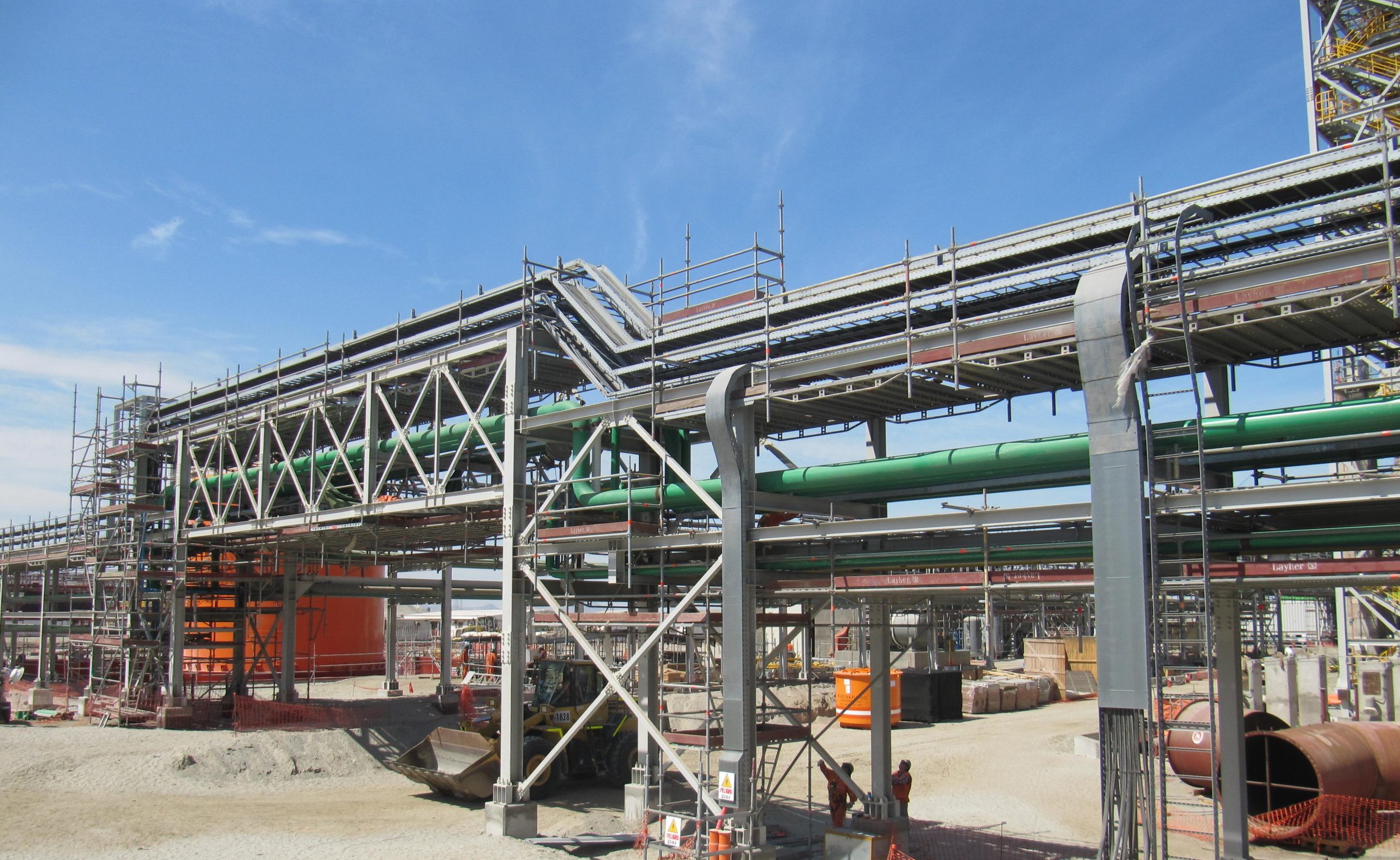
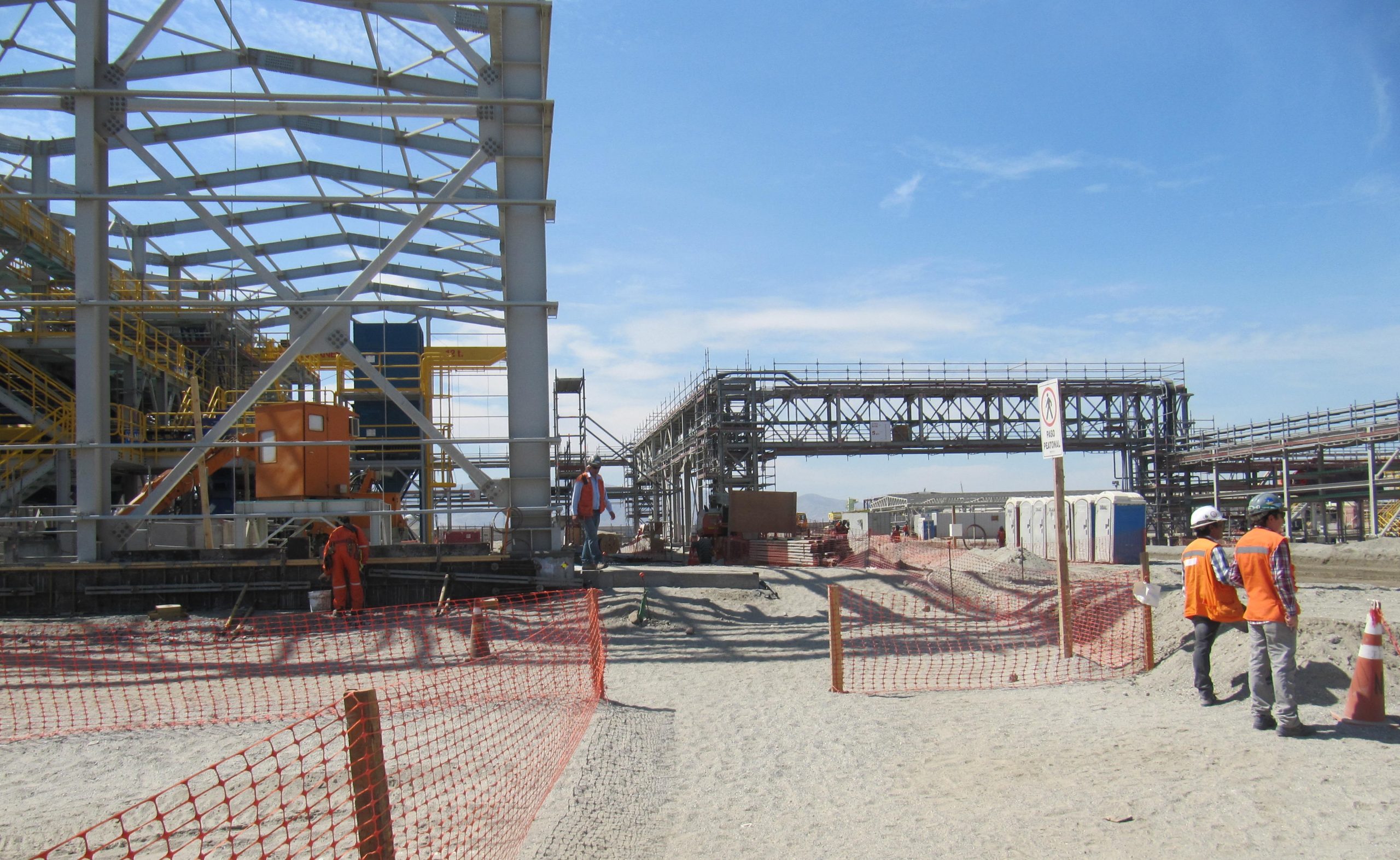
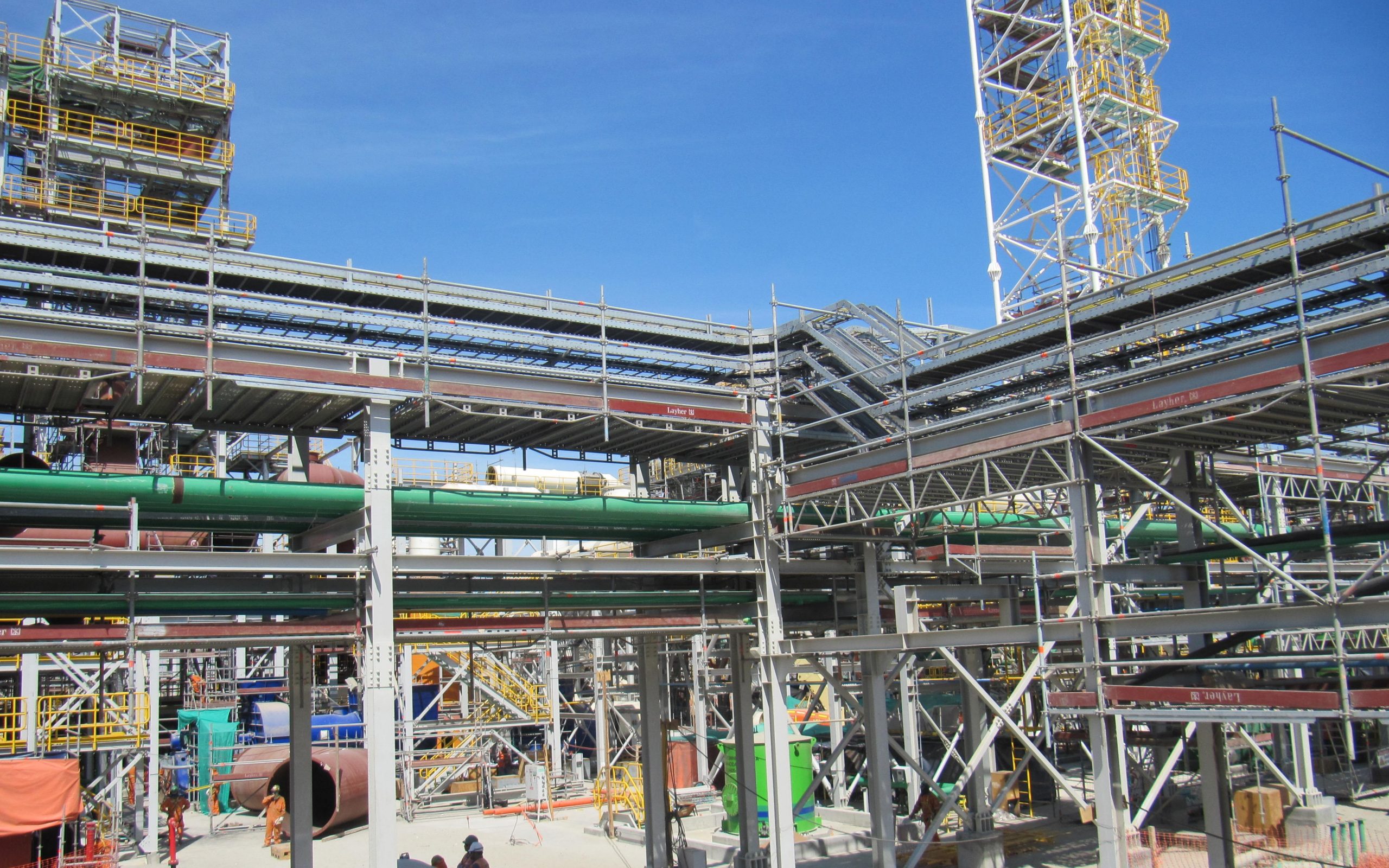
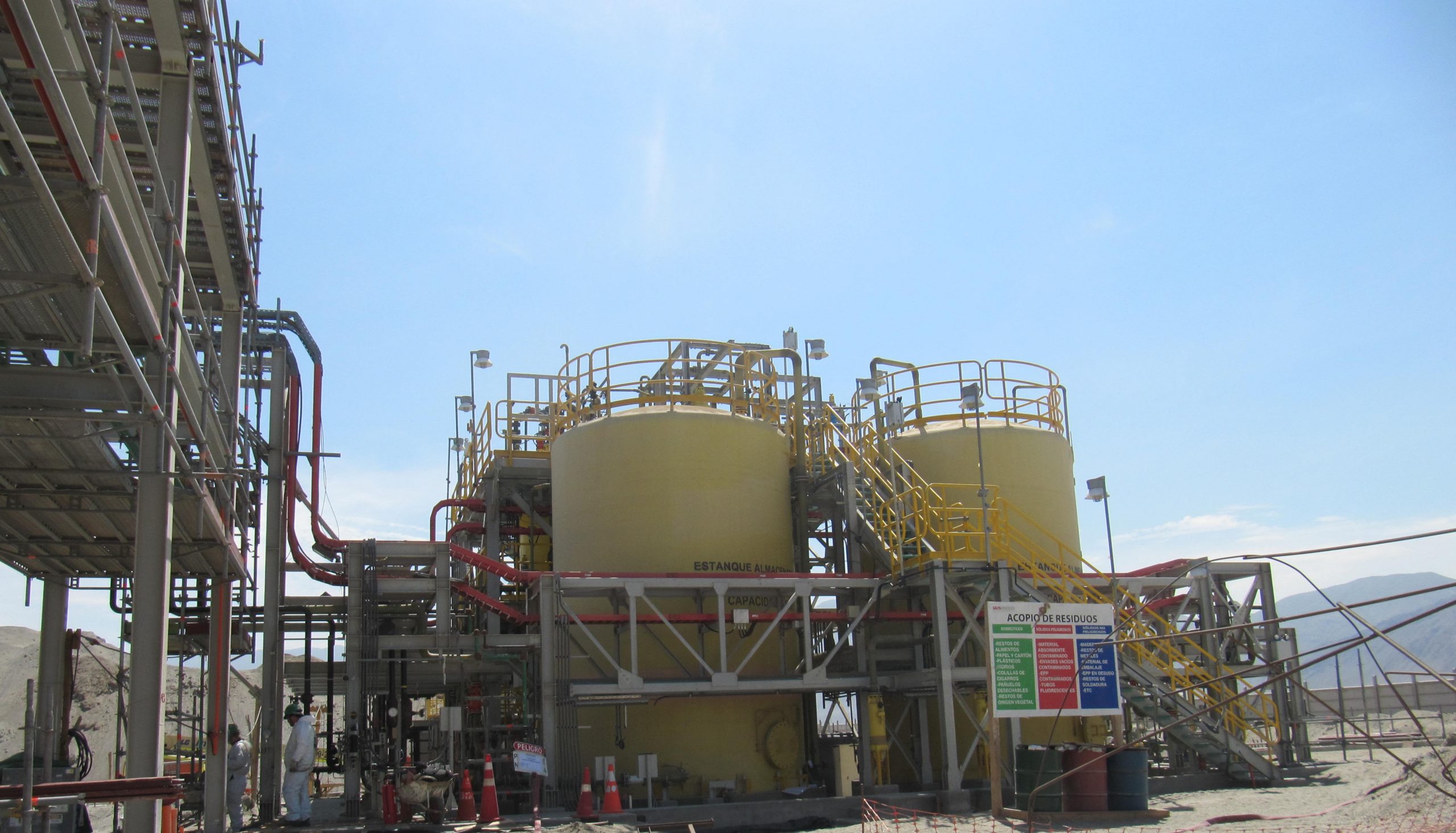
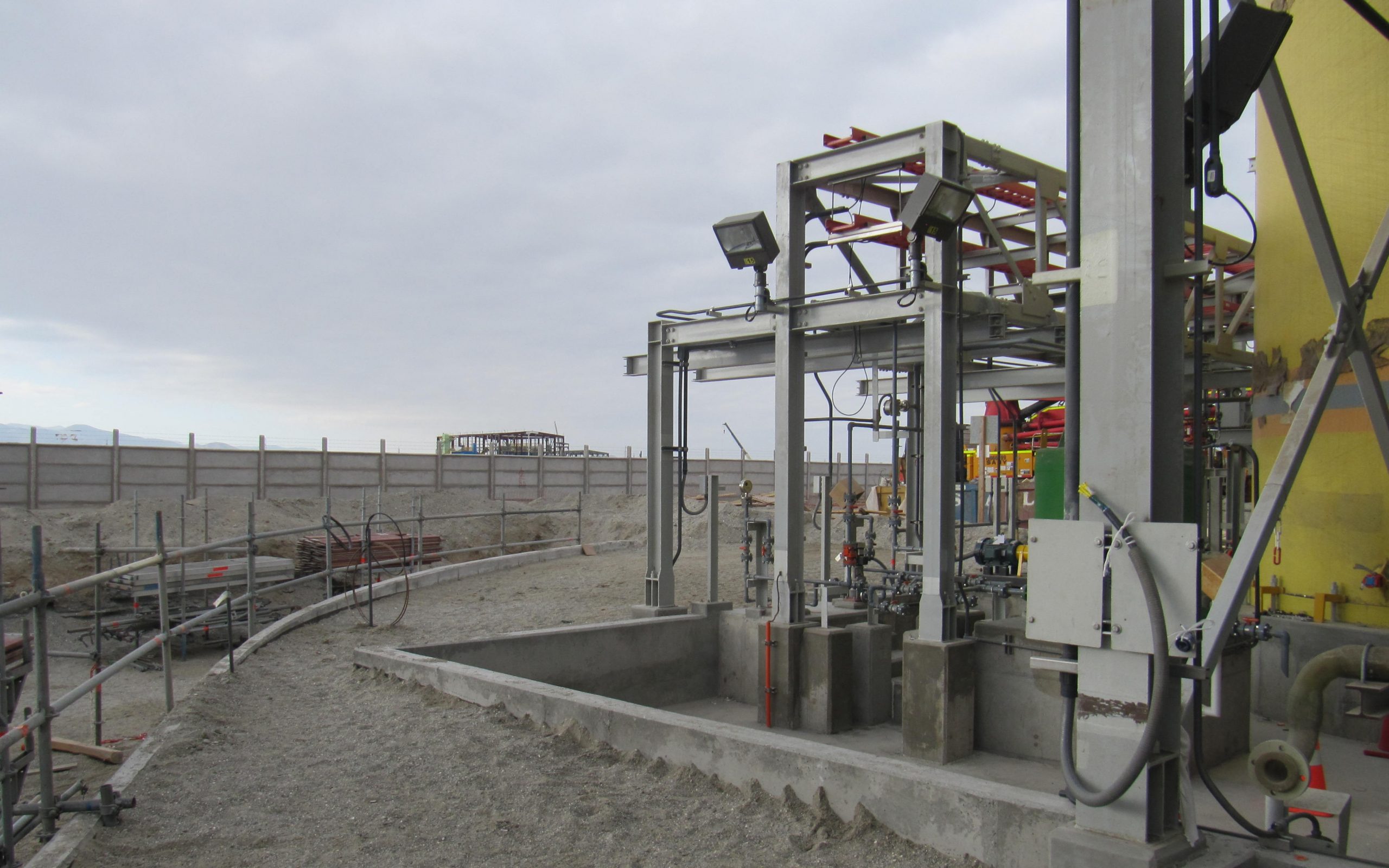
Codelco developed the MOLYB project in Mejillones, Antofagasta Region, to add value to its molybdenum concentrates and produce commercial-grade molybdenum oxides within Chile. The project responded to growing global demand for high-purity molybdenum products used in steel, electronics, automotive, aerospace, and other industries. The industrial complex includes a chemical-metallurgical plant whose chlorination subproject required robust multidisciplinary engineering, risk analysis, and strong site support to ensure safe construction, commissioning, and long-term operation.
Dewatered Hydraulic Stacking (HDS) – El Soldado
Dewatered Hydraulic Stacking (HDS) – El Soldado
Industrial Sector
Mining
Client
Anglo American
Location
Nogales, Chile
Date
In Progress
Service Area
Engineering & Construction Management
Solutions
EPC
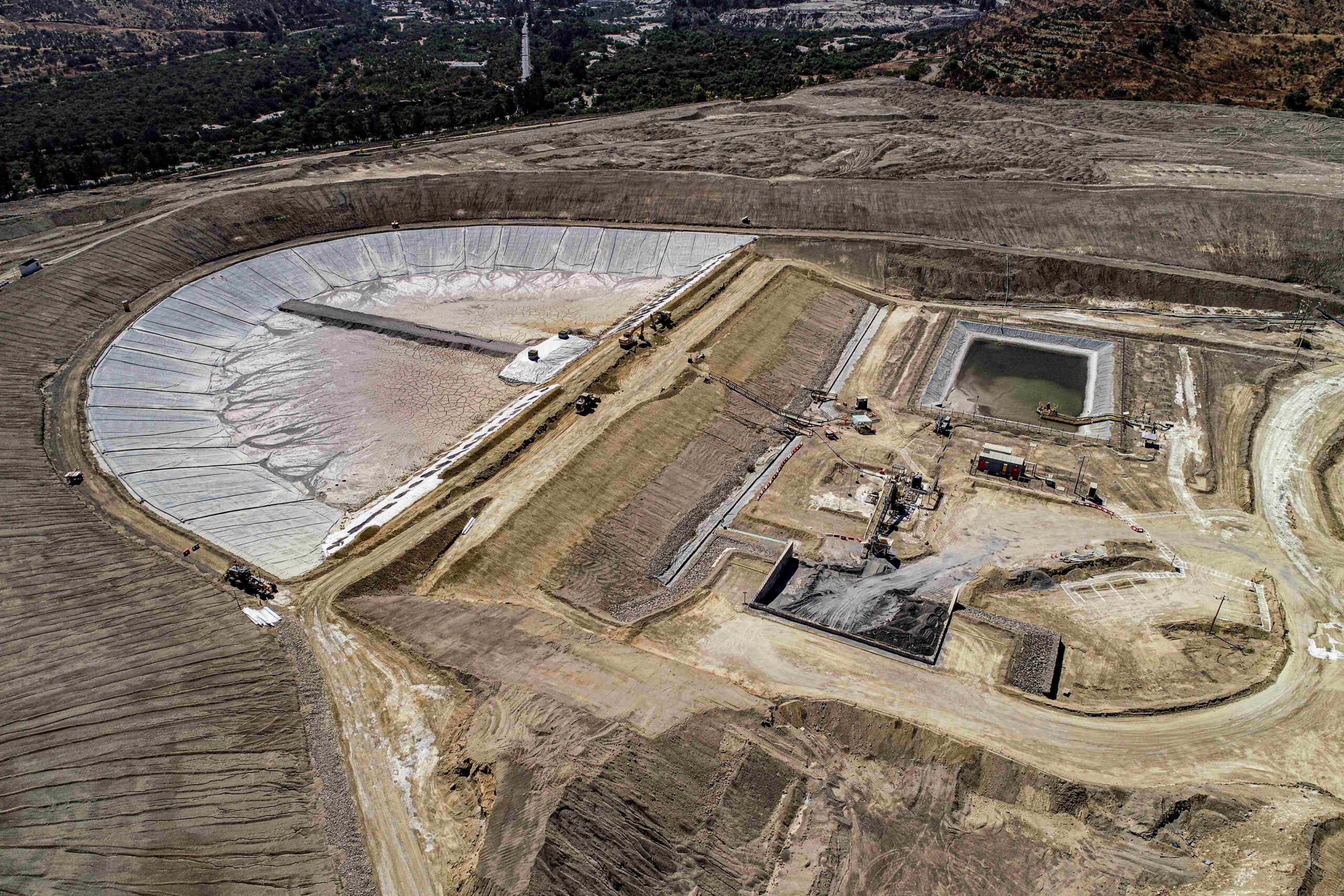
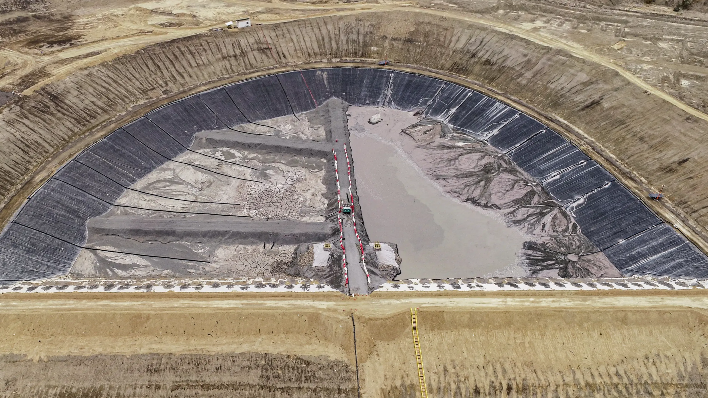
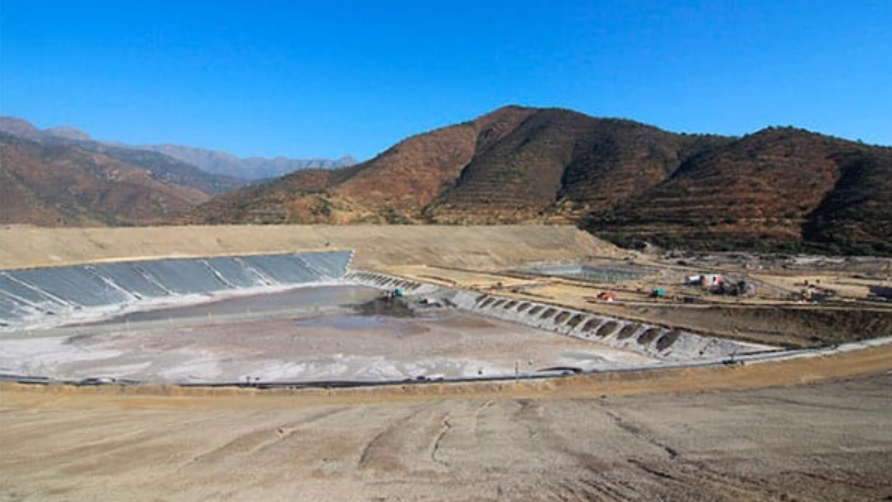
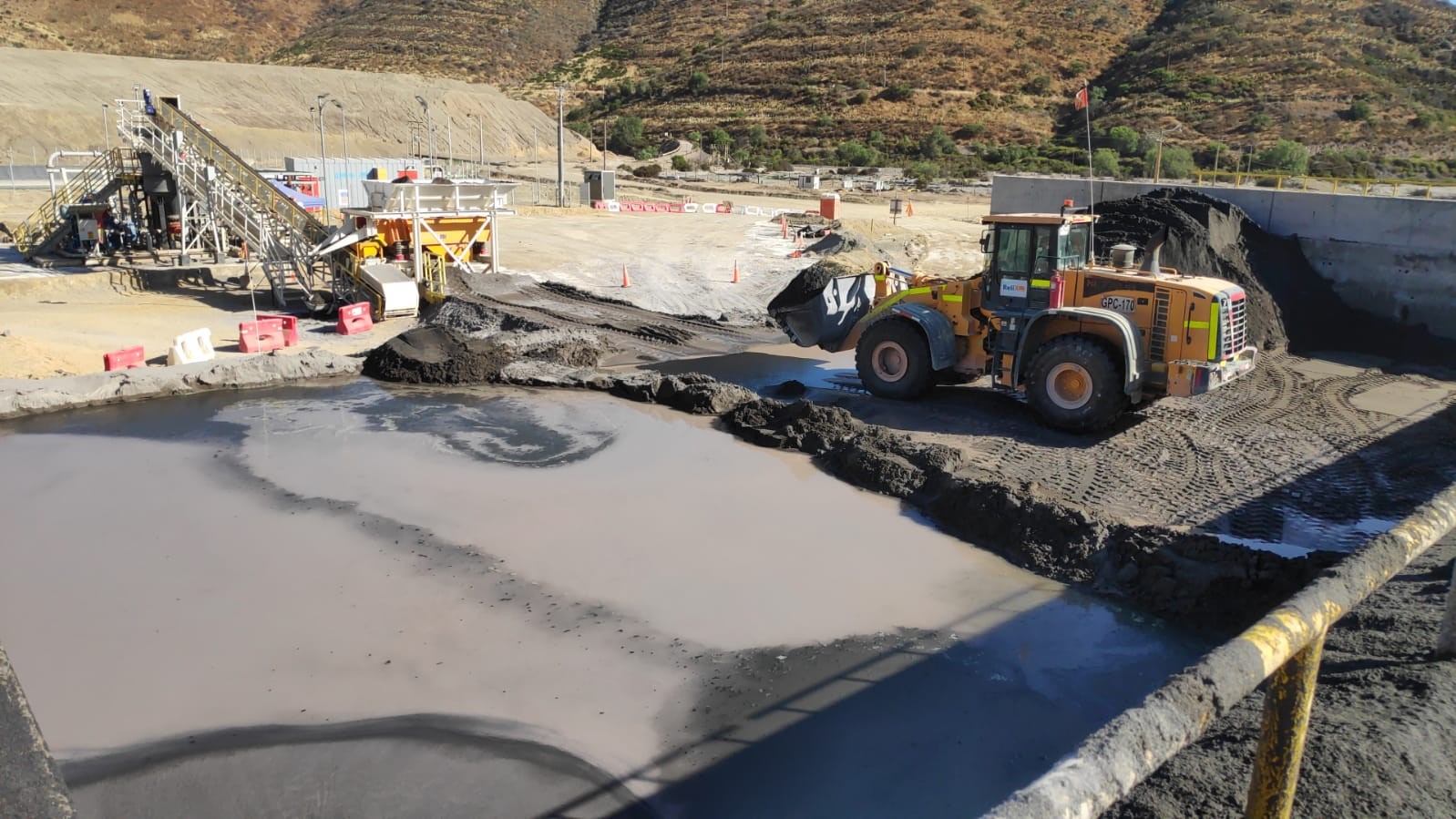
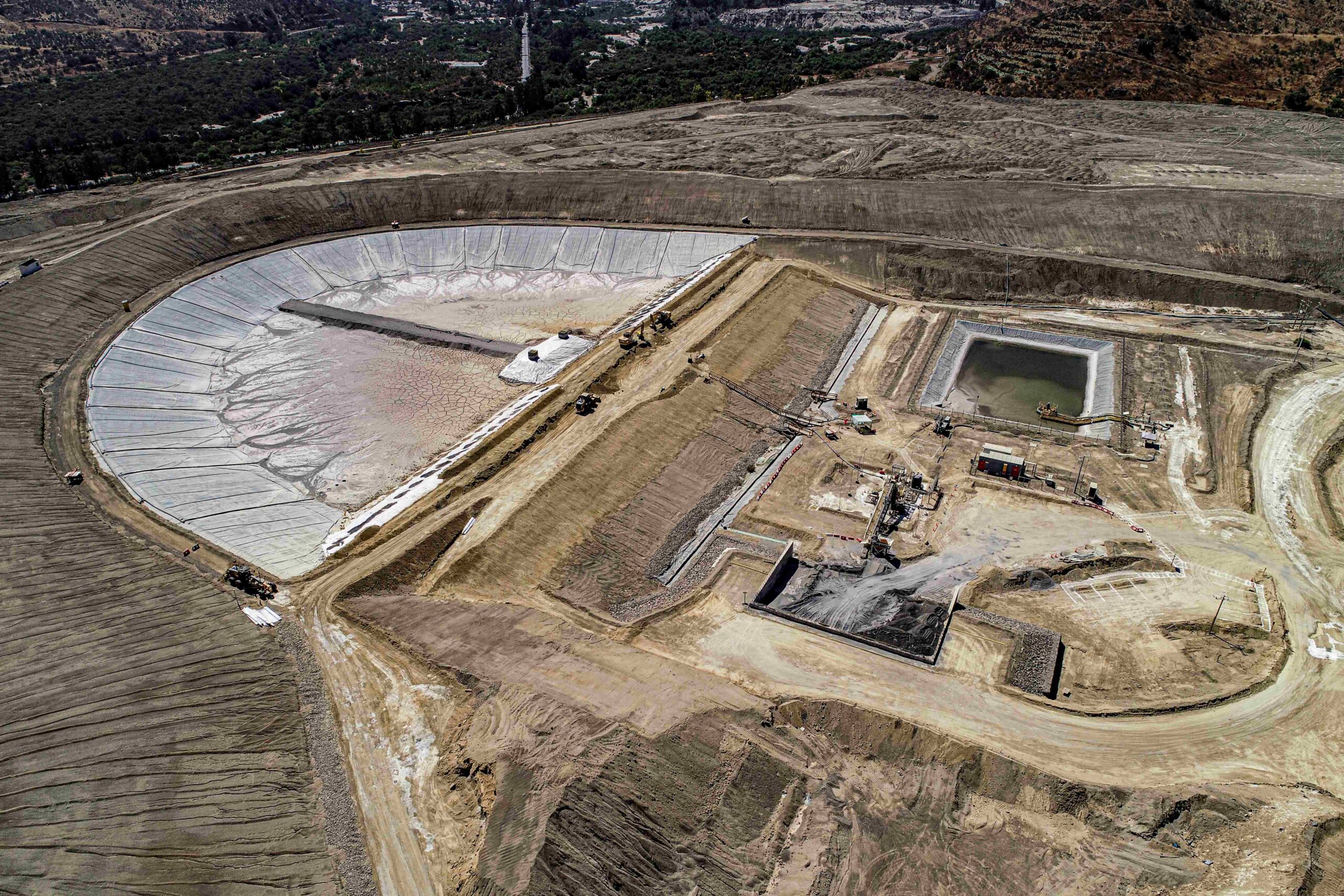
The Dewatered Hydraulic Stacking (HDS) project at Anglo American’s El Soldado operation introduces an innovative tailings disposal system designed to significantly reduce water consumption and enhance operational safety. The technology enables up to approximately 80% water recovery directly from the tailings, while improving surface compaction, stability, and environmental remediation performance. Implemented under Anglo American’s FutureSmart Mining™ framework, the project positions El Soldado as a global innovation hub for sustainable tailings management solutions.
ACONCAGUA PROJECT: 2,000 L/S MULTIPURPOSE DESALINATION PLANT
ACONCAGUA PROJECT: 2,000 L/S MULTIPURPOSE DESALINATION PLANT
Industrial Sector
Desalination
Client
IDE Technologies (Phase I) ,
Aguas Pacífico (Phase II)
Location
Bahía Quinteros, Chile
Date
In progress
Service Area
Engineering
Solutions
Basic and detailed engineering services.
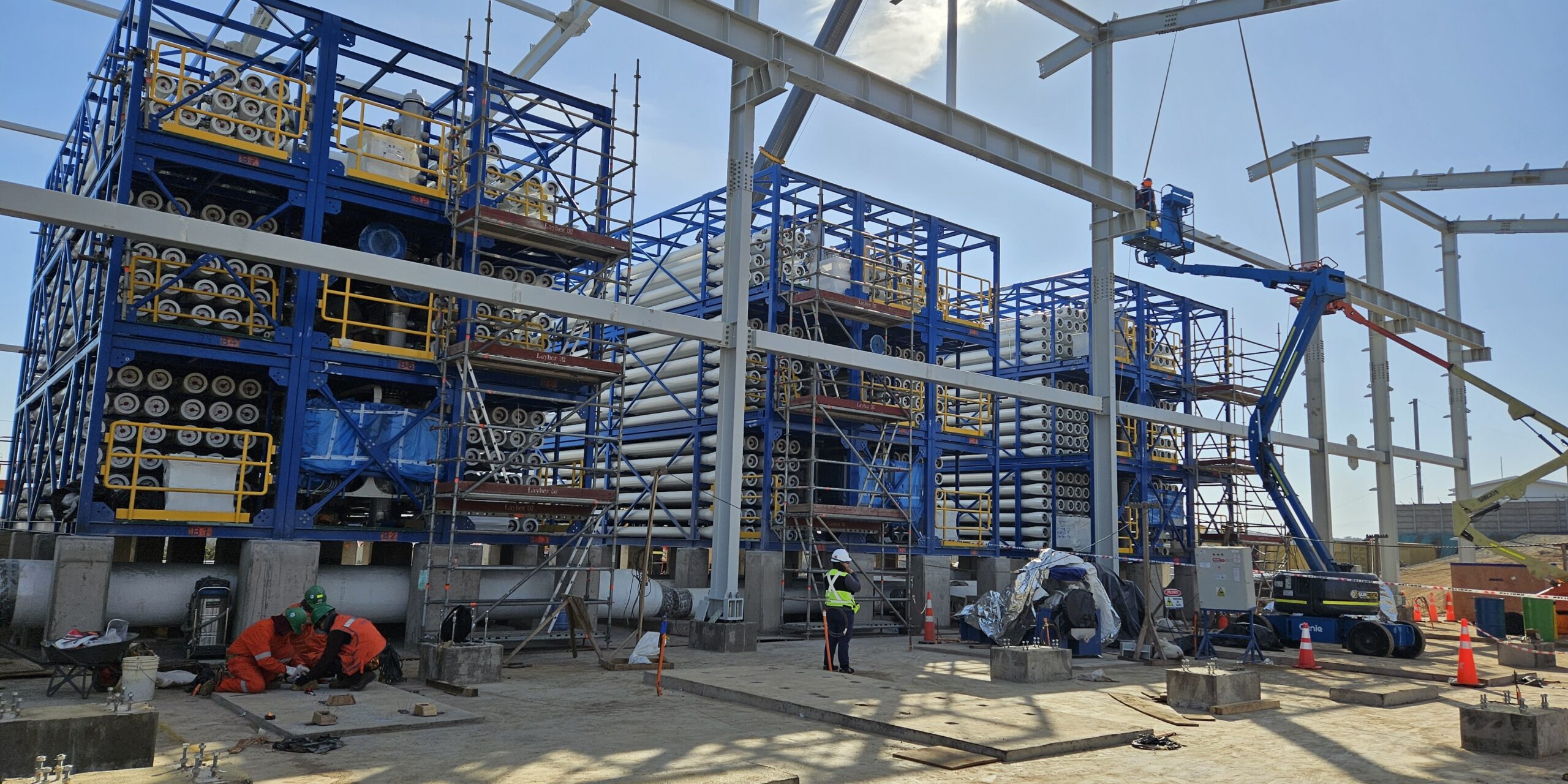
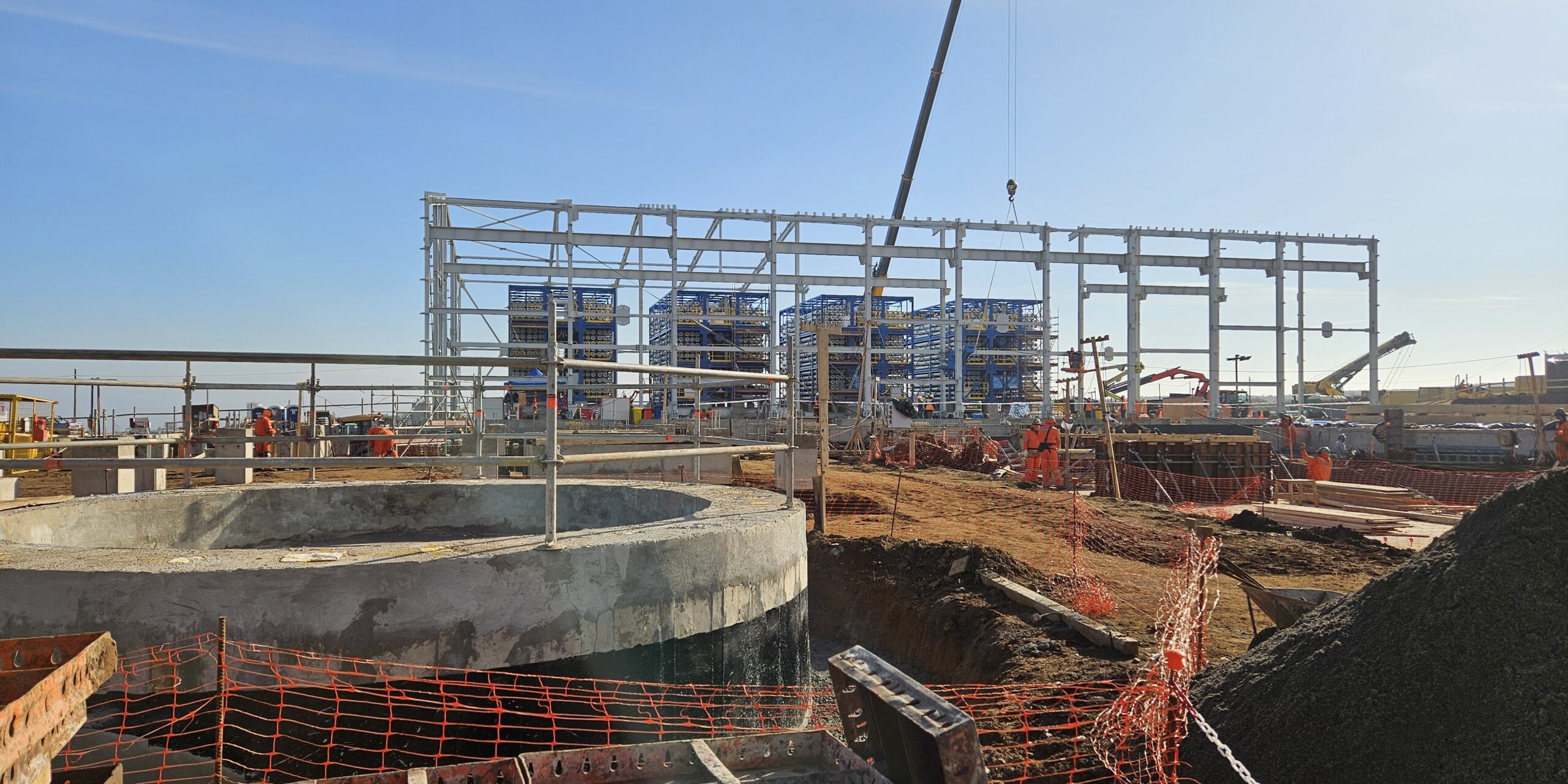
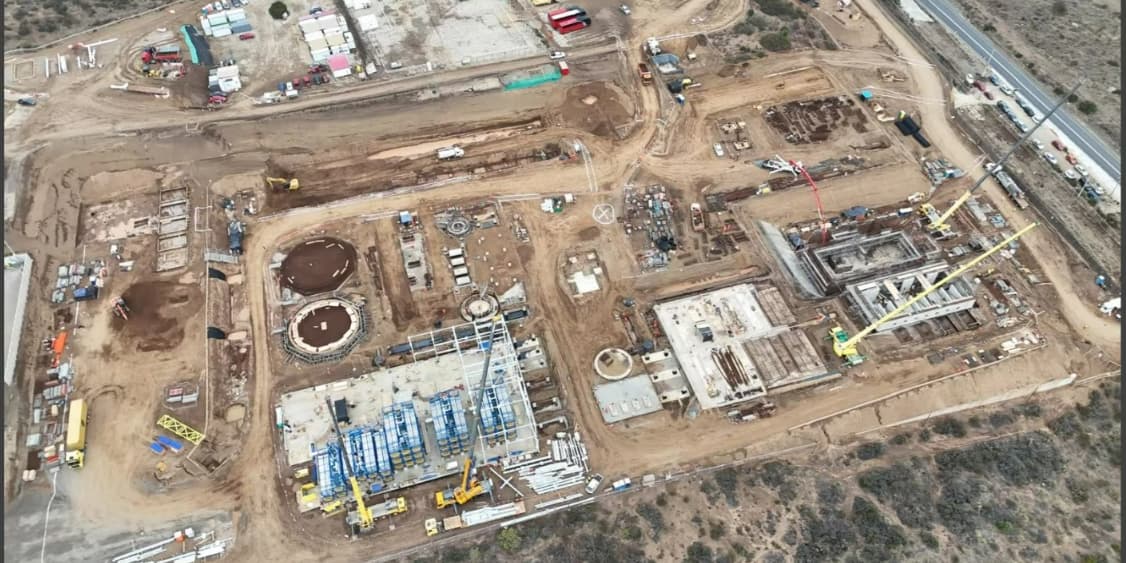
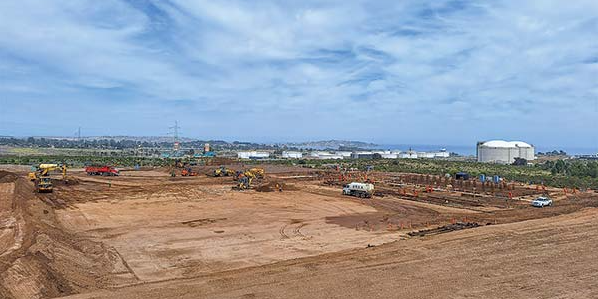
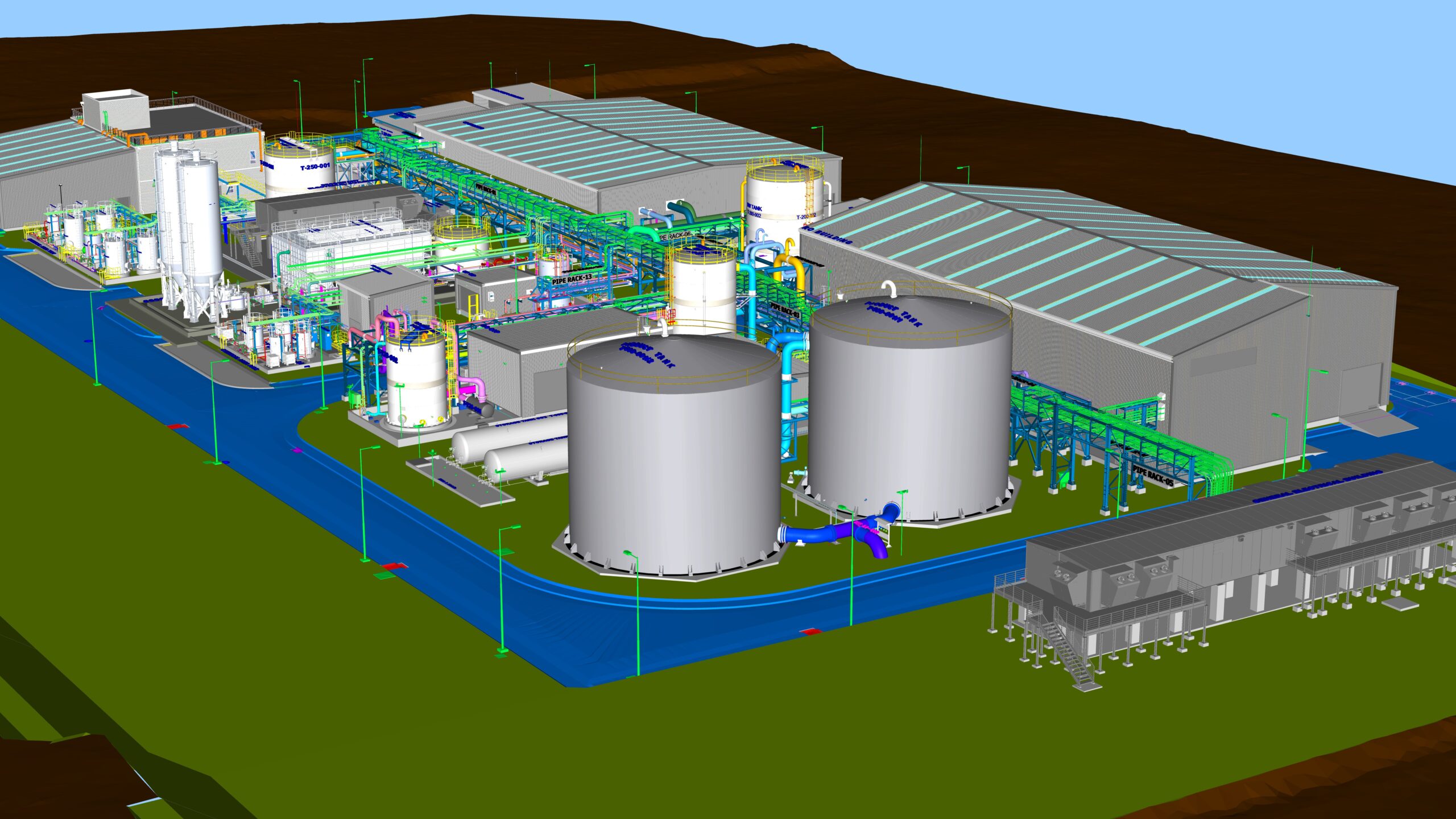
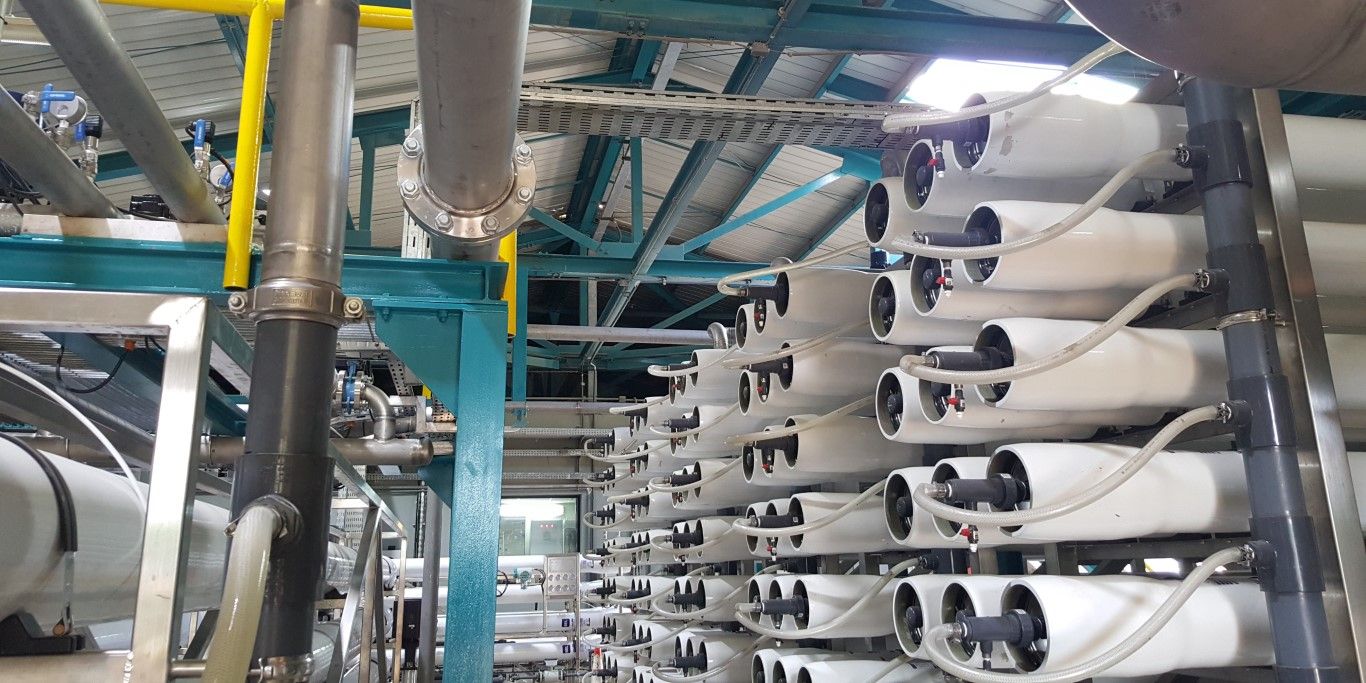
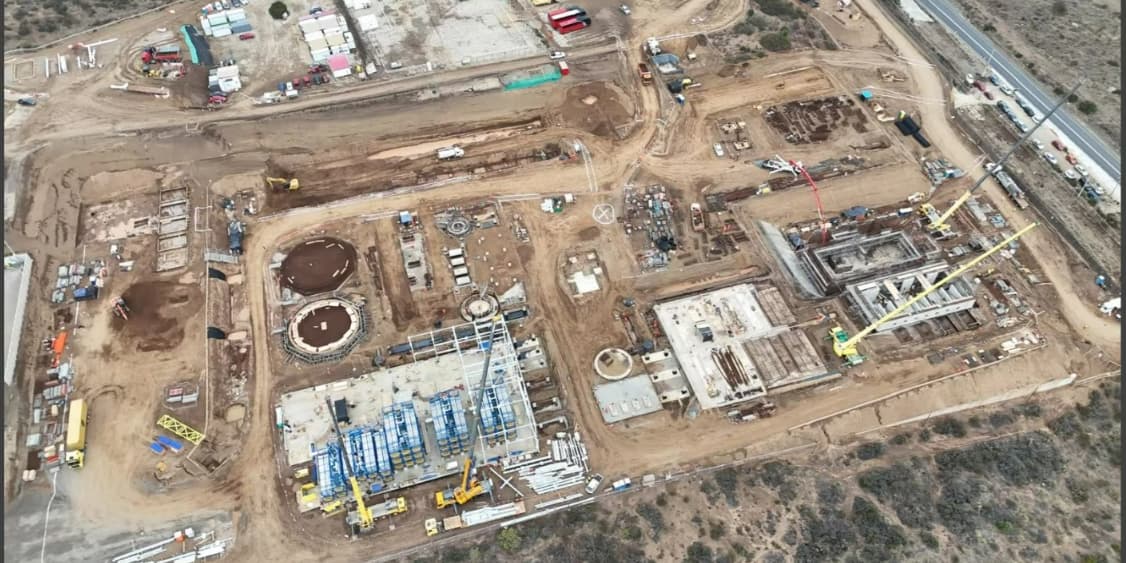
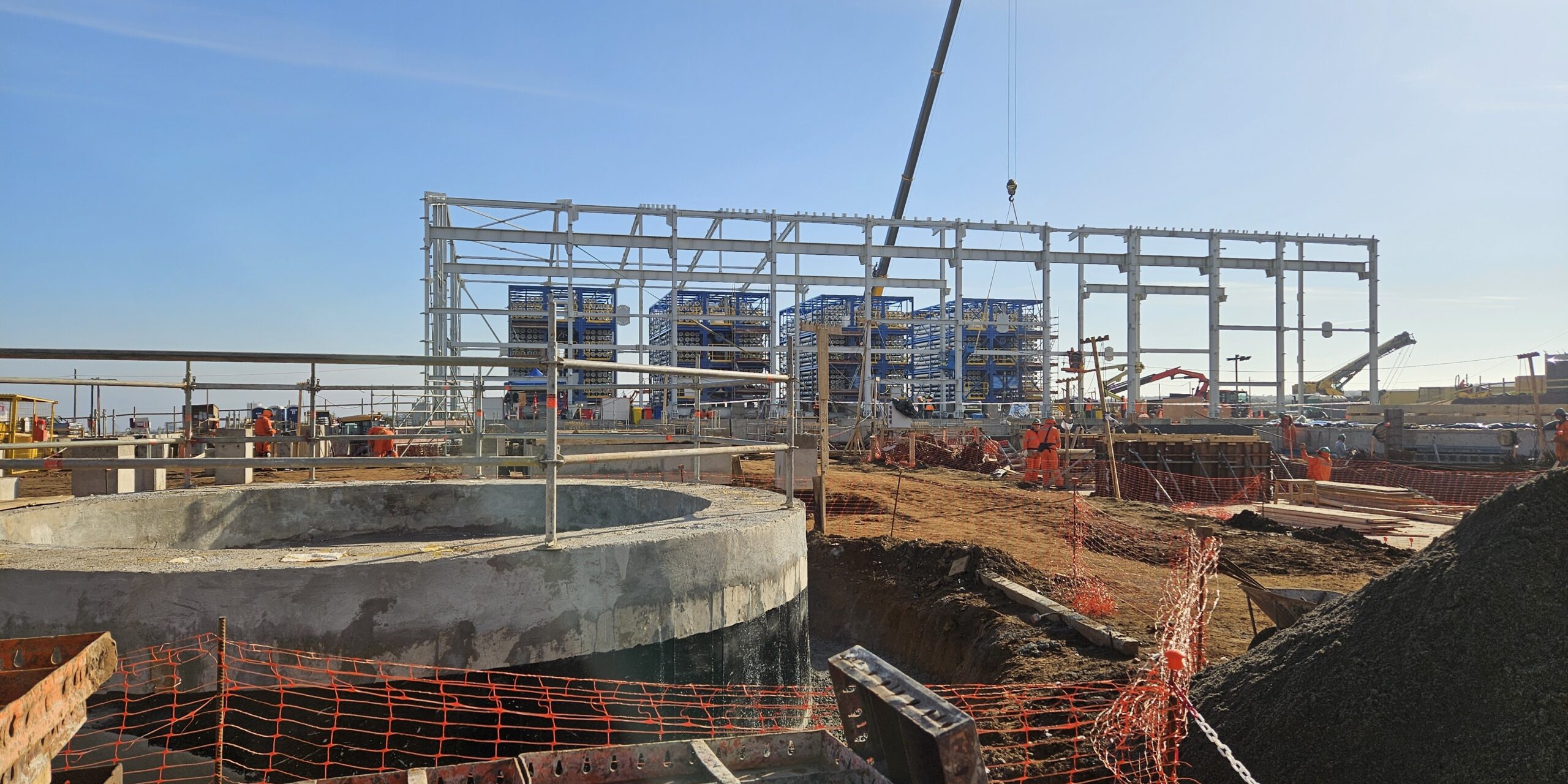
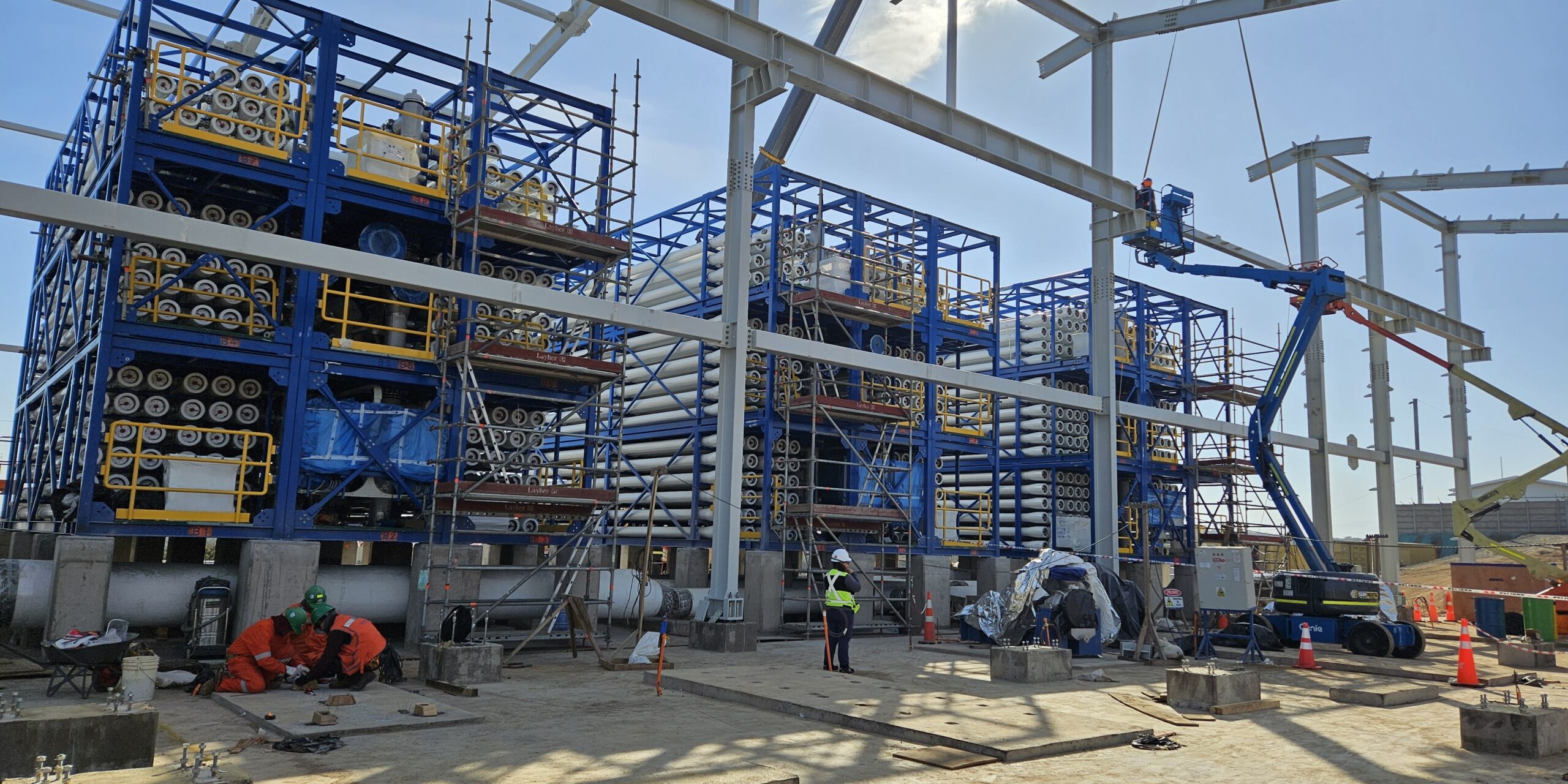
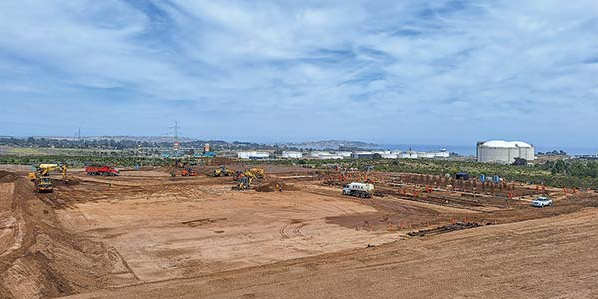
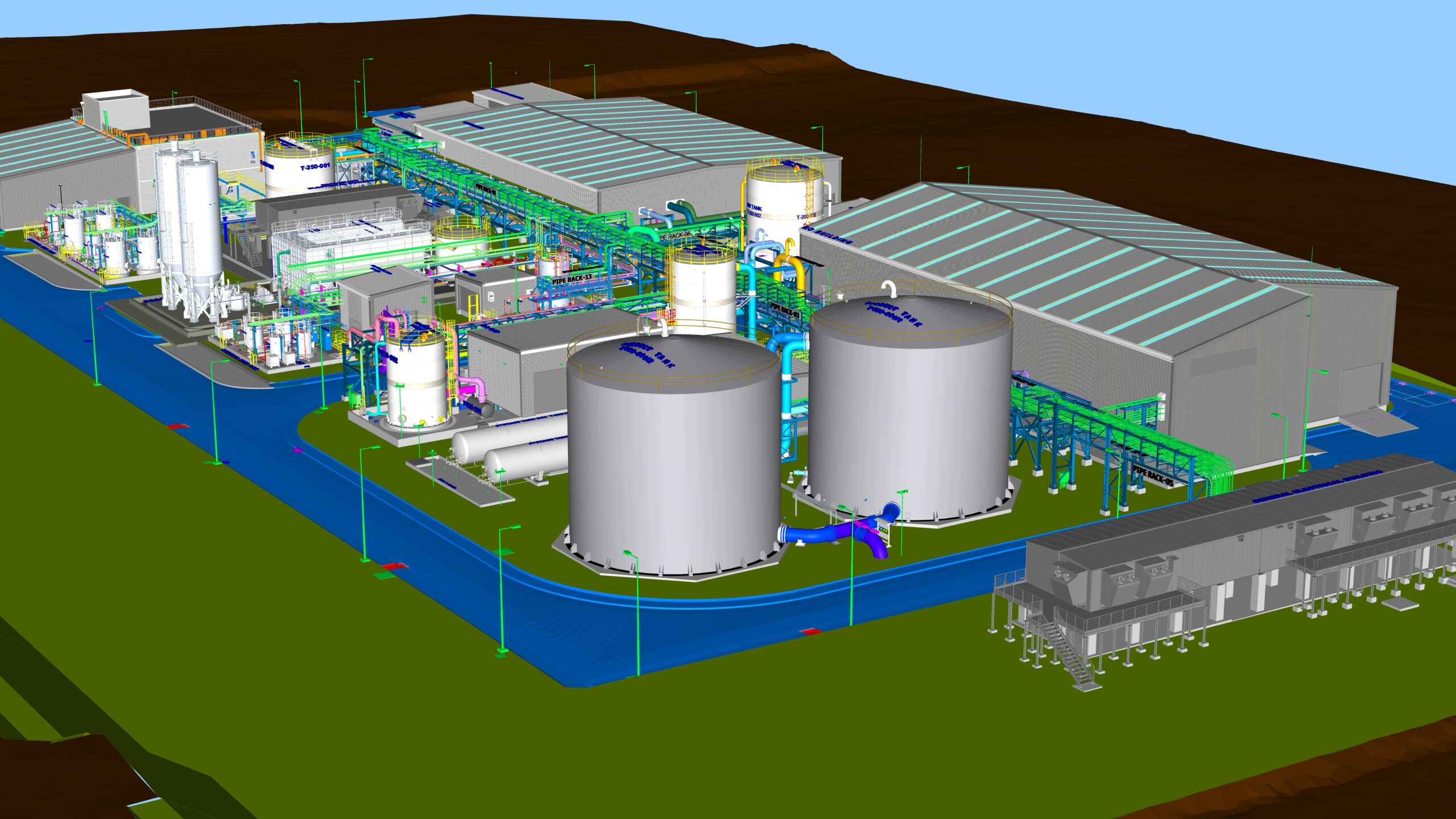
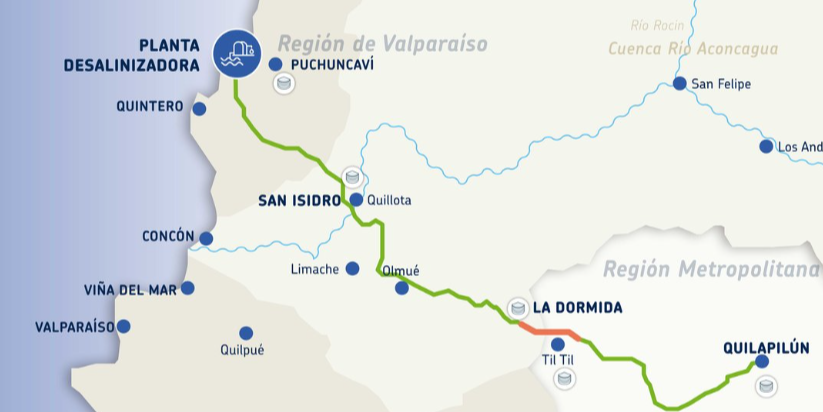
Aguas Pacífico is driving the Aconcagua Project as a structural solution to secure water supply for both human consumption and industrial use. While Phase I, a desalination plant with a capacity of 1,000 l/s, is under development, the company is planning Phase II to add an additional 1,000 l/s of production, doubling the system’s total capacity. This expansion phase aims to strengthen the region’s water resilience by extending the existing infrastructure through an integrated and efficient design, aligned with sustainability criteria, operational continuity, and the use of proven desalination technologies.
WATER EFFICIENCY UPGRADE AT NEHUENCO POWER COMPLEX
WATER EFFICIENCY UPGRADE AT NEHUENCO POWER COMPLEX
Industrial Sector
Desalination
Client
Colbún
Location
Quillota, Chile
Date
2015 - 2017
Service Area
Engineering
Solutions
Conceptual engineering for plant interconnections.
Basic and detailed engineering.
On-site engineering support.
Reverse osmosis plant interconnection design.
Storage tank integration.
Electrodeionization (EDI) system integration.
Multidisciplinary implementation coordination.
Colbún implemented a reverse osmosis plant at the Nehuenco Power Complex to optimize water use in the cooling system of its generating units, enabling reuse during water scarcity periods and improving operational reliability.
The facility produces approximately 540 m³/h of treated water and, through an electrodeionization (EDI) stage, generates around 30 m³/h of ultra-pure water for high-requirement operational processes.
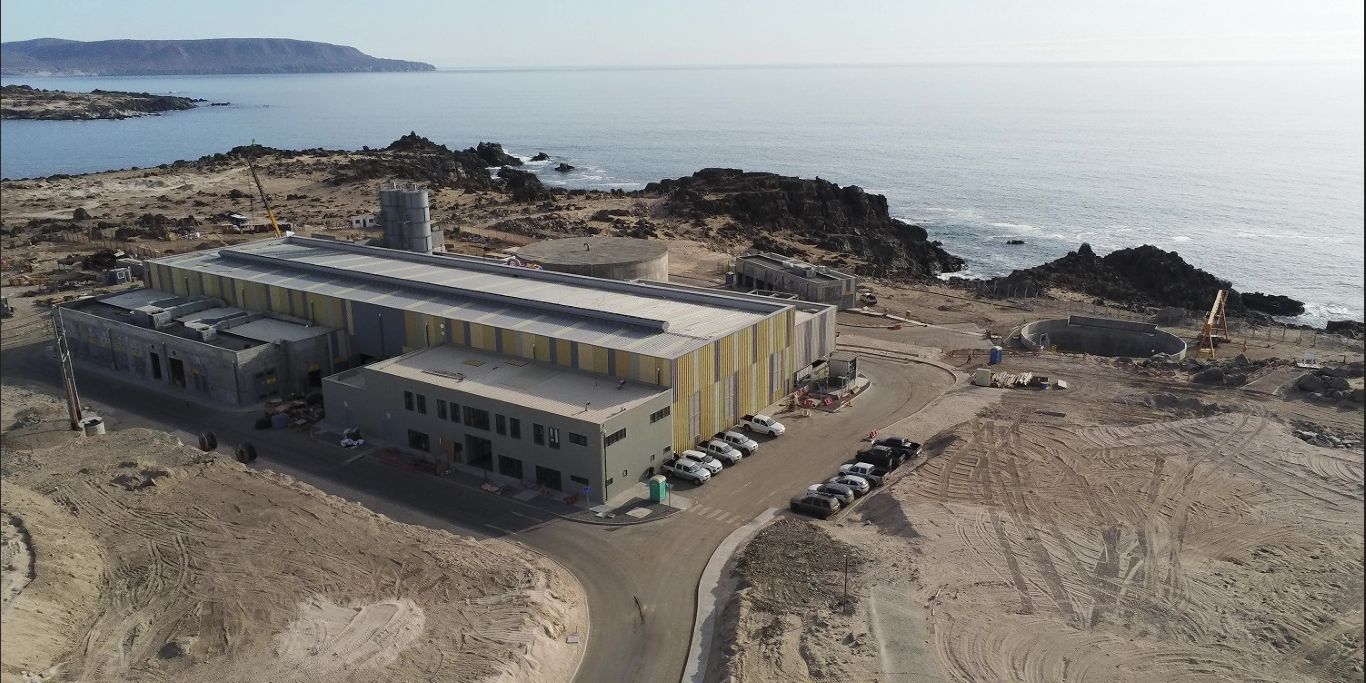
WATER INFRASTRUCTURE FOR OVER 210,000 PEOPLE IN ATACAMA
WATER INFRASTRUCTURE FOR OVER 210,000 PEOPLE IN ATACAMA
Industrial Sector
Desalination and Infrastructure
Client
INIMA-CVV (a consortium formed by the Spanish company GS INIMA and the Chilean group Claro Vicuña Valenzuela)
Location
Punta Zorro, Copiapó Province, Atacama Region
Date
2018
Service Area
Engineering
Solutions
Detailed engineering for the following disciplines: architecture, structural, civil, electrical, CCTV, fire protection, HVAC, access road design, and 3D modeling for interference detection.
According to the Chilean Meteorological Service, over the past 10 years, the impact of climate change in our country has resulted in an average precipitation deficit of 20 to 30%, affecting the north in particular, which is facing a severe water shortage for both industrial use and human consumption.
In the Atacama Region, this depletion has led to the deterioration of the Copiapó River aquifers, resulting in a water crisis that affects the towns of Copiapó, Caldera, Chañaral, and Tierra Amarilla and their more than 210,000 residents.
The Proposal
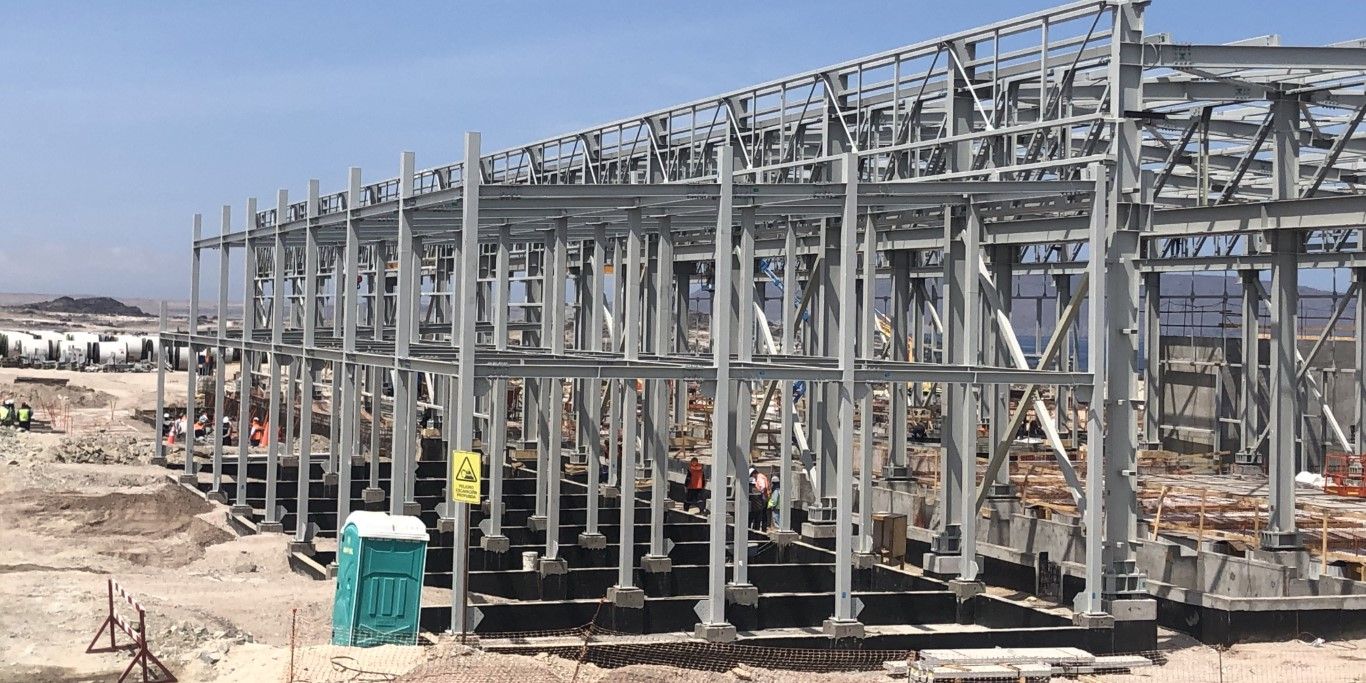
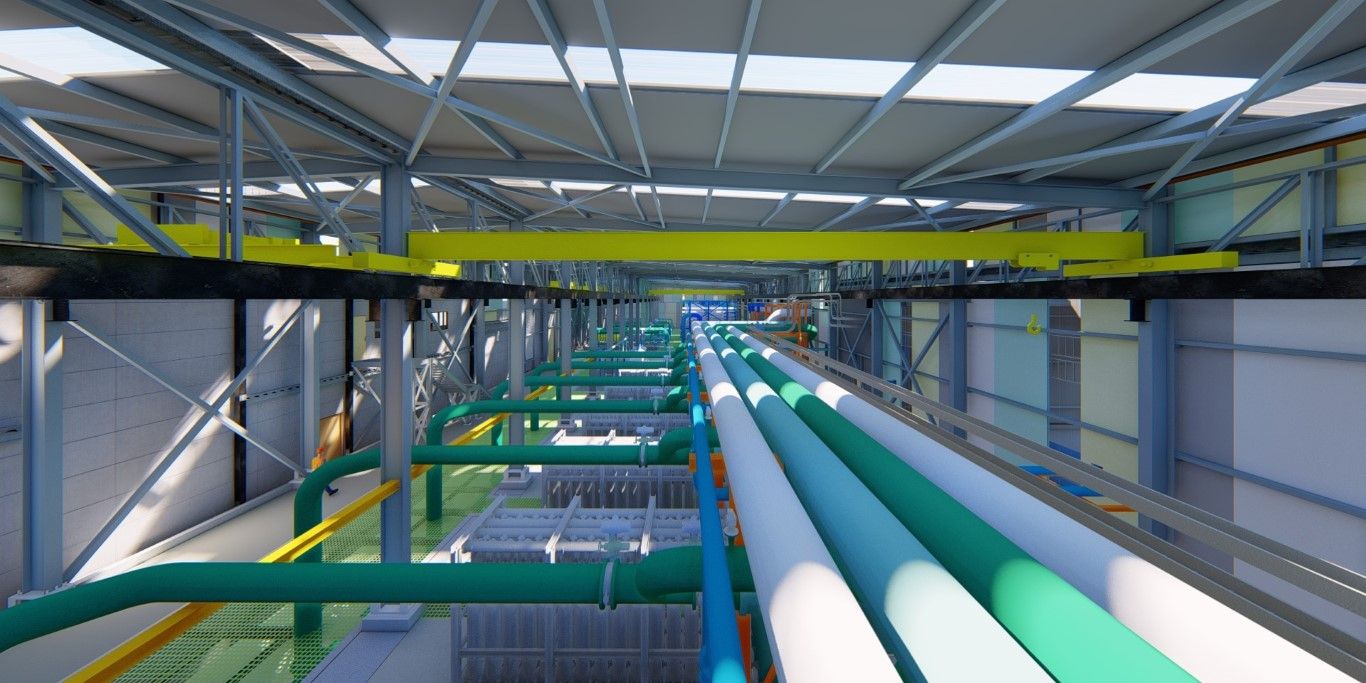
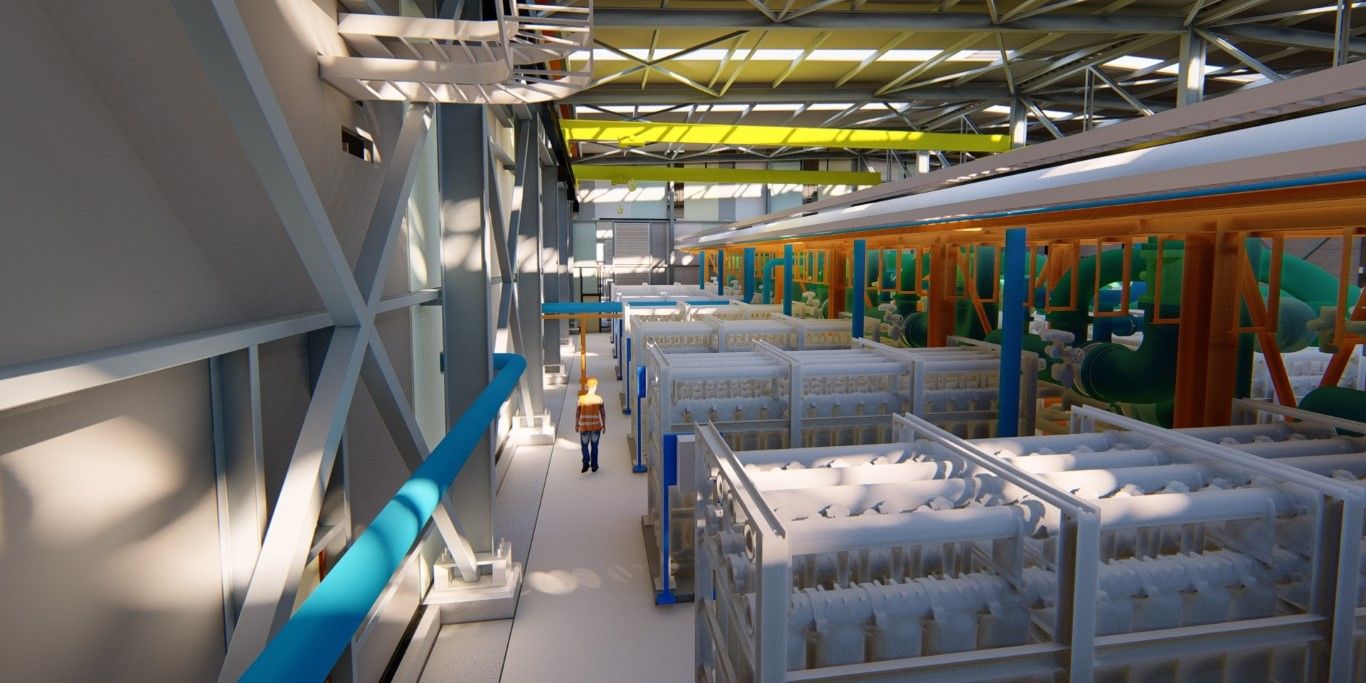
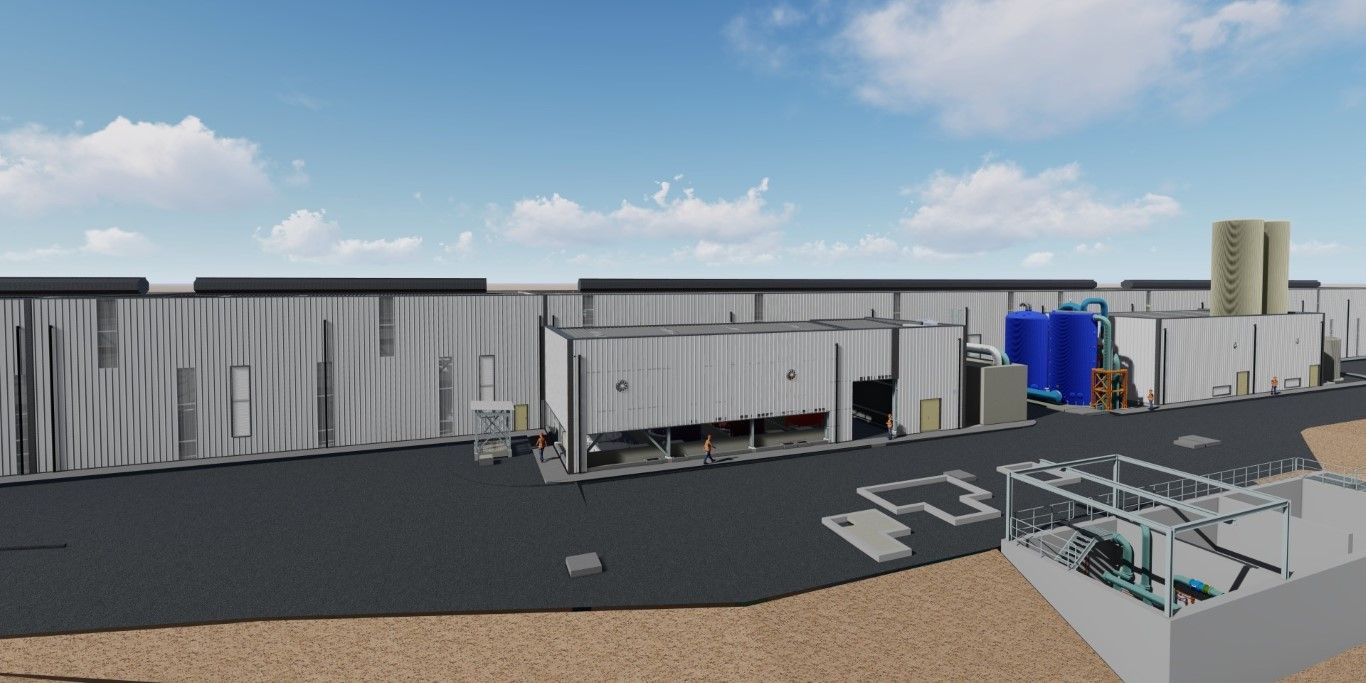
Develop detailed engineering for the 85,000 m² desalination plant using BIM methodology, enabling the development and integration of the client’s modeling and providing access to information and visualization for all project participants. This approach offers the benefit of identifying conflicts and reducing errors in the construction of the desalination plant, while maintaining the flexibility and adaptability to client needs that characterizes P&A.
Results
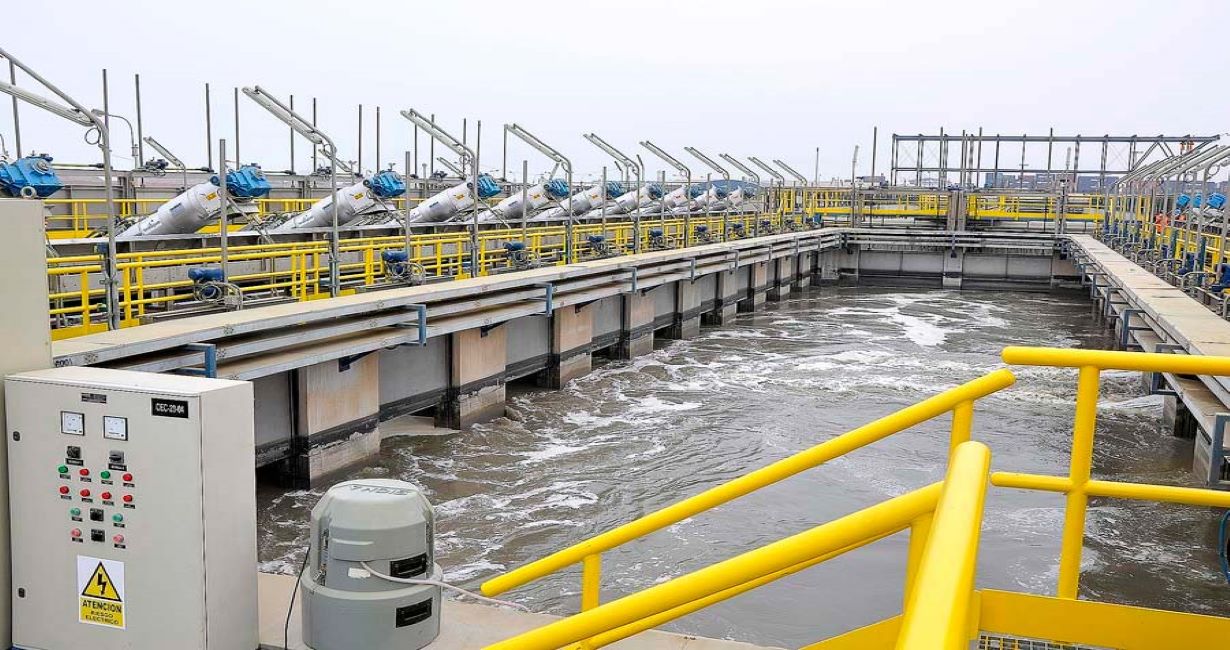
The Sanitation Services Concession Company (ECONSSA) put out a bid for the execution of the project “Seawater Desalination Plant for the Atacama Region, Provinces of Copiapó and Chañaral,” located in Punta Zorro (Caldera), under an EPC contract, with the contract awarded to the INIMA-CVV Consortium. In January 2018, work began on the engineering phase of the project, which involved 9 months of design and construction (P&A) under a fast-track approach—that is, construction proceeded concurrently with engineering—ensuring a supply of drinking water for over 210,000 people in the Atacama Region.
With an estimated investment of US$140 million in the first phase, the project was designed to produce 1,200 l/s of drinking water through three construction phases: Phase 1: production capacity of 450 l/s of drinking water; Phase 2: total production capacity of 900 l/s of drinking water; Phase 3: production capacity of 1,200 l/s of drinking water, through the extraction of seawater and its desalination via the reverse osmosis process (obtaining fresh water from salt water). From there, the water—now desalinated and treated with the necessary chemicals to make it potable—will be transported via aqueducts to the population. According to the Econssa website, the plant is already operational.
TALARA REFINERY DESALINATION PLANT – INDUSTRIAL WATER UTILITY SYSTEM
TALARA REFINERY DESALINATION PLANT – INDUSTRIAL WATER UTILITY SYSTEM
Industrial Sector
Desalination
Client
Tedagua
Location
Talara, Perú
Date
2018
Service Area
Engineering
Solutions
Basic engineering and procurement
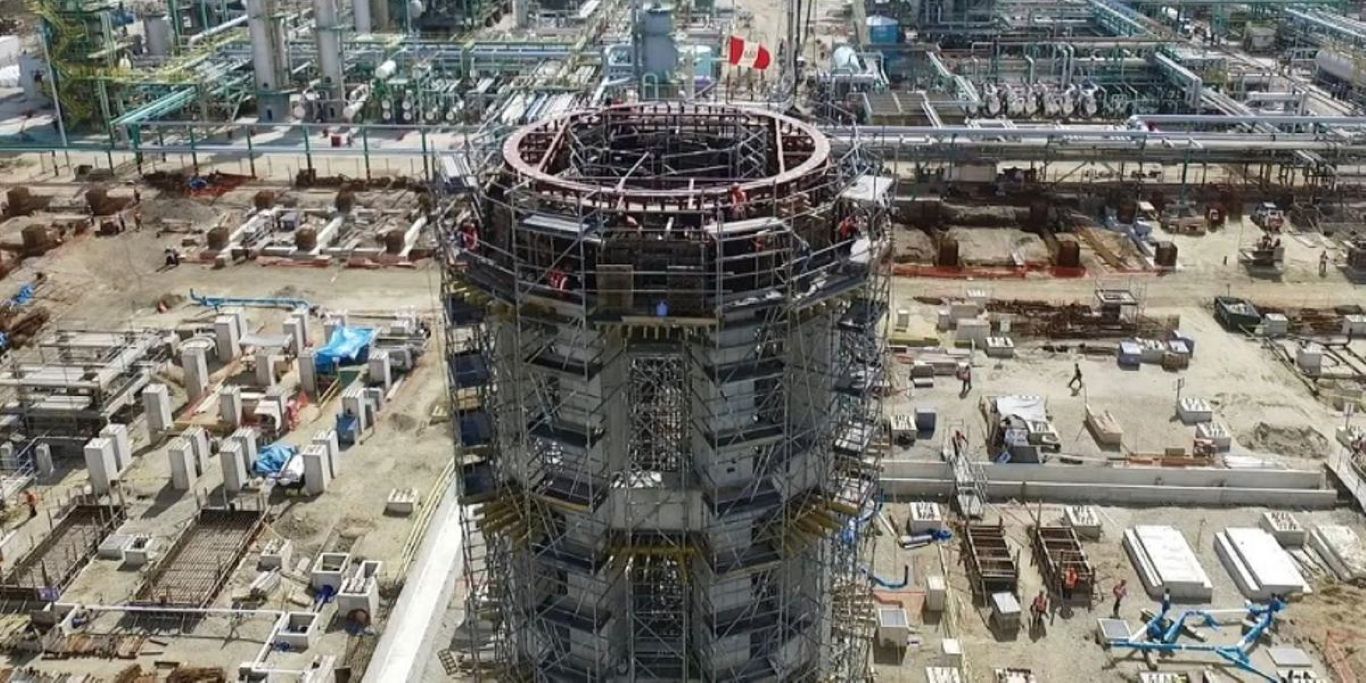
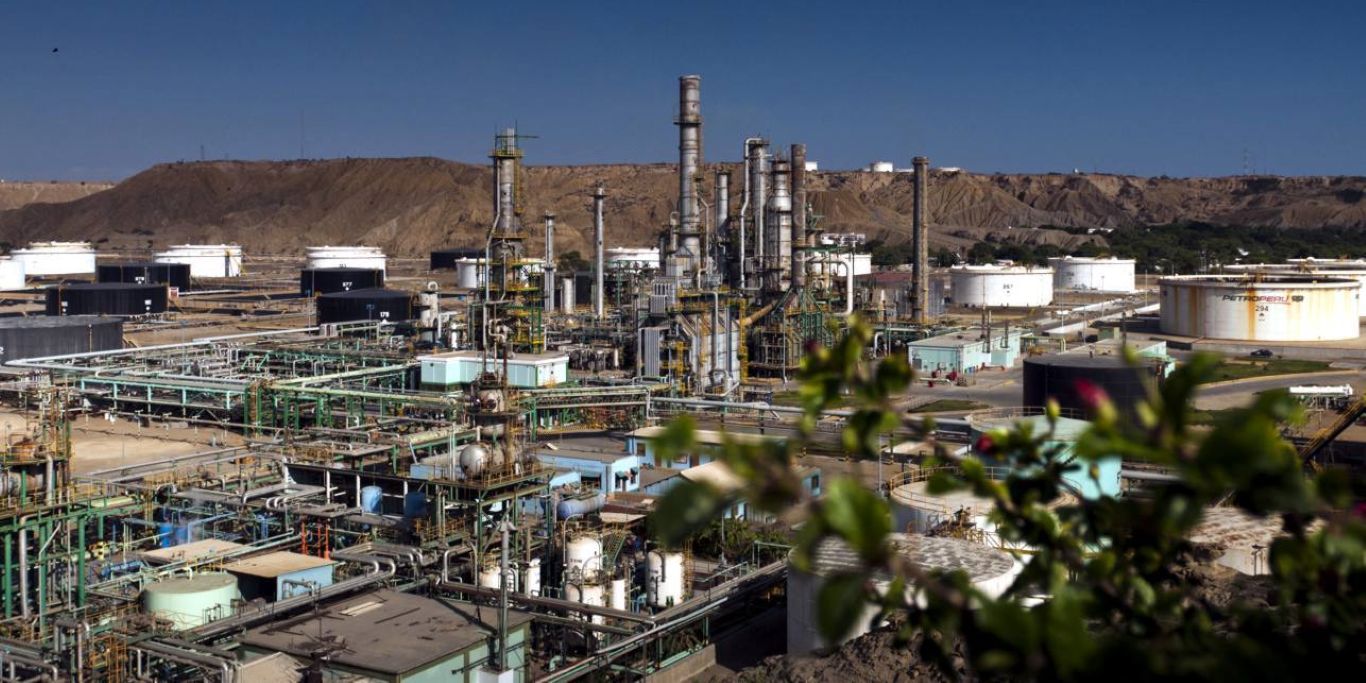
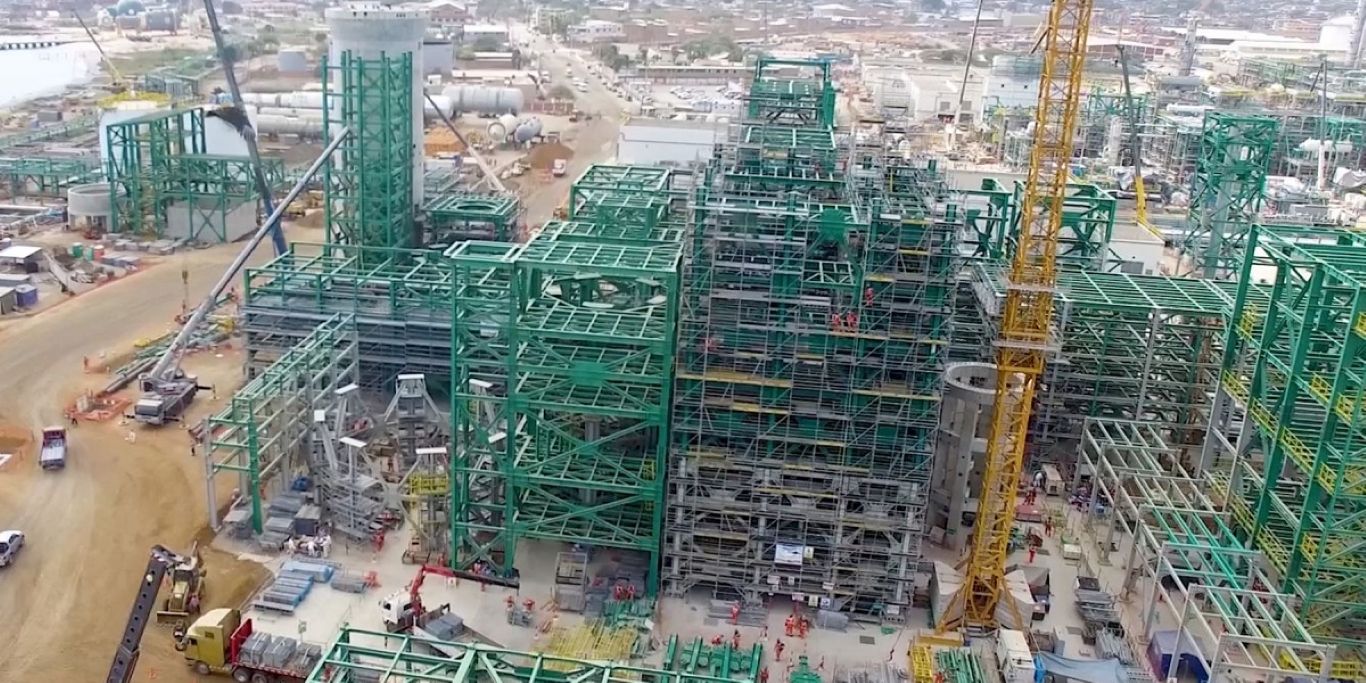
As part of the Talara Refinery Modernisation Project, a seawater desalination plant was developed to supply potable, industrial and demineralised water for the new refinery’s process requirements.
The facility was designed with a production capacity of 2,200 m³/day of desalinated water, becoming Peru’s first reverse osmosis plant for industrial use.
ACONCAGUA PROJECT: 2,000 L/S MULTIPURPOSE DESALINATION PLANT
ACONCAGUA PROJECT: 2,000 L/S MULTIPURPOSE DESALINATION PLANT
Industrial Sector
Infrastructure
Client
IDE Technologies (Phase I) ,
Aguas Pacífico (Phase II)
Location
Bahía Quinteros, Chile
Date
In progress
Service Area
Engineering
Solutions
Basic and detailed engineering services.
Aguas Pacífico is driving the Aconcagua Project as a structural solution to secure water supply for both human consumption and industrial use. While Phase I, a desalination plant with a capacity of 1,000 l/s, is under development, the company is planning Phase II to add an additional 1,000 l/s of production, doubling the system’s total capacity. This expansion phase aims to strengthen the region’s water resilience by extending the existing infrastructure through an integrated and efficient design, aligned with sustainability criteria, operational continuity, and the use of proven desalination technologies.
Archaeological Rescue: Ñuble Regional Hospital Project
Archaeological Rescue: Ñuble Regional Hospital Project
Industrial Sector
Infrastructure
Client
Inso Chile, a division of the Italian company Inso S.P.A.
Location
Chillán, Ñuble Region
Date
In Progress
Service Area
Archeologic
Solutions
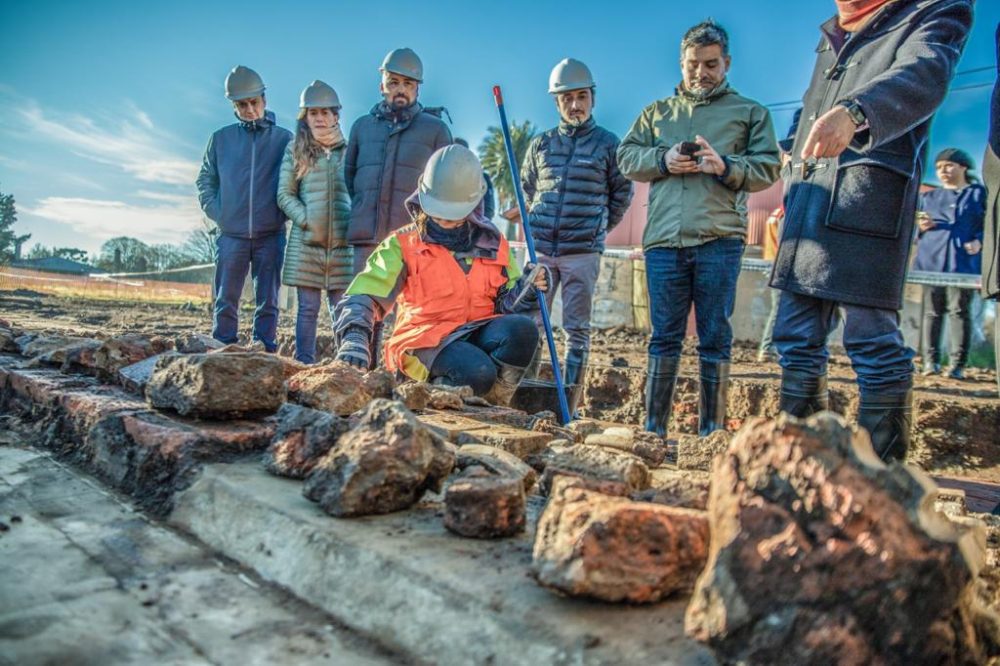
Execution of archaeological excavations using manual and mechanical methods.
Controlled stripping and excavation to identify architectural features.
Collection, classification and sampling of archaeological materials.
Preventive conservation of heritage elements.
Specialized analysis of recovered materials and structures.
Coordination with regulatory authorities and cultural institutions.
Preparation of technical reports and heritage documentation.
Specialist advisory services in archaeology and cultural heritage.
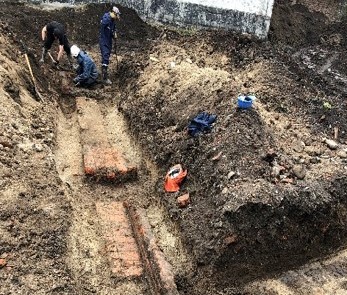
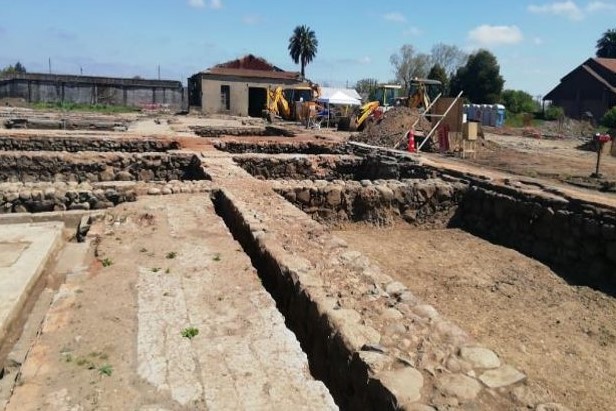
The project involved an archaeological recovery program at the historic San Juan de Dios Hospital site in Chillán, carried out as part of the development of the new Ñuble Regional Hospital. The initiative aimed to recover, document and preserve heritage elements associated with the historical use of the site prior to the commencement of construction works. The program covered an area of more than 40,000 m², identifying architectural remains and artefacts linked to different stages of the hospital’s historical development. The work ensured compliance with heritage regulations while enabling the site to be prepared for new infrastructure development.
Desalination Plant for the Atacama Region
Desalination Plant for the Atacama Region
Industrial Sector
Desalination and Infrastructure
Client
INIMA-CVV (a consortium formed by the Spanish company GS INIMA and the Chilean group Claro Vicuña Valenzuela)
Location
Punta Zorro, Copiapó Province, Atacama Region
Date
2018
Service Area
Engineering
Solutions
Detailed engineering for the following disciplines: architecture, structural, civil, electrical, CCTV, fire protection, HVAC, access road design, and 3D modeling for interference detection.
According to the Chilean Meteorological Service, over the past 10 years, the impact of climate change in our country has resulted in an average precipitation deficit of 20 to 30%, affecting the north in particular, which is facing a severe water shortage for both industrial use and human consumption.
In the Atacama Region, this depletion has led to the deterioration of the Copiapó River aquifers, resulting in a water crisis that affects the towns of Copiapó, Caldera, Chañaral, and Tierra Amarilla and their more than 210,000 residents.
The Proposal
Develop detailed engineering for the 85,000 m² desalination plant using BIM methodology, enabling the development and integration of the client’s modeling and providing access to information and visualization for all project participants. This approach offers the benefit of identifying conflicts and reducing errors in the construction of the desalination plant, while maintaining the flexibility and adaptability to client needs that characterizes P&A.
Results
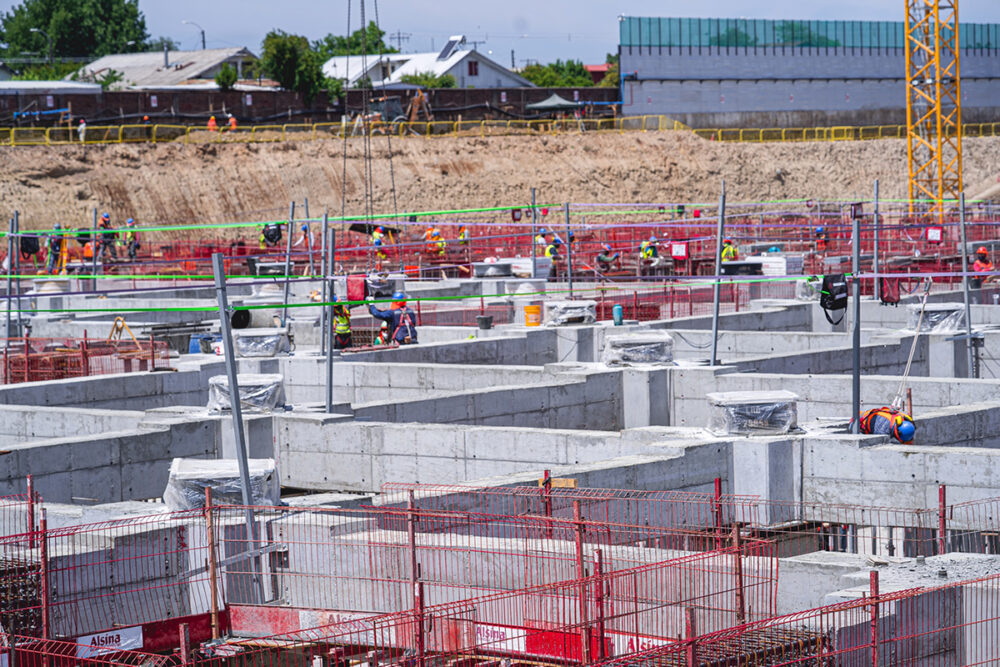
The Sanitation Services Concession Company (ECONSSA) put out a bid for the execution of the project “Seawater Desalination Plant for the Atacama Region, Provinces of Copiapó and Chañaral,” located in Punta Zorro (Caldera), under an EPC contract, with the contract awarded to the INIMA-CVV Consortium. In January 2018, work began on the engineering phase of the project, which involved 9 months of design and construction (P&A) under a fast-track approach—that is, construction proceeded concurrently with engineering—ensuring a supply of drinking water for over 210,000 people in the Atacama Region.
With an estimated investment of US$140 million in the first phase, the project was designed to produce 1,200 l/s of drinking water through three construction phases: Phase 1: production capacity of 450 l/s of drinking water; Phase 2: total production capacity of 900 l/s of drinking water; Phase 3: production capacity of 1,200 l/s of drinking water, through the extraction of seawater and its desalination via the reverse osmosis process (obtaining fresh water from salt water). From there, the water—now desalinated and treated with the necessary chemicals to make it potable—will be transported via aqueducts to the population. According to the Econssa website, the plant is already operational.