
All
NEW CRYOGENIC PLANT FOR OXYGEN PRODUCTION
NEW CRYOGENIC PLANT FOR OXYGEN PRODUCTION
Industrial Sector
Manufacturing
Client
Indura
Location
Talcahuano, Concepción Province, Bío Bío Region
Date
2005
Service Area
Engineering and Purchasing Management
Solutions
Basic and detailed engineering, as well as purchasing management.
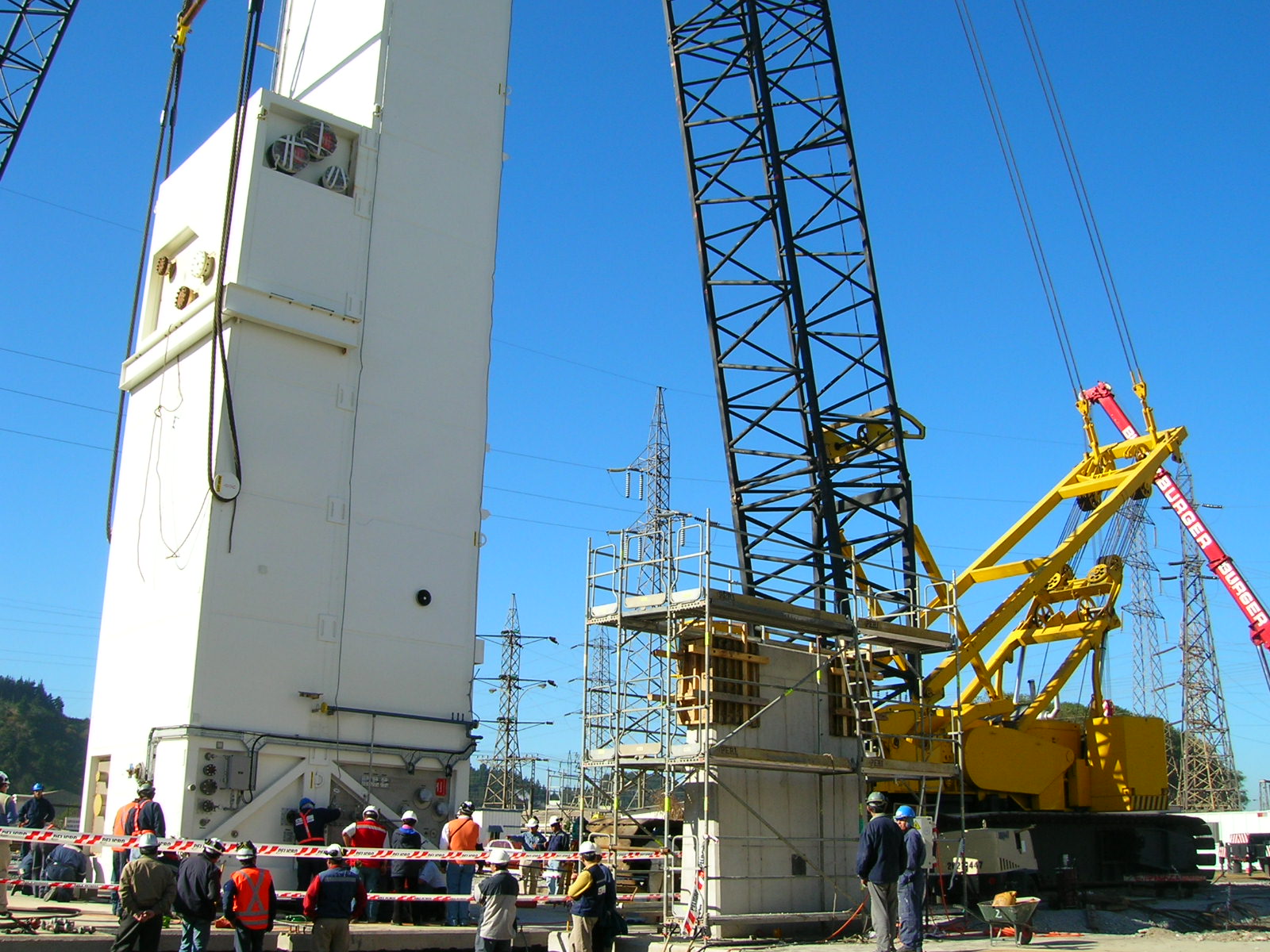
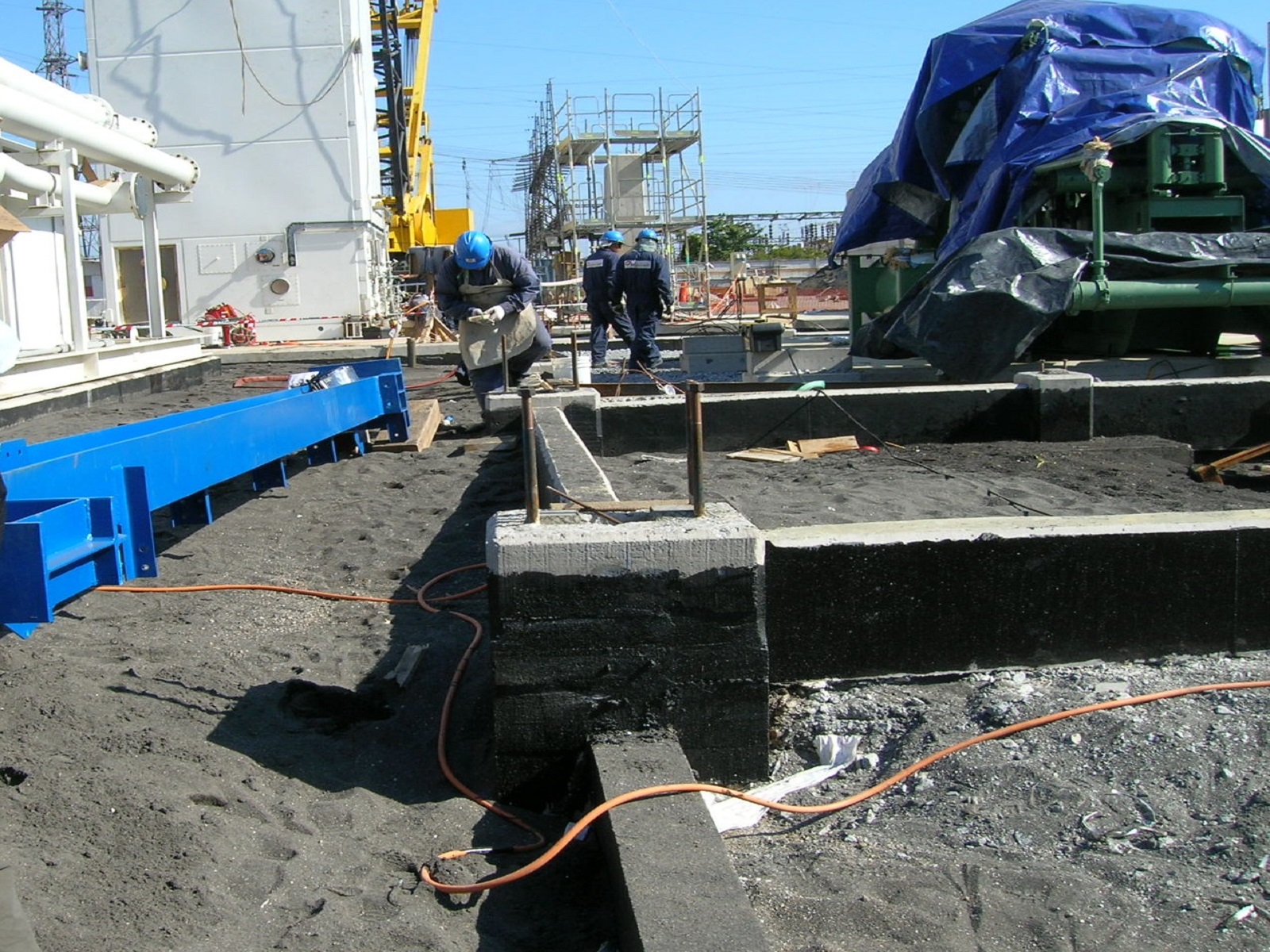
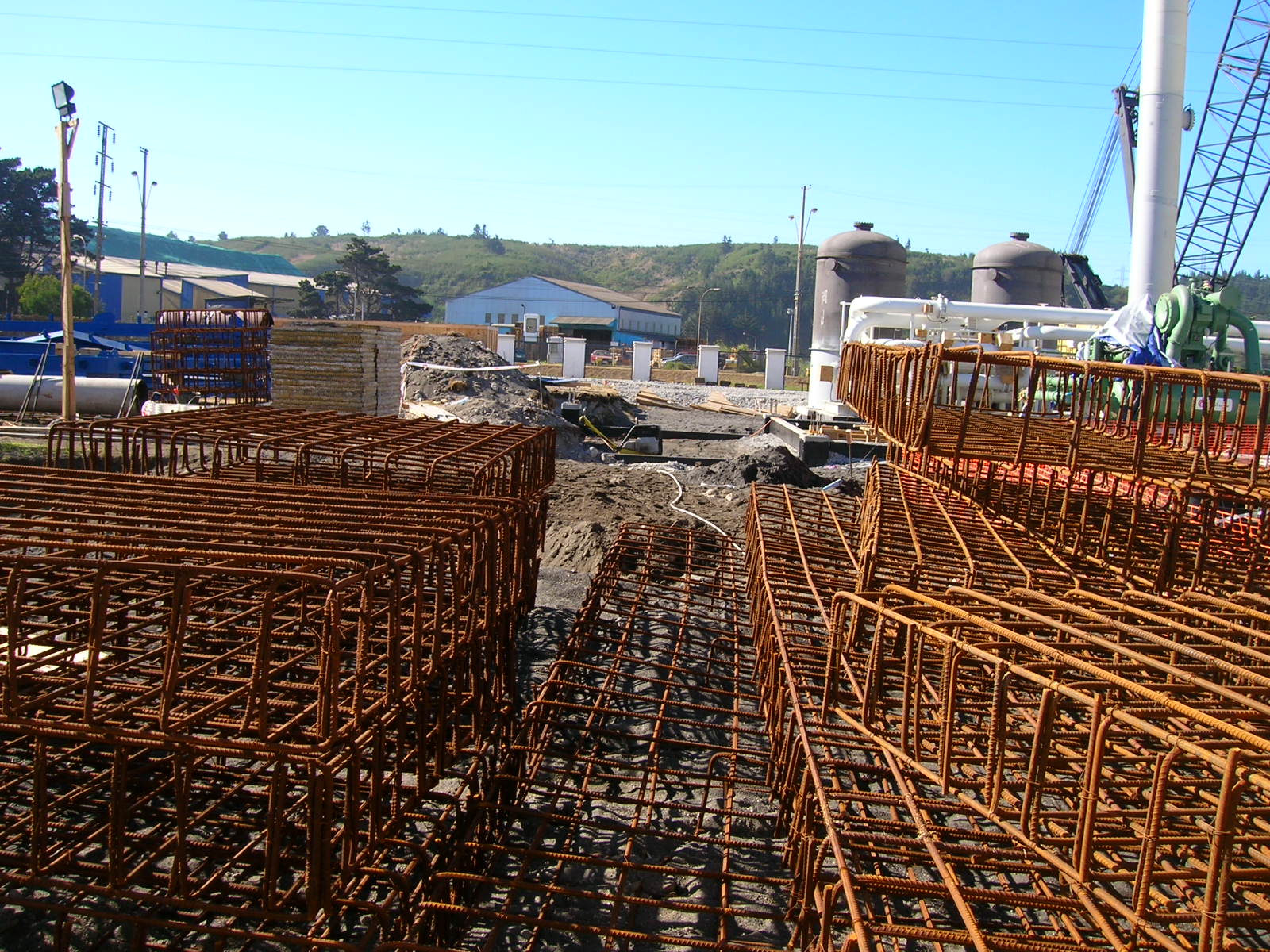
In 2005, Steelworks of Huachipato, a subsidiary of Steel Company of the Pacific (CAP), developed a project for a new cryogenic plant to produce oxygen in Talcahuano. The facility was designed to produce 200 metric tons of oxygen and nine metric tons of argon per day. As a result, the company was able to increase its oxygen production to meet the requirements for producing 1,450,000 tons of steel per year and replace its current purchase of liquid oxygen.
Pares&Alvarez carried out the basic and detailed engineering, as well as procurement management across all disciplines, for the installation and interconnection of the oxygen production plant using cryogenic air distillation, within the Huachipato steel complex. The plant utilized technology developed by the U.S. company AIR PRODUCTS and was inaugurated in late 2006.
In simple terms, oxygen (gas and liquid) is obtained through a cryogenic air separation process. The only raw material is atmospheric air, which is purified and liquefied for subsequent separation into its components by distillation. After separation, the oxygen gas is recirculated through a heat exchanger to transfer its cooling capacity, thereby producing a product at room temperature.
Talca plant expansion capacity
Talca plant expansion capacity
Industrial Sector
Food
Client
F4F
Location
Talca, Maule Region
Date
2023
Service Area
Environmental Management
Solutions
Environmental Impact Statement
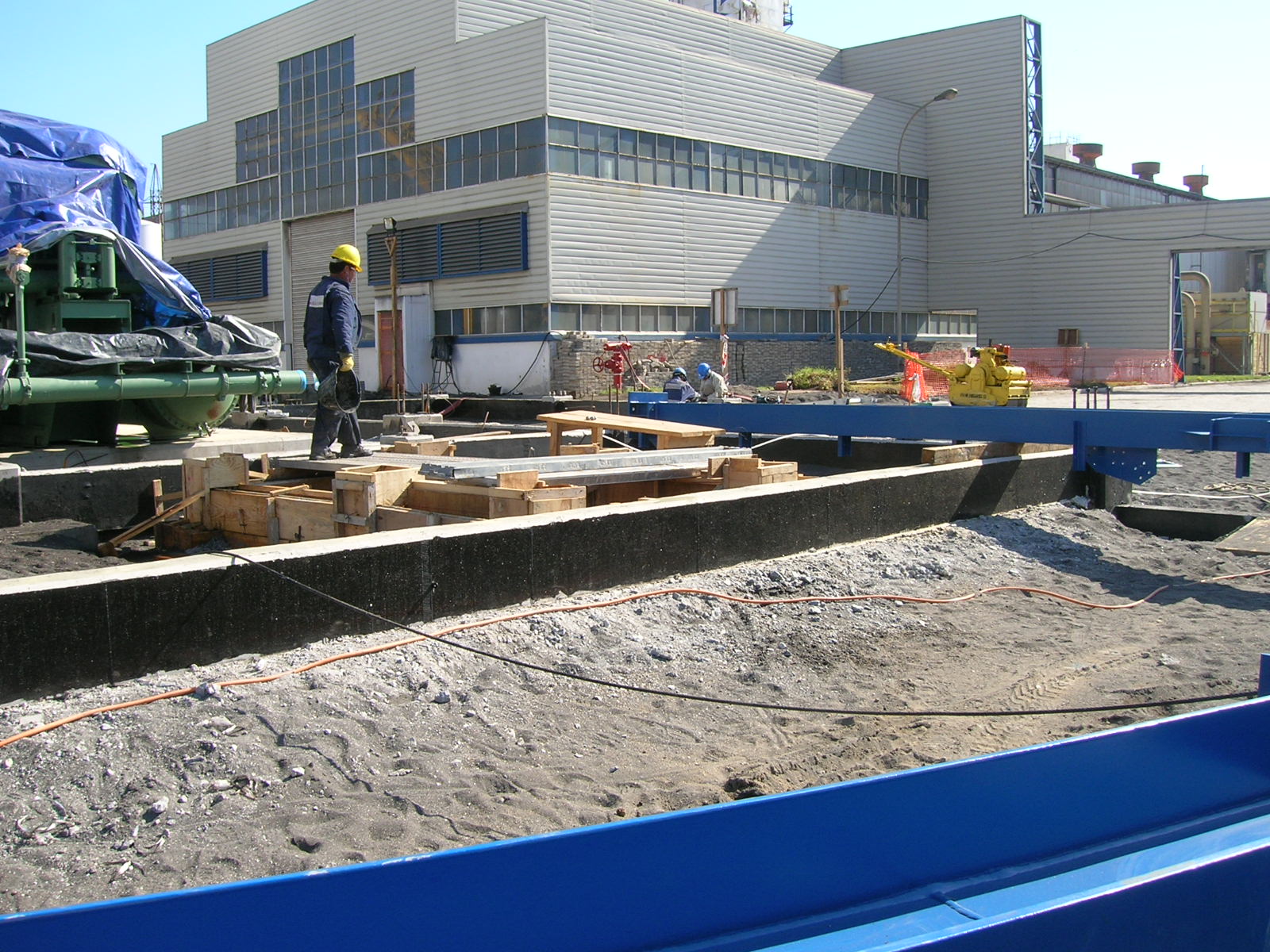
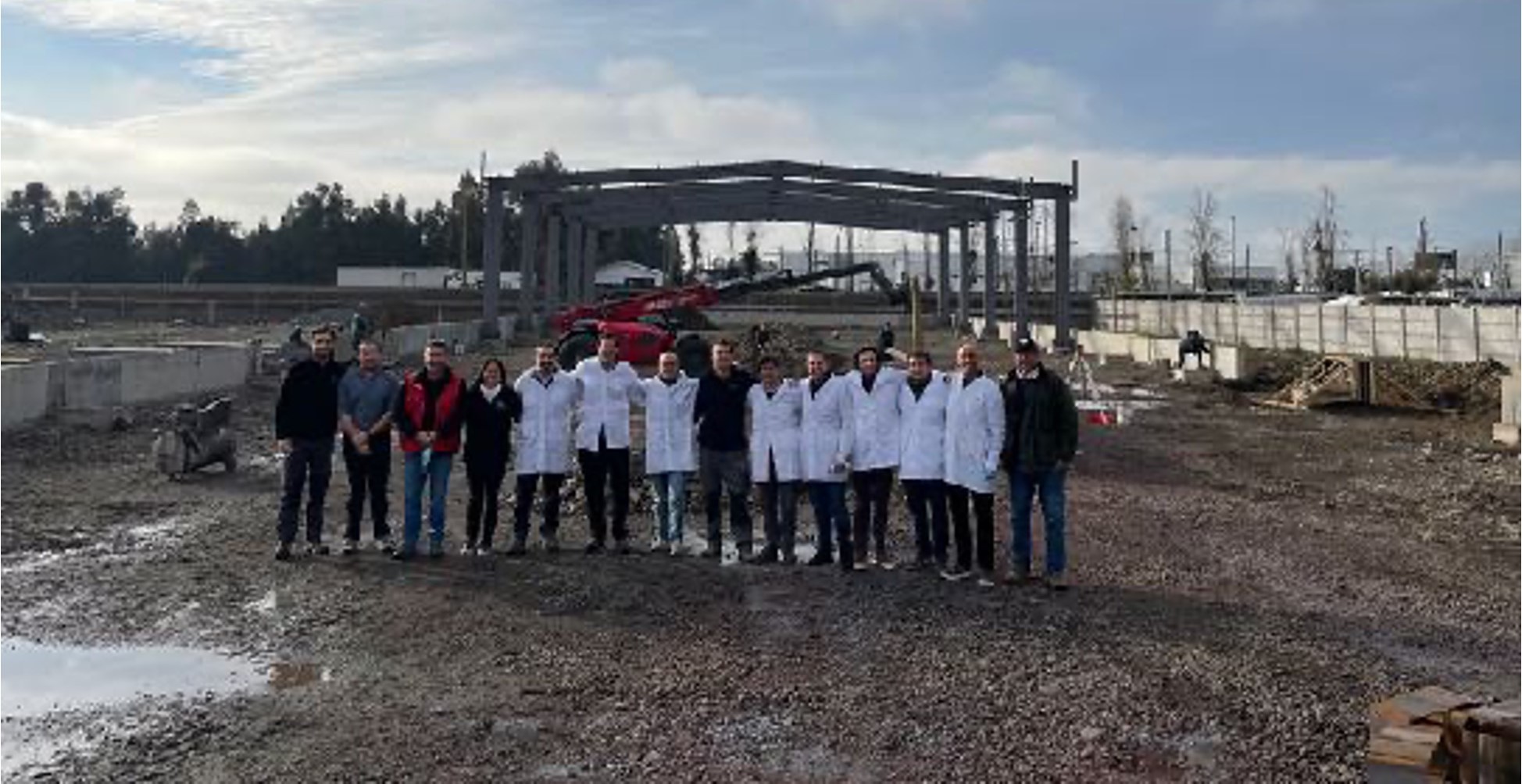
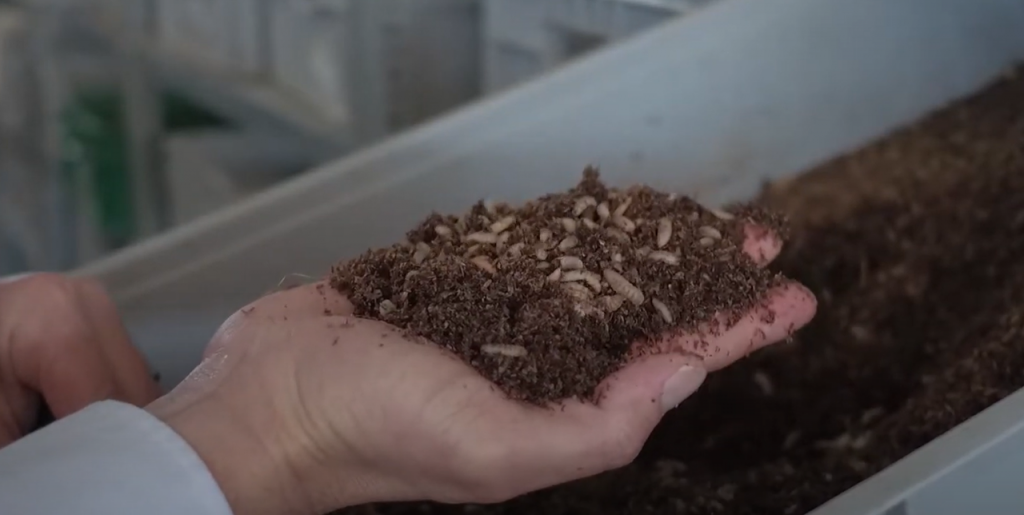
The F4F Talca plant receives and processes organic waste like domestic waste, producing proteins and oils of high nutritional and functional value, as well as bioinput for its application in the agricultural industry, through the cultivation of black soldier fly (Hermetia illucens).
The Plant currently has an authorized organic waste treatment capacity of 250 t/month and a current production of 5 t/month of flour.
Thus, PA Engineering Environmental Management prepared and submitted for evaluation, through an Environmental Impact Statement, a project that seeks to increase the capacity of the Talca plant, both in the reception and processing of organic waste from approx. 28 t/day to 100 t/day and the flour production capacity up to 100 t/month. The favourable resolution of the project was obtained within 8 months by a unanimous vote of approval.
This growth will involve, among other aspects, increasing the frequency of receiving organic waste; expanding the types of organic waste received and treated; and to increase both the storage capacity and the installed electrical power of the facilities. In addition, it may receive liquid waste for the process of preparing the food of the larvae, from the food industry (beverages or residual yeasts from the alcoholic fermentation process, from the agribusiness and livestock industry (residues from vineyards, fruits and vegetables), for a volume of 6.5 m3/day.
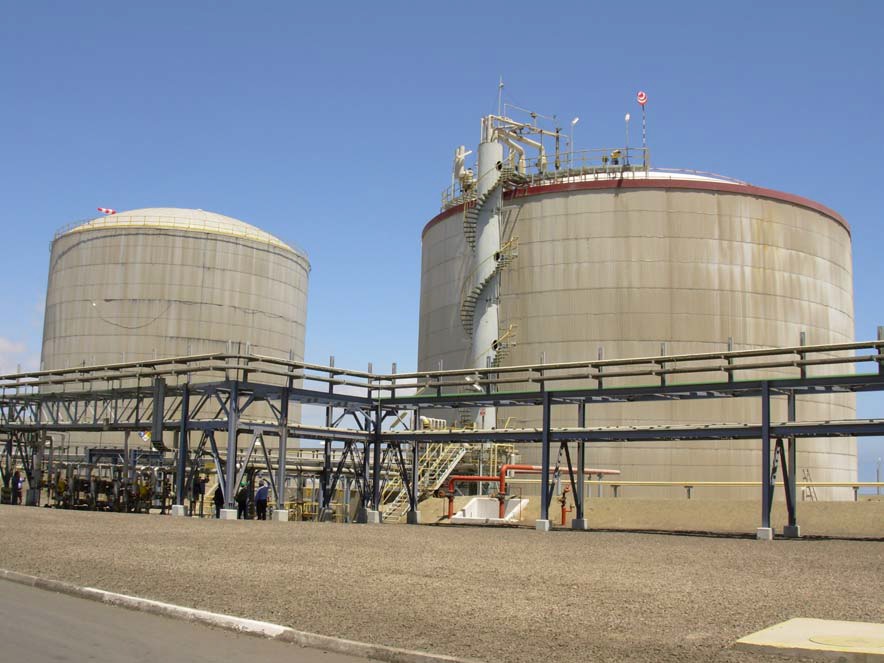
EXPANSION OF THE NITRIC ACID AND AMMONIUM NITRATE PLANTS IN MEJILLONES
EXPANSION OF THE NITRIC ACID AND AMMONIUM NITRATE PLANTS IN MEJILLONES
Industrial Sector
Manufacturing
Client
ENAEX
Location
Mejillones, a city in northern Chile, 65 kilometers north of Antofagasta
Date
2007-2008
Service Area
Consulting, Engineering, Purchasing Management, and Project Management
Solutions
Review and validation of conceptual, basic, and detailed engineering; management of equipment and materials procurement; and technical assistance during the construction phase.
The project involved the expansion and modernization of the Prillex América Industrial Complex through the construction and operation of a new nitric acid and ammonium nitrate plant (PANNA), which increased nitric acid production and, consequently, raised ammonium nitrate production from 450,000 to 800,000 metric tons per year, according to the Environmental Impact Statement.
Pares&Alvarez developed the adaptation of the facilities outside the production area to provide the unit with the inputs, supplies, services, and raw materials required for its operation, in the quantities and conditions necessary for its functioning. The project required an investment of $230 million.
Supervision for Pipeline Works
Supervision for Pipeline Works
Industrial Sector
Oil & Gas
Client
ENAP Pipeline Division
Location
Hualpén to San Fernando
Date
Running
Service Area
Construction Management
Solutions
Construction Supervision
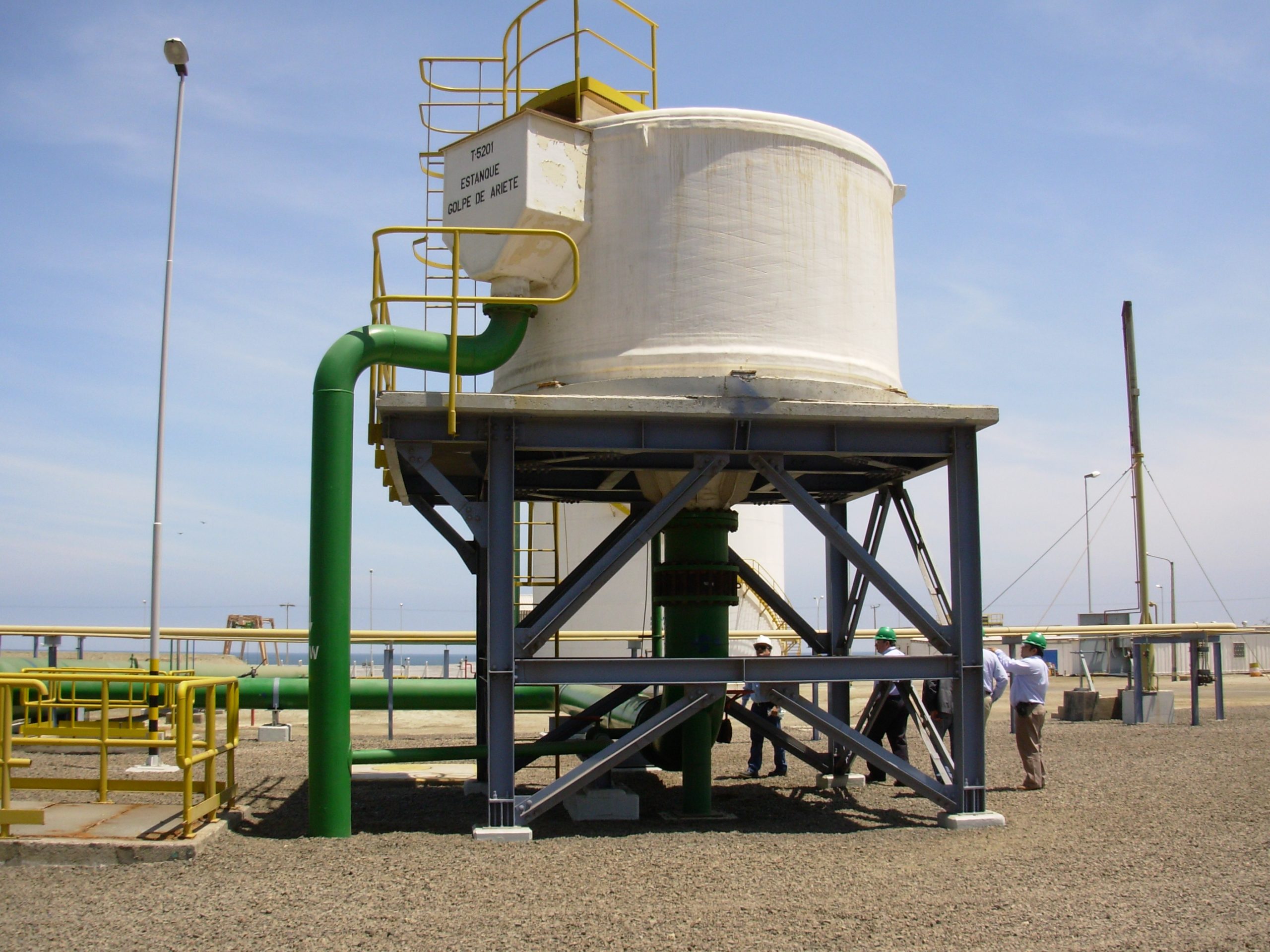
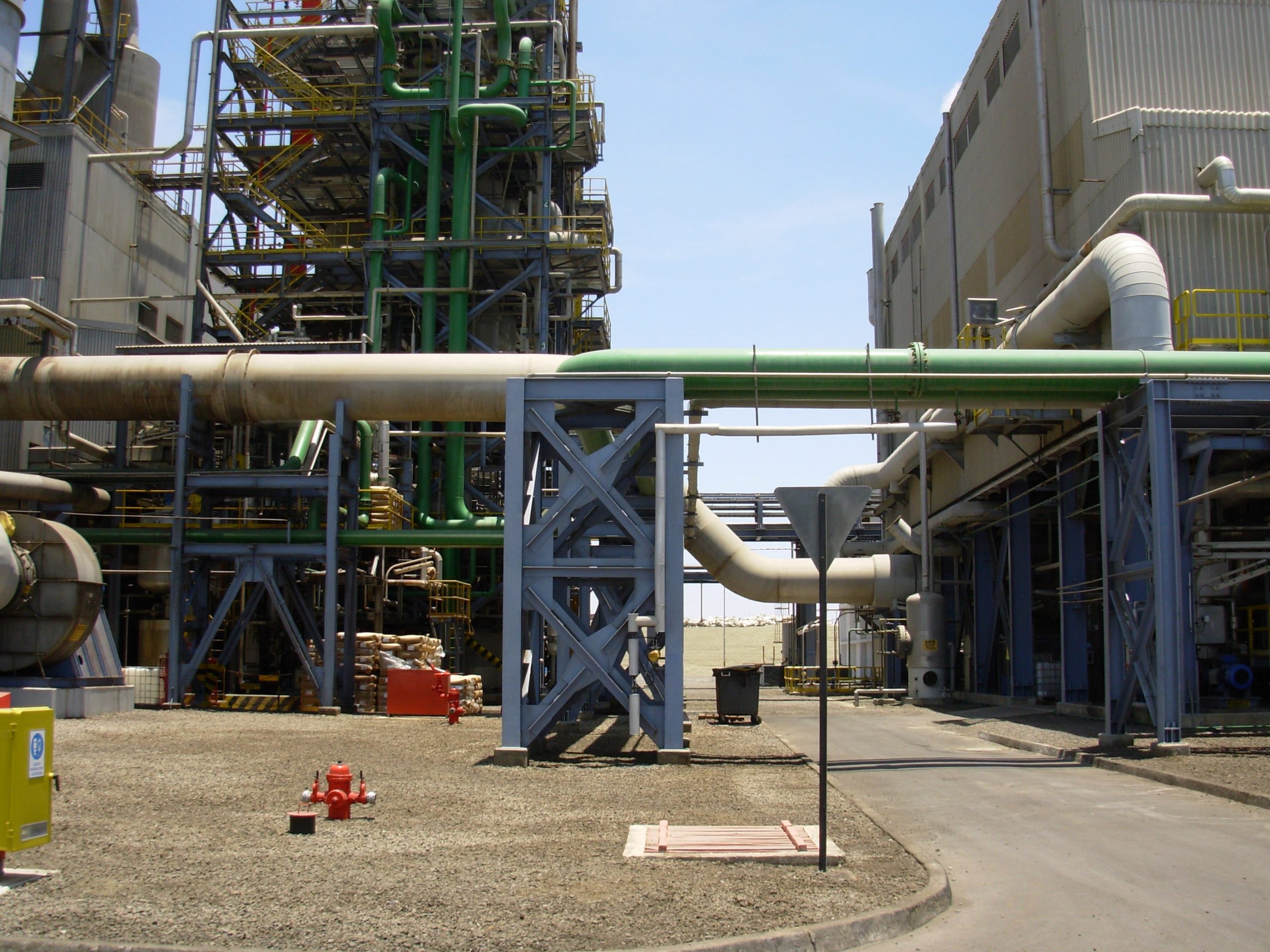
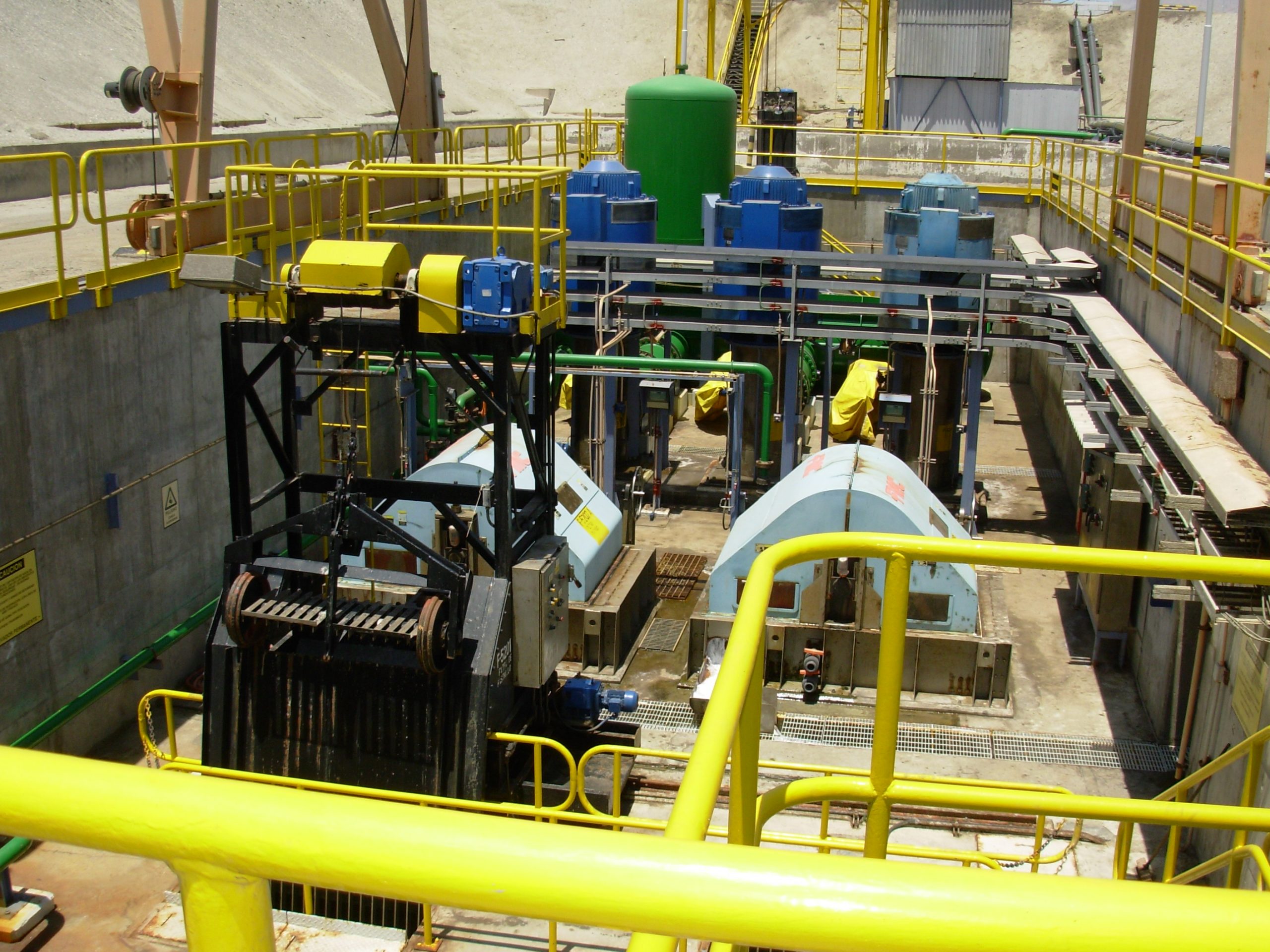
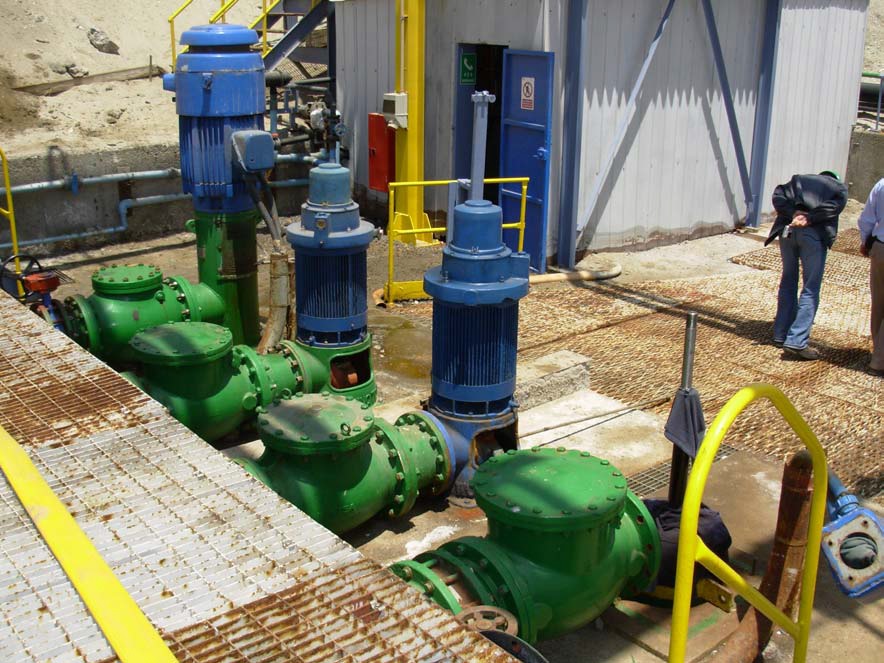
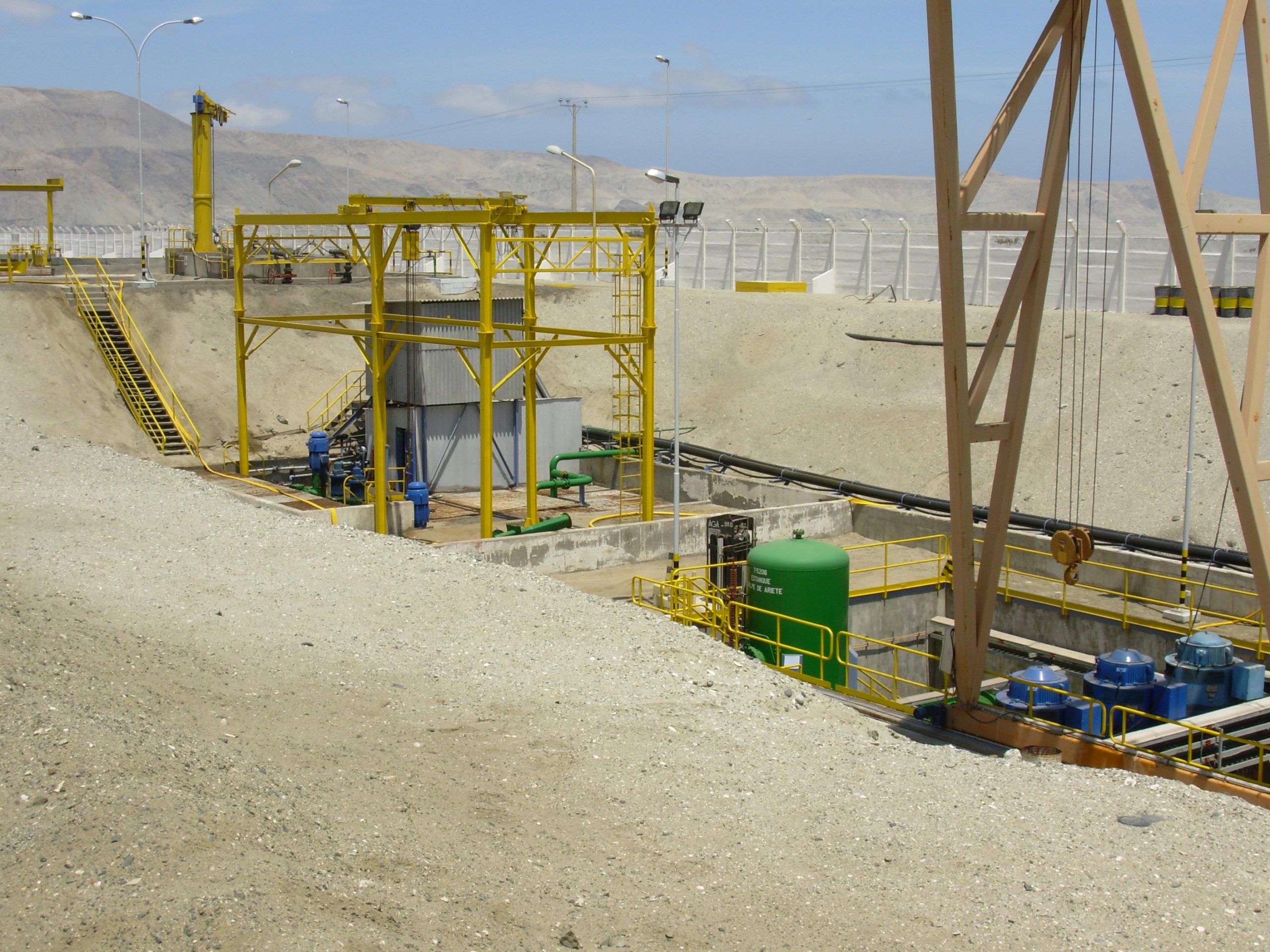
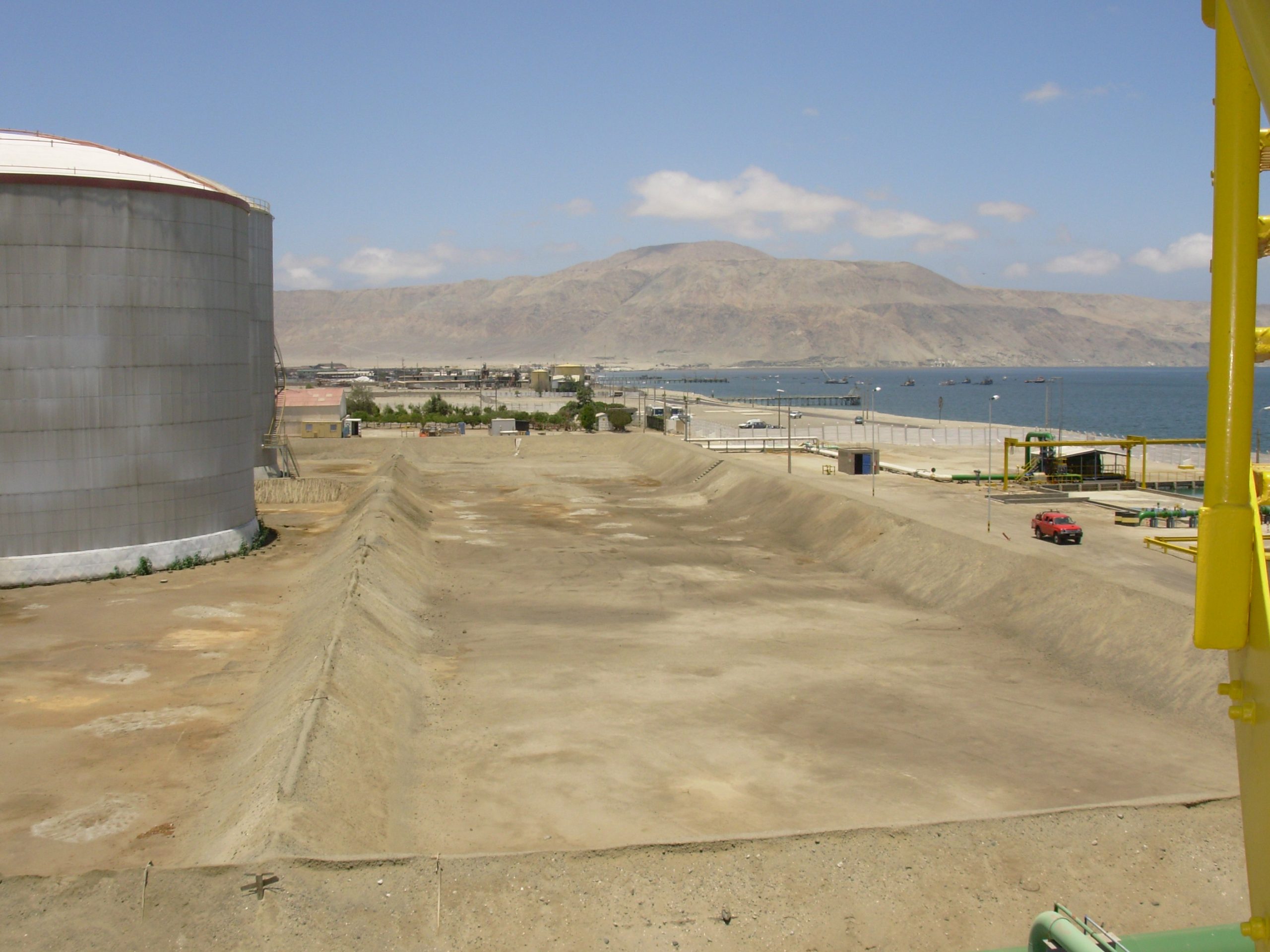
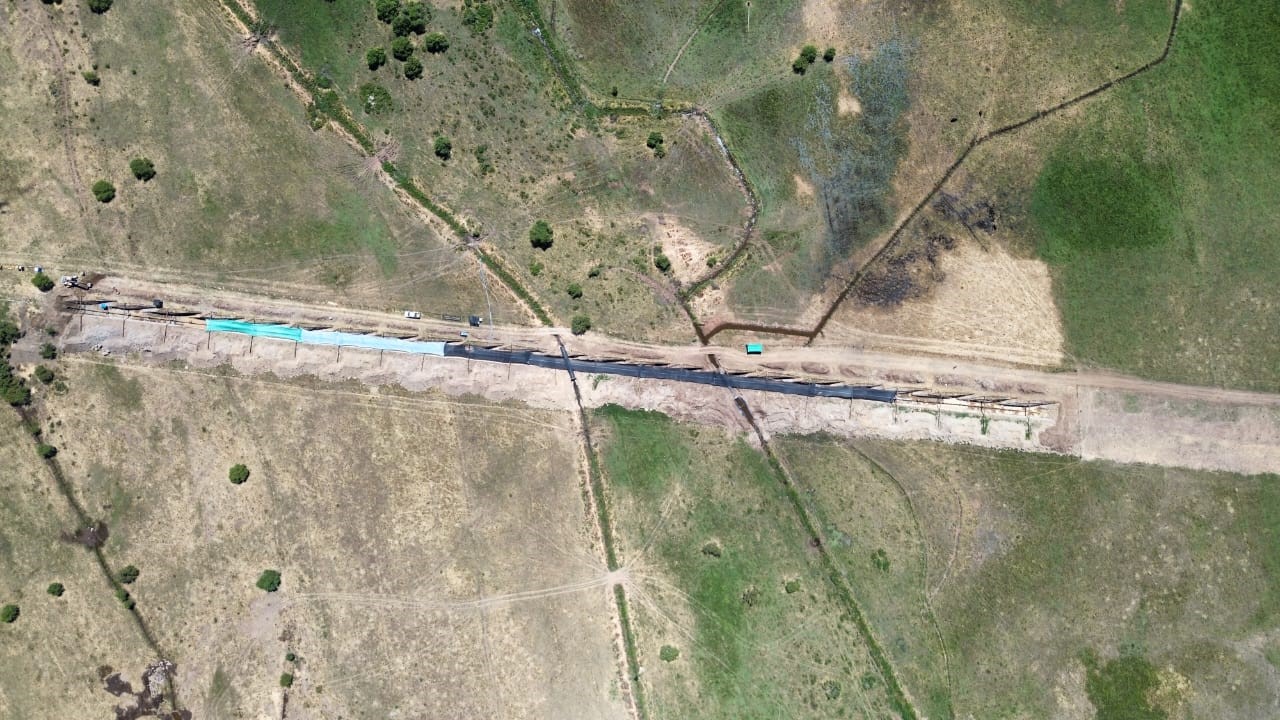
Project consists of the supervision of maintenance, repair, remediation, interconnections and connection of new sections of the pipeline. Maintenance of valve manifolds, storage tanks, pump yards for transfer and pumping. Planning and control, quality management, integrity management, permit management and depth surveying.
TPI BUNKERS QUINTERO IMPORTED PRODUCTS TERMINAL
TPI BUNKERS QUINTERO IMPORTED PRODUCTS TERMINAL
Industrial Sector
Oil & Gas
Client
Copec
Location
2008-2009
Date
2008 - 2009
Service Area
Engineering
Solutions
Advanced basic engineering, including detailed drawings necessary for an accurate project cost estimate.
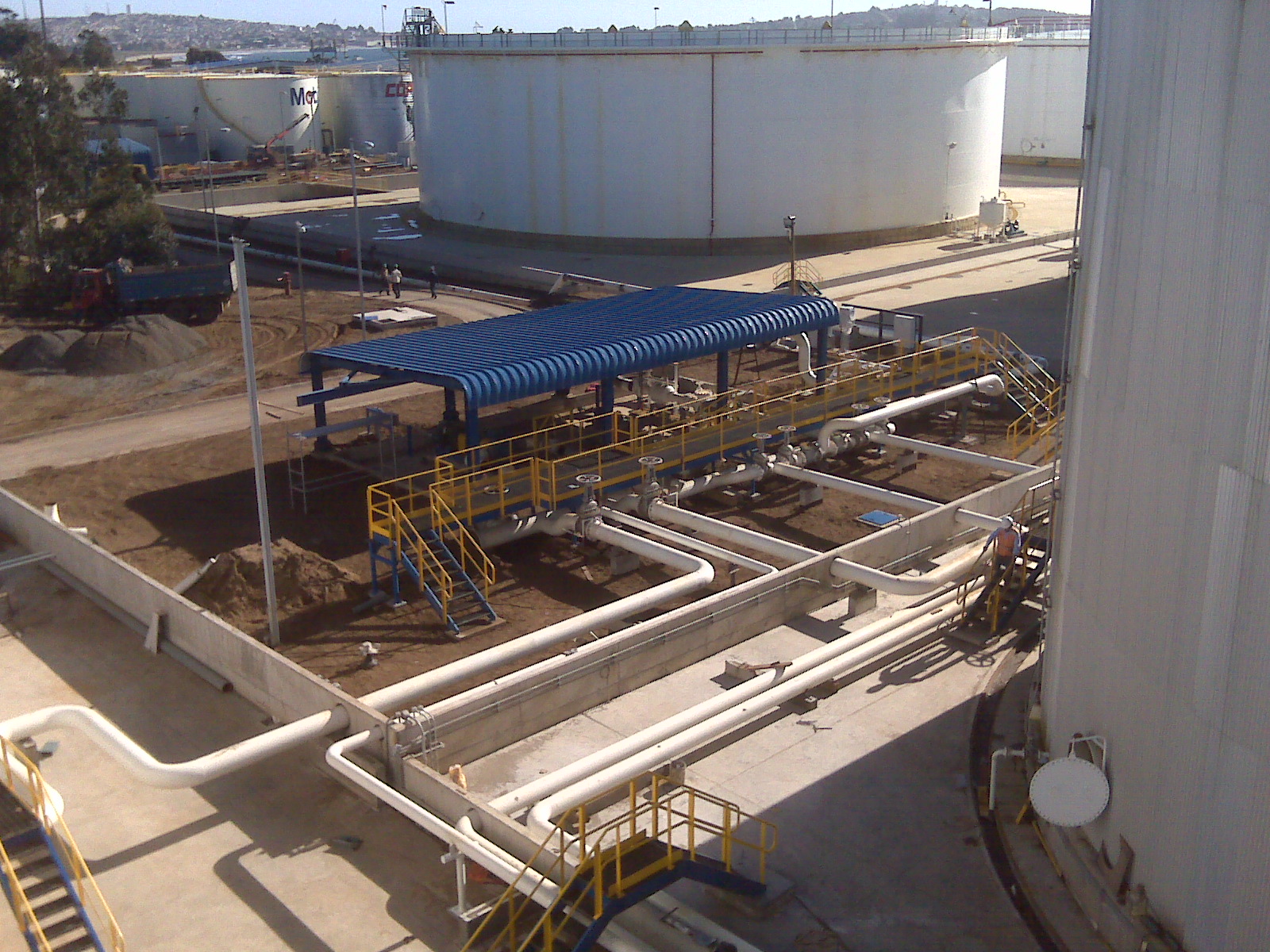
Copec operates a facility for receiving, storing, and dispensing clean products (diesel, kerosene, and gasoline). The new TPI Bunkers residual products terminal was built on the same site; its purpose is to sell fuels (fuel oil, IFO, and diesel) to barges that supply ships in the area.
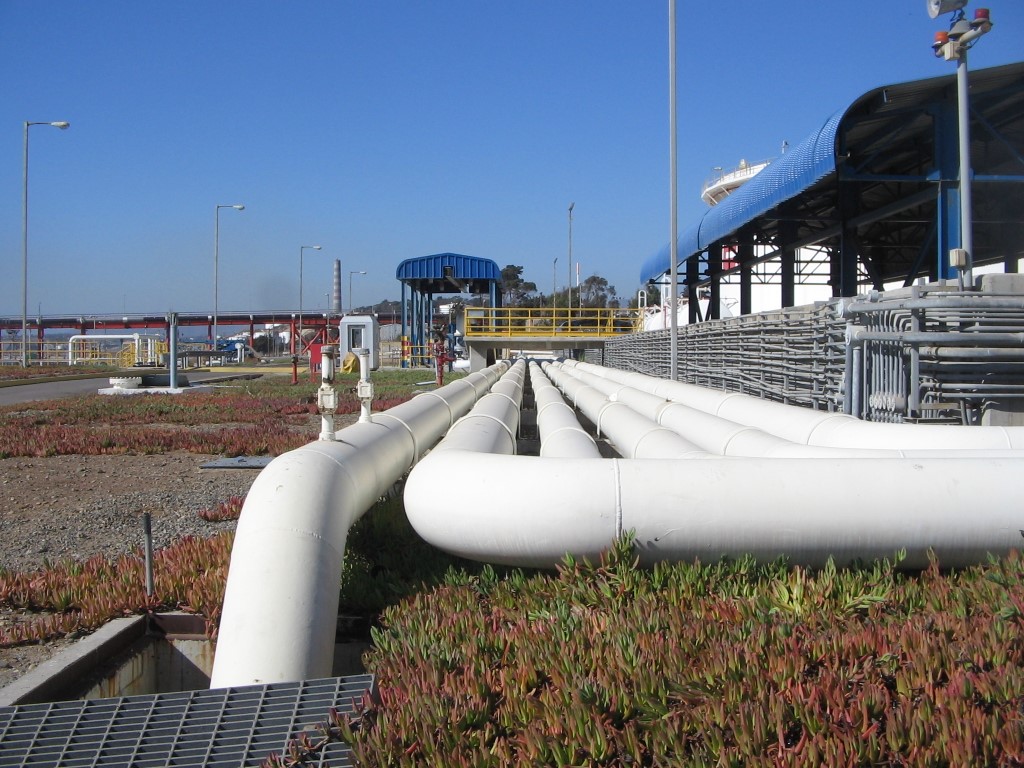
The project primarily involved a pipeline to receive fuel oil or IFO from ENAP Quintero, fuel oil/IFO and diesel storage tanks, dispensing pumps, an in-line blending system, an underwater line for fuel oil/IFO delivery, an underwater line for diesel delivery, a fire protection system in the tank area, and interconnections to TPI for filling the diesel tank.
PLANT FOR CONVERSION OF WASTE OILS TO FUEL ADDITIVE OIL, CARACOL PLANT
PLANT FOR CONVERSION OF WASTE OILS TO FUEL ADDITIVE OIL, CARACOL PLANT
Industrial Sector
Oil & Gas
Client
Copec
Location
Quinteros, Valparaíso Region
Date
2011-2012
Service Area
Engineering
Solutions
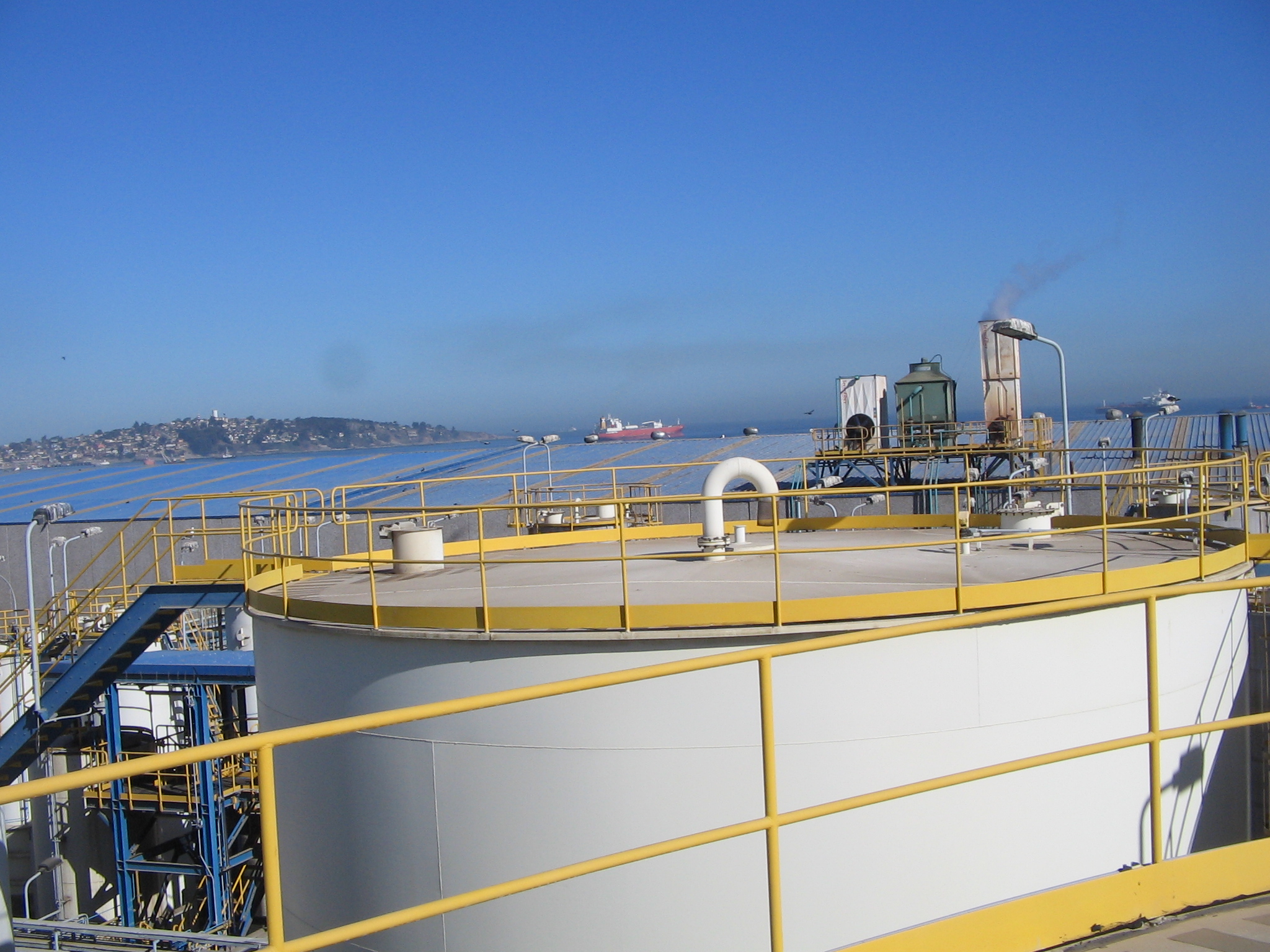
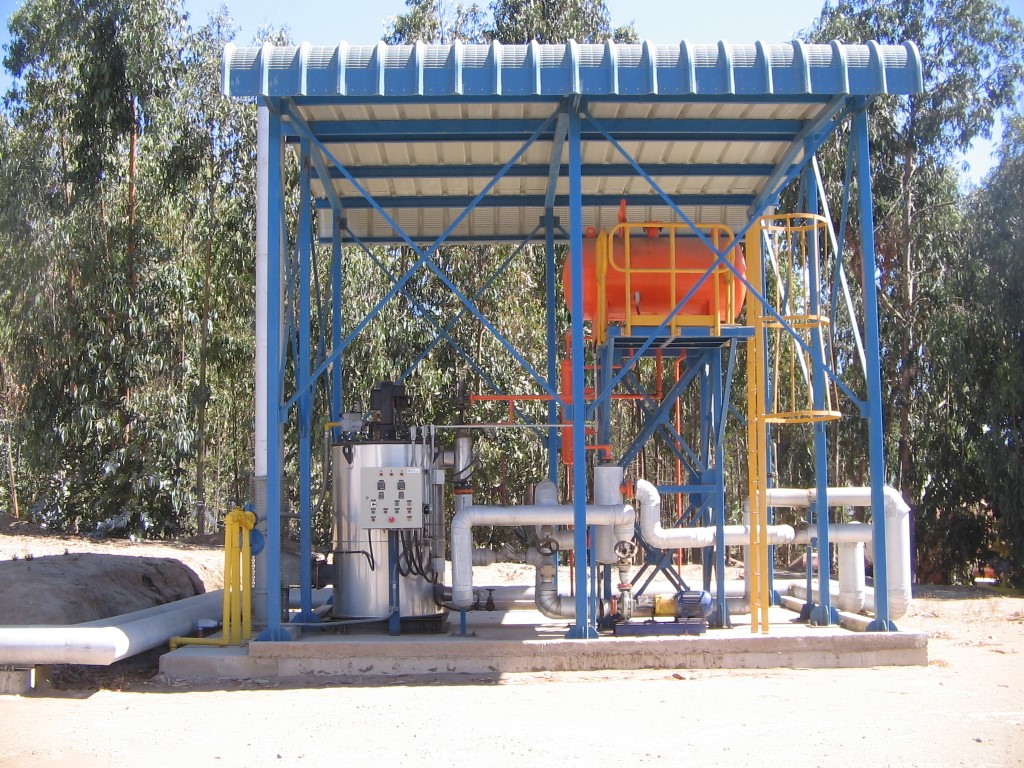
Basic engineering in the specialties of processes, mechanics, electricity, instruments and civil; and detailed engineering in the specialties of mechanics and piping, civil and structural, and electricity and control.
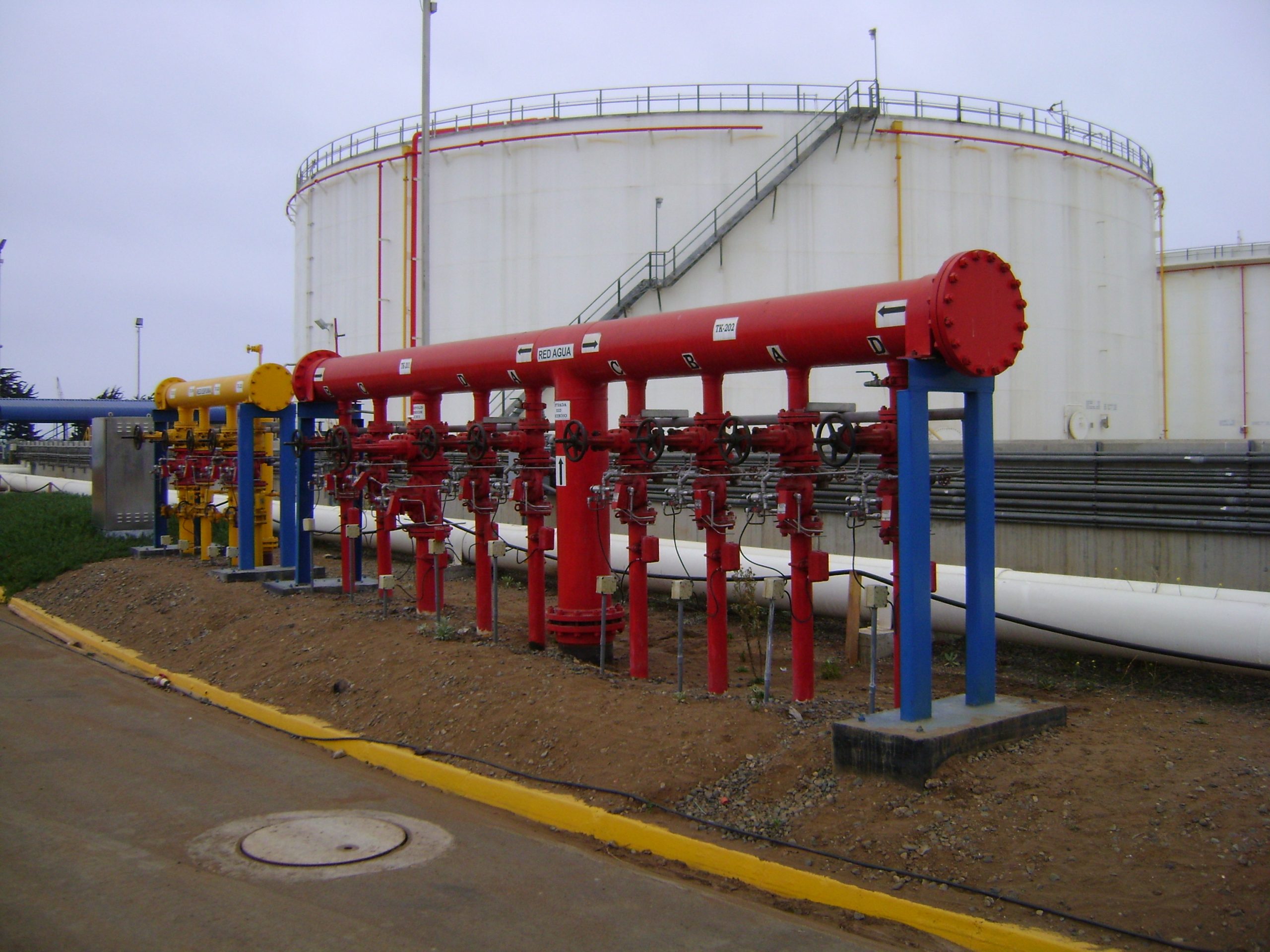
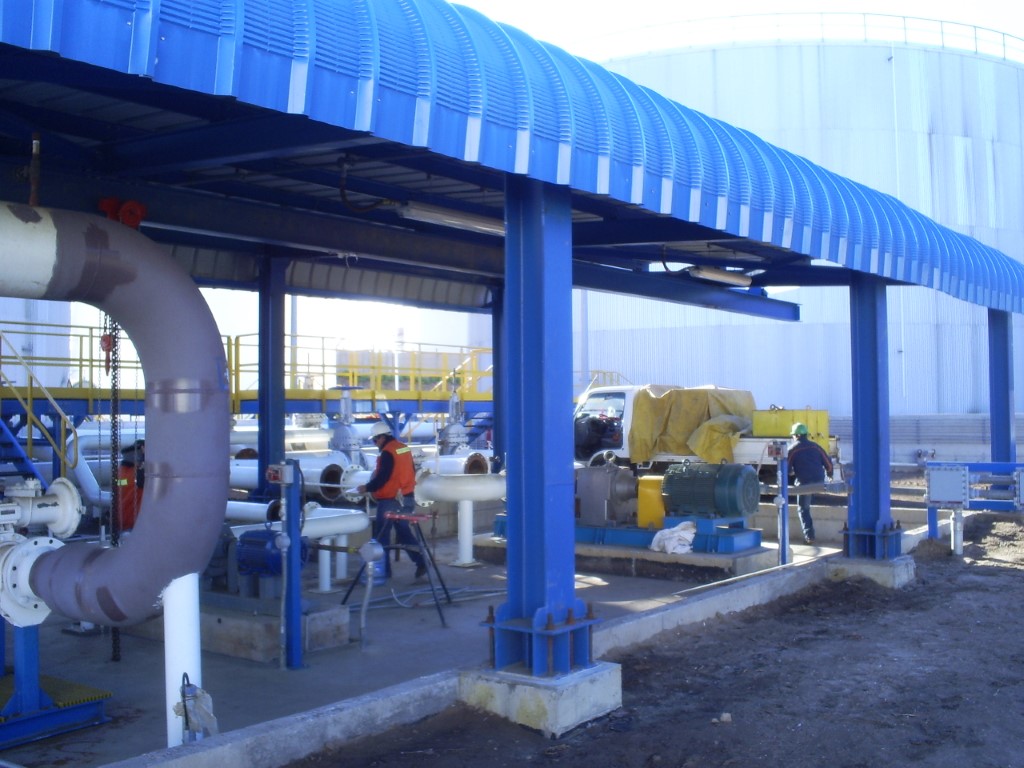
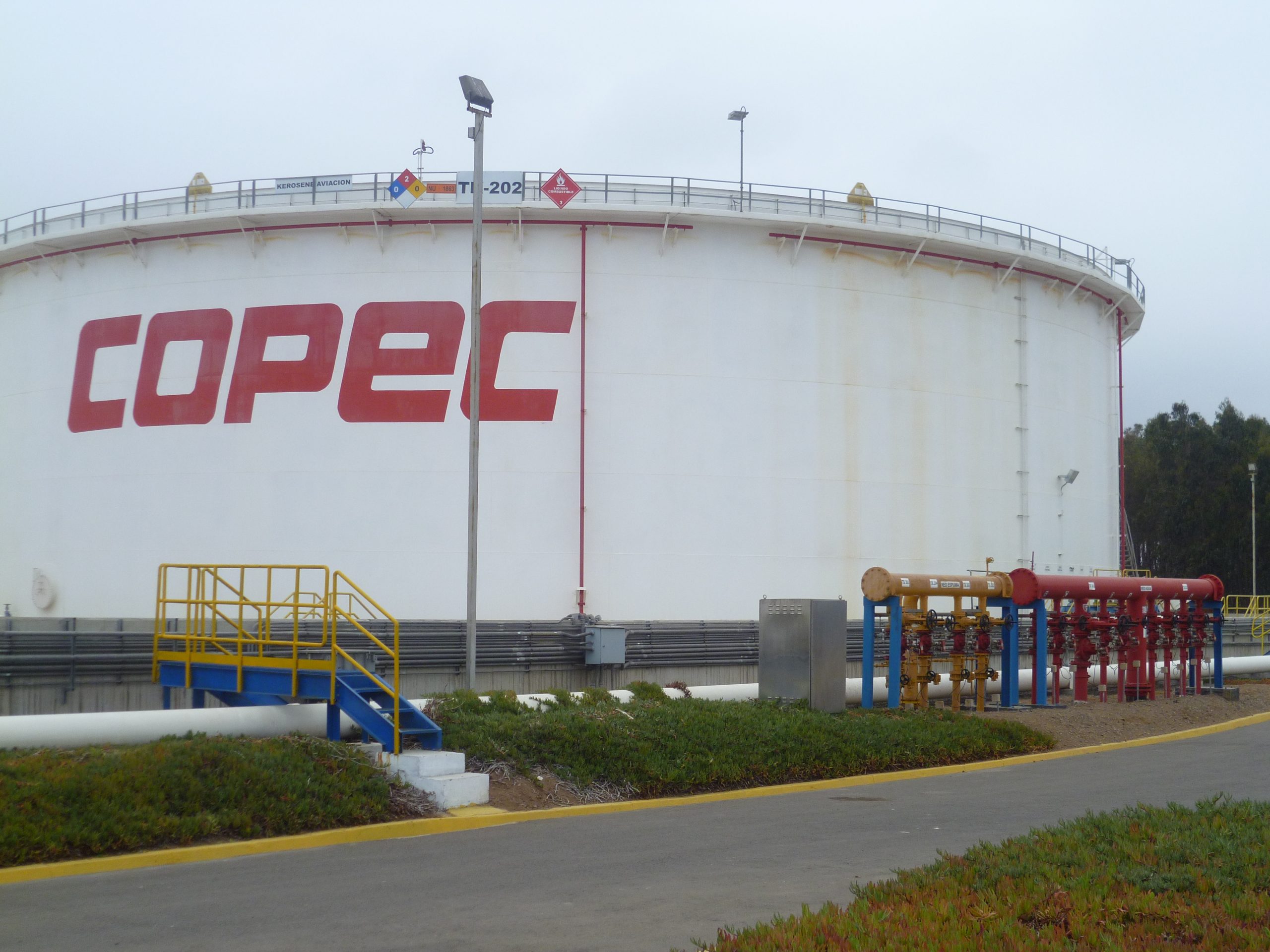
COPEC planned to build the Caracol plant for the treatment of used lubricating oils for the conversion of residual oils into fuel oil additives. This plant was built adjacent to the Imported Products Terminal and the Lubricants Plant.
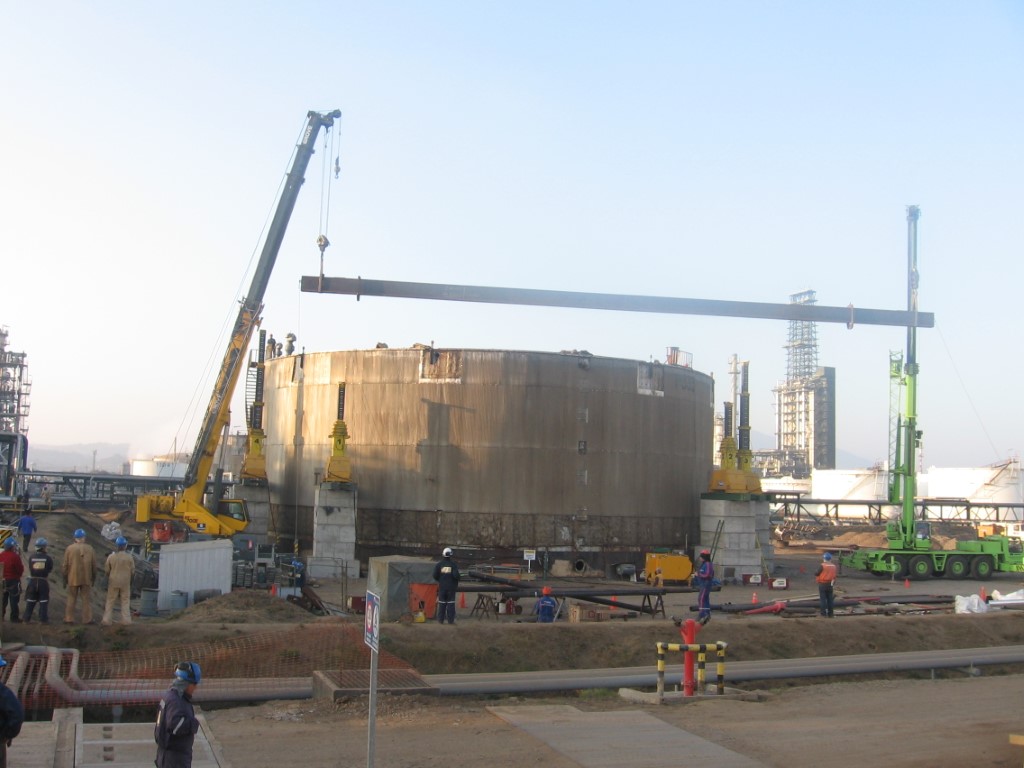
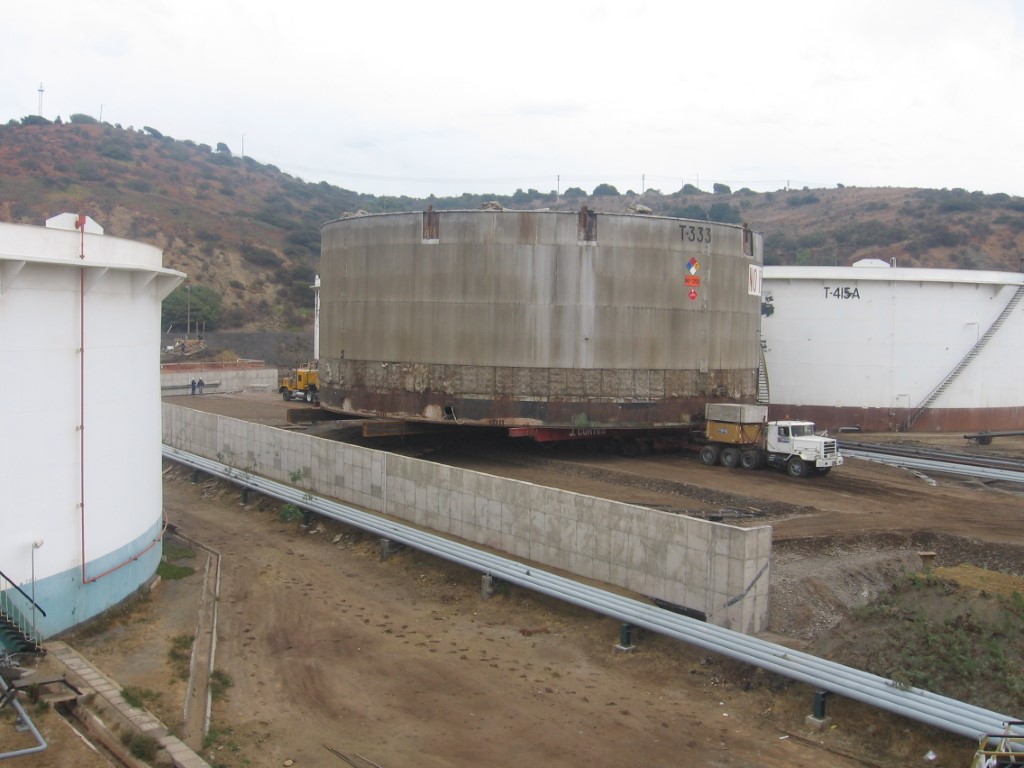
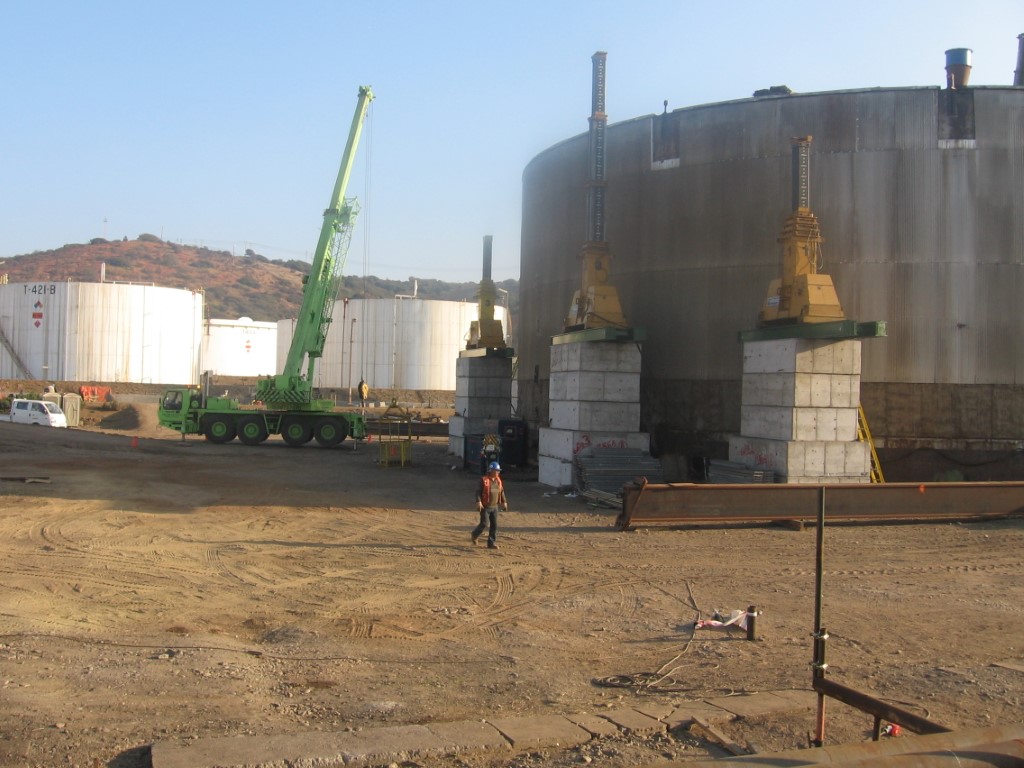
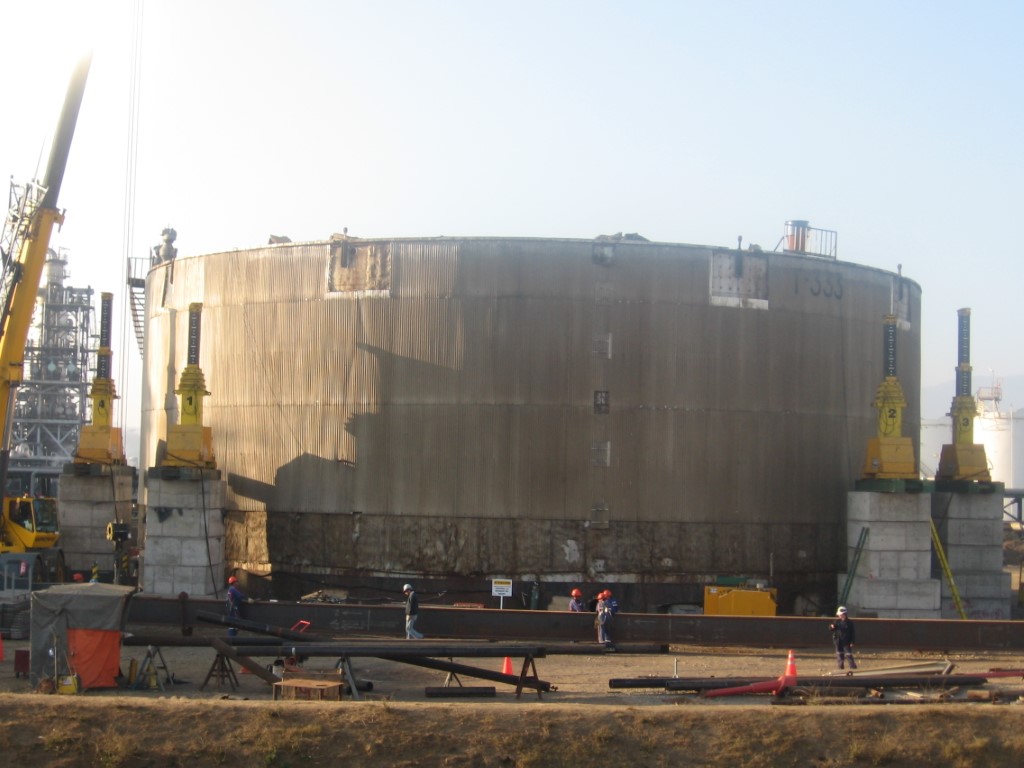
STRUCTURE FOR TRANSPORTING TANKS
STRUCTURE FOR TRANSPORTING TANKS
Industrial Sector
Oil & Gas
Client
Echeverría Izquierdo, Industrial Assemblies
ENAP
Location
Concón, Valparaíso Region
Date
2008
Service Area
Engineering
Solutions
Engineering design for the structure to support and raise the ponds, concrete supports, anchors, and upgrades to the internal roads.
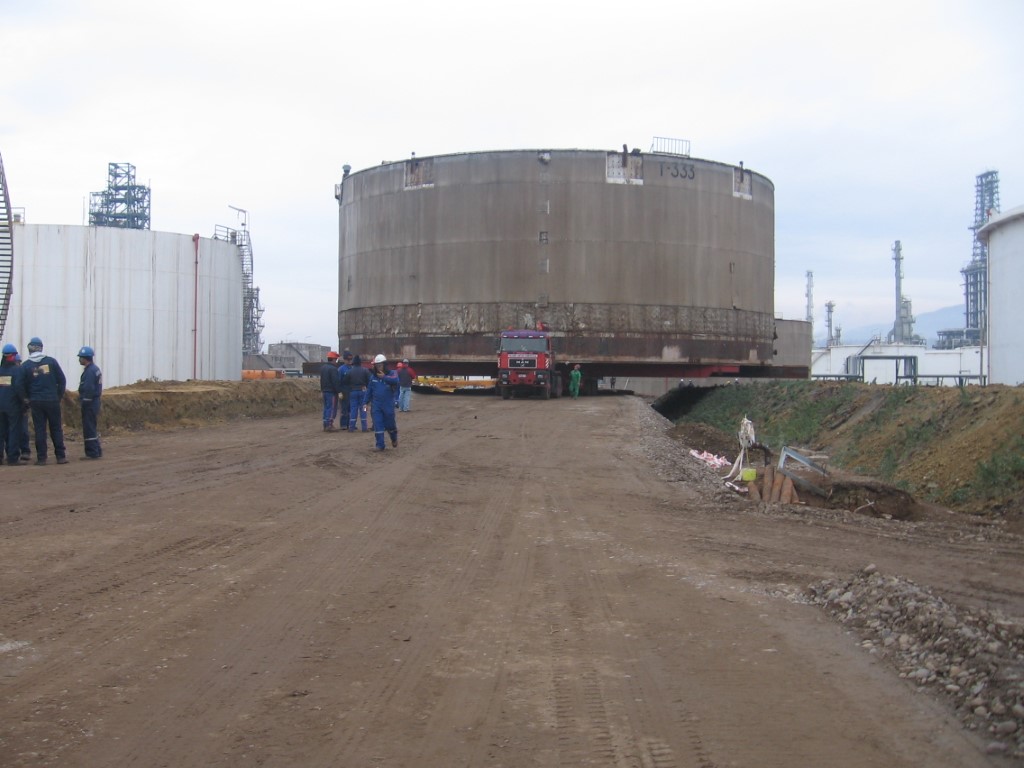
The project involved transfering four tanks from the designated area to the new alkylation unit at the Aconcagua Refinery.
The project included engineering designs for the overhead structure used to lift the tanks, the structure to support the tanks on the truck, the concrete supports for the hydraulic jacks, the lifting anchors on the tanks, verifying the behavior of the tanks during the lifting and transport operations, and proposing solutions for detaching the tanks from the foundation. In addition, the project included the adaptation and improvement of the internal roads for transport, as well as the management of overhead power lines.
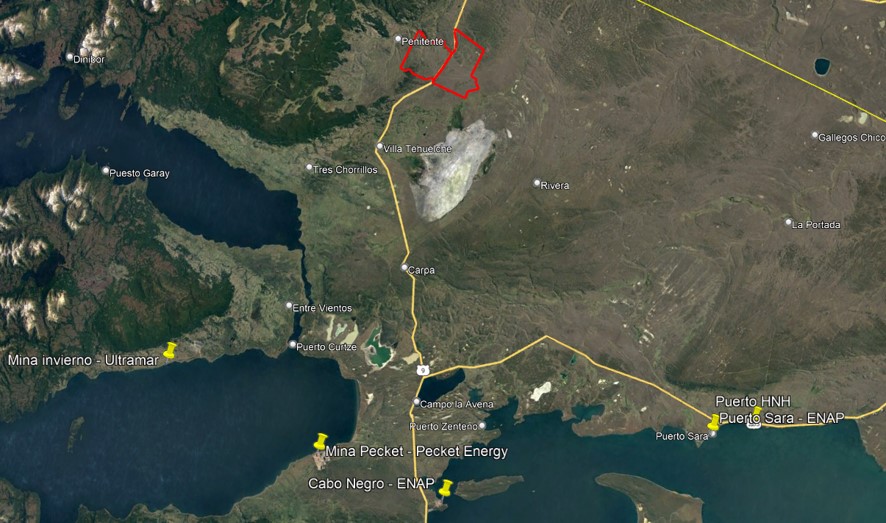
Study of transportation alternatives “Magallanes Winds”
Study of transportation alternatives “Magallanes Winds”
Industrial Sector
Energy
Client
RWE Renewables
Location
Laguna Blanca Commune, Punta Arenas
Date
2023
Service Area
Consulting
Solutions
Trade-off study
RWE Renewables Chile is developing the Vientos Magallánicos project, a plant that seeks to produce green hydrogen and ammonia through a wind farm, which would be located near Villa Tehuelches, Laguna Blanca, about 100 km northwest of Punta Arenas.
The wind farm would have an installed capacity of approximately 1 GW and estimates an annual production of 475,000 tons of green ammonia to be exported to international markets.
In this context, PA Engineering carried out a Trade-Off study on transportation alternatives to the different ports in the area, evaluating the possibility of transporting electricity, green hydrogen or ammonia. The analysis included the definition of transportation requirements, equipment, surface area in Laguna Blanca and in port, possible routes based on a regulatory analysis and identification of singularities and the estimation of CAPEX and OPEX.
GLASS BOTTLE FACTORY EXPANSION, RENGO PLANT
GLASS BOTTLE FACTORY EXPANSION, RENGO PLANT
Industrial Sector
Manufacturing
Client
Verallia
Location
Rengo, VI Region
Date
2018-2020
Service Area
EPCM contract
Solutions
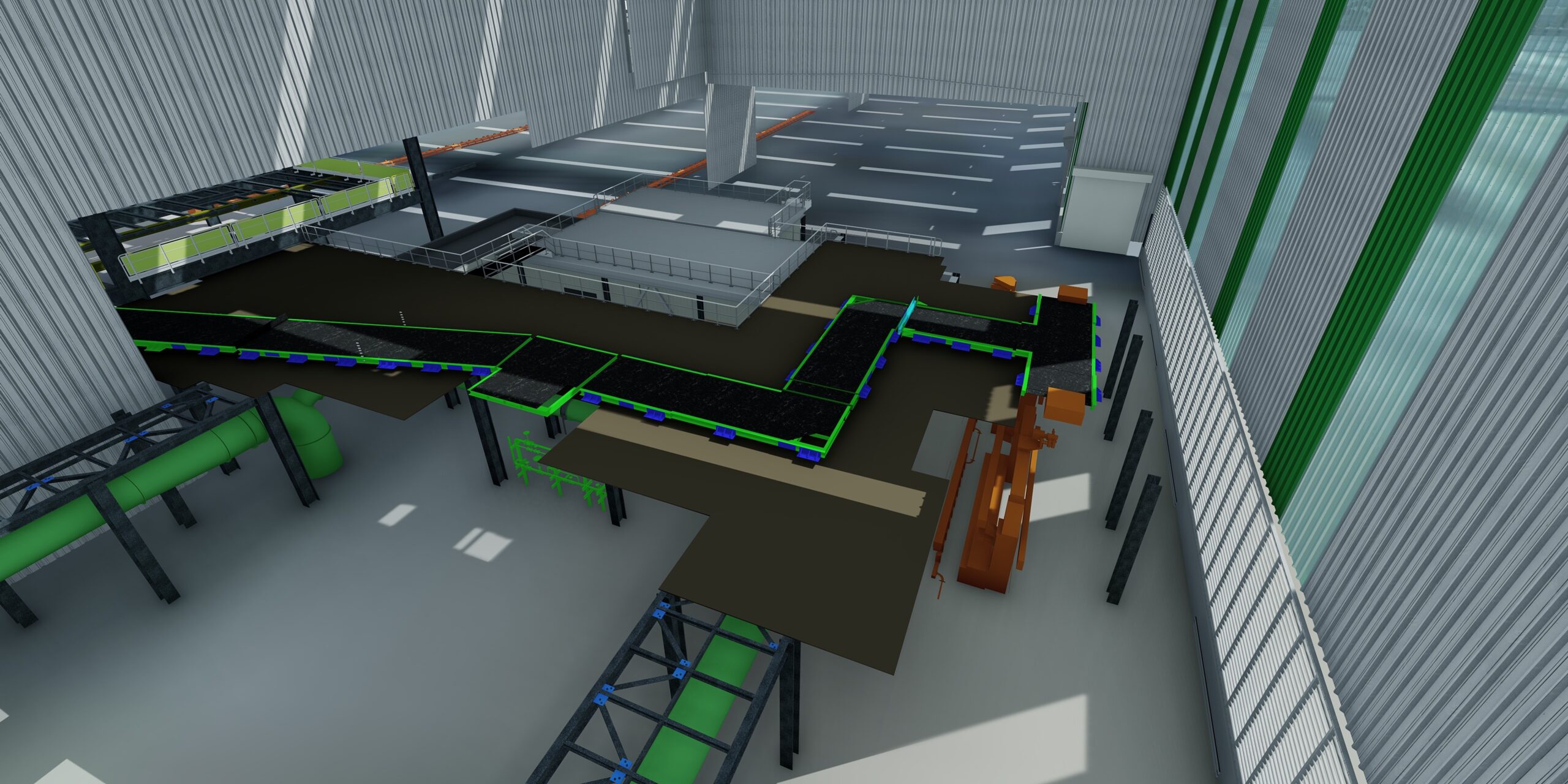
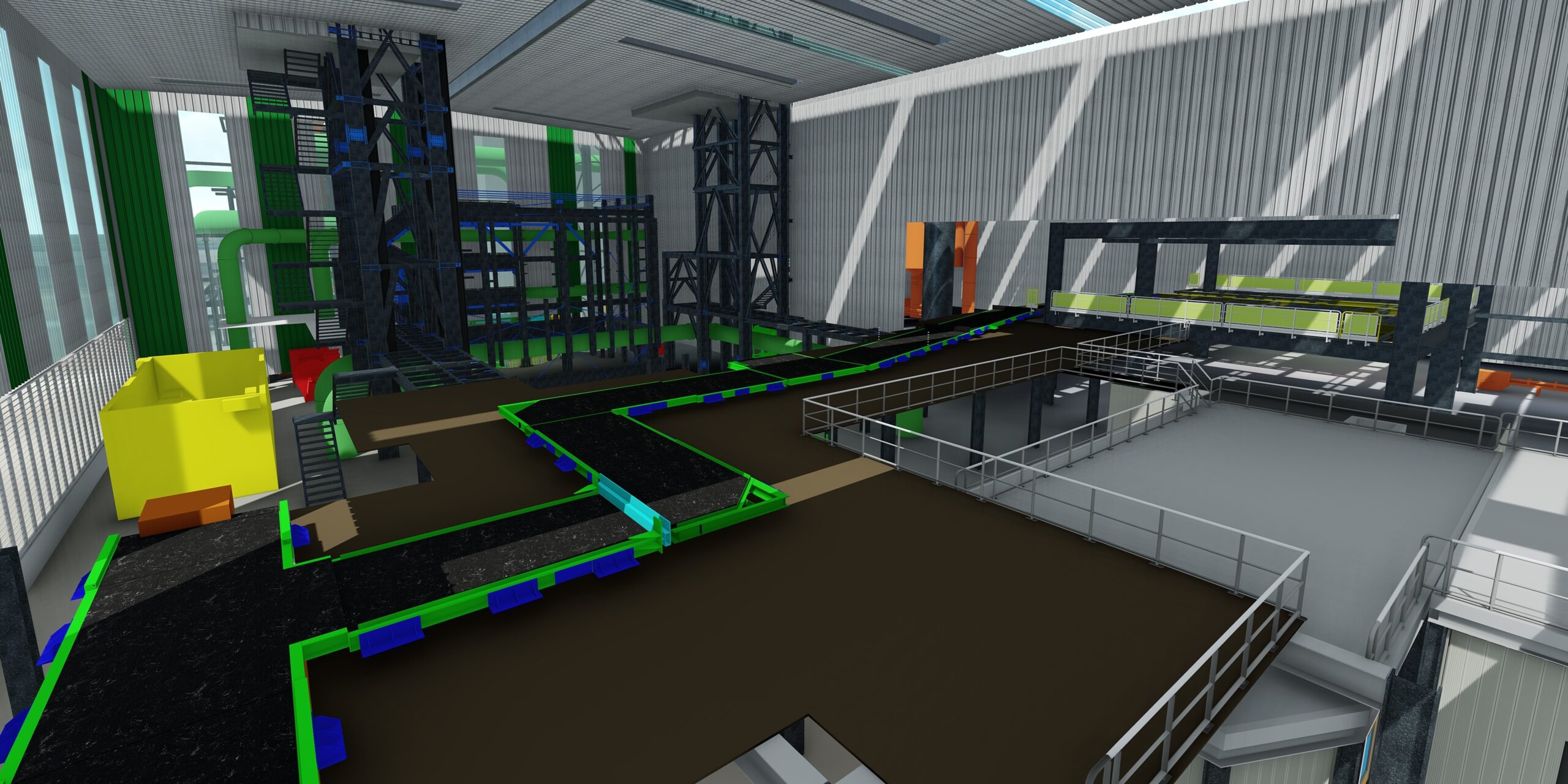
Basic engineering, Capex estimation, project scheduling, detailed engineering in mechanical, piping, civil, structural and electrical; architecture, BIM modelling, procurement management and project administration services.
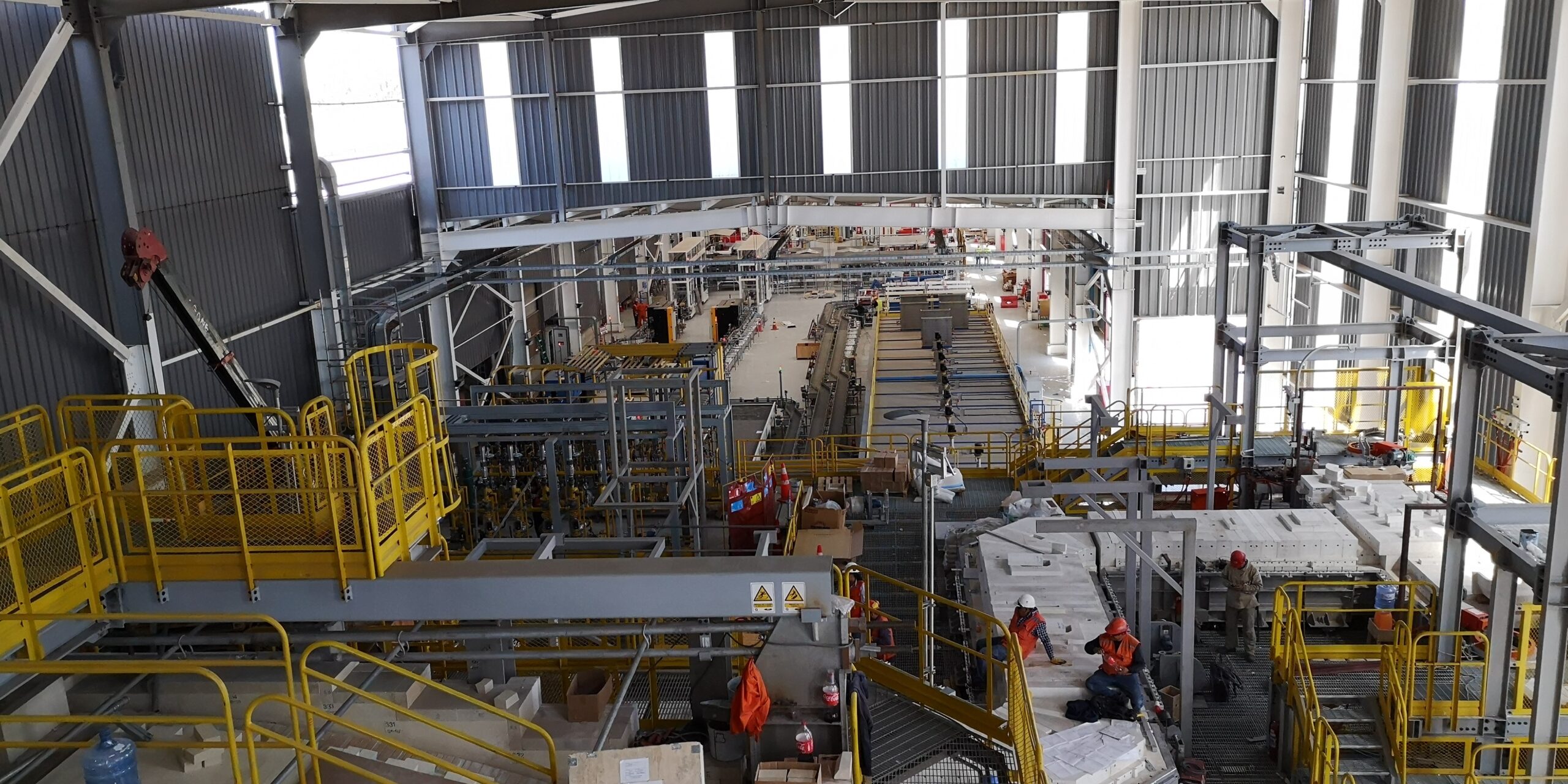
Verallia, considered a world leader in the glass packaging sectors for wines, spirits and food, produces more than 16,000 million containers each year for its more than 10,000 customers around the world. In Chile, the company produces glass bottles to serve mainly the wine industry, using the latest technology available in the manufacture of glass containers in its modern plant located in Rengo.
In order to maintain this leadership, Verallia decided to modernize its factory, which was enabled to produce 240 tons of molten glass per day through the operation of a melting furnace and 2 production lines with 120 tons/day of processing capacity each.
The constructed area of the factory was 4.7 ha, due to the fact that in recent years a Liquefied Natural Gas (LNG) tank was implemented that occupies an area of 525 m2, a treatment plant of “cullet” or calcín (glass from recycling) that occupies an area of approximately 591 m2.
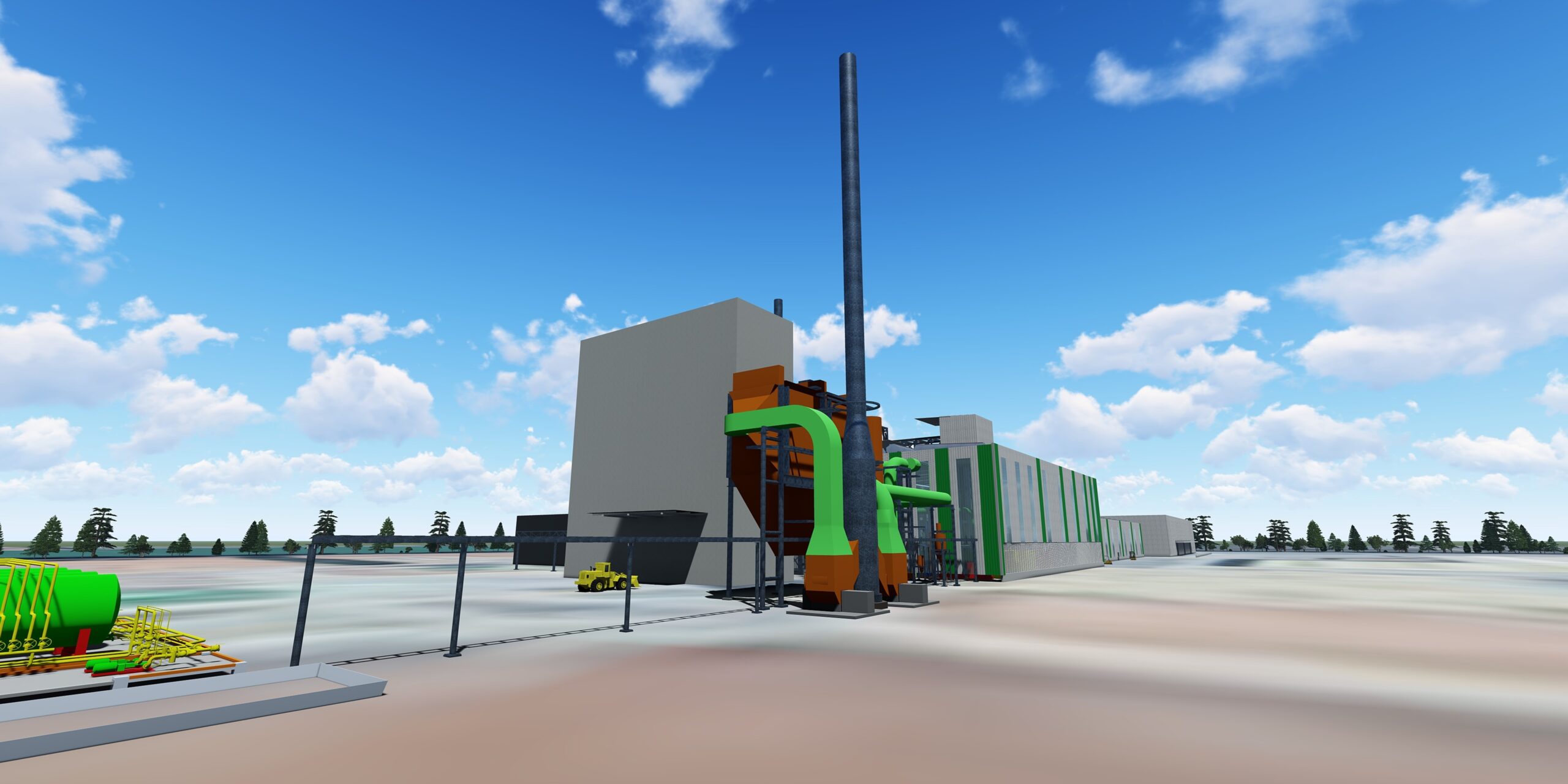
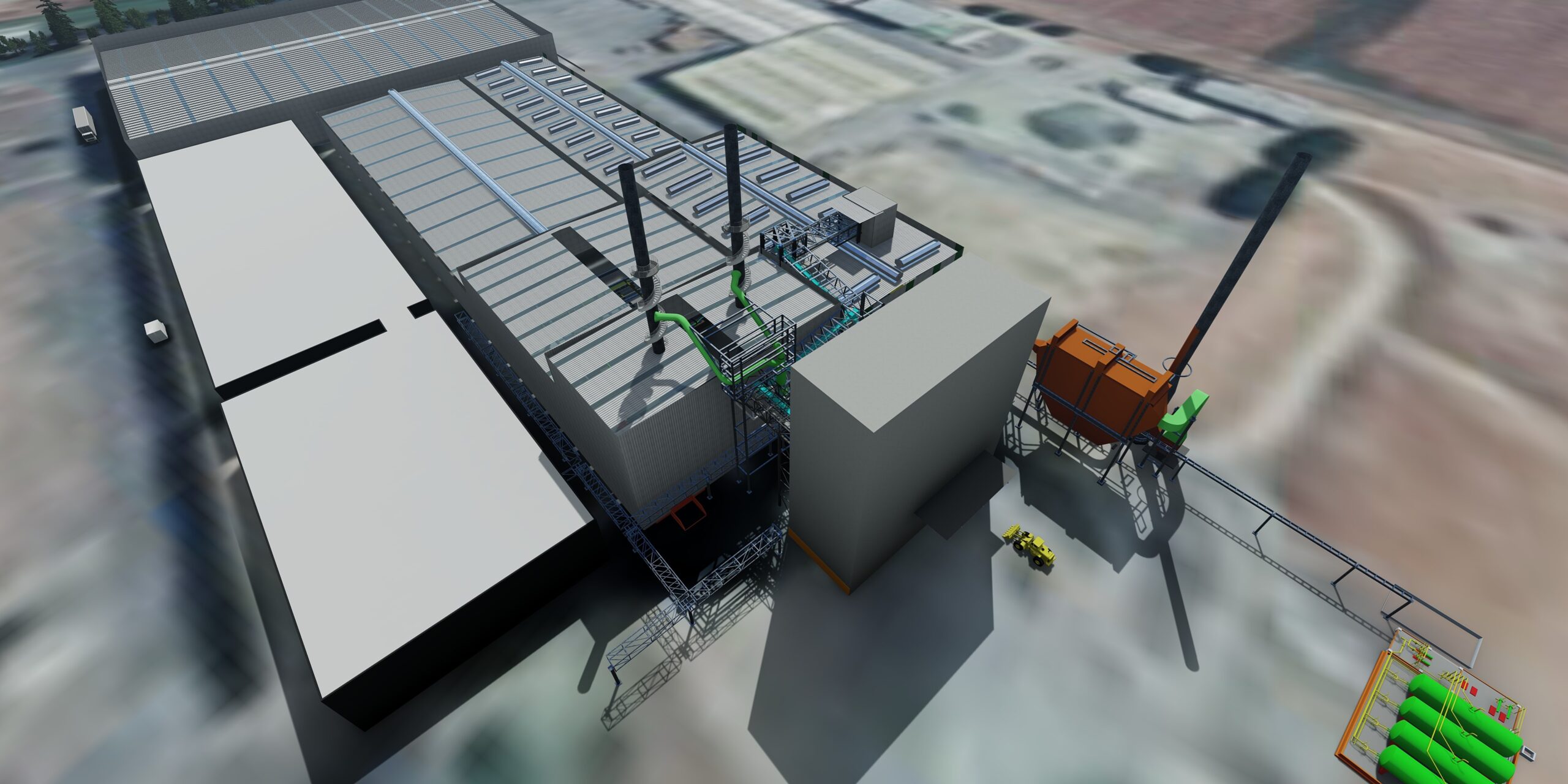
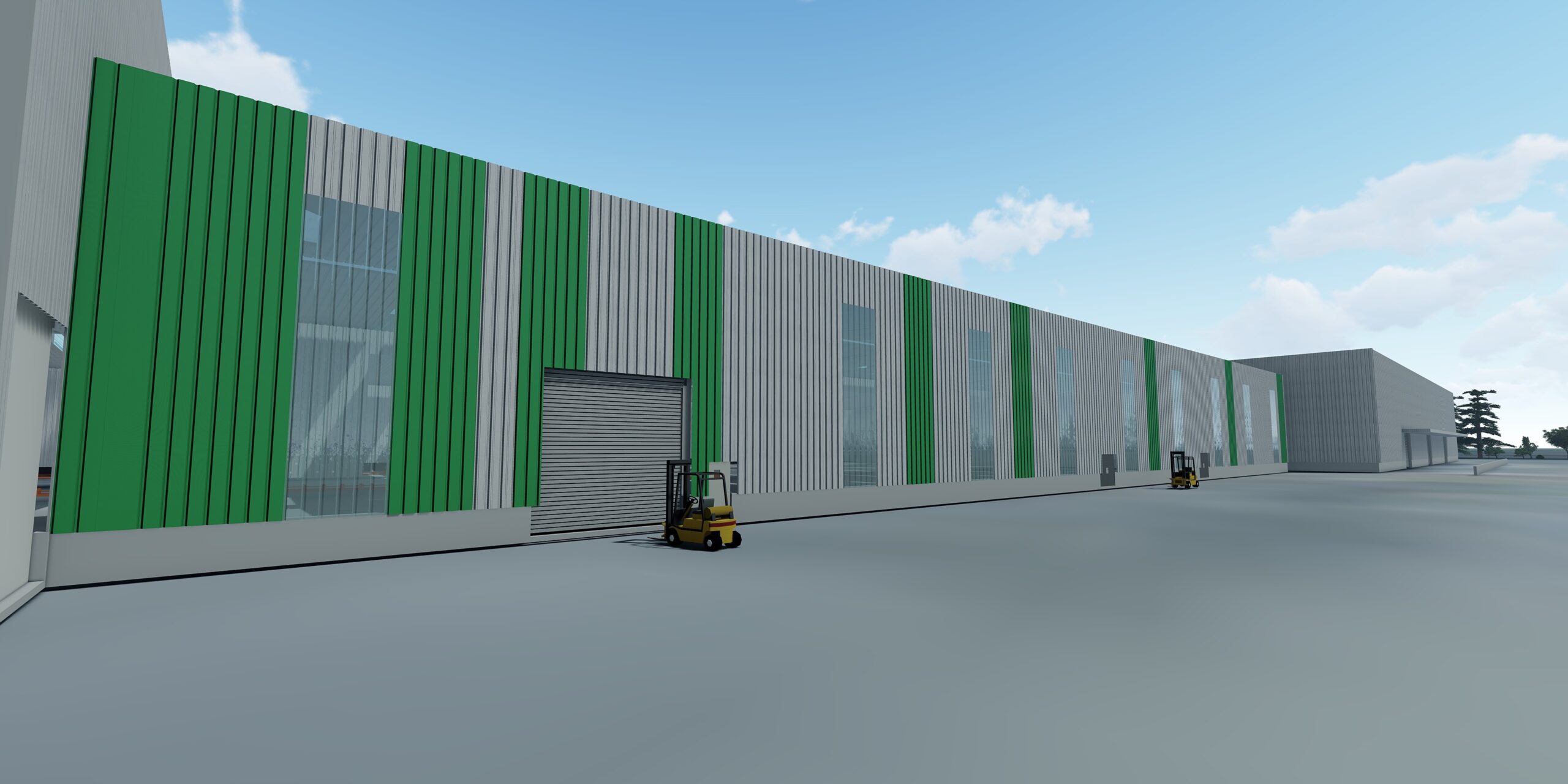
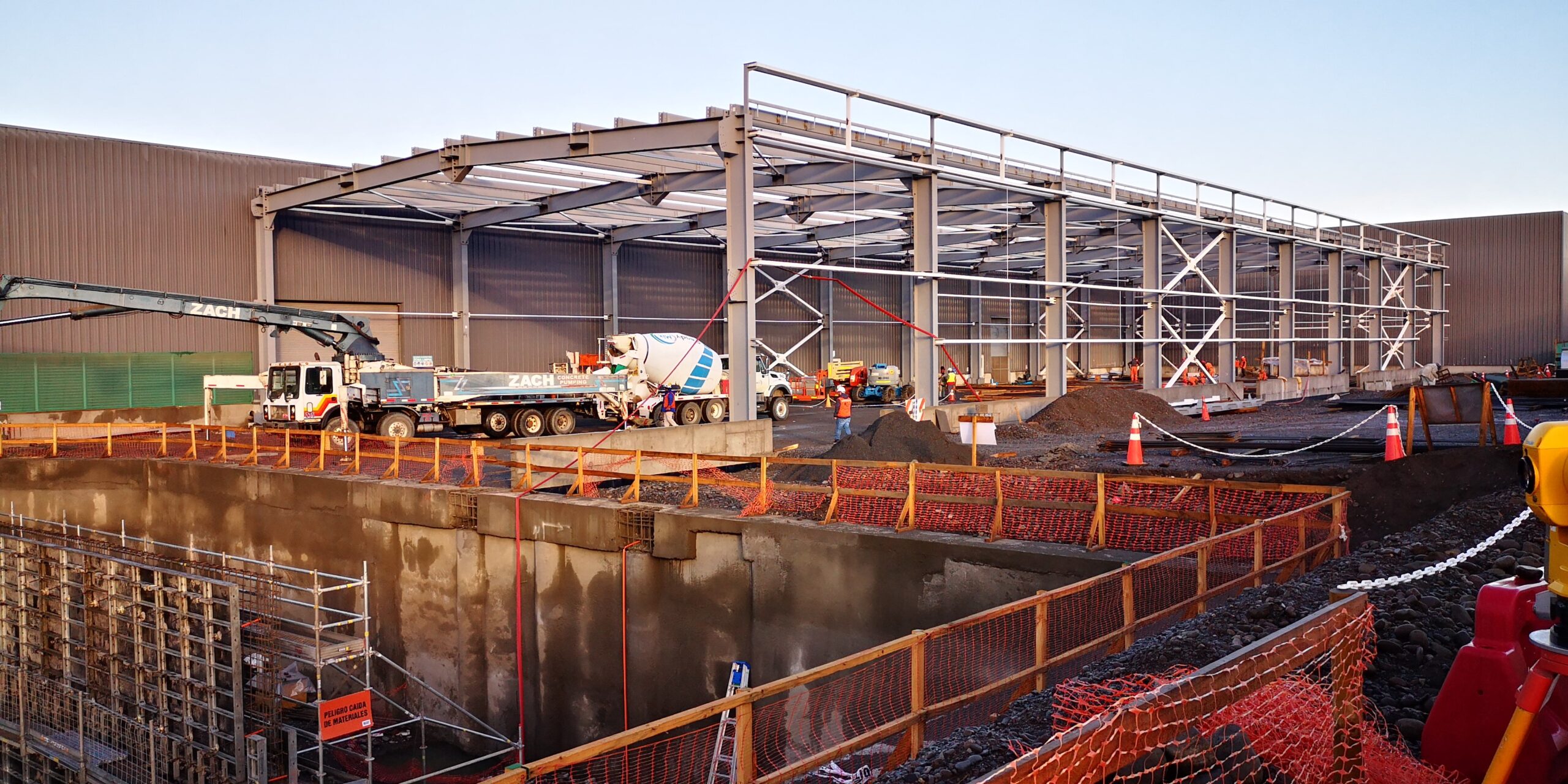
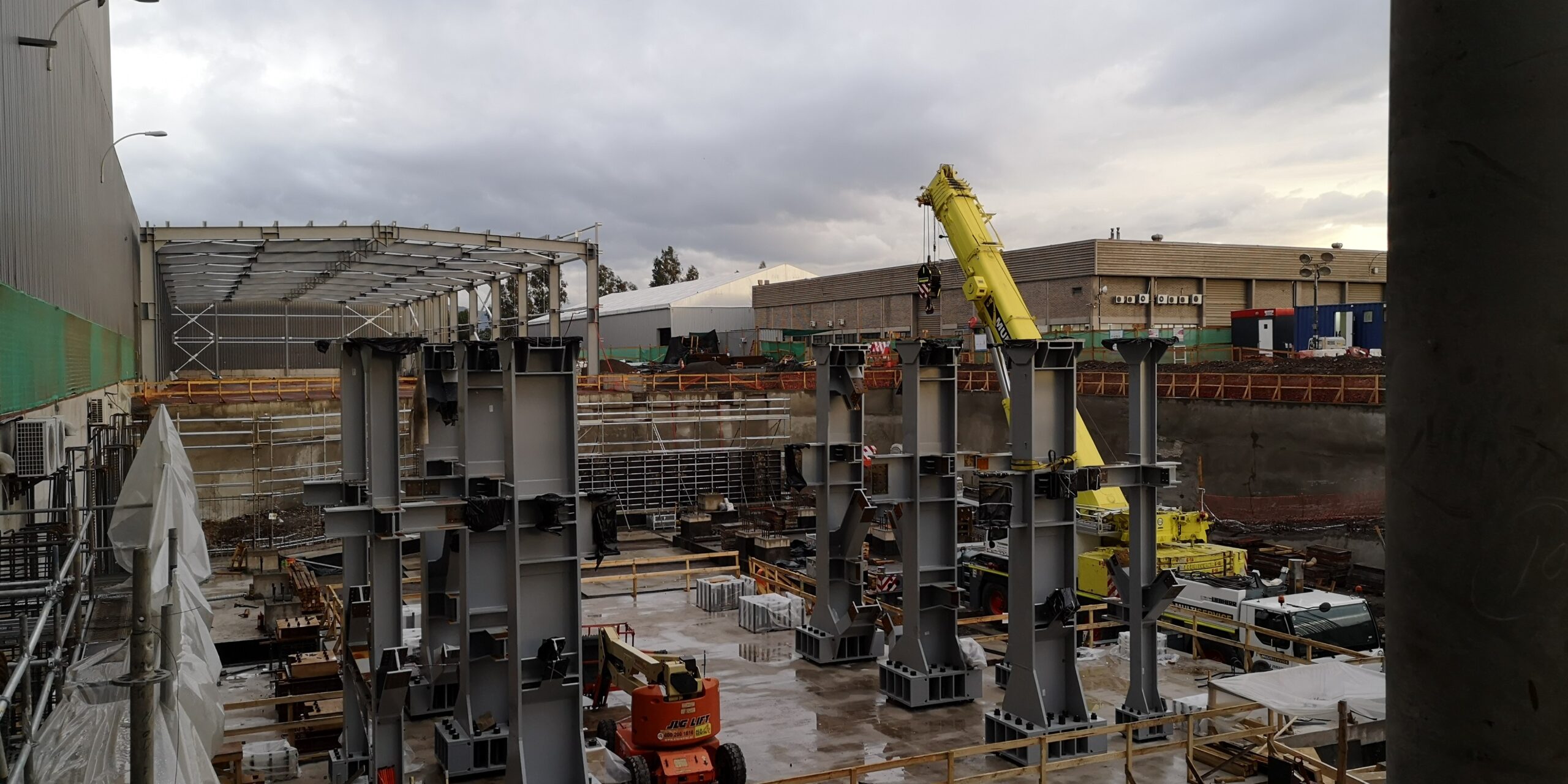
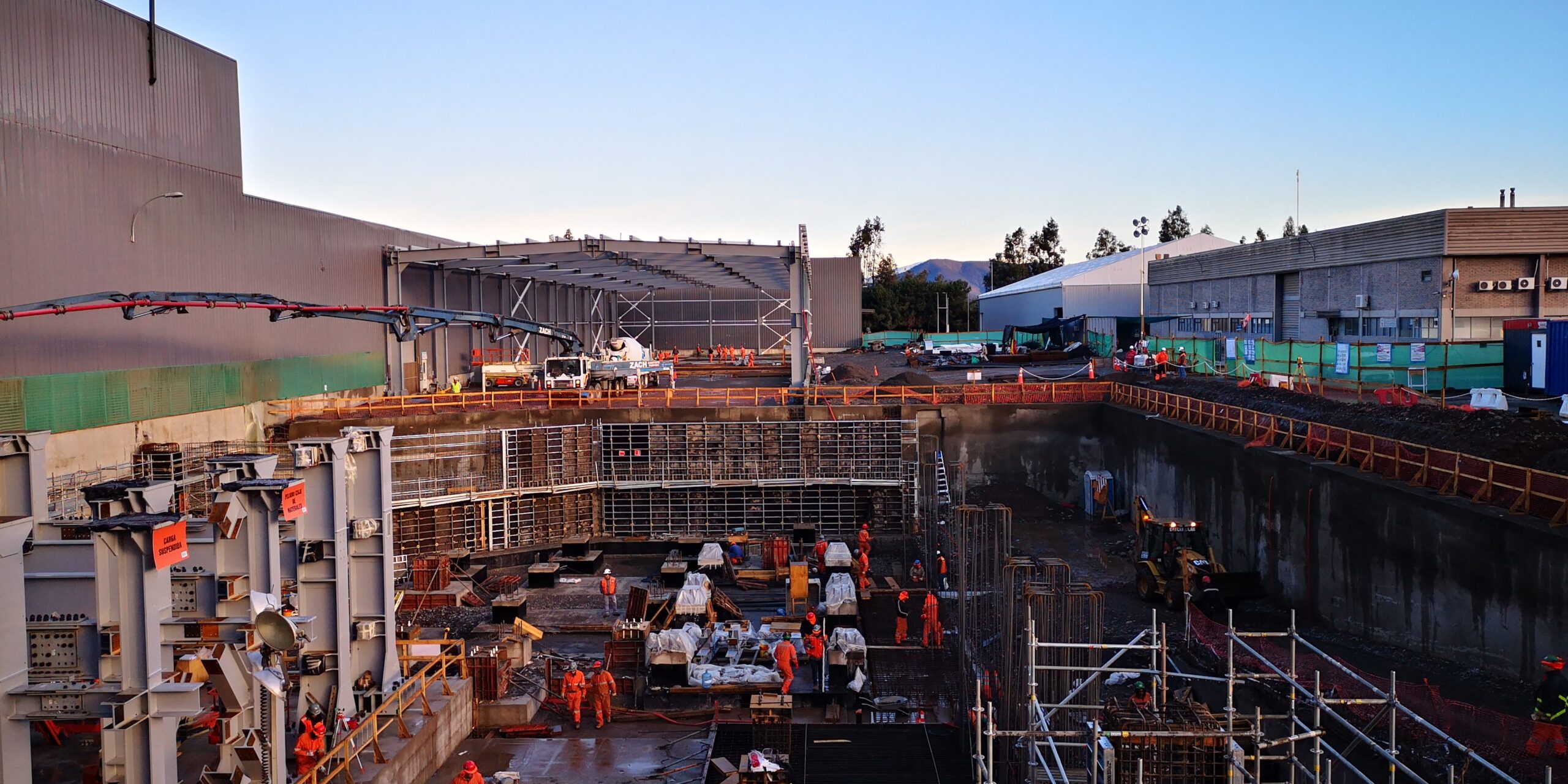
The project carried out by Pa Engineering contemplated increasing the production capacity of the factory to total 405 tons/day of molten glass, for which the replacement of the current furnace was considered, because it fulfilled its useful life, with a new one that allowed the integration of the largest amount of molten glass, and the incorporation of a new production line of 165 tons/day.
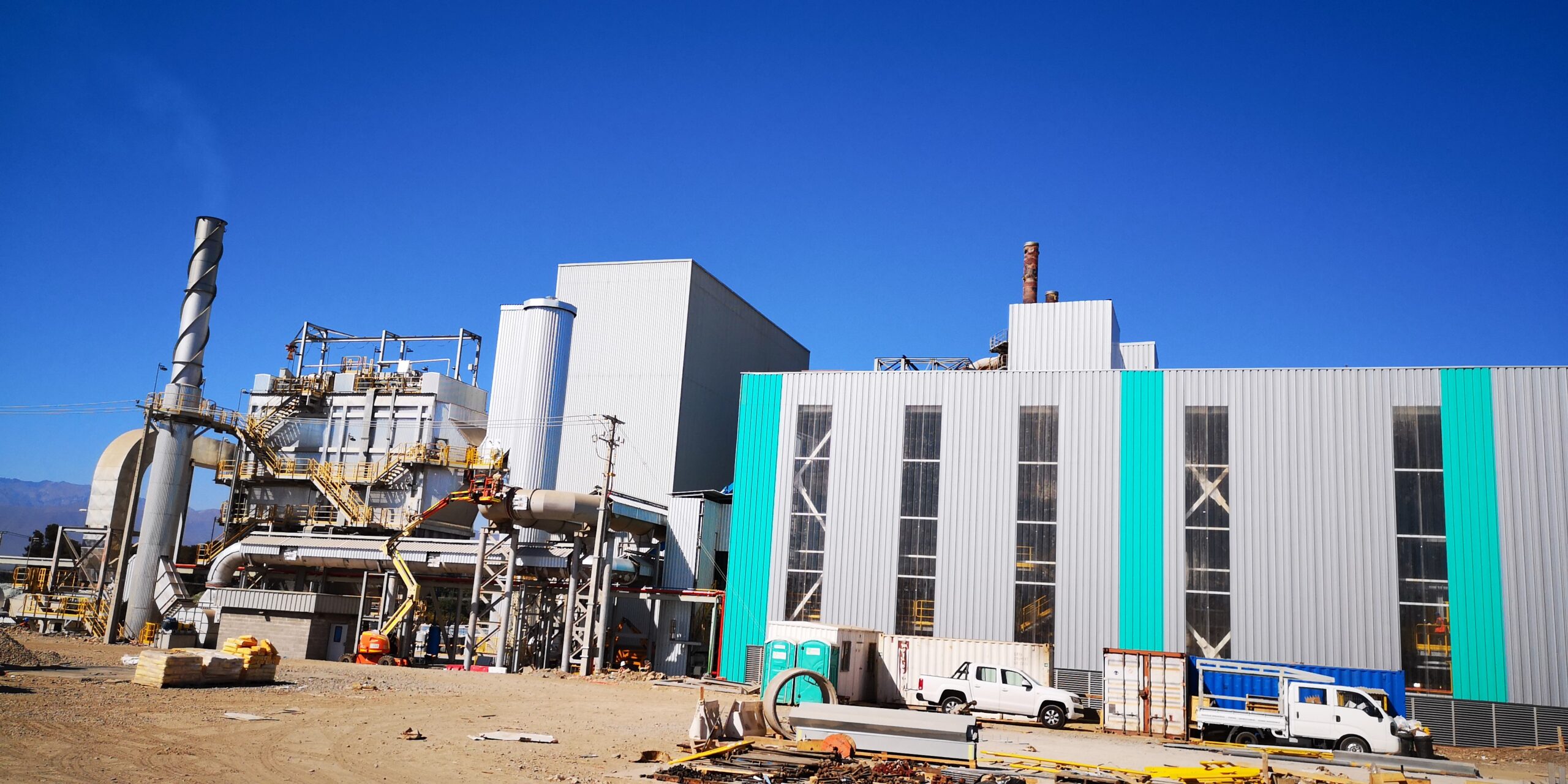
To carry out this work, the building where the production is carried out was expanded, which also houses the new melting furnace and the new production line, plus an electrical room to supply the energy demand of the new facilities.
In addition, in the EPCM development, due to the increase in processing capacity at the factory, the expansion and modification of some of the existing facilities was contemplated, such as the finished product warehouse, truck loading yard, cullet tanks, process water plant, LNG storage area and parking lots.
An important point to note is that while the project was being developed, the production process never stopped, consequently, once the new furnace was implemented, the operation of the old furnace was deactivated. Achieving the above requires great planning and coordination of the entire team of specialists from the conception of the project to carry out the designs and define the construction sequence without altering the normal operation of the plant or risking the safety of the workers.
The project carried out by PA Engineering contemplated increasing the production capacity of the factory to total 405 tons/day of molten glass, for which the replacement of the current furnace was considered, because it fulfilled its useful life, with a new one that allowed the integration of the largest amount of molten glass, and the incorporation of a new production line of 165 tons/day.
To carry out this work, the building where the production is carried out was expanded, which also houses the new melting furnace and the new production line, plus an electrical room to supply the energy demand of the new facilities.
In addition, in the EPCM development, due to the increase in processing capacity at the factory, the expansion and modification of some of the existing facilities was contemplated, such as the finished product warehouse, truck loading yard, cullet tanks, process water plant, LNG storage area and parking lots. An important point to note is that while the project was being developed, the production process never stopped, consequently, once the new furnace was implemented, the operation of the old furnace was deactivated. Achieving the above requires great planning and coordination of the entire team of specialists from the conception of the project to carry out the designs and define the construction sequence without altering the normal operation of the plant or risking the safety of the workers.

NEW REFRIGERATED CONTAINER MANUFACTURING PLANT
NEW REFRIGERATED CONTAINER MANUFACTURING PLANT
Industrial Sector
Manufacturing
Client
Maersk
Location
San Antonio, Valparaíso Region
Date
2012-2013
Service Area
EPCM Solutions
Solutions
Environmental Impact Statement, basic and detailed engineering, procurement management of equipment and materials, construction administration and technical inspection of works.
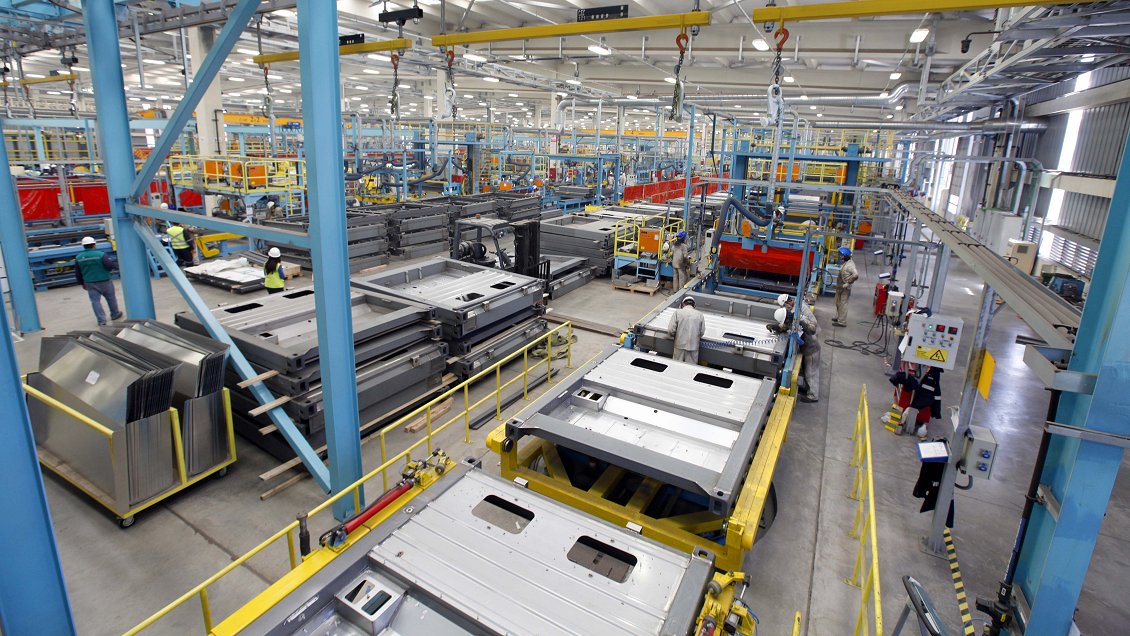
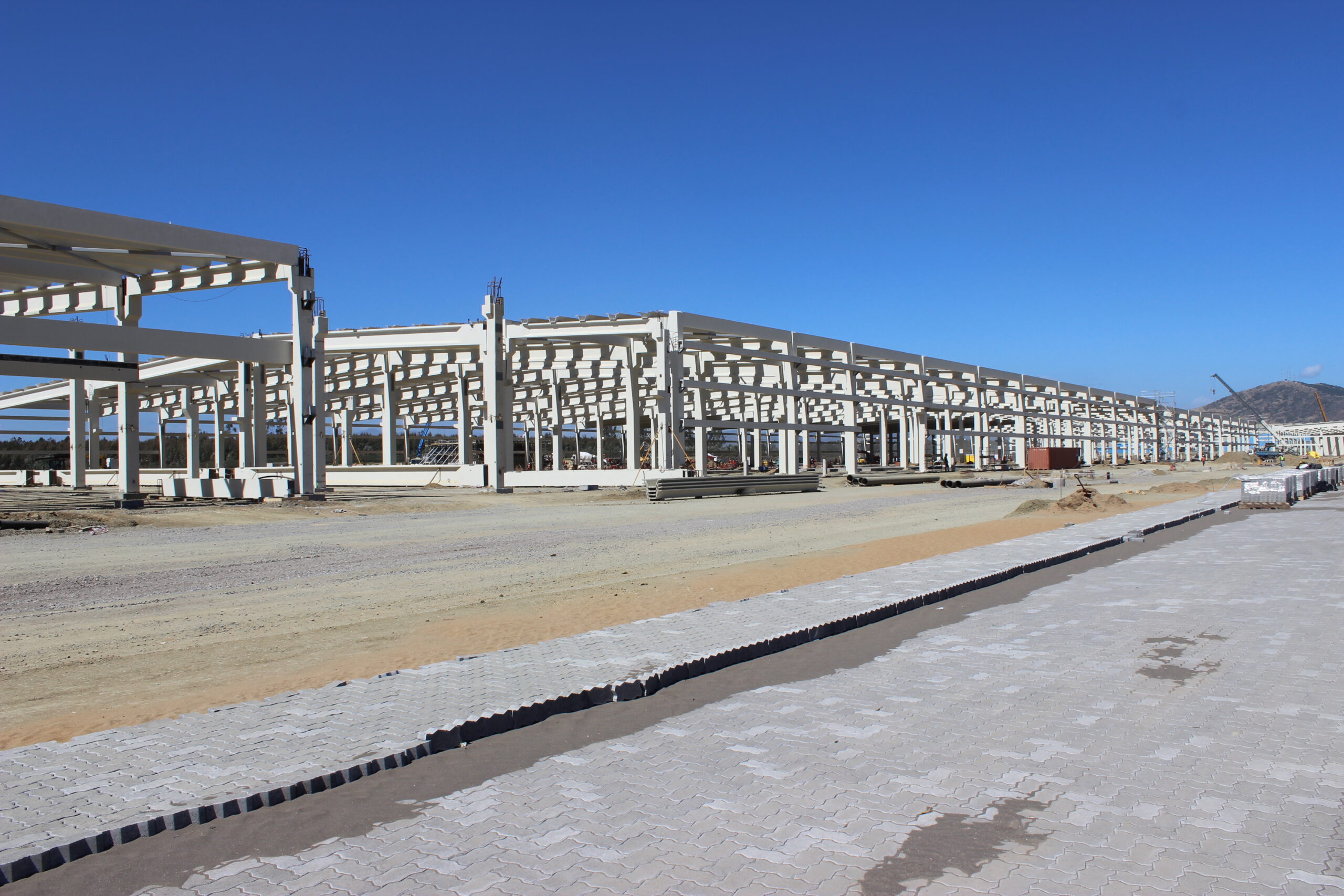
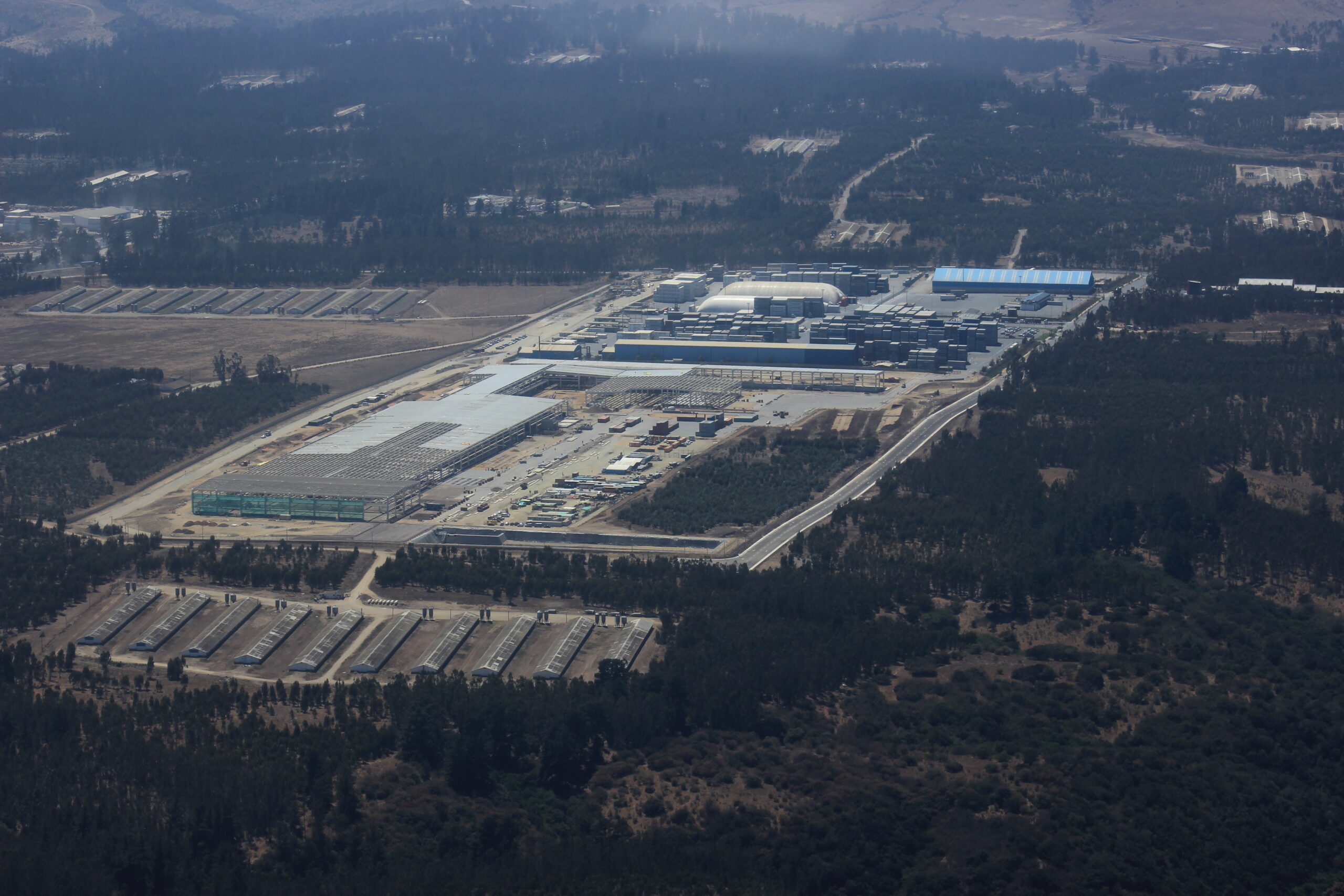
The project for Maersk Container Industry was executed under the EPCM modality and consisted of the construction of a refrigerated container factory. The construction of the plant was approximately 70,000 m2 and was located on a 330,000 m2 site, producing 40,000 containers per year.

Llay Llay Plant Expansion
Llay Llay Plant Expansion
Industrial Sector
Manufacturing
Client
Cristalería Chile
Location
Llay Llay, province of San Felipe, Valparaíso region.
Date
2010-2012
Service Area
Procurement & Construction Management
Solutions
General management and control of the project, review of the engineering details, procurement management of the equipment and materials, administration of the construction and inspection of works.
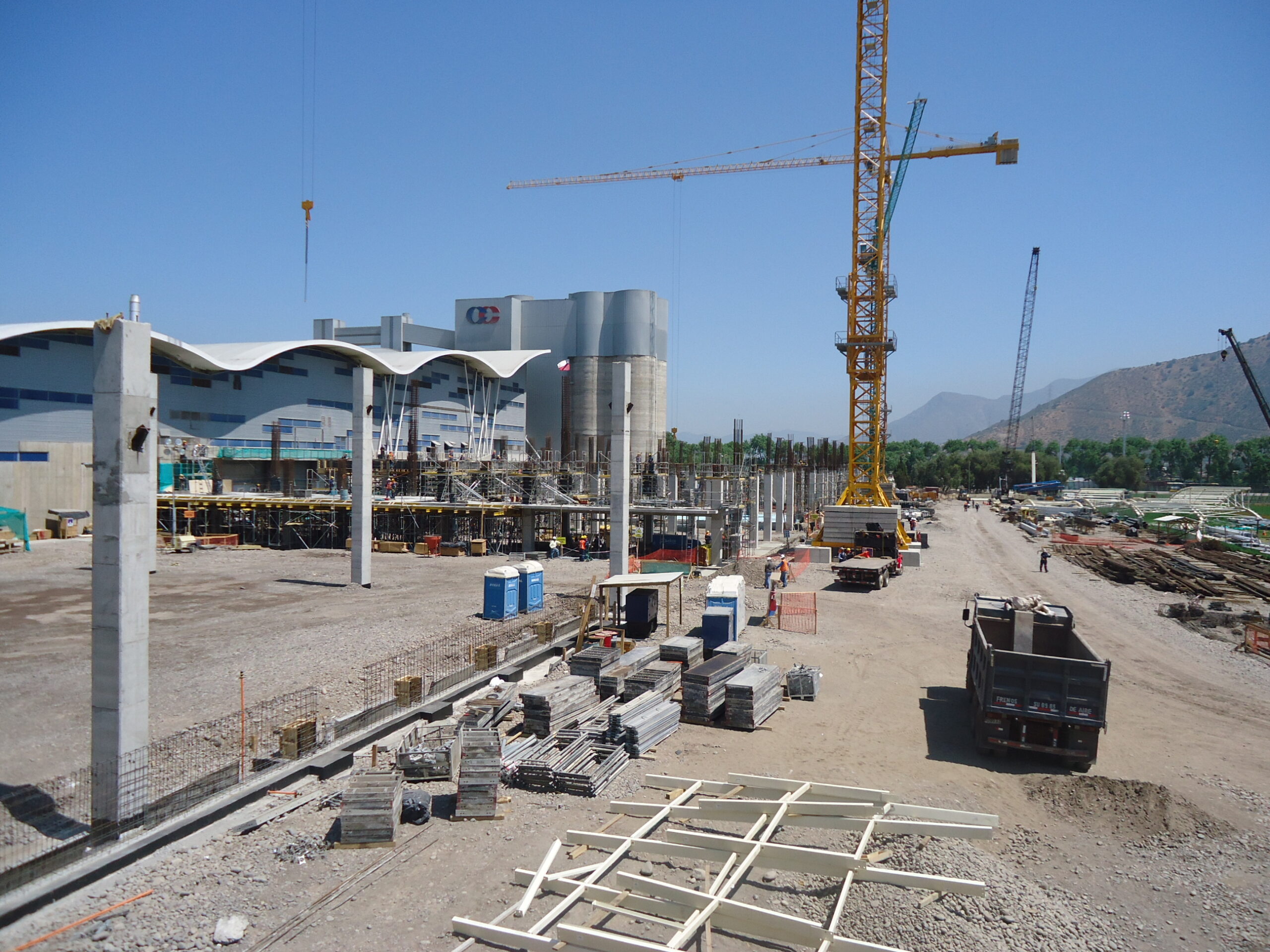
The project, which was developed under a PCM (Procurement & Construction Management) modality, consisted of the expansion of the glass container production plant and considered the installation of a new furnace and three packaging production lines. To this end, the existing industrial warehouse was expanded by 14,000 m2. In addition, the auxiliary systems associated with the main process (natural gas, diesel, fuel oil No. 5, LPG, air, plant water, drinking water, soft water, cooling water, treated water, firefighting water, firefighting foam and oily water) were expanded.


Expansion of berthing sites at the San Vicente Terminal
Expansion of berthing sites at the San Vicente Terminal
Industrial Sector
Infrastructure
Client
San Vicente Terminal Internacional S.A.
Location
Talcahuano, Bío Bío Region
Date
2011-2016
Service Area
Environmental, Consulting & Engineering.
Solutions
Environmental permits, conceptual studies, basic and detailed engineering in civil, structural, electrical, mechanical, technical assistance in tenders and works.
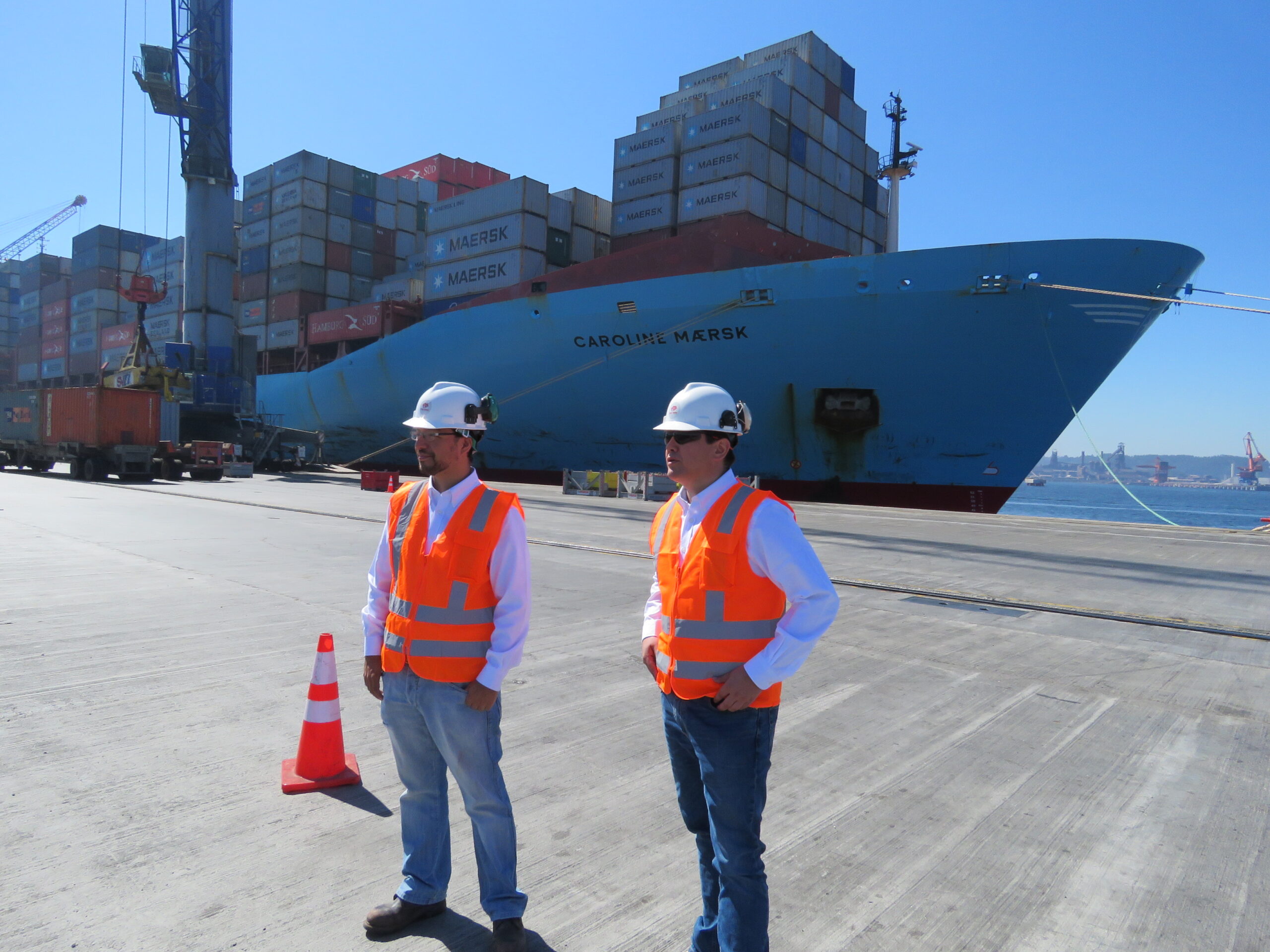
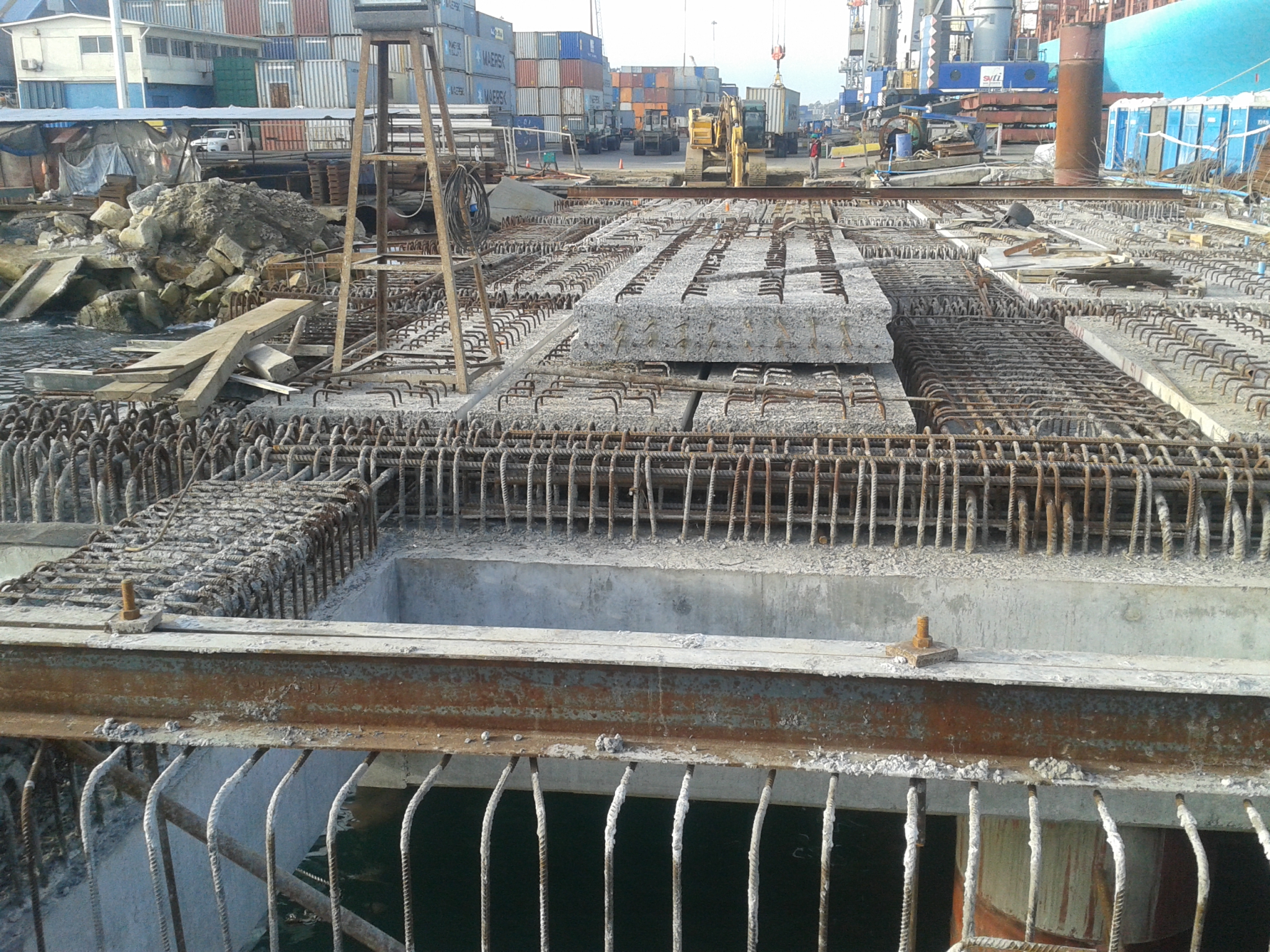
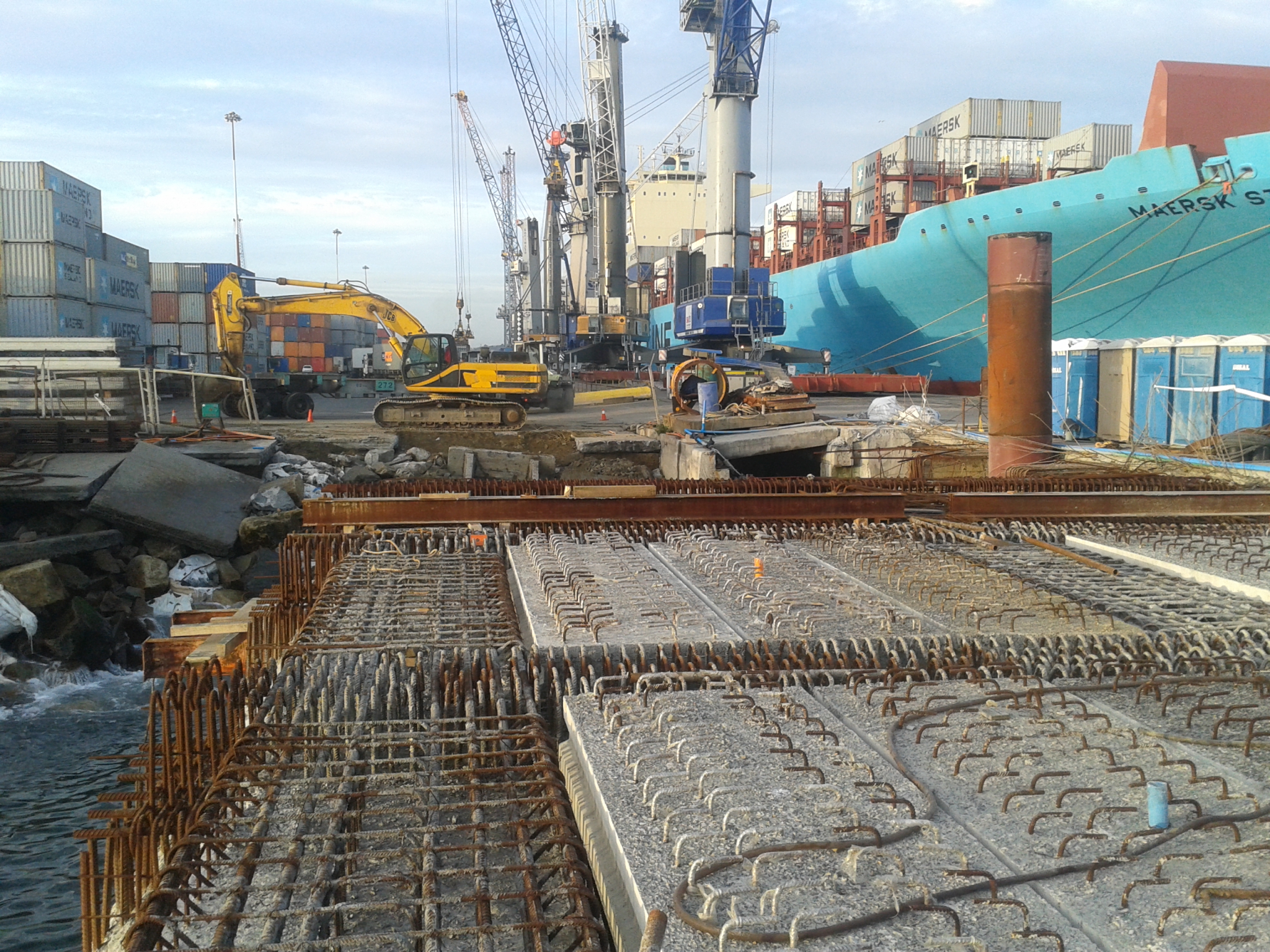
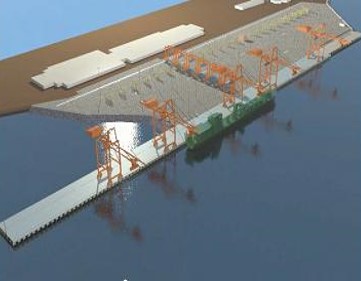
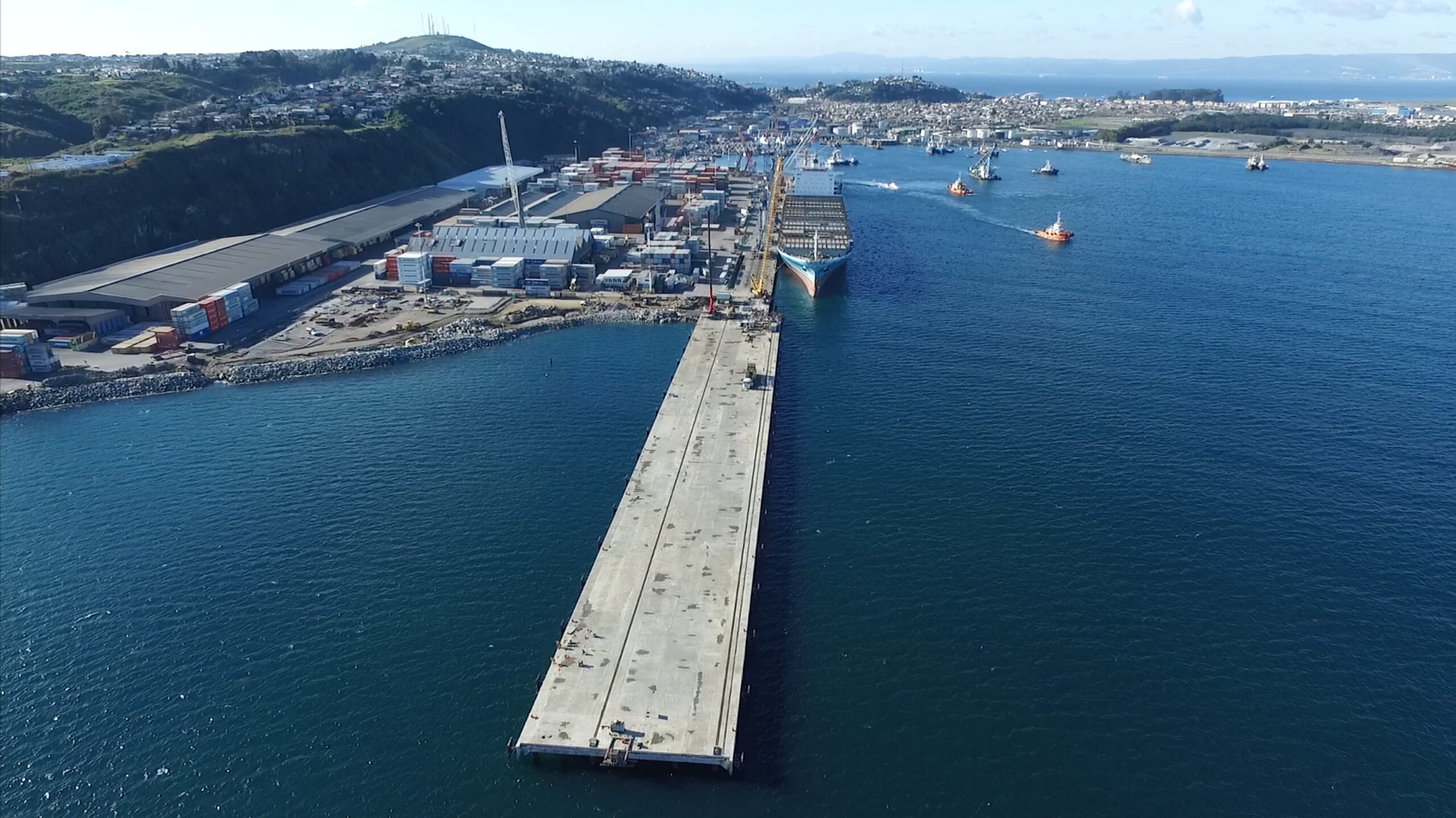
After the earthquake of February 27, 2010, SVTI required a survey of the damage caused by the earthquake. PA Engineering developed the studies and basic engineering to address these improvements. Then it executed the detailed engineering for the new berthing site No. 4, which was planned to be built next to site No. 3, a development framed in the general repair project of the Port.
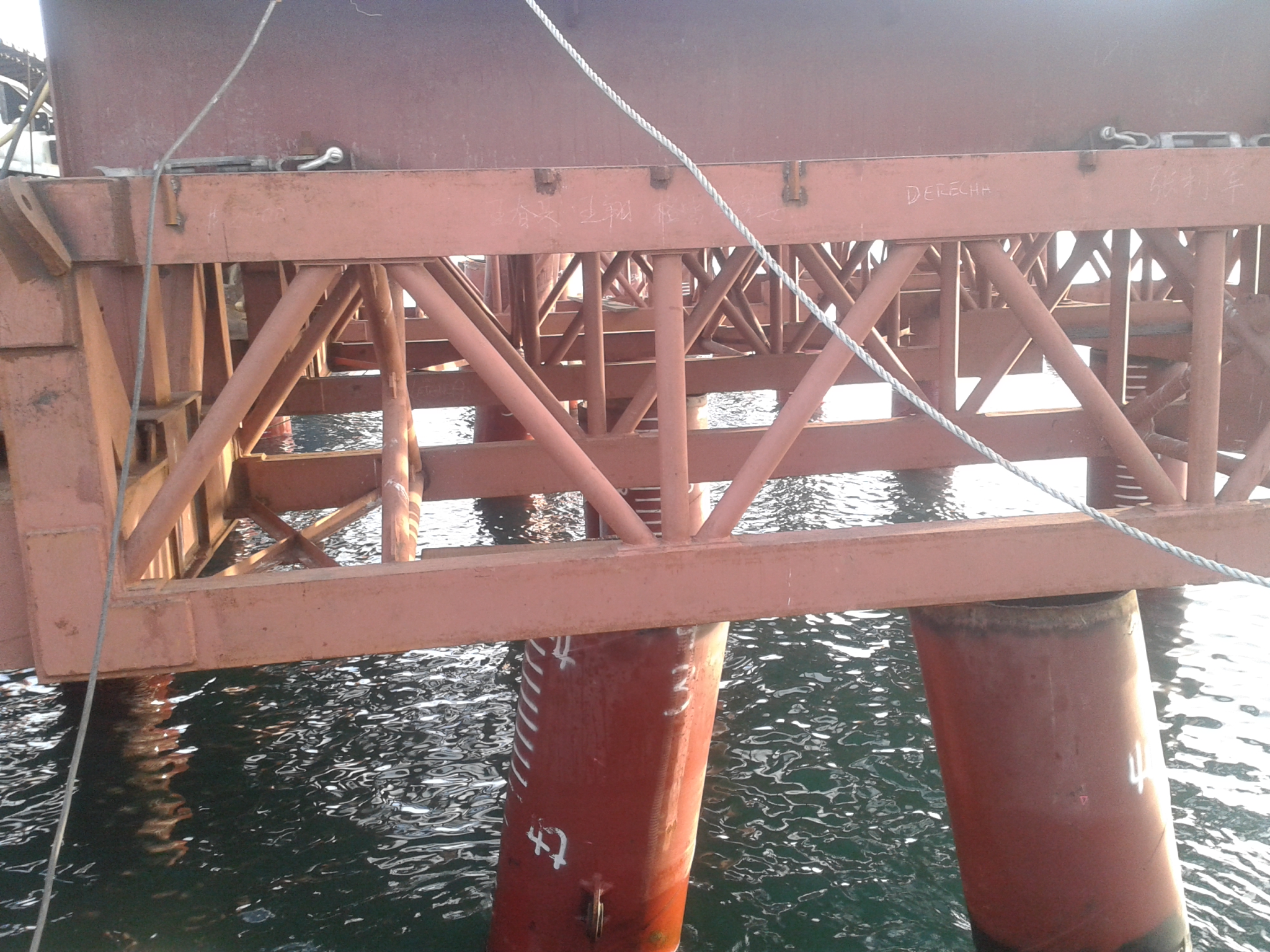
Along with the projection of the esplanade to a new site, the designs of the slabs, crane support beams, earthworks and pile specification were contemplated.
Subsequently, PA Engineering developed the basic engineering for the standardization of the terminal’s fire protection system, and the construction support engineering for the rehabilitation of sites No. 2 and No. 3, the esplanade and container yard, repair of the Water Pond and revision of the fire protection system.