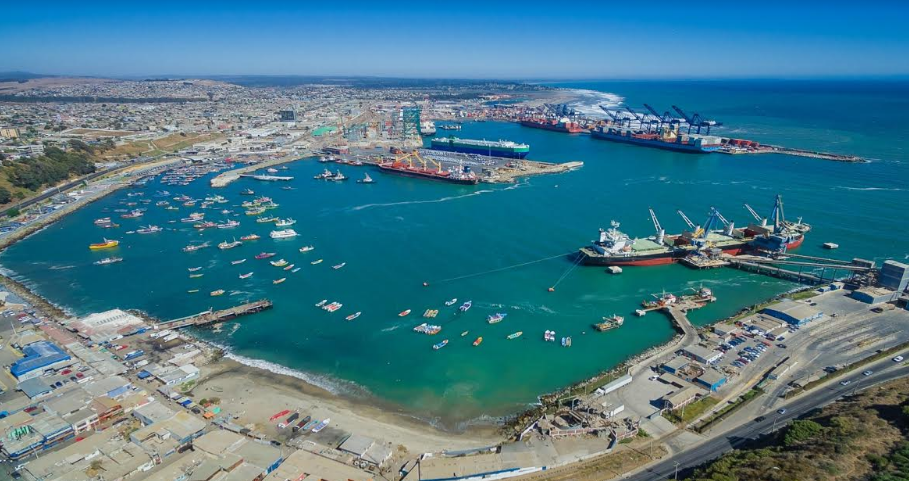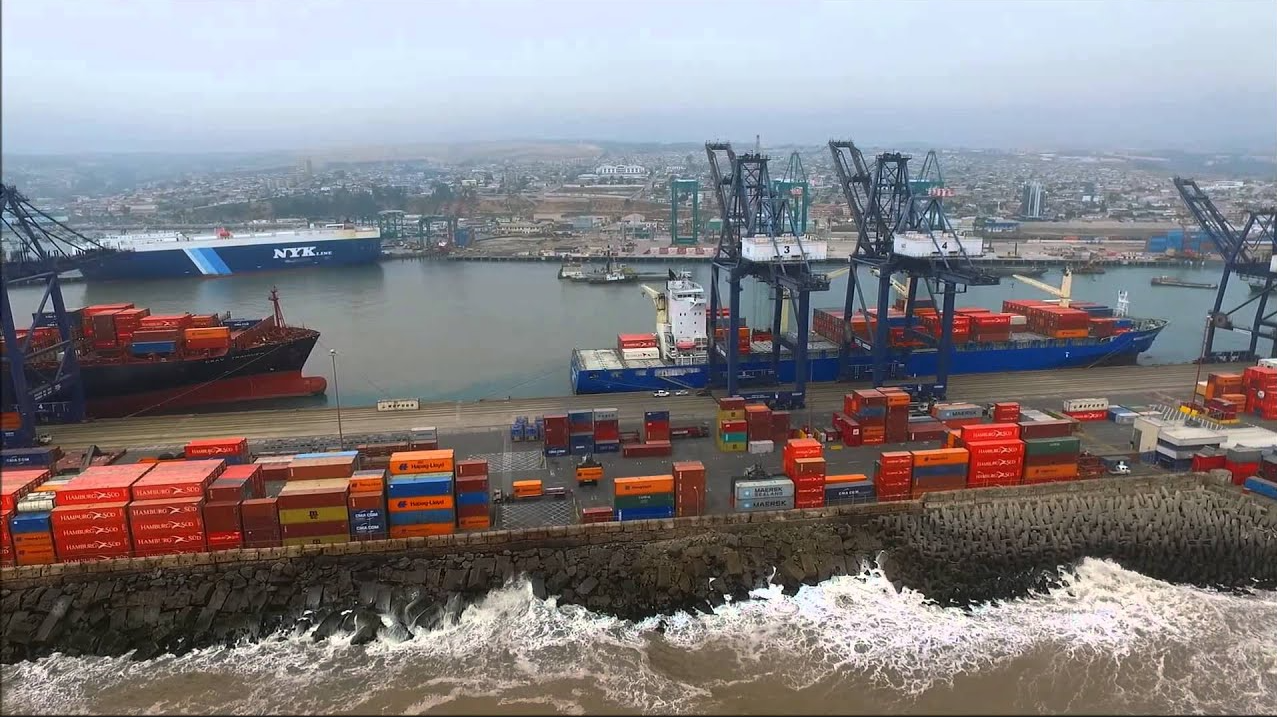

Whether providing archaeological services, preparing environmental impact statements, profile, conceptual and/or detail engineering or construction management as Owner's Team, we have been part of large infrastructure projects in ports, hospitals, airports and telecommunications, as well as the ALMA observatory.
Infrastructure
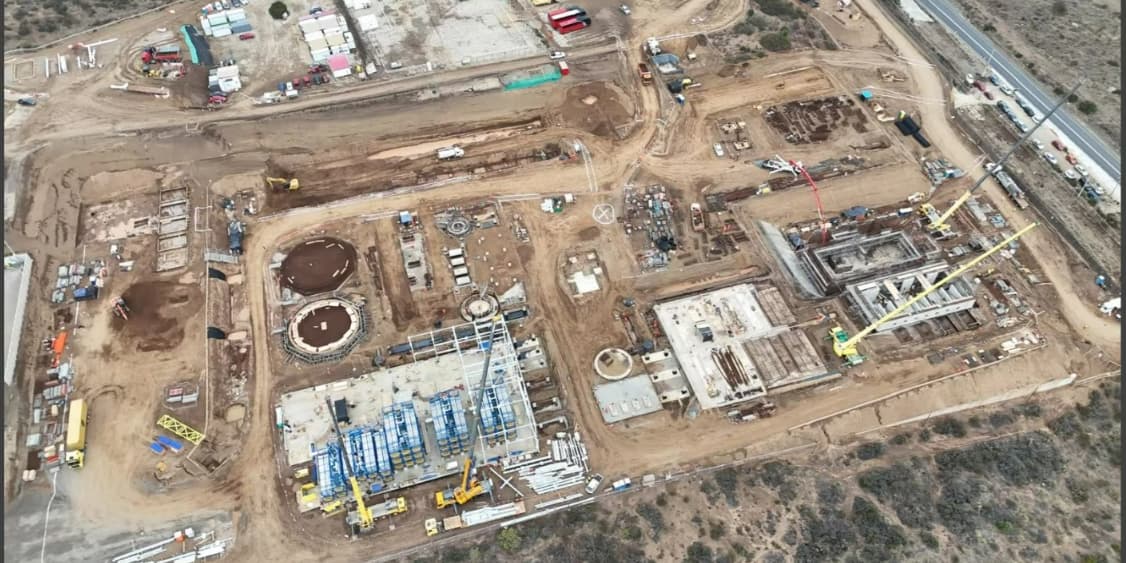
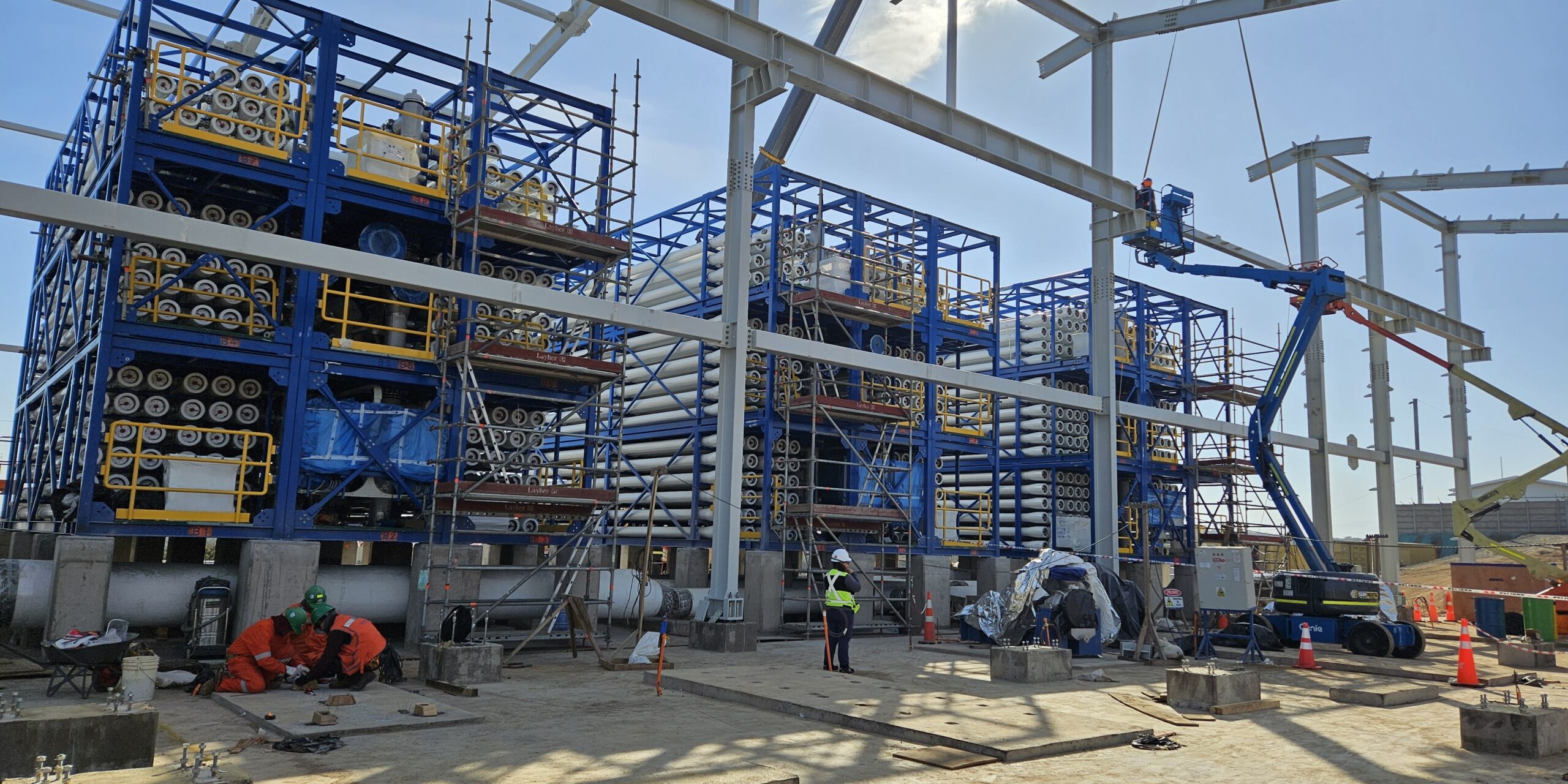
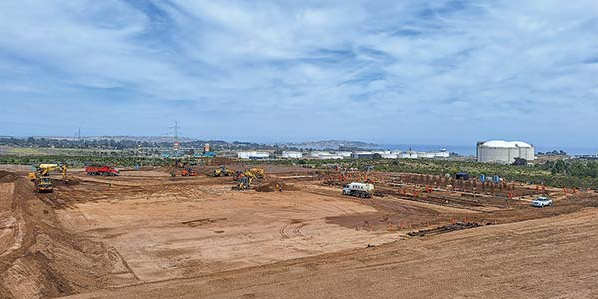
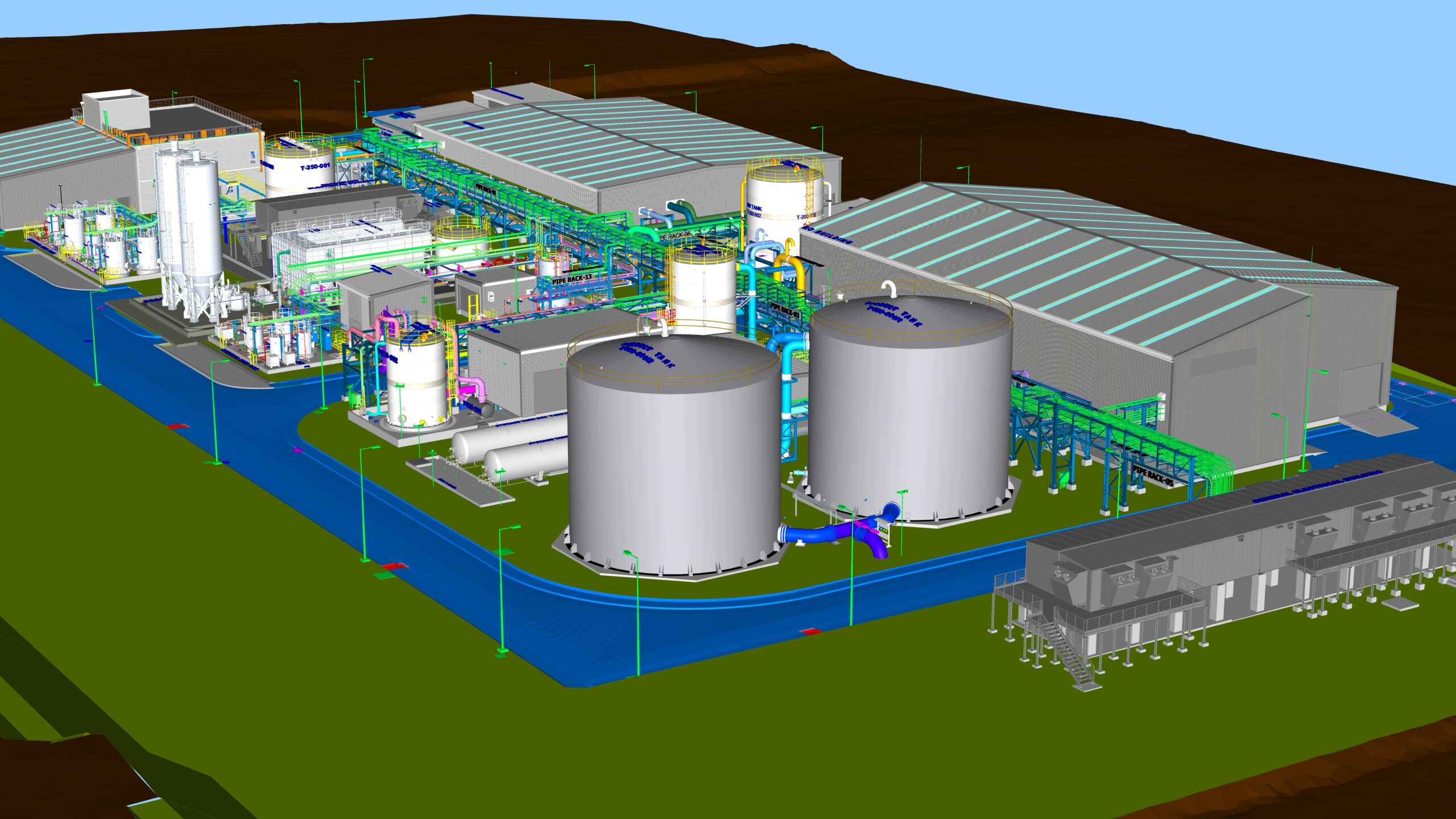
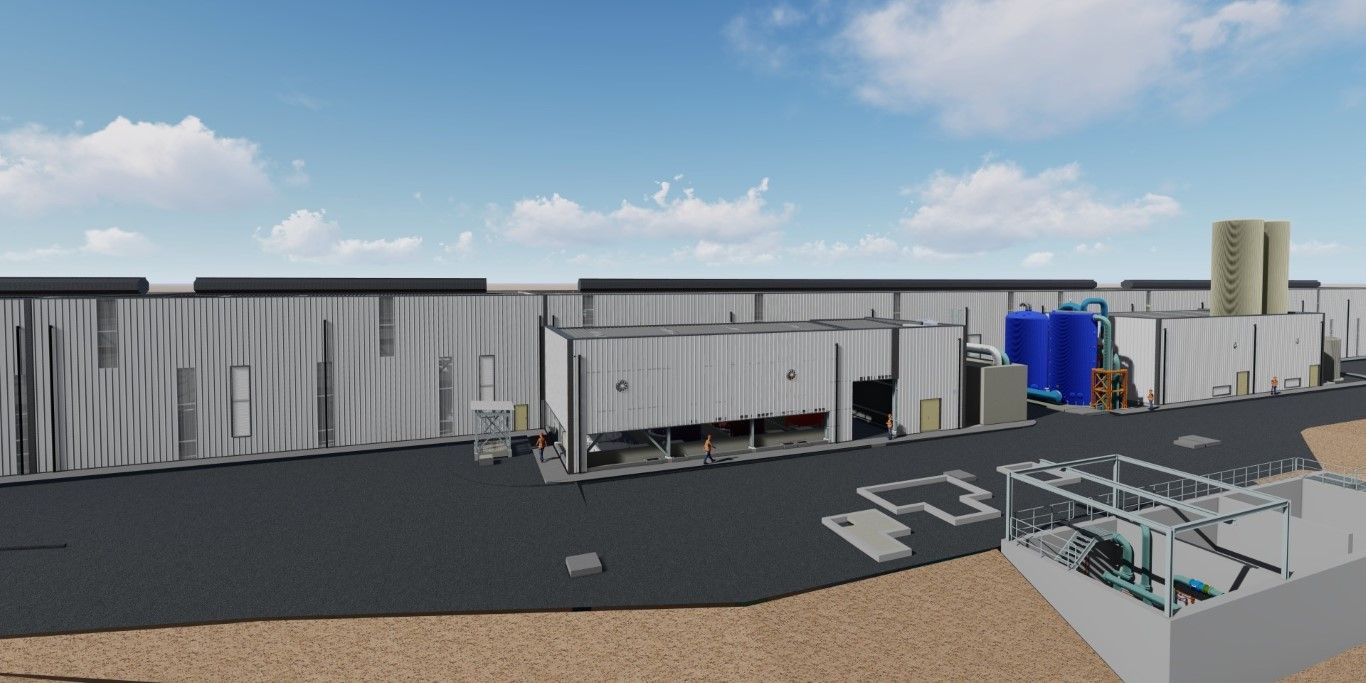
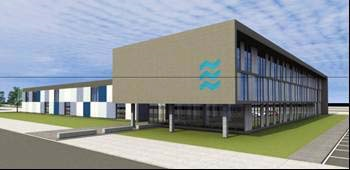
ACONCAGUA PROJECT: 2,000 L/S MULTIPURPOSE DESALINATION PLANT
ACONCAGUA PROJECT: 2,000 L/S MULTIPURPOSE DESALINATION PLANT
Industrial Sector
Infrastructure
Client
IDE Technologies (Phase I) ,
Aguas Pacífico (Phase II)
Location
Bahía Quinteros, Chile
Date
In progress
Service Area
Engineering
Solutions
Basic and detailed engineering services.
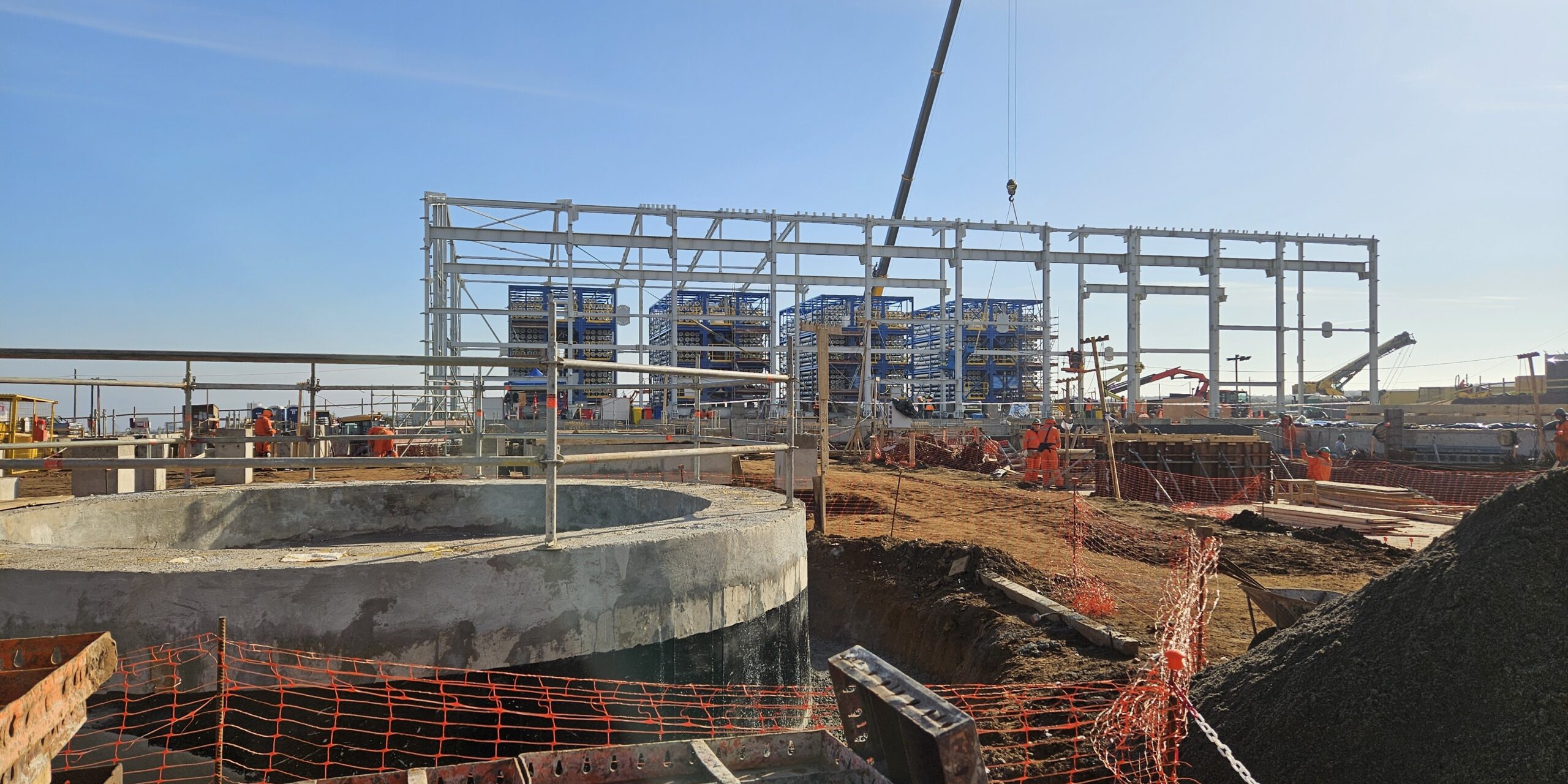
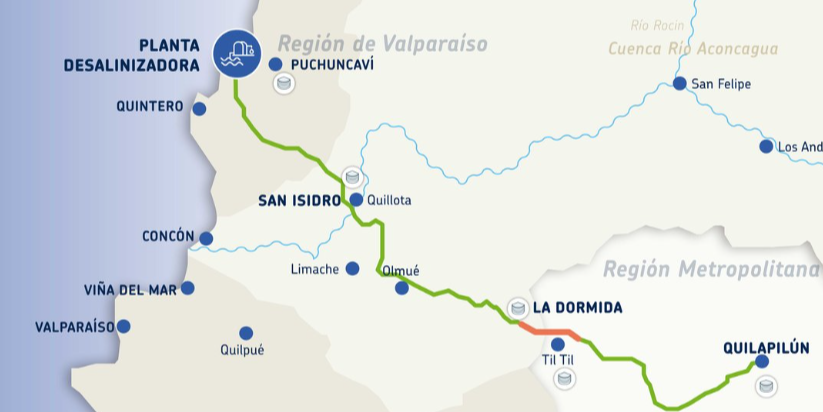
Aguas Pacífico is driving the Aconcagua Project as a structural solution to secure water supply for both human consumption and industrial use. While Phase I, a desalination plant with a capacity of 1,000 l/s, is under development, the company is planning Phase II to add an additional 1,000 l/s of production, doubling the system’s total capacity. This expansion phase aims to strengthen the region’s water resilience by extending the existing infrastructure through an integrated and efficient design, aligned with sustainability criteria, operational continuity, and the use of proven desalination technologies.
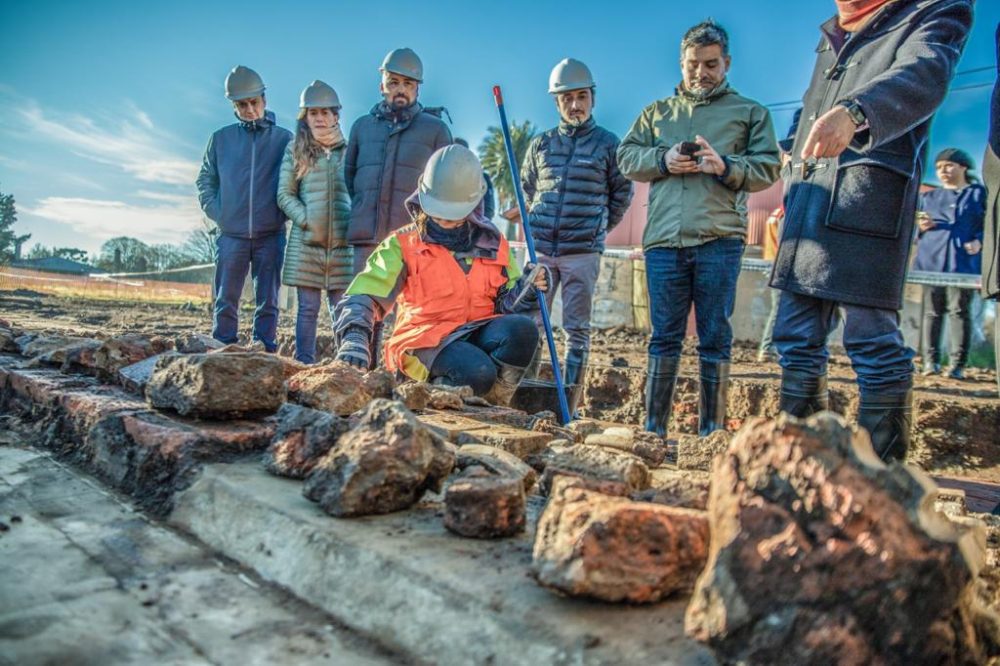
Archaeological Rescue: Ñuble Regional Hospital Project
Archaeological Rescue: Ñuble Regional Hospital Project
Industrial Sector
Infrastructure
Client
Inso Chile, a division of the Italian company Inso S.P.A.
Location
Chillán, Ñuble Region
Date
In Progress
Service Area
Archeologic
Solutions
Execution of archaeological excavations using manual and mechanical methods.
Controlled stripping and excavation to identify architectural features.
Collection, classification and sampling of archaeological materials.
Preventive conservation of heritage elements.
Specialized analysis of recovered materials and structures.
Coordination with regulatory authorities and cultural institutions.
Preparation of technical reports and heritage documentation.
Specialist advisory services in archaeology and cultural heritage.
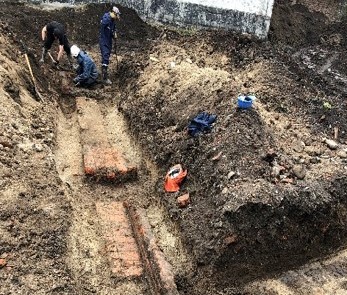
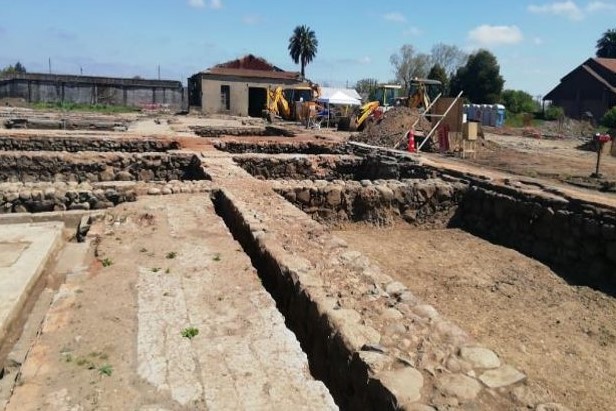
The project involved an archaeological recovery program at the historic San Juan de Dios Hospital site in Chillán, carried out as part of the development of the new Ñuble Regional Hospital. The initiative aimed to recover, document and preserve heritage elements associated with the historical use of the site prior to the commencement of construction works. The program covered an area of more than 40,000 m², identifying architectural remains and artefacts linked to different stages of the hospital’s historical development. The work ensured compliance with heritage regulations while enabling the site to be prepared for new infrastructure development.
Desalination Plant for the Atacama Region
Desalination Plant for the Atacama Region
Industrial Sector
Desalination and Infrastructure
Client
INIMA-CVV (a consortium formed by the Spanish company GS INIMA and the Chilean group Claro Vicuña Valenzuela)
Location
Punta Zorro, Copiapó Province, Atacama Region
Date
2018
Service Area
Engineering
Solutions
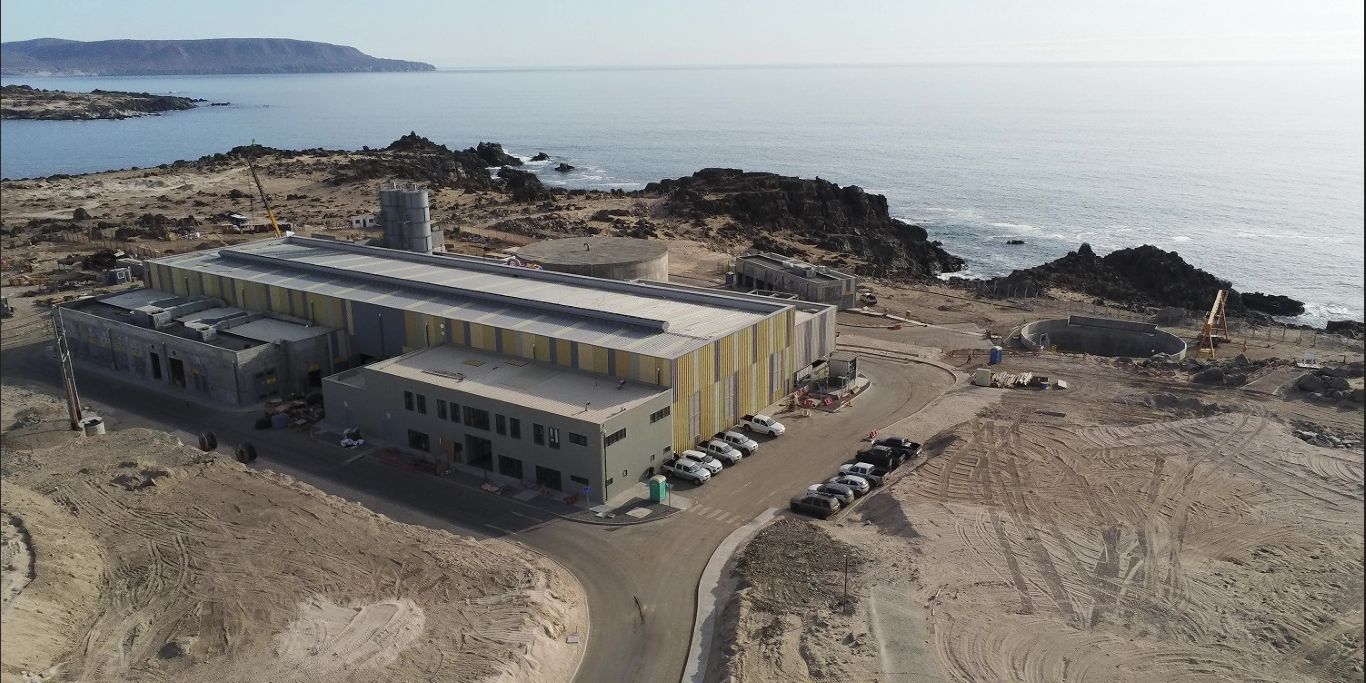
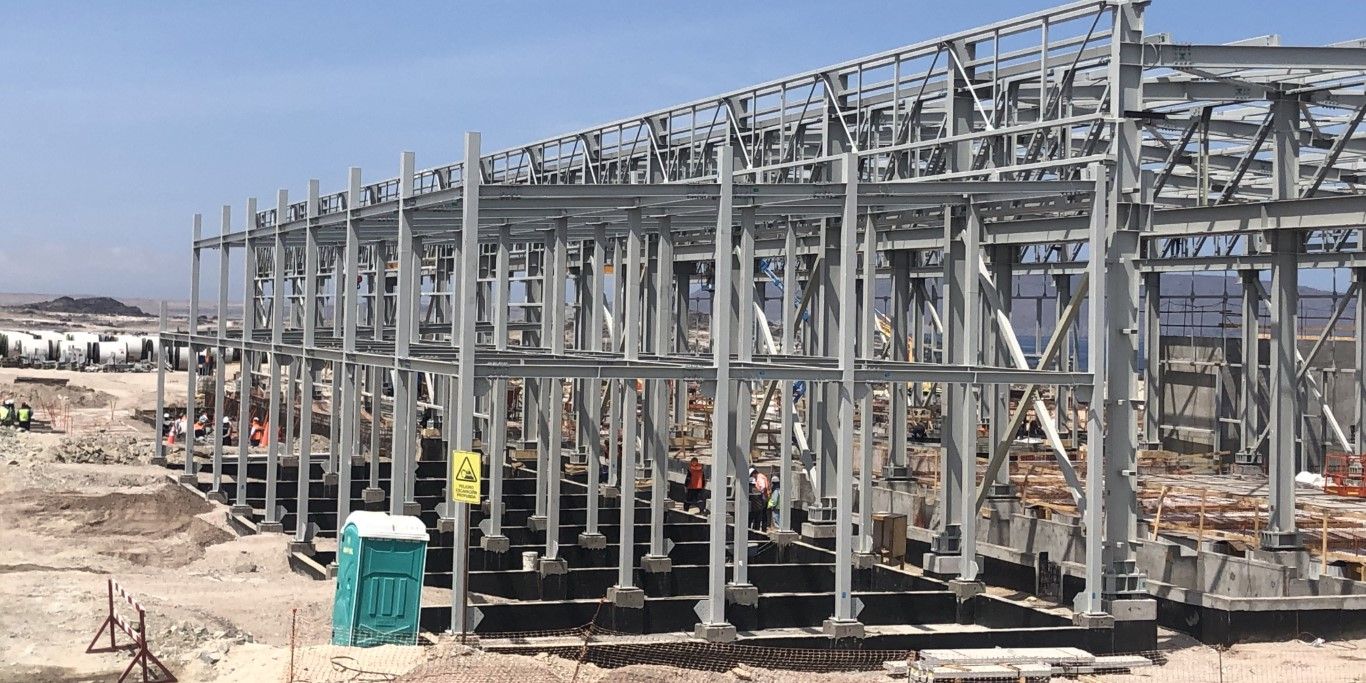
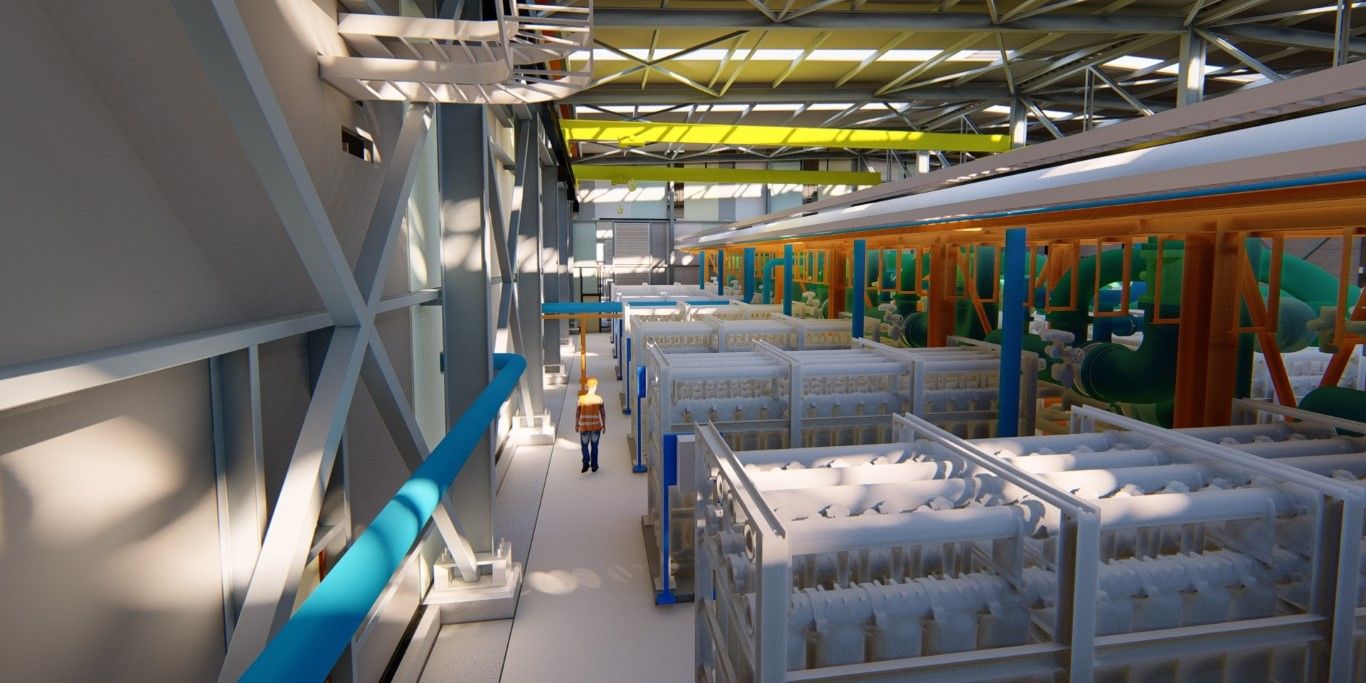
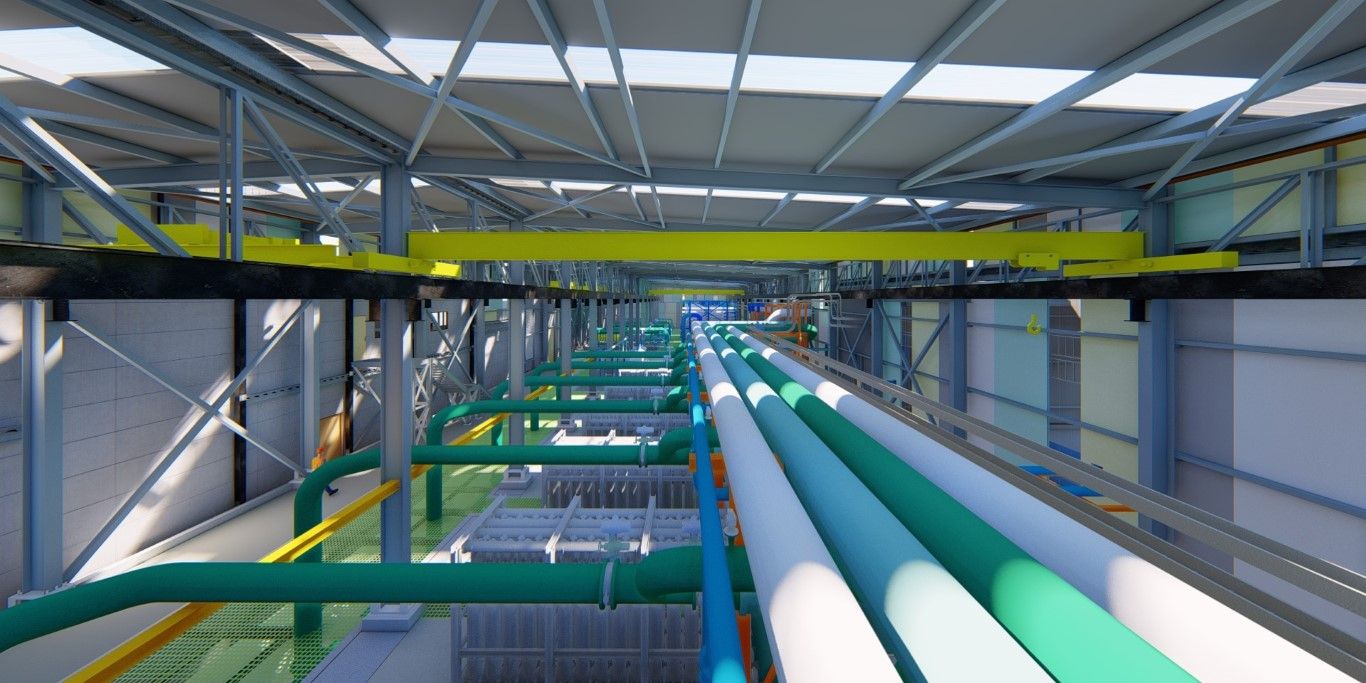
Detailed engineering for the following disciplines: architecture, structural, civil, electrical, CCTV, fire protection, HVAC, access road design, and 3D modeling for interference detection.
According to the Chilean Meteorological Service, over the past 10 years, the impact of climate change in our country has resulted in an average precipitation deficit of 20 to 30%, affecting the north in particular, which is facing a severe water shortage for both industrial use and human consumption.
In the Atacama Region, this depletion has led to the deterioration of the Copiapó River aquifers, resulting in a water crisis that affects the towns of Copiapó, Caldera, Chañaral, and Tierra Amarilla and their more than 210,000 residents.
The Proposal
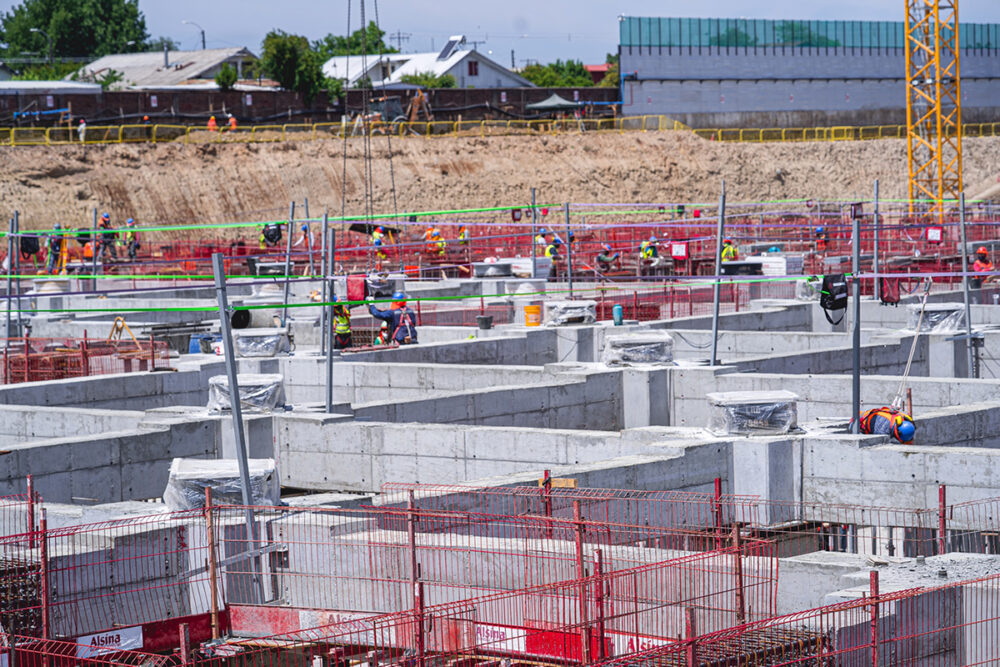
Develop detailed engineering for the 85,000 m² desalination plant using BIM methodology, enabling the development and integration of the client’s modeling and providing access to information and visualization for all project participants. This approach offers the benefit of identifying conflicts and reducing errors in the construction of the desalination plant, while maintaining the flexibility and adaptability to client needs that characterizes P&A.
Results
The Sanitation Services Concession Company (ECONSSA) put out a bid for the execution of the project “Seawater Desalination Plant for the Atacama Region, Provinces of Copiapó and Chañaral,” located in Punta Zorro (Caldera), under an EPC contract, with the contract awarded to the INIMA-CVV Consortium. In January 2018, work began on the engineering phase of the project, which involved 9 months of design and construction (P&A) under a fast-track approach—that is, construction proceeded concurrently with engineering—ensuring a supply of drinking water for over 210,000 people in the Atacama Region.
With an estimated investment of US$140 million in the first phase, the project was designed to produce 1,200 l/s of drinking water through three construction phases: Phase 1: production capacity of 450 l/s of drinking water; Phase 2: total production capacity of 900 l/s of drinking water; Phase 3: production capacity of 1,200 l/s of drinking water, through the extraction of seawater and its desalination via the reverse osmosis process (obtaining fresh water from salt water). From there, the water—now desalinated and treated with the necessary chemicals to make it potable—will be transported via aqueducts to the population. According to the Econssa website, the plant is already operational.
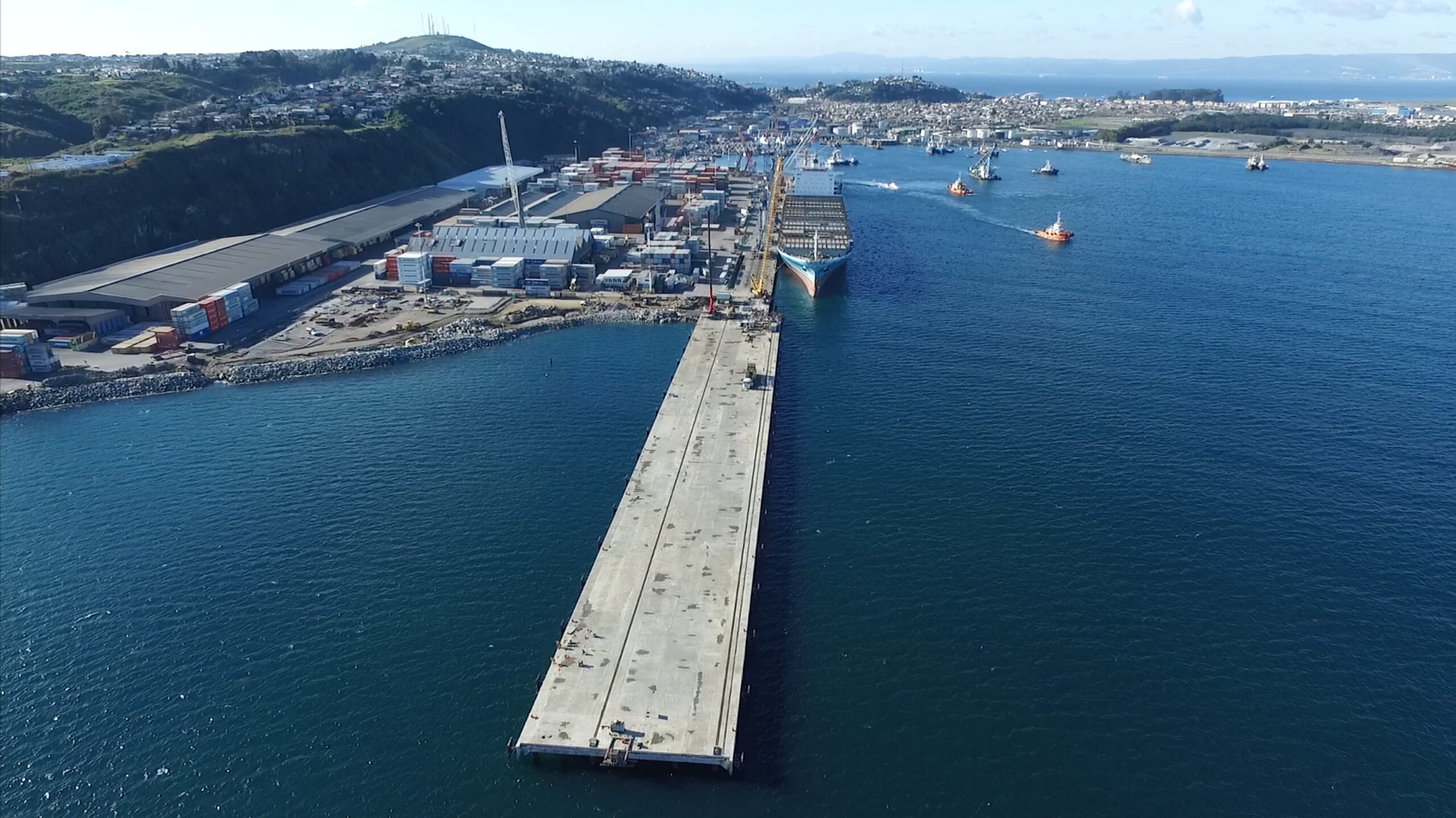
Expansion of berthing sites at the San Vicente Terminal
Expansion of berthing sites at the San Vicente Terminal
Industrial Sector
Infrastructure
Client
San Vicente Terminal Internacional S.A.
Location
Talcahuano, Bío Bío Region
Date
2011-2016
Service Area
Environmental, Consulting & Engineering.
Solutions
Environmental permits, conceptual studies, basic and detailed engineering in civil, structural, electrical, mechanical, technical assistance in tenders and works.
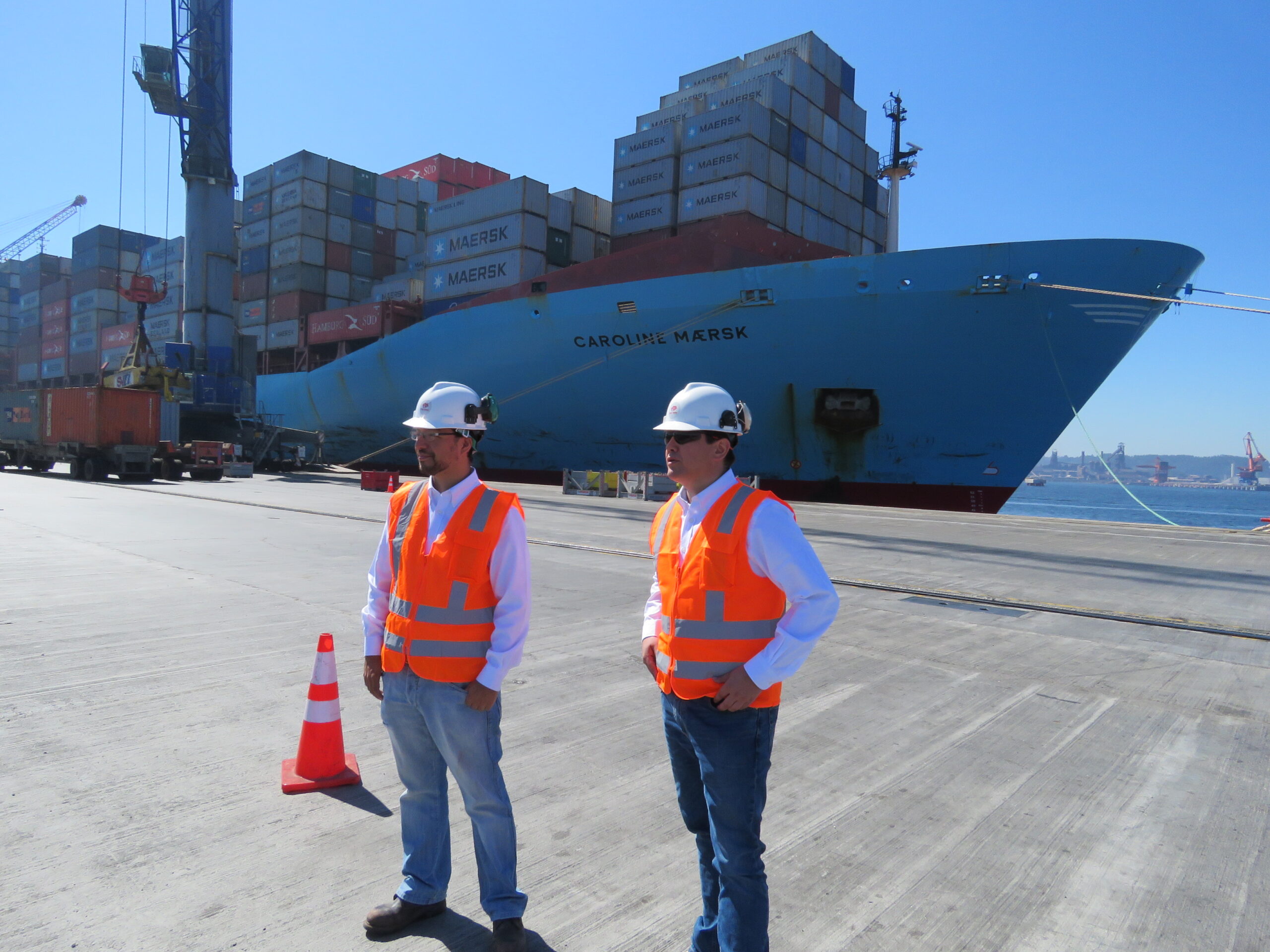
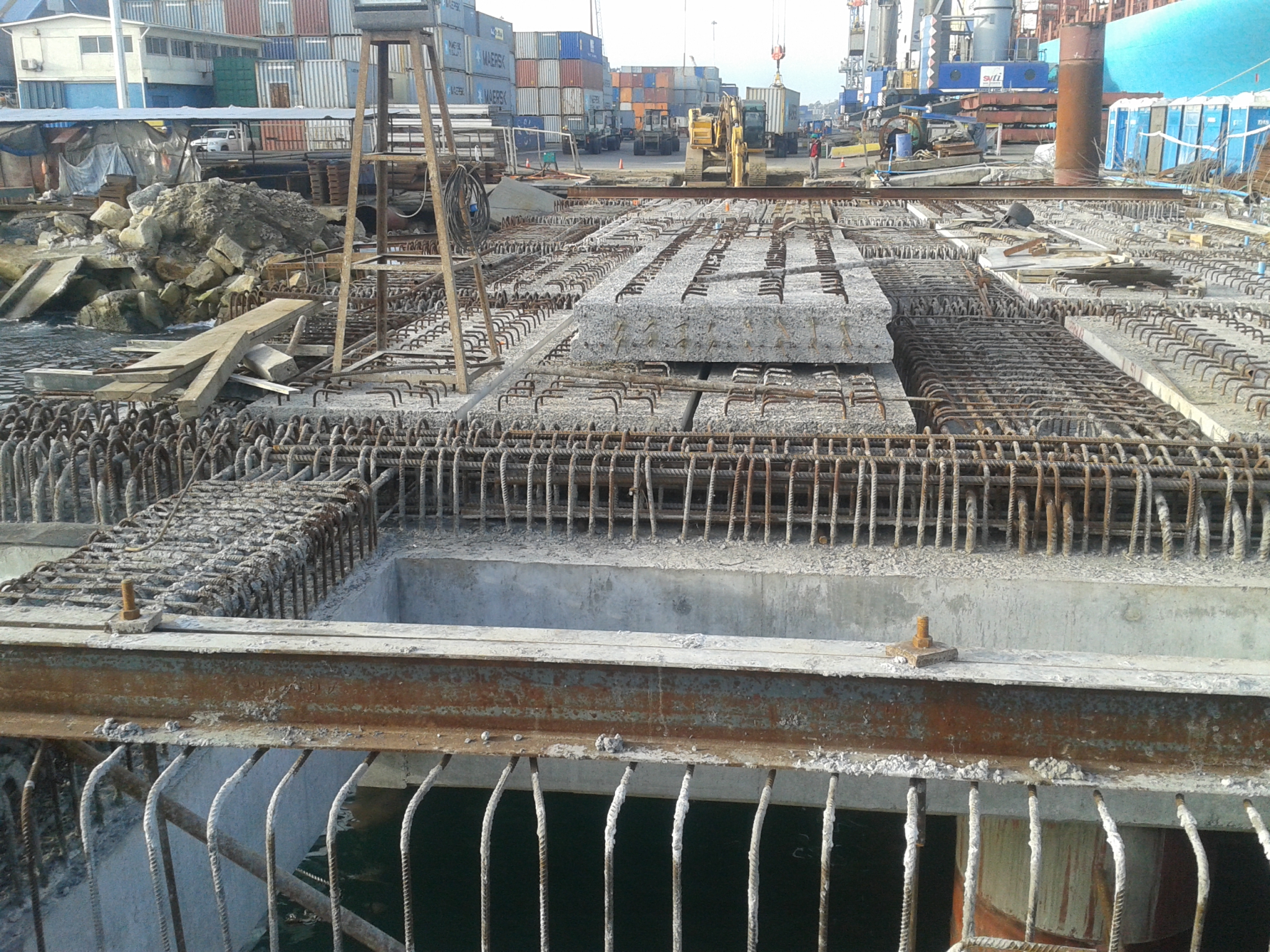
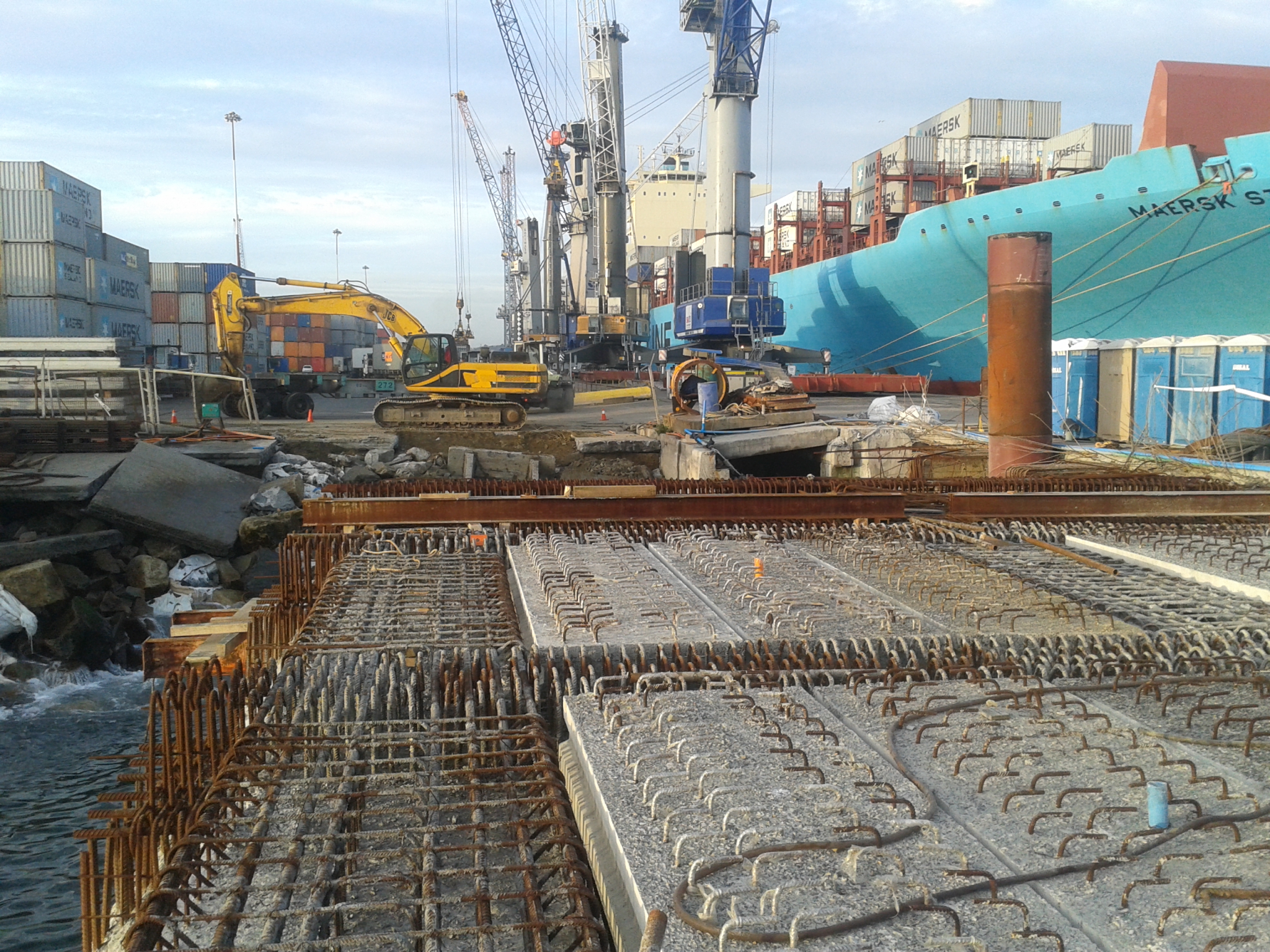
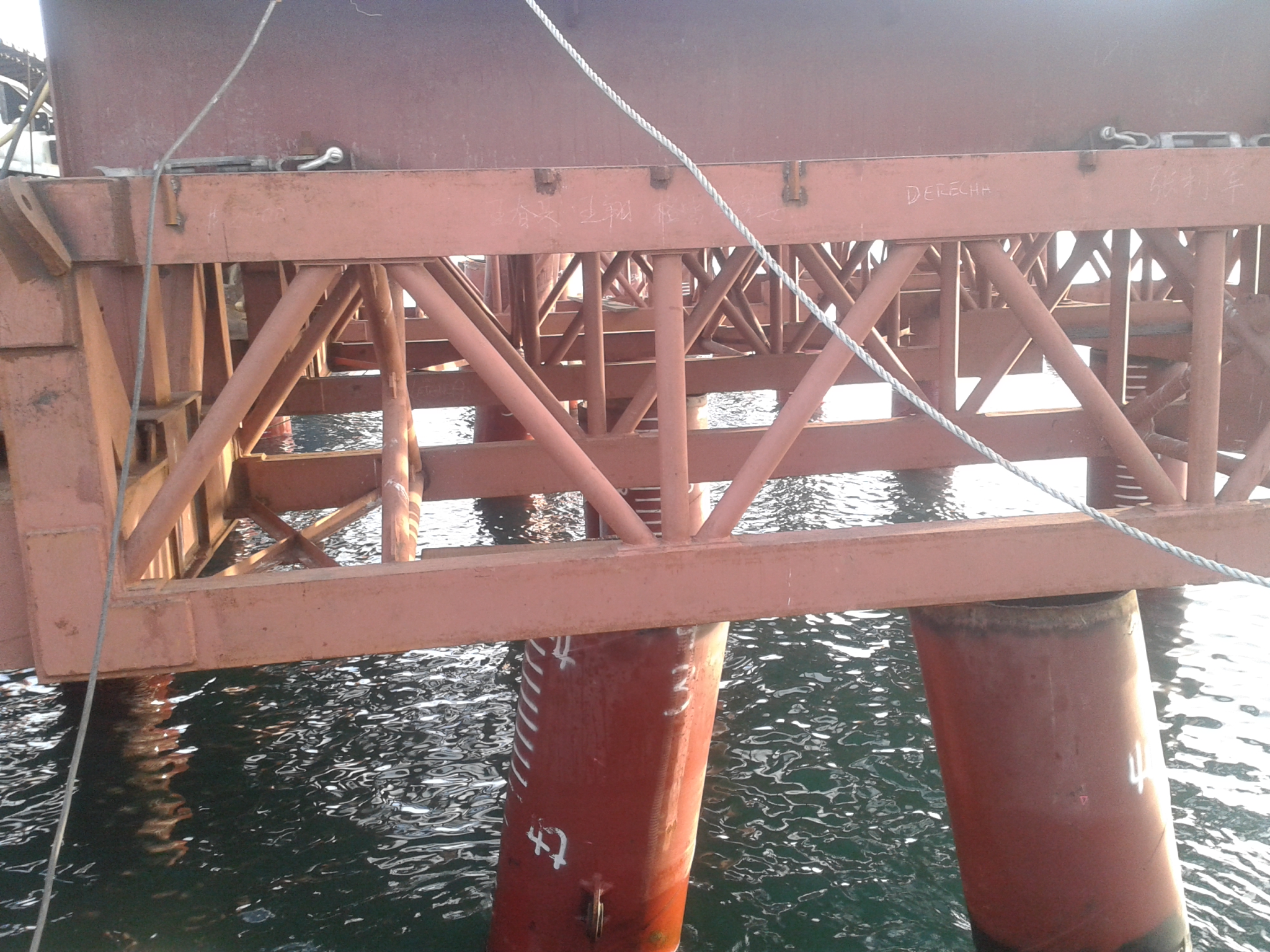
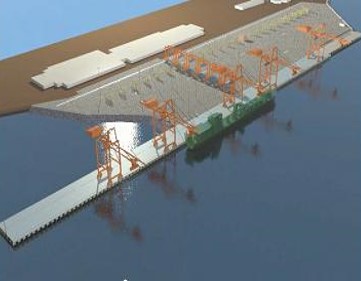
After the earthquake of February 27, 2010, SVTI required a survey of the damage caused by the earthquake. PA Engineering developed the studies and basic engineering to address these improvements. Then it executed the detailed engineering for the new berthing site No. 4, which was planned to be built next to site No. 3, a development framed in the general repair project of the Port.
Along with the projection of the esplanade to a new site, the designs of the slabs, crane support beams, earthworks and pile specification were contemplated.
Subsequently, PA Engineering developed the basic engineering for the standardization of the terminal’s fire protection system, and the construction support engineering for the rehabilitation of sites No. 2 and No. 3, the esplanade and container yard, repair of the Water Pond and revision of the fire protection system.
Agua de Mar Desalination Plant, Spence Growth Option (SGO) project, BHP Spence Mining
Agua de Mar Desalination Plant, Spence Growth Option (SGO) project, BHP Spence Mining
Industrial Sector
Mining and Infrastructure
Client
ILF Ingeniería Chile
Location
Mejillones, Antofagasta Region
Date
2017-2018
Service Area
Consulting, Engineering and Procurement
Solutions
Basic and detail engineering in various disciplines, architectural design, 3D technology, procurement and on-site engineering.
In 2005, the construction of the Spence Mining Company began and two years later it started production, consolidating itself over time as a relevant deposit in BHP’s investment portfolio.
In August 2017, BHP approved the Spence Growth Option (SGO) project, with an estimated investment of US$2.46 million, which was aligned with the mining company’s corporate strategy of having large, long-lived and low-cost operations.
With this, the site took a big step thanks to the construction of the SGO project, which allows Spence to project itself in the long term through the treatment of hypogene minerals through a concentrator plant, which operates in conjunction with the current FullSal mixed mineral leaching process.
Overall, the project comprised a new 95,000 tpd concentrator plant, extending the life of the Spence mine by more than 50 years, and the commissioning of the desalination plant.
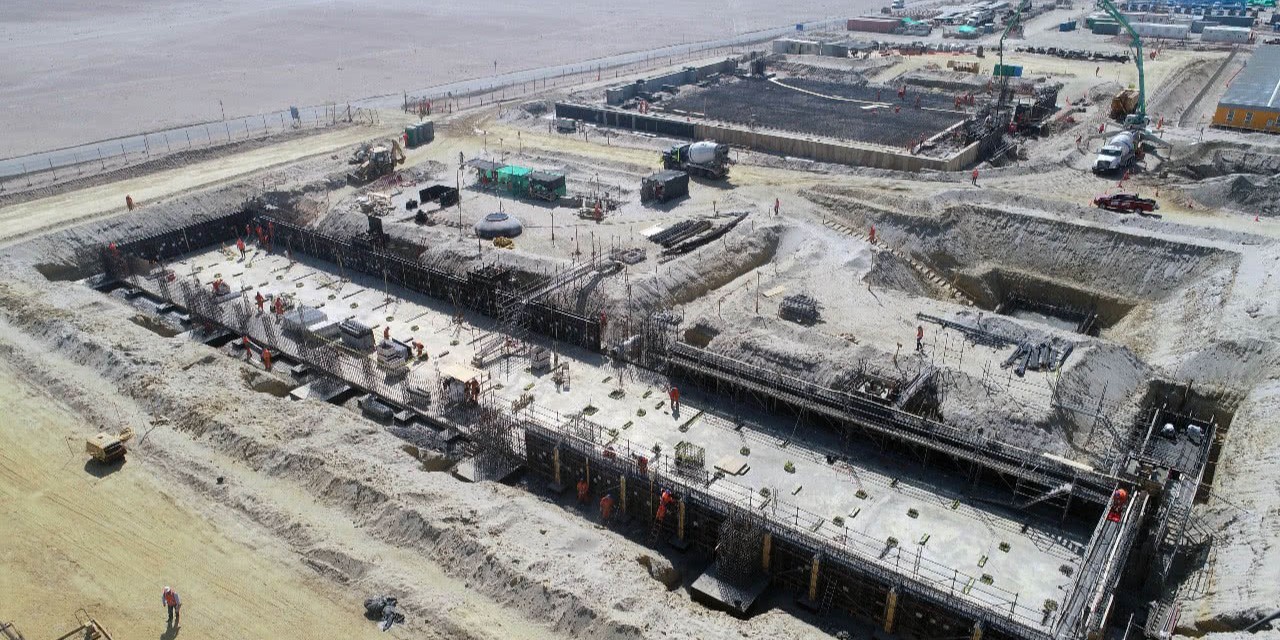
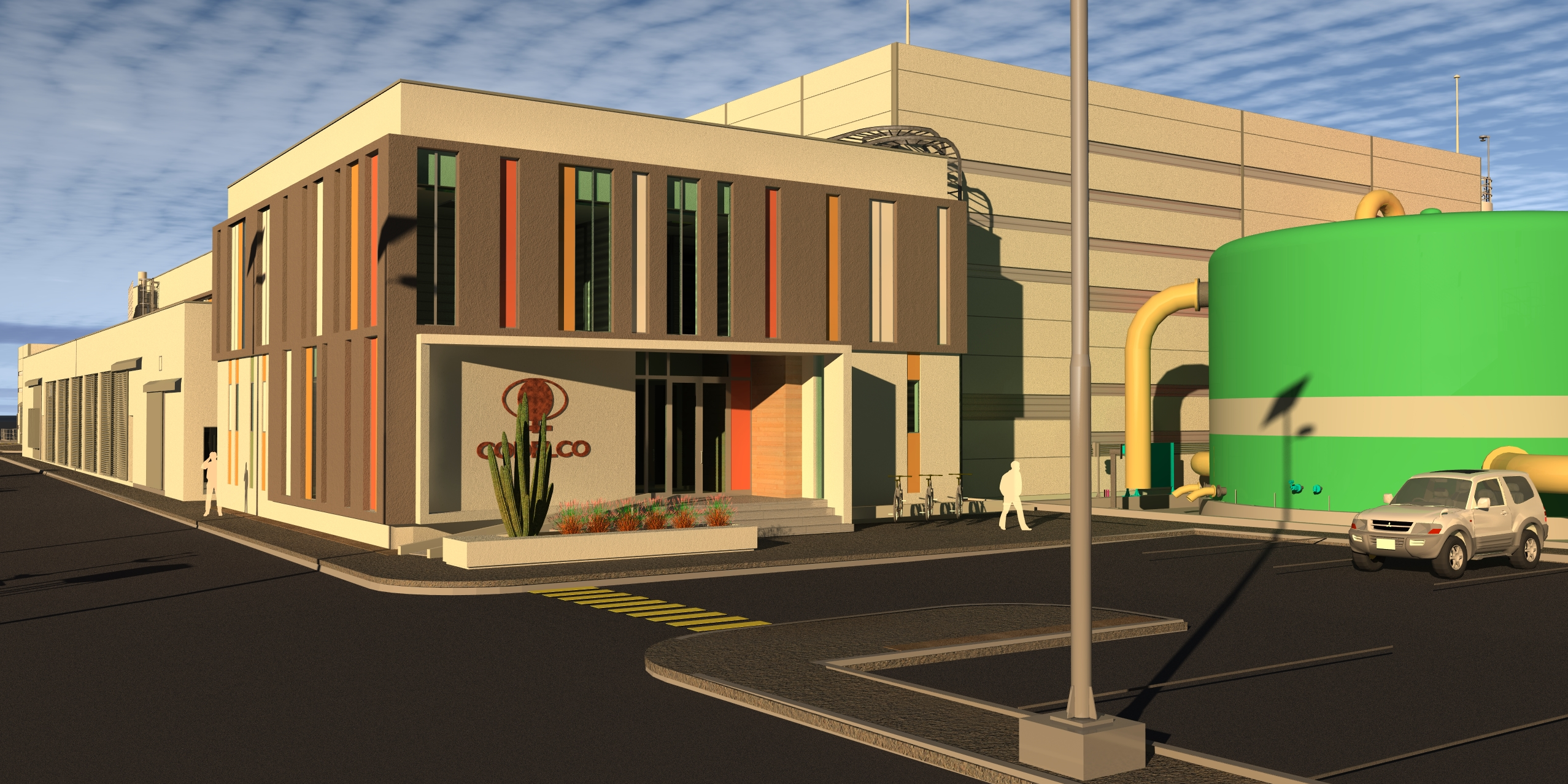
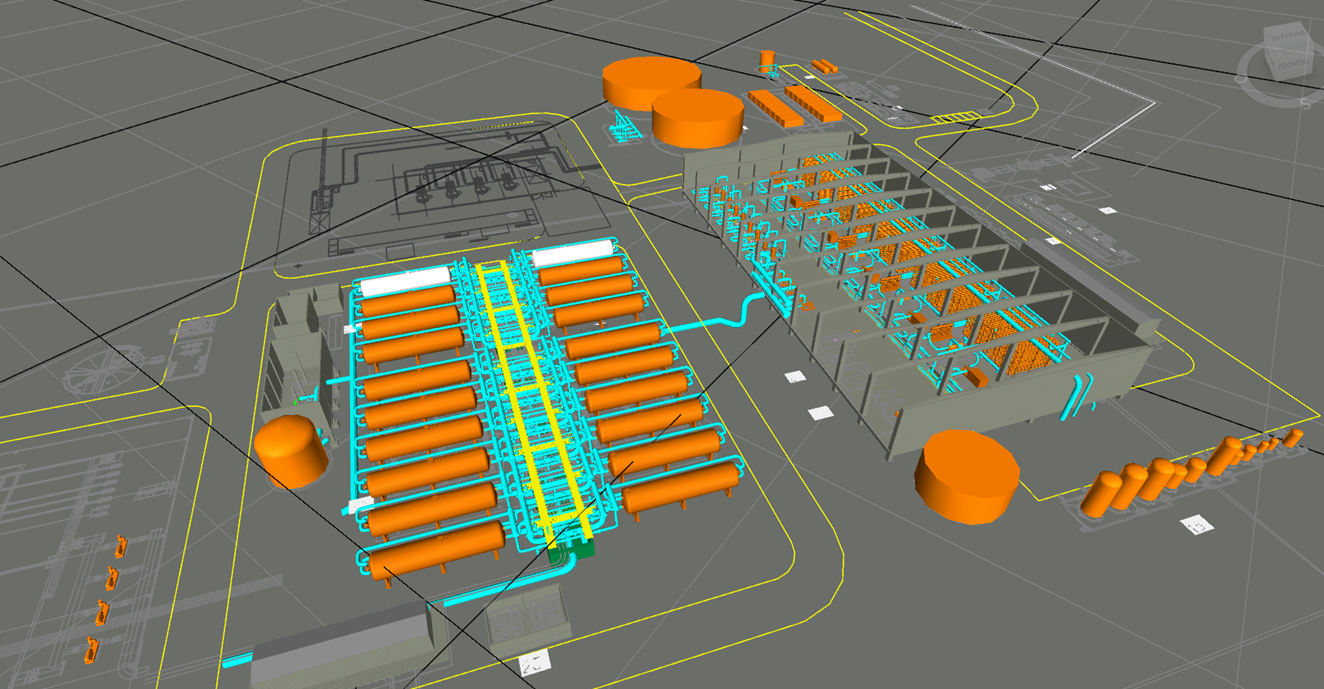
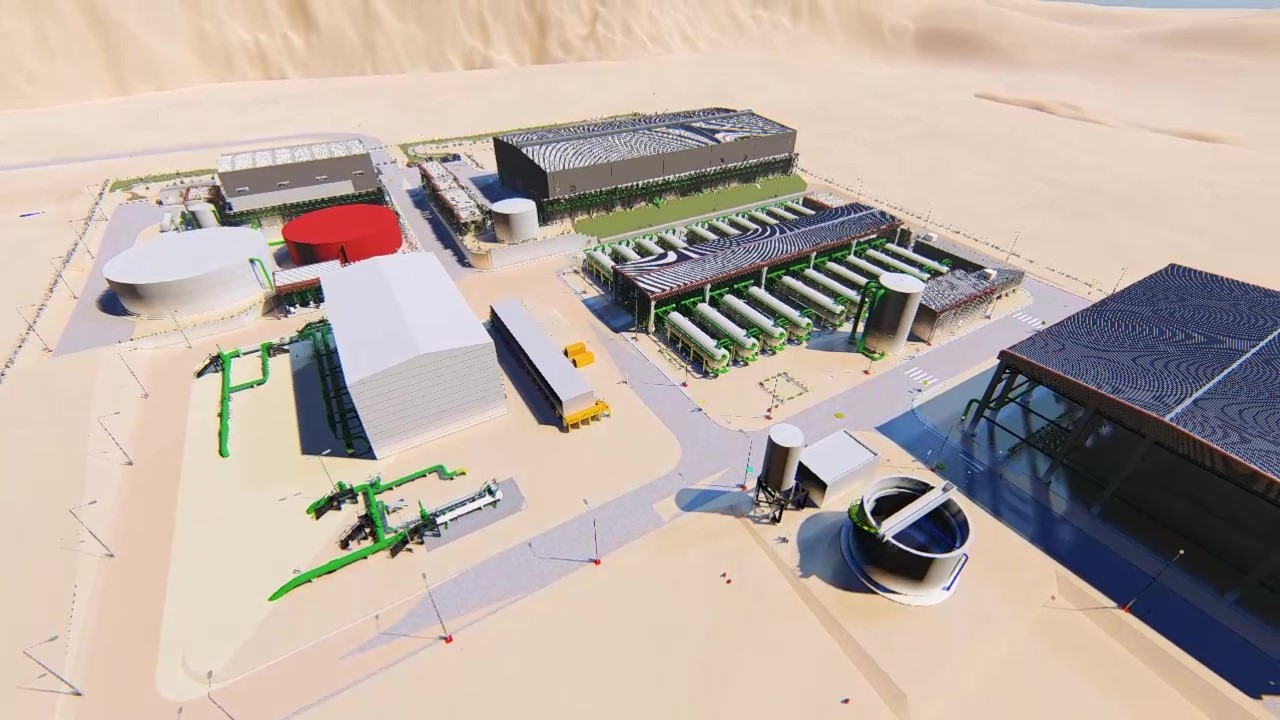
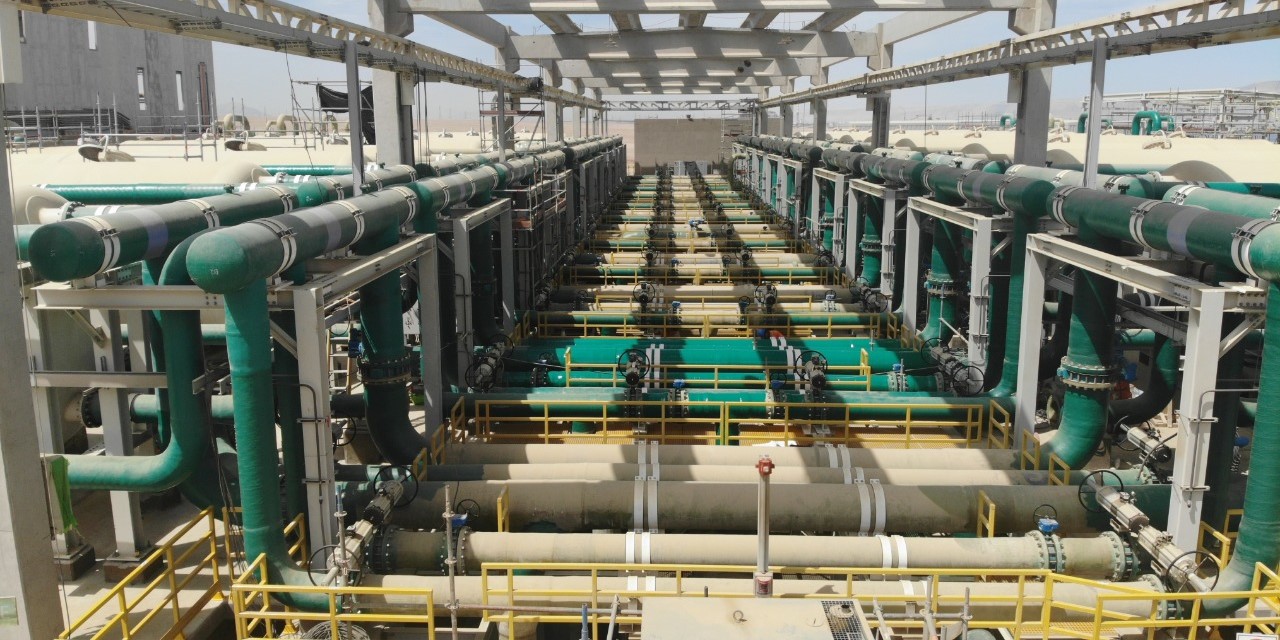
The desalination plant, which considers the use of seawater for 100% of the mining process, uses reverse osmosis technology and has an approximate capacity of 1,000 l/s of water and required 154 km of water piping from the plant to the mine operation.
Pares&Alvarez developed basic and detailed engineering in instrumentation and control, electrical, civil-structural, mechanical and piping, among others, architectural design, 3D technology, procurement and on-site engineering.

International logistics platform
International logistics platform
Industrial Sector
Infrastructure
Client
Empresa Portuaria San Antonio
Location
San Antonio, V Region
Date
2011-2012
Service Area
Engineering
Solutions
Detailed engineering, which included geothermal and paving project; project of logistics activities areas (truck center, container storage areas); landfill project, which included lagoons; rainwater project; project of service, electrical, water, sewerage and security networks; background preparation for SEIA entry; landscaping project and preparation of Technical Construction Specifications and TDR of studies Necessary.
Empresa Portuaria San Antonio (EPSA) hired the services of PA Engineering to develop the urbanization of the areas acquired during 2009, located south of the Port of San Antonio, which are oriented to the development of logistics activities.
This area, of approximately 65 hectares, is used for activities such as: cargo warehouses, truck parking spaces and service distribution centres. This allowed an organic and sustained growth of the Port.
The engineering included the development of soil mechanics, civil development of earthworks, road design, design of electrical system for lighting, possibility of installing reefer containers and sanitary design, among others.
Additionally, the architecture of the service building was developed at the pre-design level.