
Pares&Alvarez has managed to position itself in the market as one of the largest 100% Chilean Engineering Services companies, with the ability to deliver comprehensive and tailor-made solutions for our clients, supported by expert human capital and strict compliance with internal standards, backed by the certifications of our Quality Management System.
As specialists in wide range of industrial sectors, we support our clients in the pre-investment phse of their projects, evaluating their opportunities from the conception of an idea to the decision to move forward with the design.
We design comprehensive solutions that ensure the success of our clients’ projects. Our teams are made up of professionals with proven experience across multiple sectors, who bring technical expertise and a practical approach to every challenge.
We have a multidisciplinary team of engineers specializing in: processes, electrical engineering, instrumentation and control, mechanical and piping engineering, constructability, architecture, civil and structural engineering, BIM development, Capex, geotechnical engineering, metallurgy, and sustainability.
PROYECTS
Energy
Study of transportation alternatives “Magallanes Winds”
Study of transportation alternatives “Magallanes Winds”
Industrial Sector
Energy
Client
RWE Renewables
Location
Laguna Blanca Commune, Punta Arenas
Date
2023
Service Area
Consulting
Solutions
Trade-off study
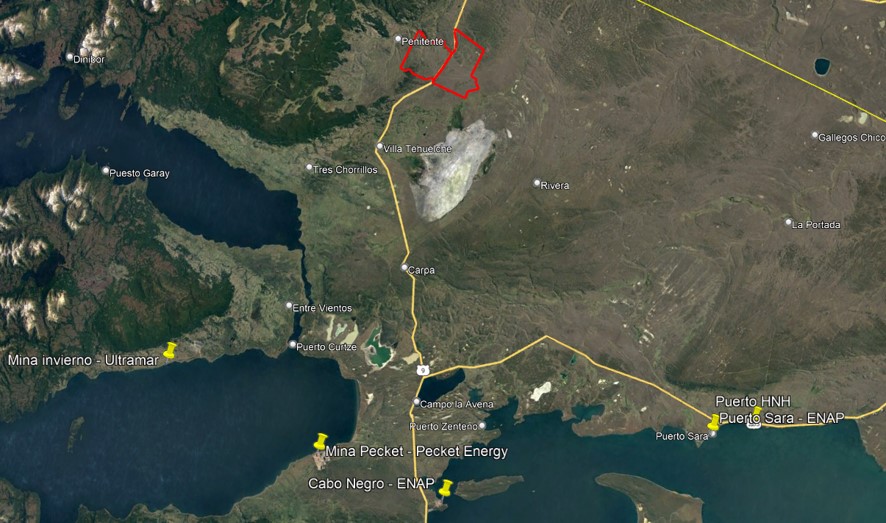
RWE Renewables Chile is developing the Vientos Magallánicos project, a plant that seeks to produce green hydrogen and ammonia through a wind farm, which would be located near Villa Tehuelches, Laguna Blanca, about 100 km northwest of Punta Arenas.
The wind farm would have an installed capacity of approximately 1 GW and estimates an annual production of 475,000 tons of green ammonia to be exported to international markets.
In this context, PA Engineering carried out a Trade-Off study on transportation alternatives to the different ports in the area, evaluating the possibility of transporting electricity, green hydrogen or ammonia. The analysis included the definition of transportation requirements, equipment, surface area in Laguna Blanca and in port, possible routes based on a regulatory analysis and identification of singularities and the estimation of CAPEX and OPEX.
Manufacturing
GLASS BOTTLE FACTORY EXPANSION, RENGO PLANT
GLASS BOTTLE FACTORY EXPANSION, RENGO PLANT
Industrial Sector
Manufacturing
Client
Verallia
Location
Rengo, VI Region
Date
2018-2020
Service Area
EPCM contract
Solutions
Basic engineering, Capex estimation, project scheduling, detailed engineering in mechanical, piping, civil, structural and electrical; architecture, BIM modelling, procurement management and project administration services.
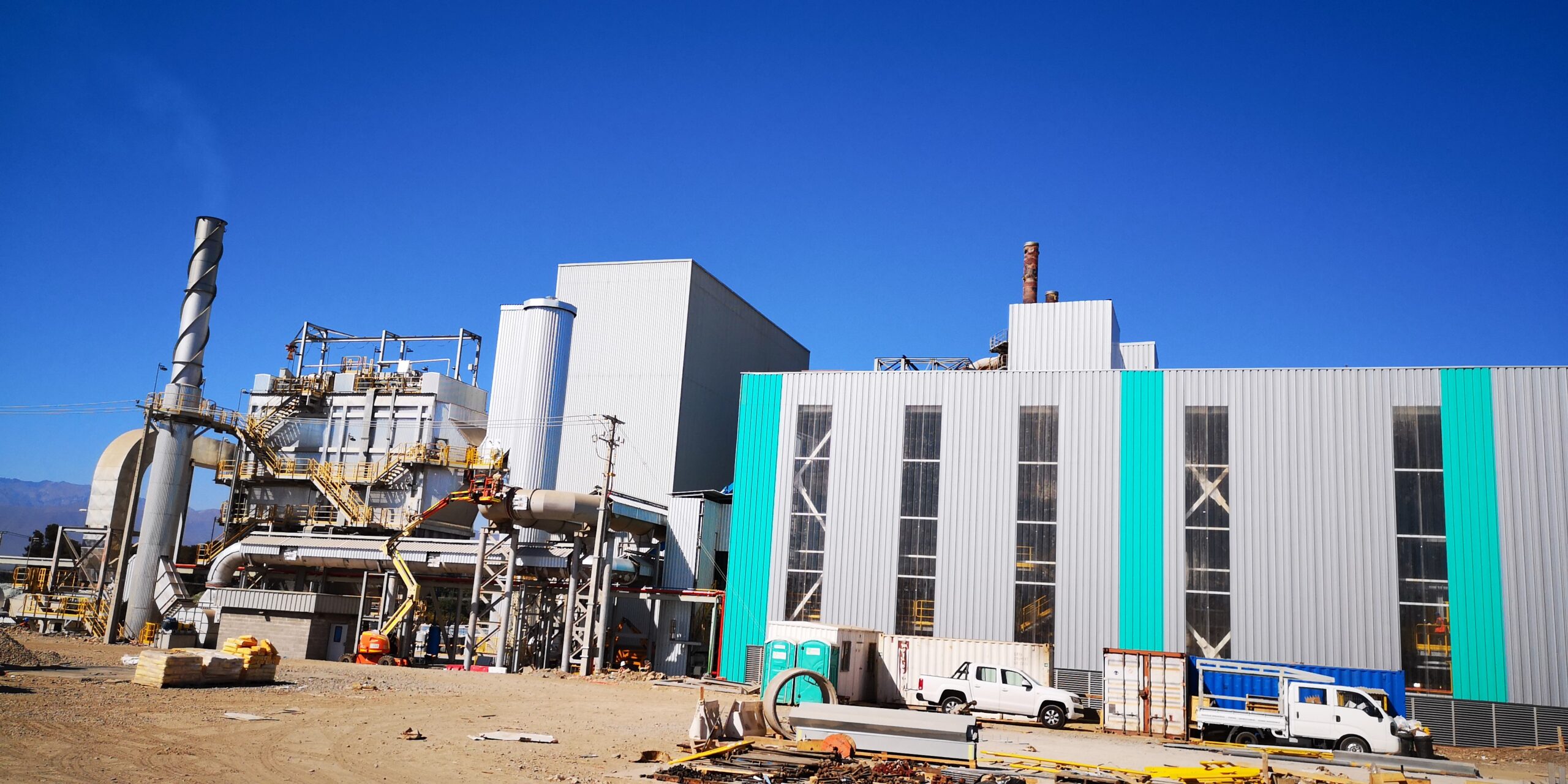
Verallia, considered a world leader in the glass packaging sectors for wines, spirits and food, produces more than 16,000 million containers each year for its more than 10,000 customers around the world. In Chile, the company produces glass bottles to serve mainly the wine industry, using the latest technology available in the manufacture of glass containers in its modern plant located in Rengo.
In order to maintain this leadership, Verallia decided to modernize its factory, which was enabled to produce 240 tons of molten glass per day through the operation of a melting furnace and 2 production lines with 120 tons/day of processing capacity each.
The constructed area of the factory was 4.7 ha, due to the fact that in recent years a Liquefied Natural Gas (LNG) tank was implemented that occupies an area of 525 m2, a treatment plant of “cullet” or calcín (glass from recycling) that occupies an area of approximately 591 m2.
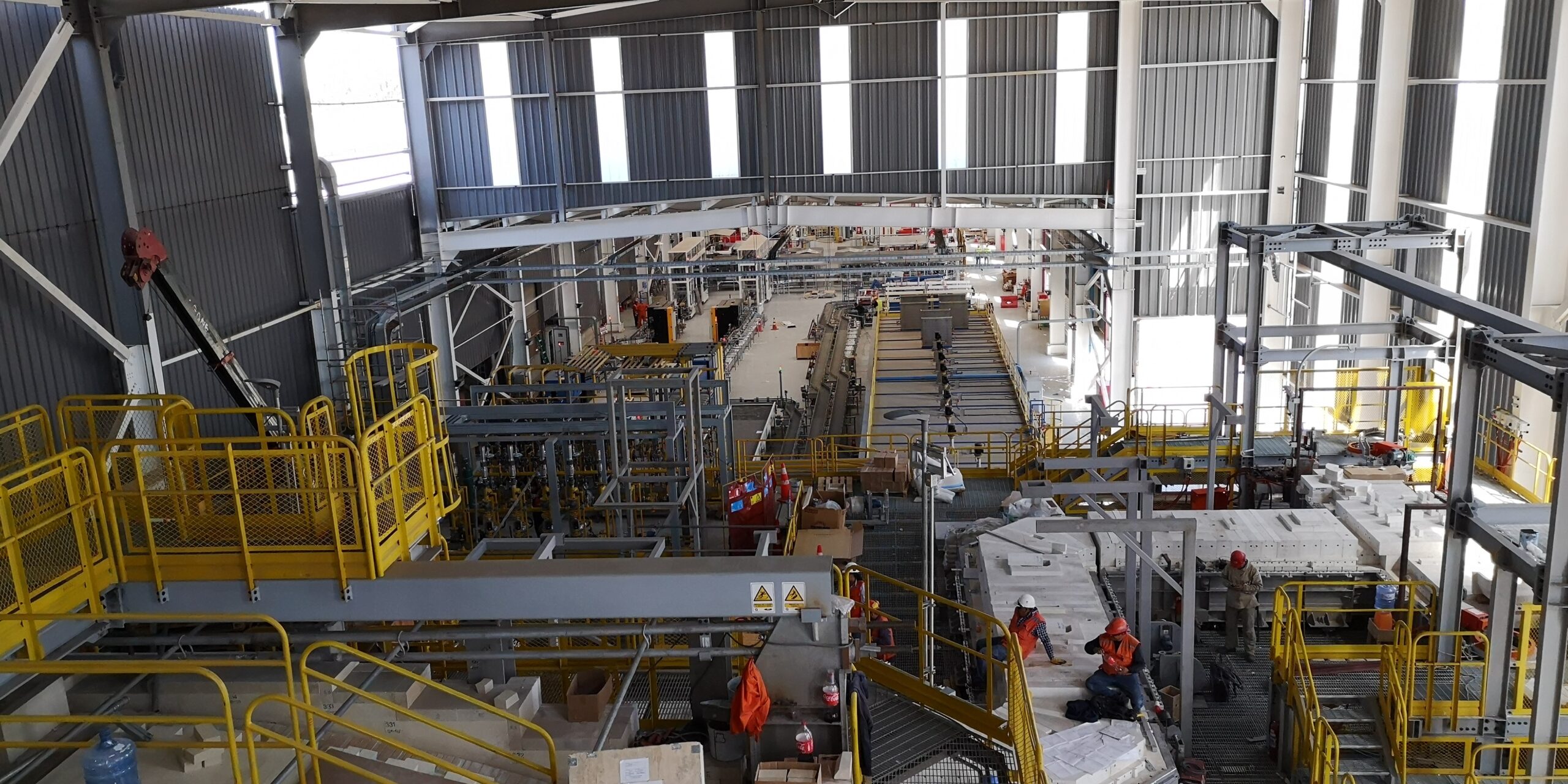
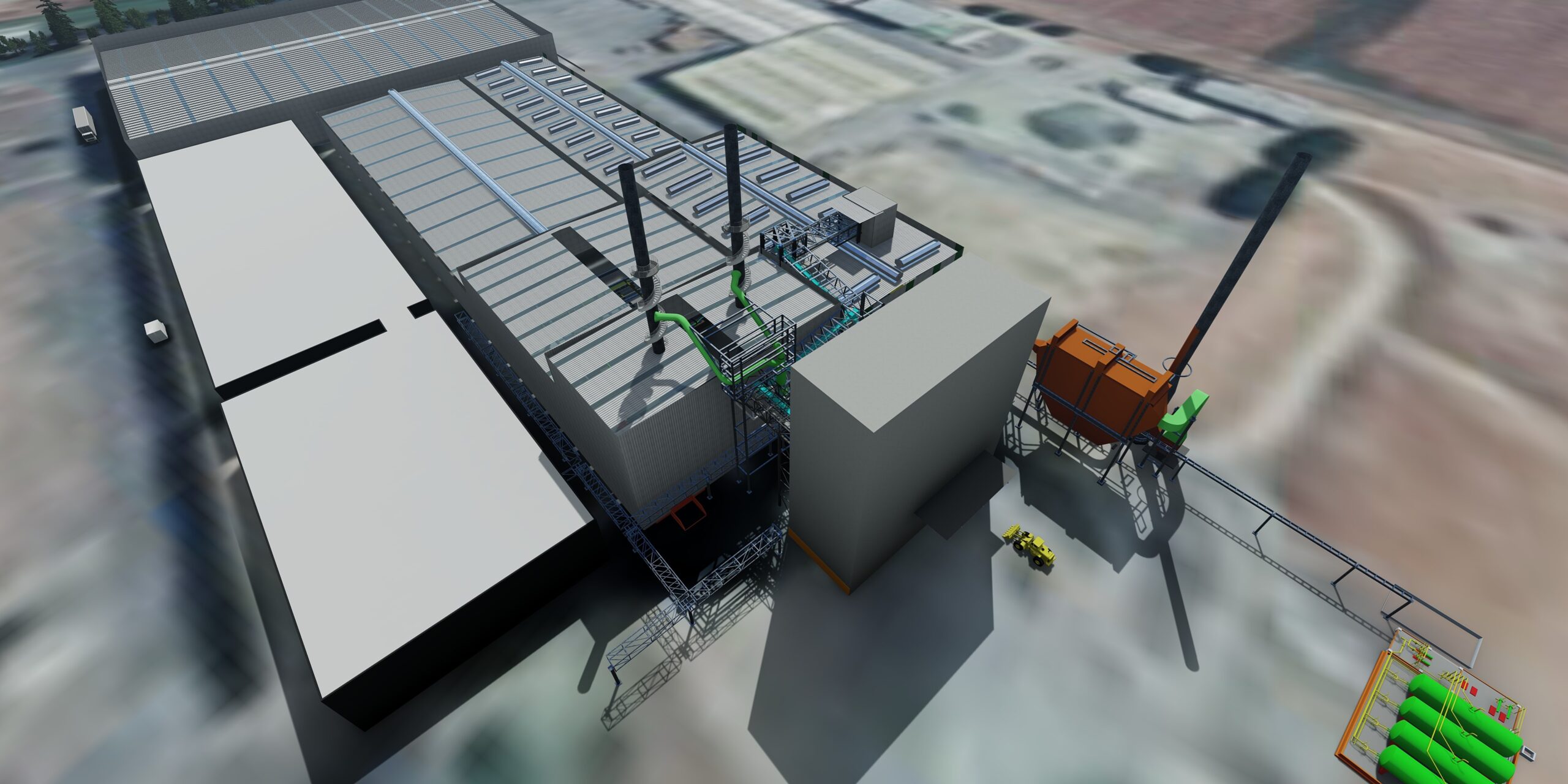
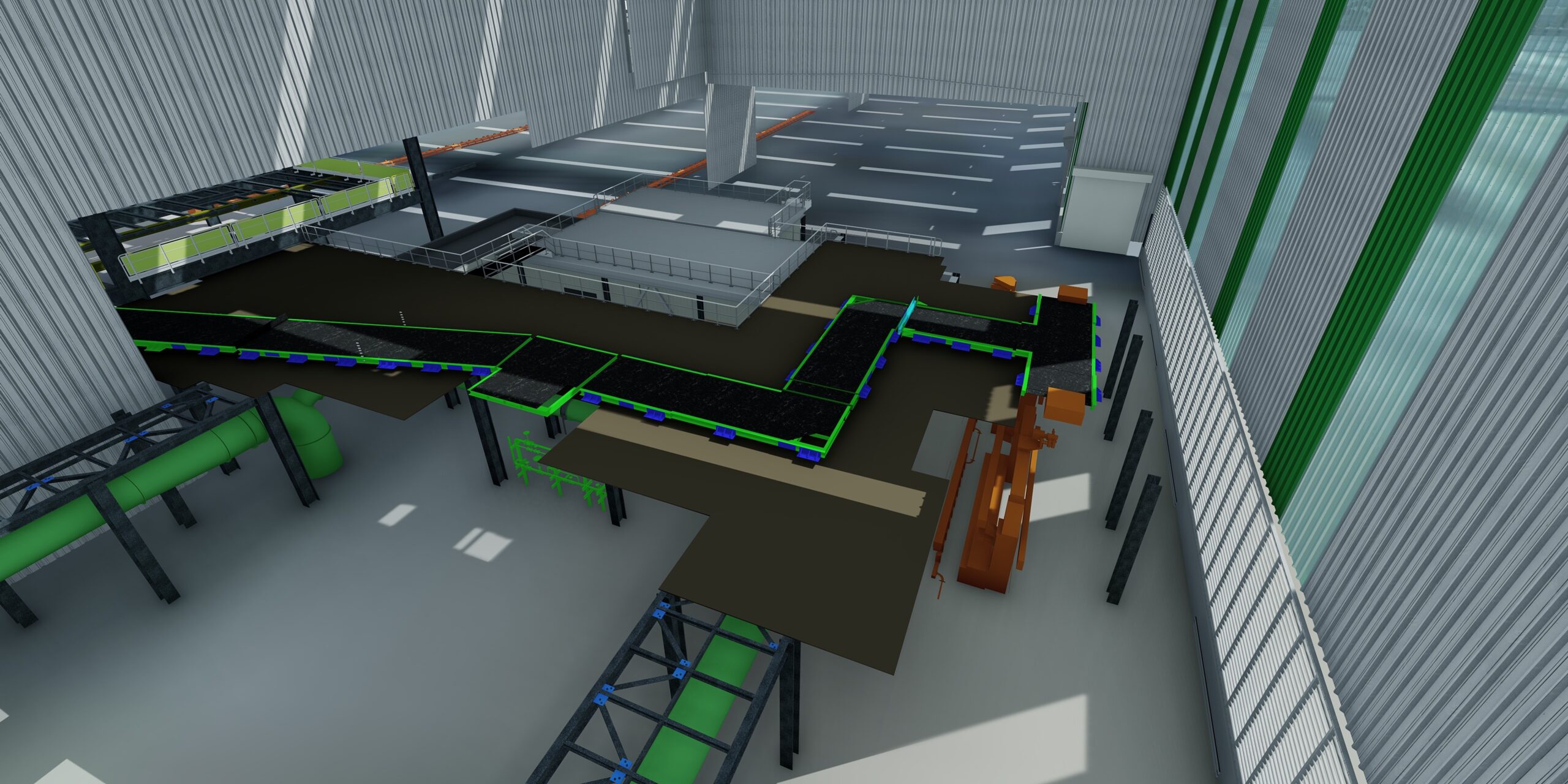
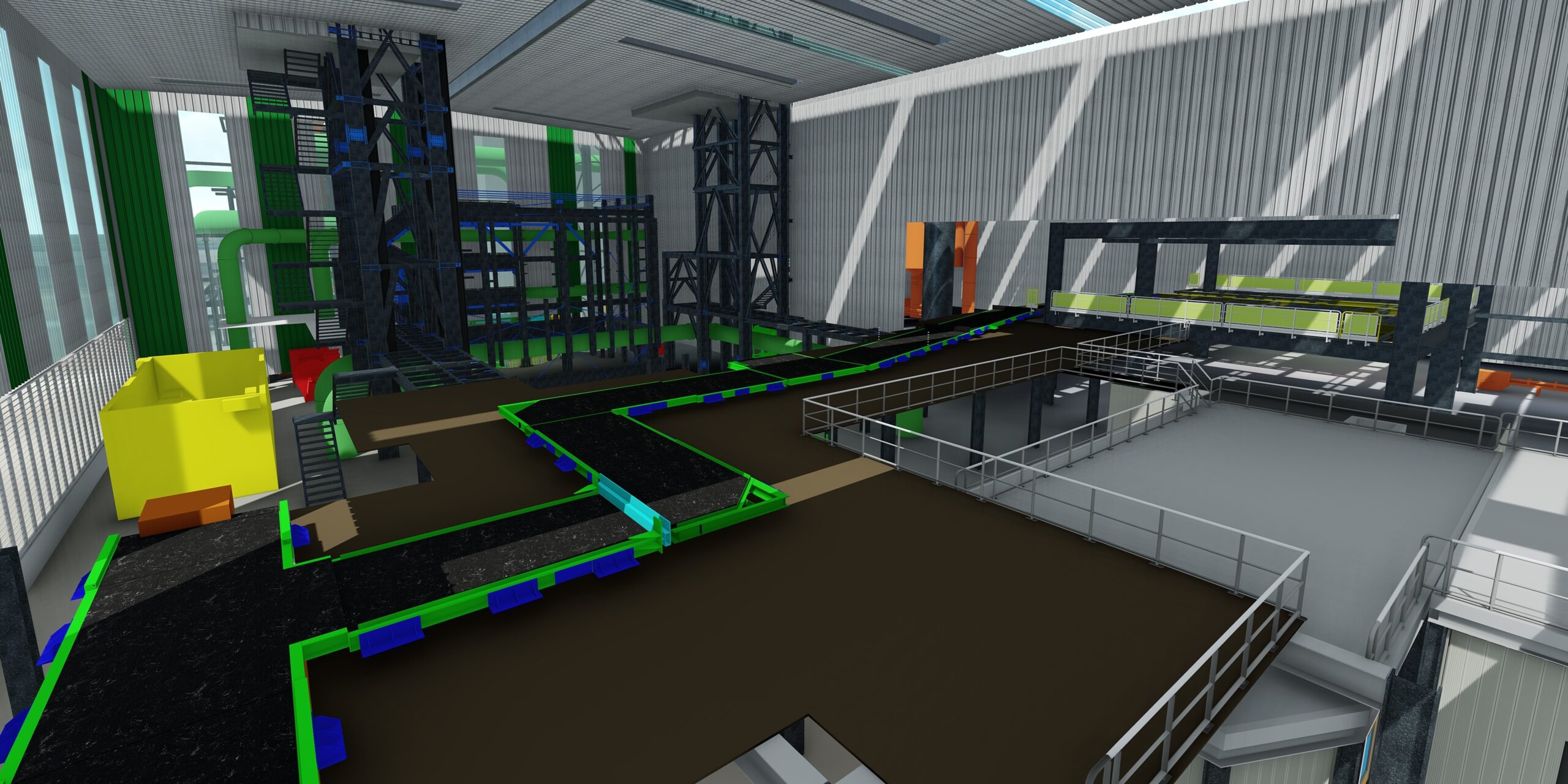
The project carried out by Pa Engineering contemplated increasing the production capacity of the factory to total 405 tons/day of molten glass, for which the replacement of the current furnace was considered, because it fulfilled its useful life, with a new one that allowed the integration of the largest amount of molten glass, and the incorporation of a new production line of 165 tons/day.
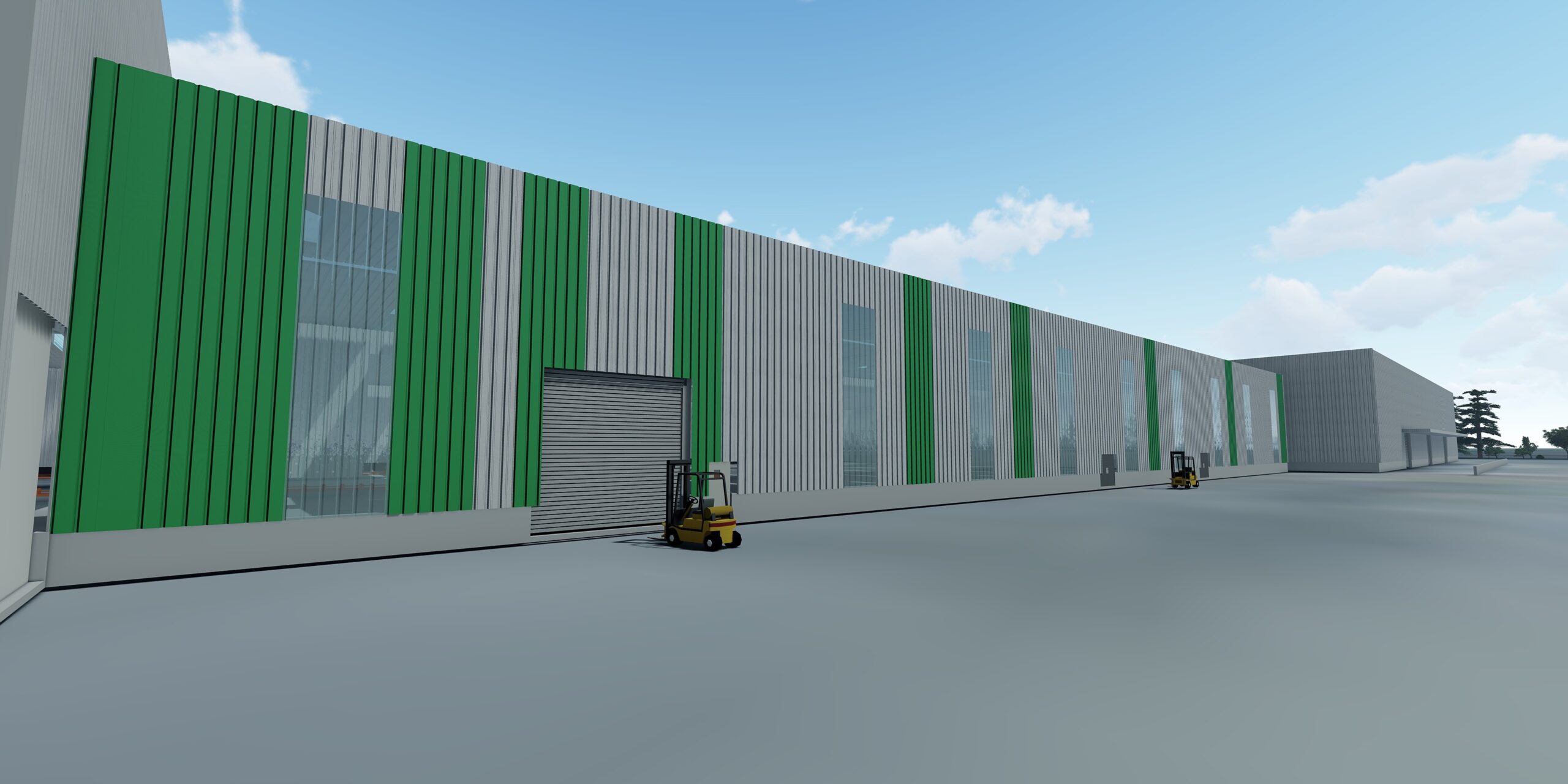
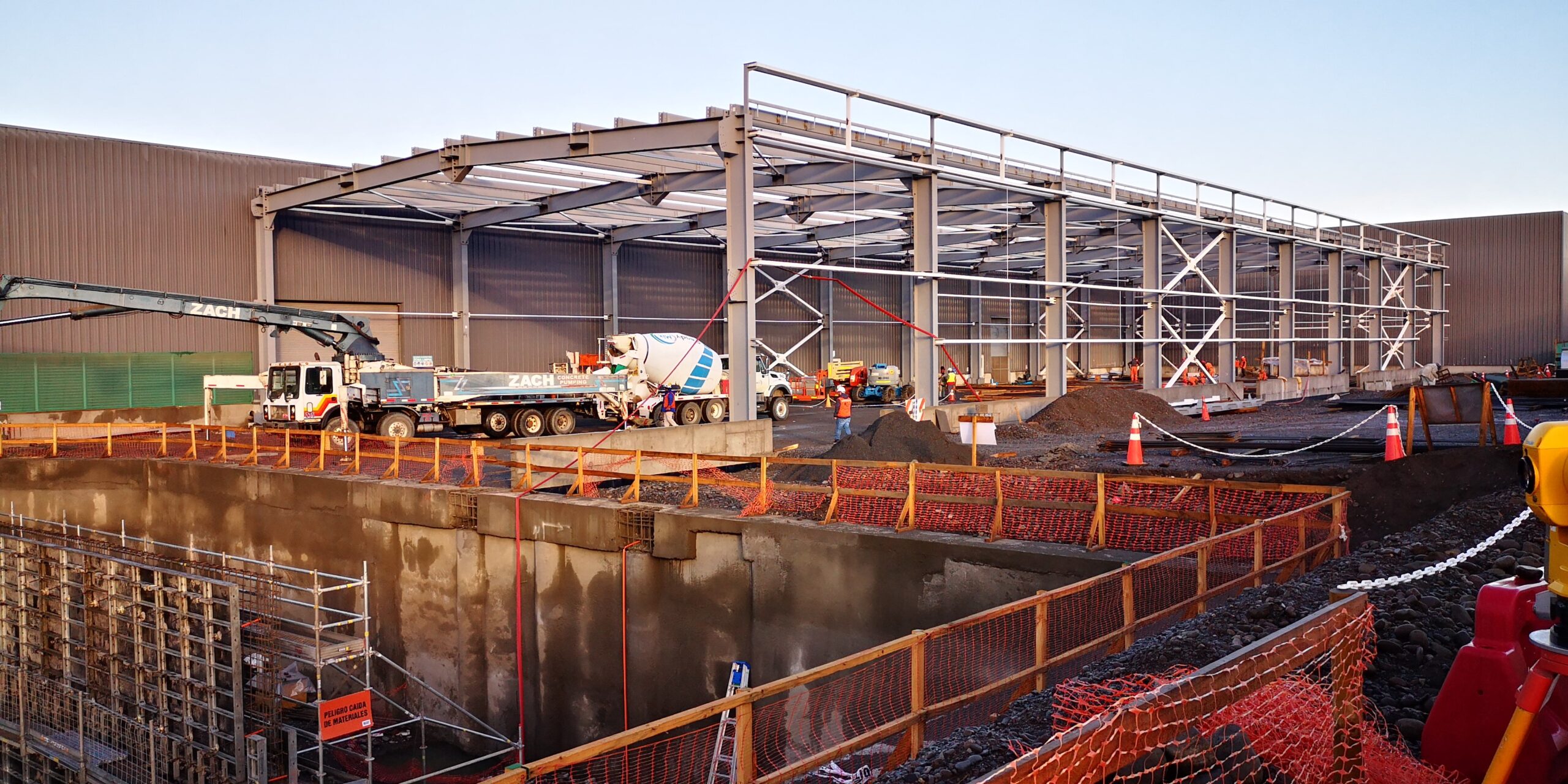
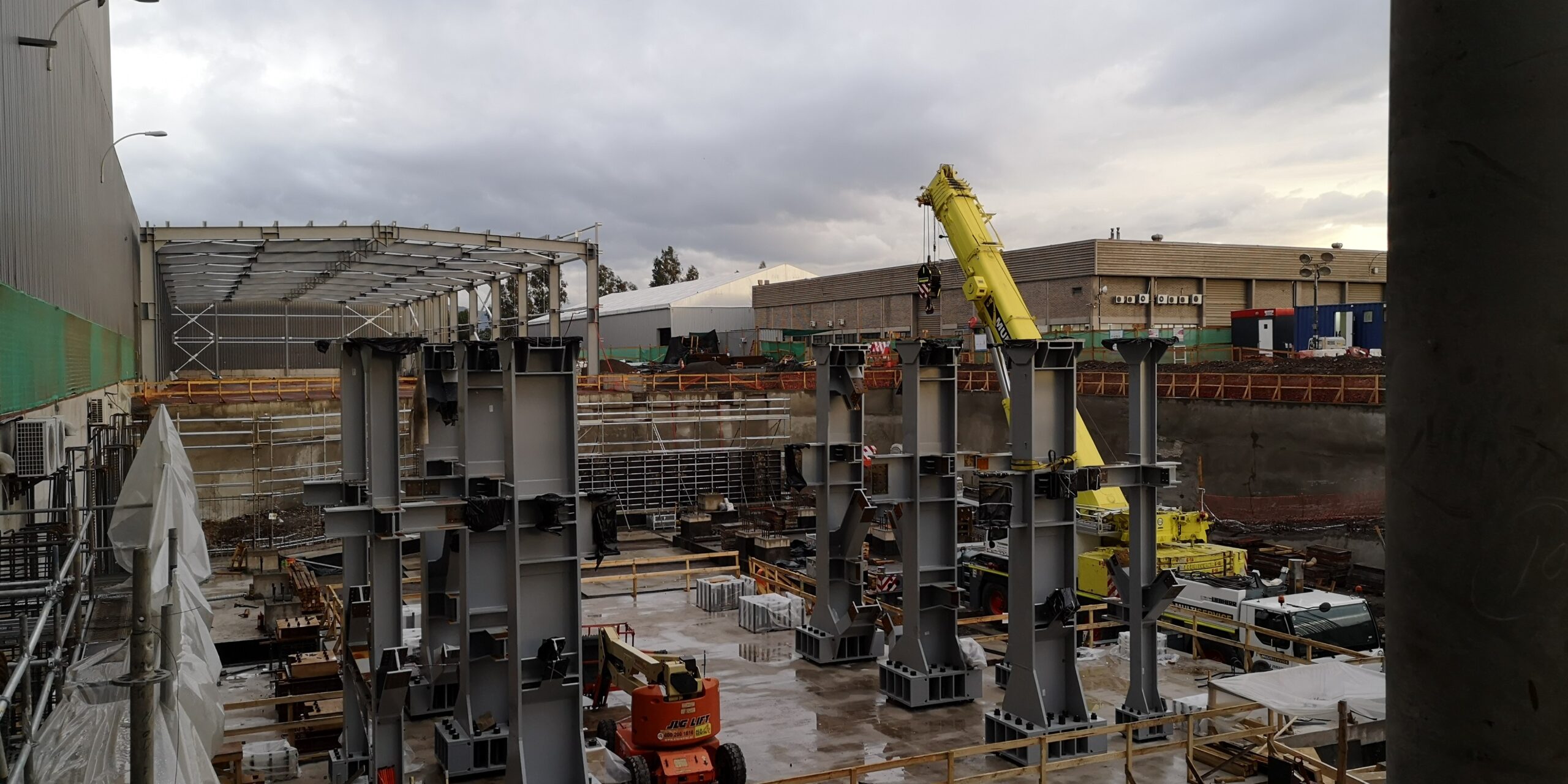
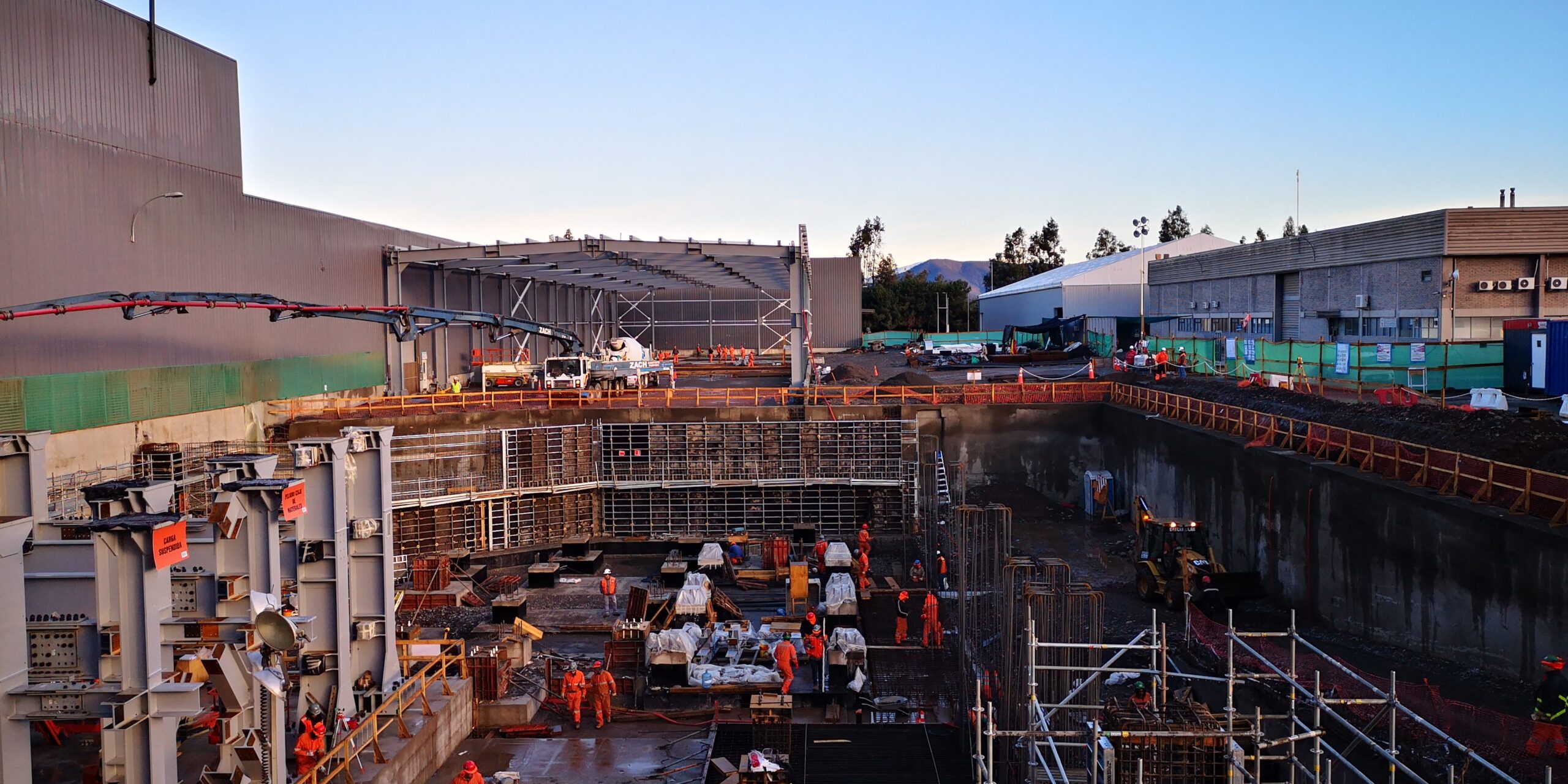
To carry out this work, the building where the production is carried out was expanded, which also houses the new melting furnace and the new production line, plus an electrical room to supply the energy demand of the new facilities.
In addition, in the EPCM development, due to the increase in processing capacity at the factory, the expansion and modification of some of the existing facilities was contemplated, such as the finished product warehouse, truck loading yard, cullet tanks, process water plant, LNG storage area and parking lots.
An important point to note is that while the project was being developed, the production process never stopped, consequently, once the new furnace was implemented, the operation of the old furnace was deactivated. Achieving the above requires great planning and coordination of the entire team of specialists from the conception of the project to carry out the designs and define the construction sequence without altering the normal operation of the plant or risking the safety of the workers.
The project carried out by PA Engineering contemplated increasing the production capacity of the factory to total 405 tons/day of molten glass, for which the replacement of the current furnace was considered, because it fulfilled its useful life, with a new one that allowed the integration of the largest amount of molten glass, and the incorporation of a new production line of 165 tons/day.
To carry out this work, the building where the production is carried out was expanded, which also houses the new melting furnace and the new production line, plus an electrical room to supply the energy demand of the new facilities.
In addition, in the EPCM development, due to the increase in processing capacity at the factory, the expansion and modification of some of the existing facilities was contemplated, such as the finished product warehouse, truck loading yard, cullet tanks, process water plant, LNG storage area and parking lots. An important point to note is that while the project was being developed, the production process never stopped, consequently, once the new furnace was implemented, the operation of the old furnace was deactivated. Achieving the above requires great planning and coordination of the entire team of specialists from the conception of the project to carry out the designs and define the construction sequence without altering the normal operation of the plant or risking the safety of the workers.
Manufacturing

NEW REFRIGERATED CONTAINER MANUFACTURING PLANT
NEW REFRIGERATED CONTAINER MANUFACTURING PLANT
Industrial Sector
Manufacturing
Client
Maersk
Location
San Antonio, Valparaíso Region
Date
2012-2013
Service Area
EPCM Solutions
Solutions
Environmental Impact Statement, basic and detailed engineering, procurement management of equipment and materials, construction administration and technical inspection of works.
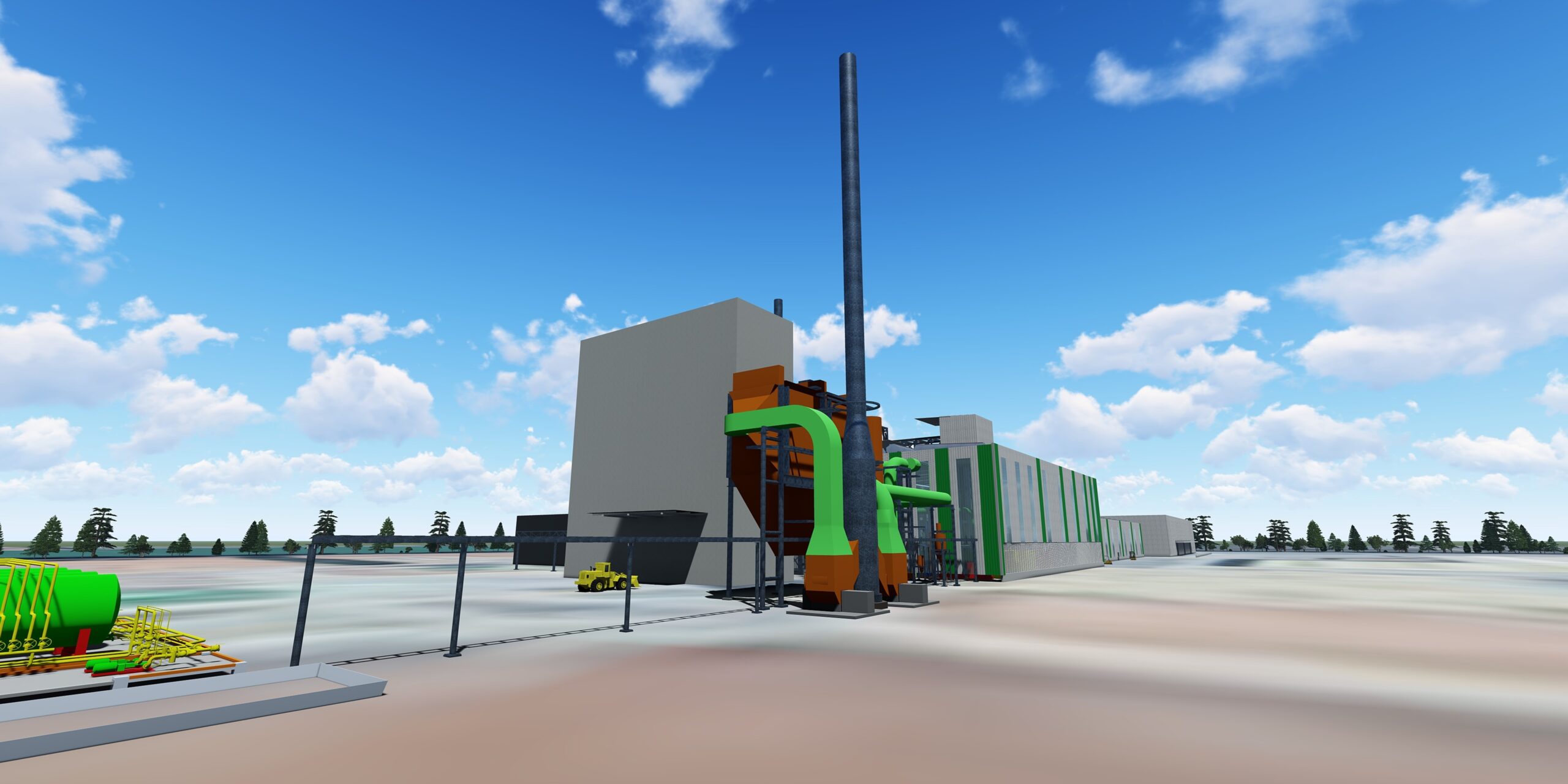
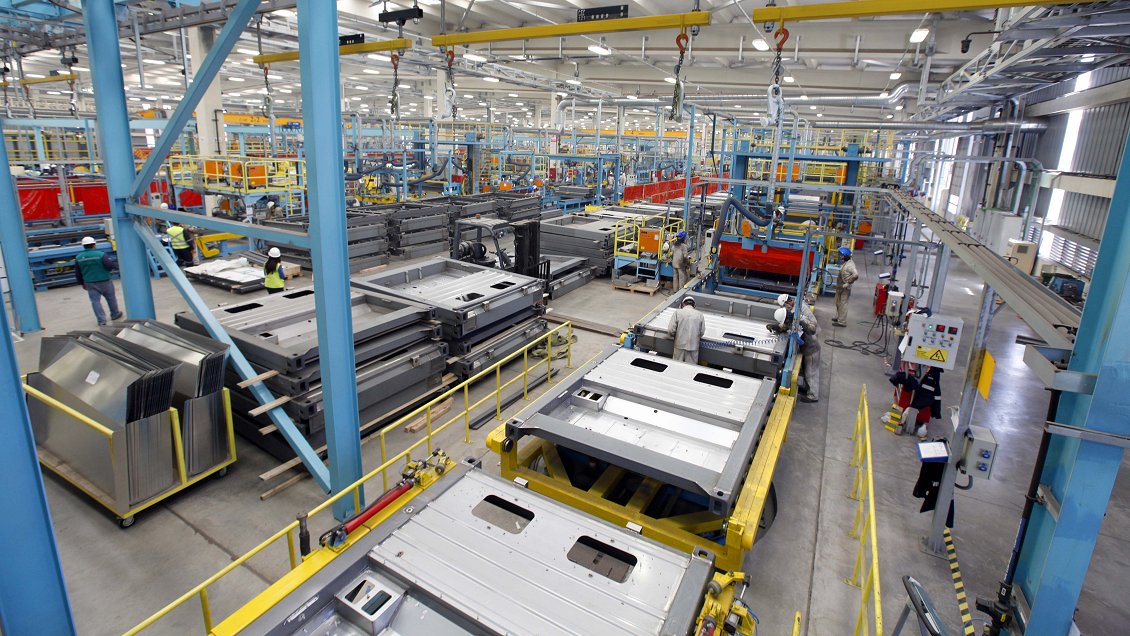
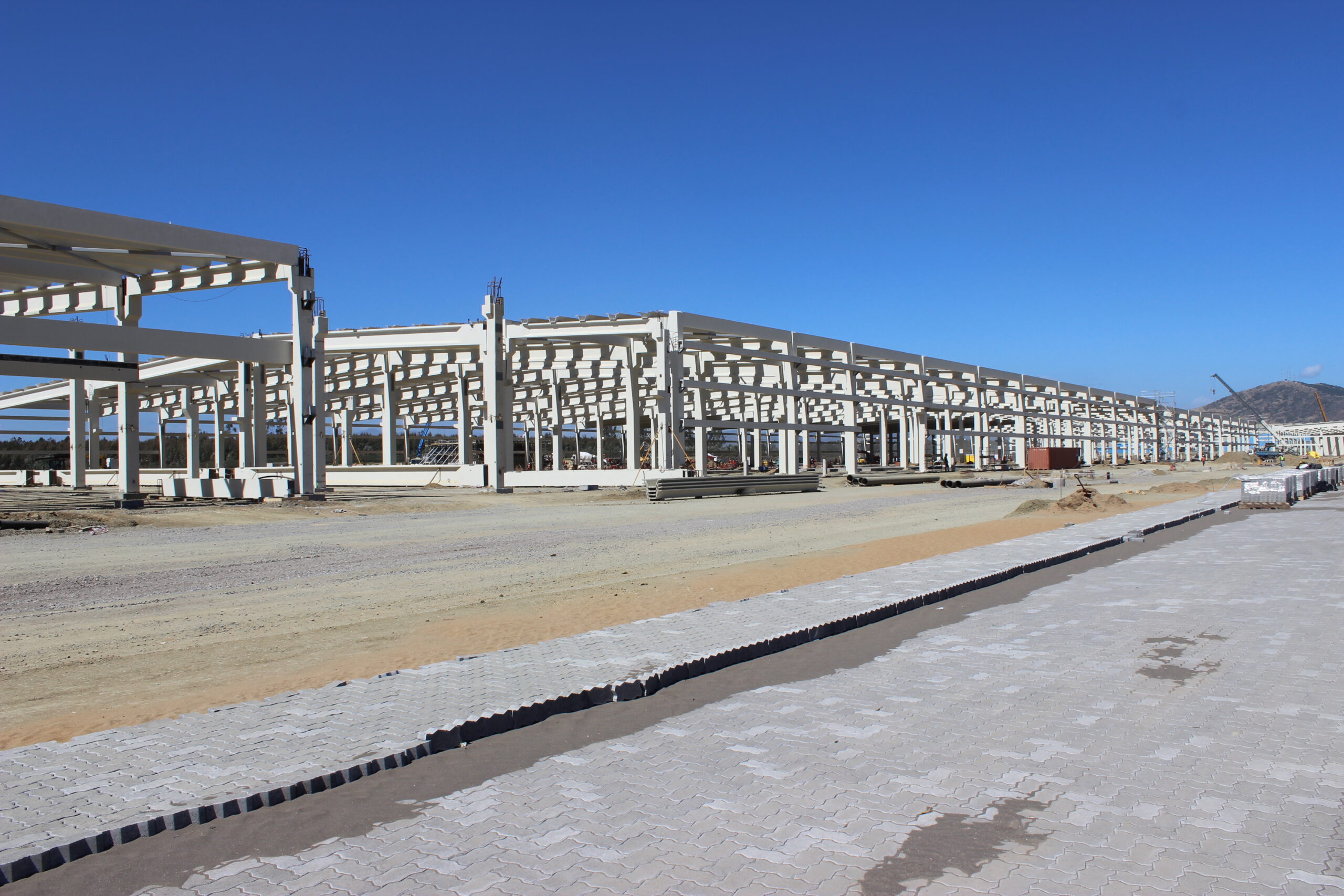
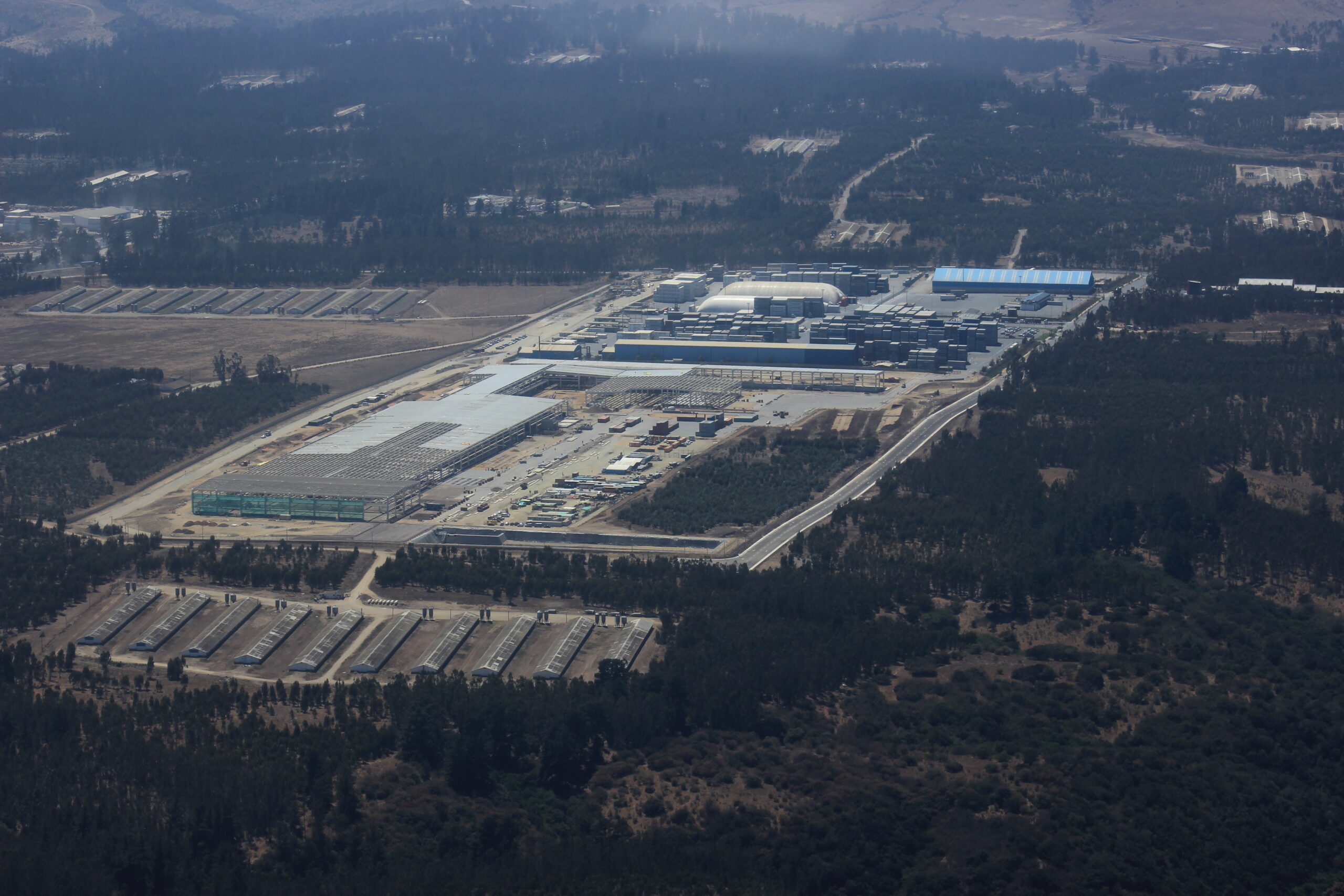
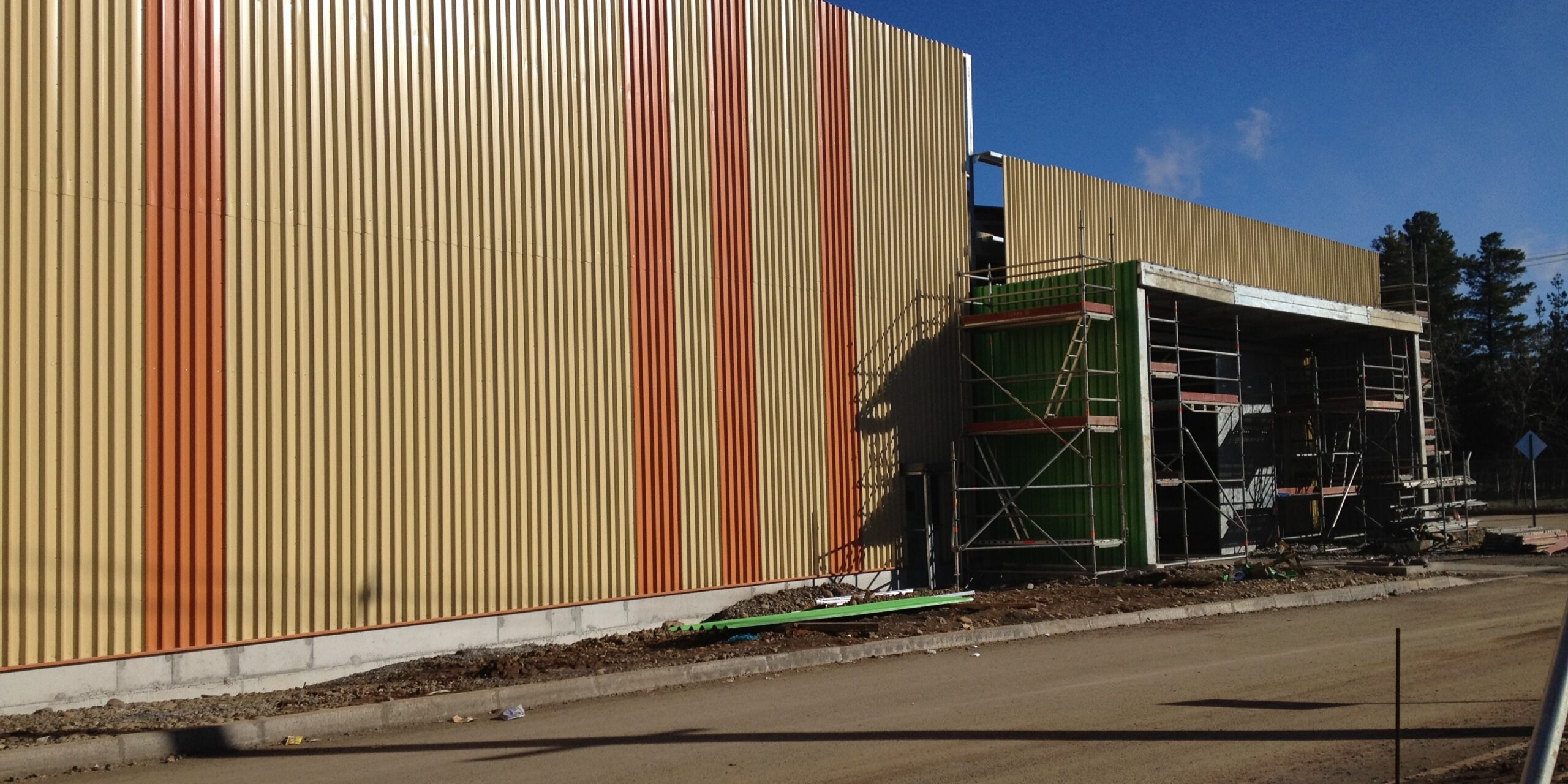
The project for Maersk Container Industry was executed under the EPCM modality and consisted of the construction of a refrigerated container factory. The construction of the plant was approximately 70,000 m2 and was located on a 330,000 m2 site, producing 40,000 containers per year.
Infrastructure
Expansion of berthing sites at the San Vicente Terminal
Expansion of berthing sites at the San Vicente Terminal
Industrial Sector
Infrastructure
Client
San Vicente Terminal Internacional S.A.
Location
Talcahuano, Bío Bío Region
Date
2011-2016
Service Area
Environmental, Consulting & Engineering.
Solutions
Environmental permits, conceptual studies, basic and detailed engineering in civil, structural, electrical, mechanical, technical assistance in tenders and works.
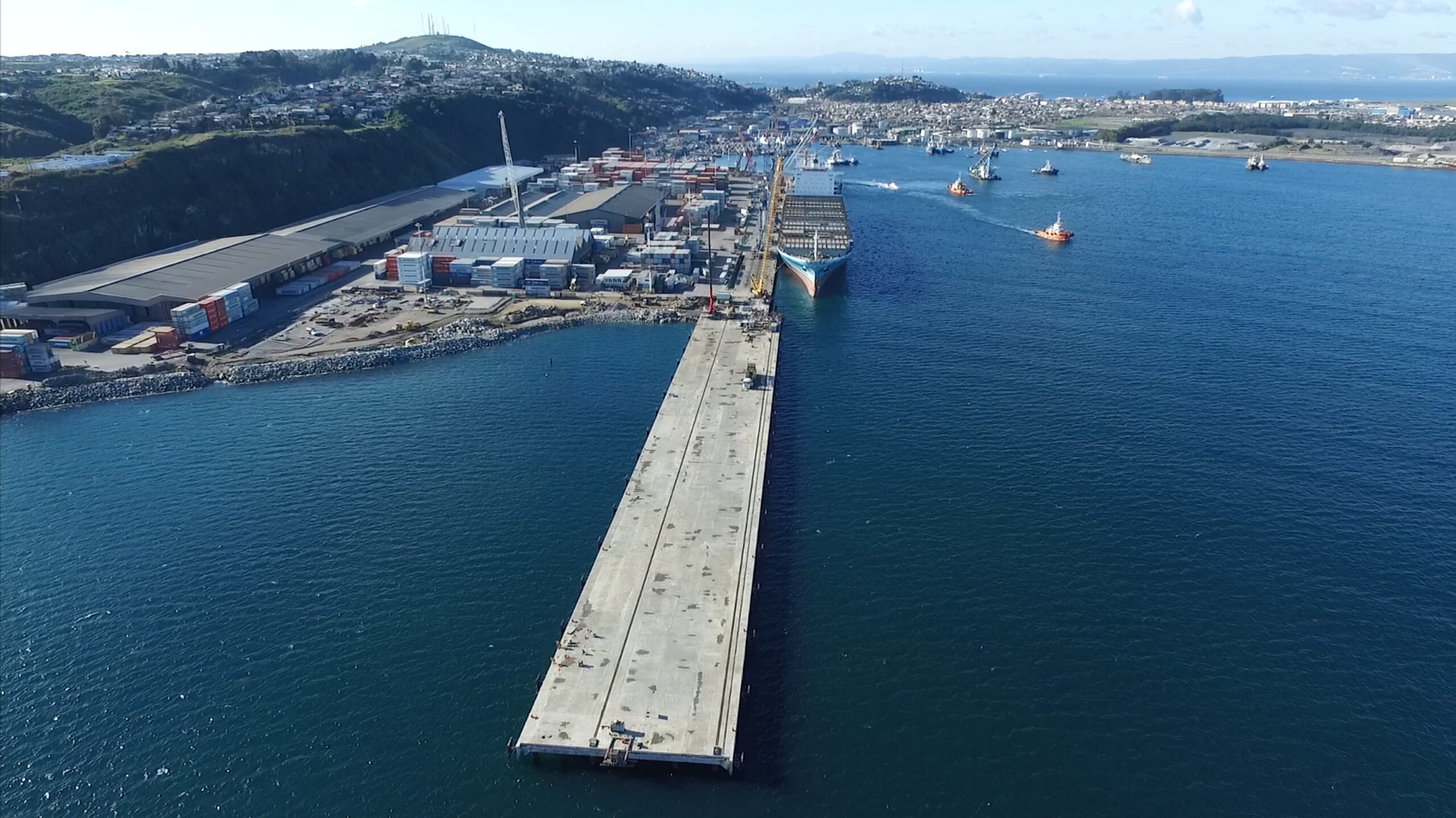
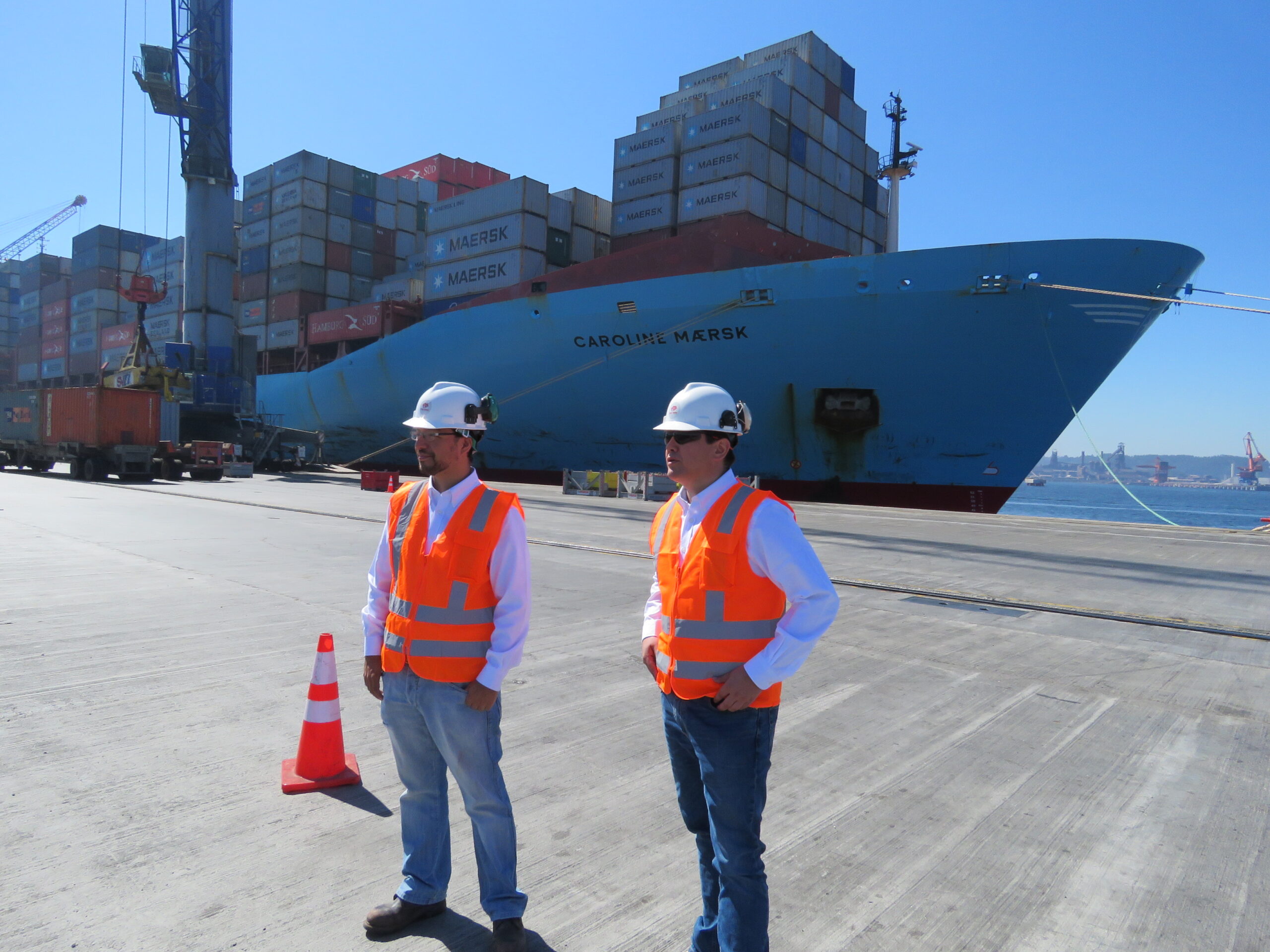
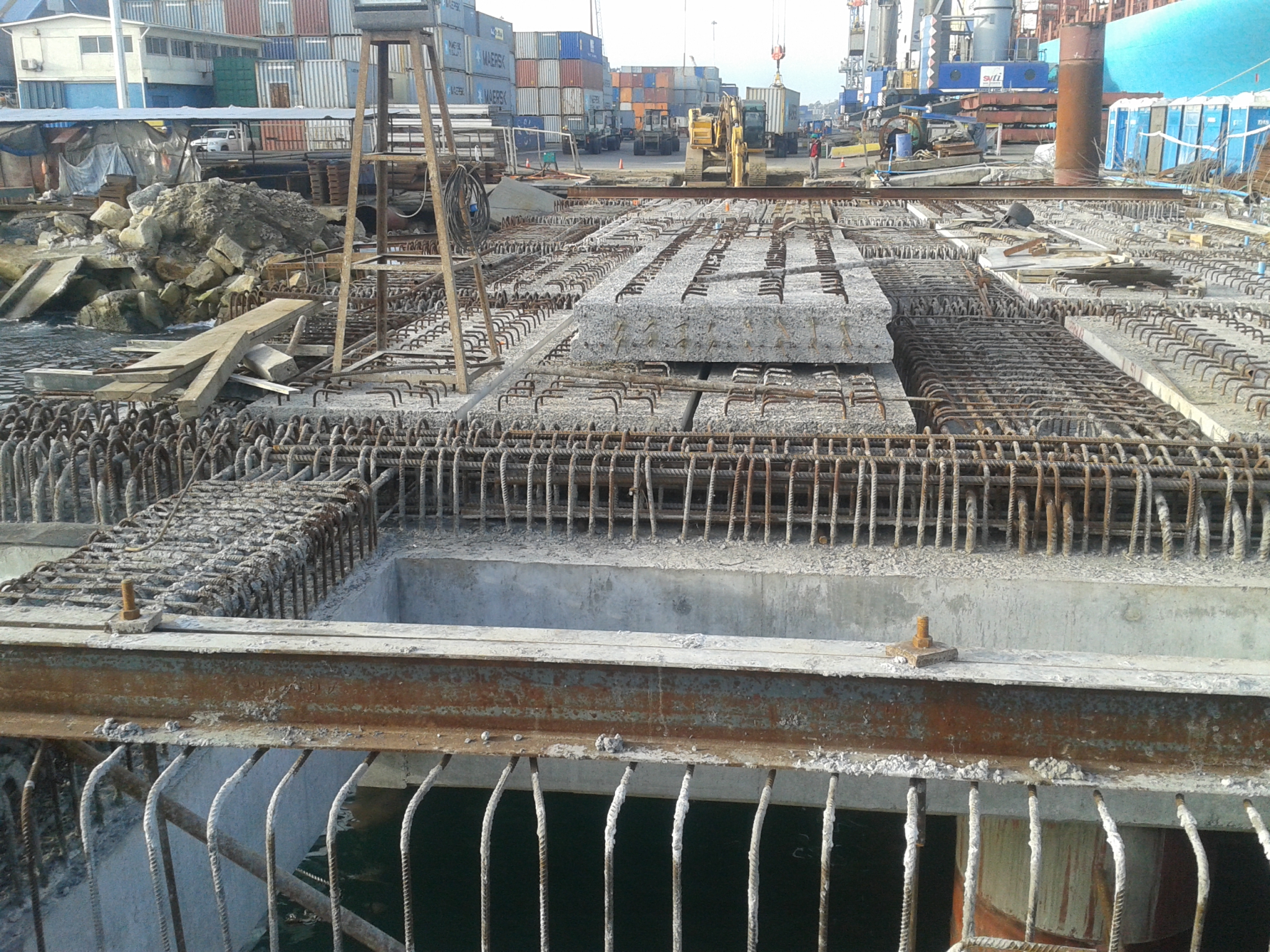
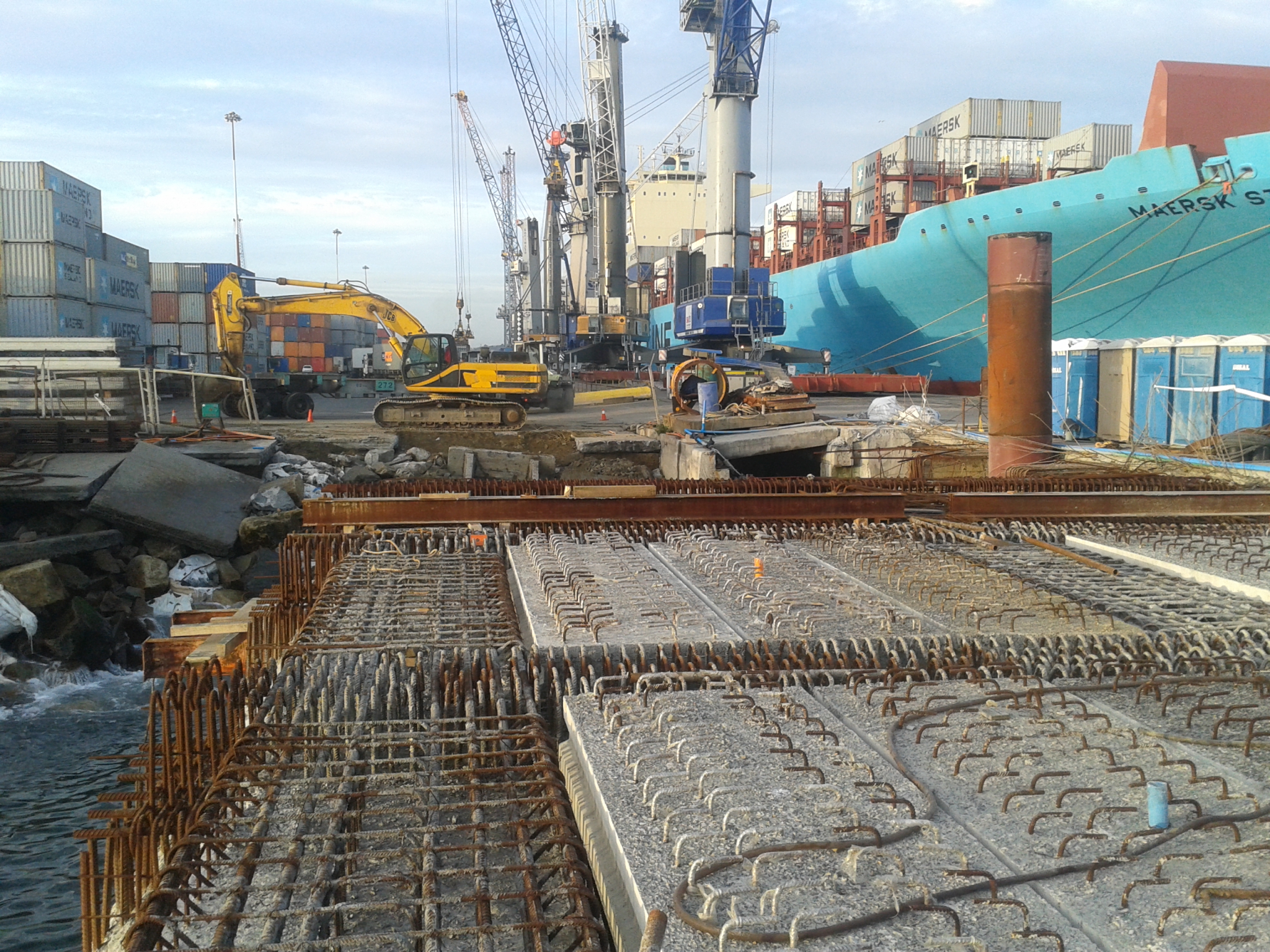
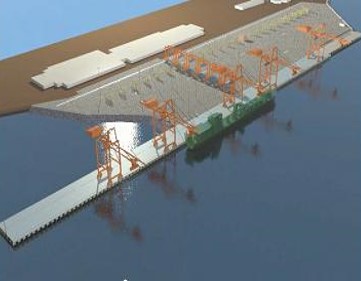
After the earthquake of February 27, 2010, SVTI required a survey of the damage caused by the earthquake. PA Engineering developed the studies and basic engineering to address these improvements. Then it executed the detailed engineering for the new berthing site No. 4, which was planned to be built next to site No. 3, a development framed in the general repair project of the Port.
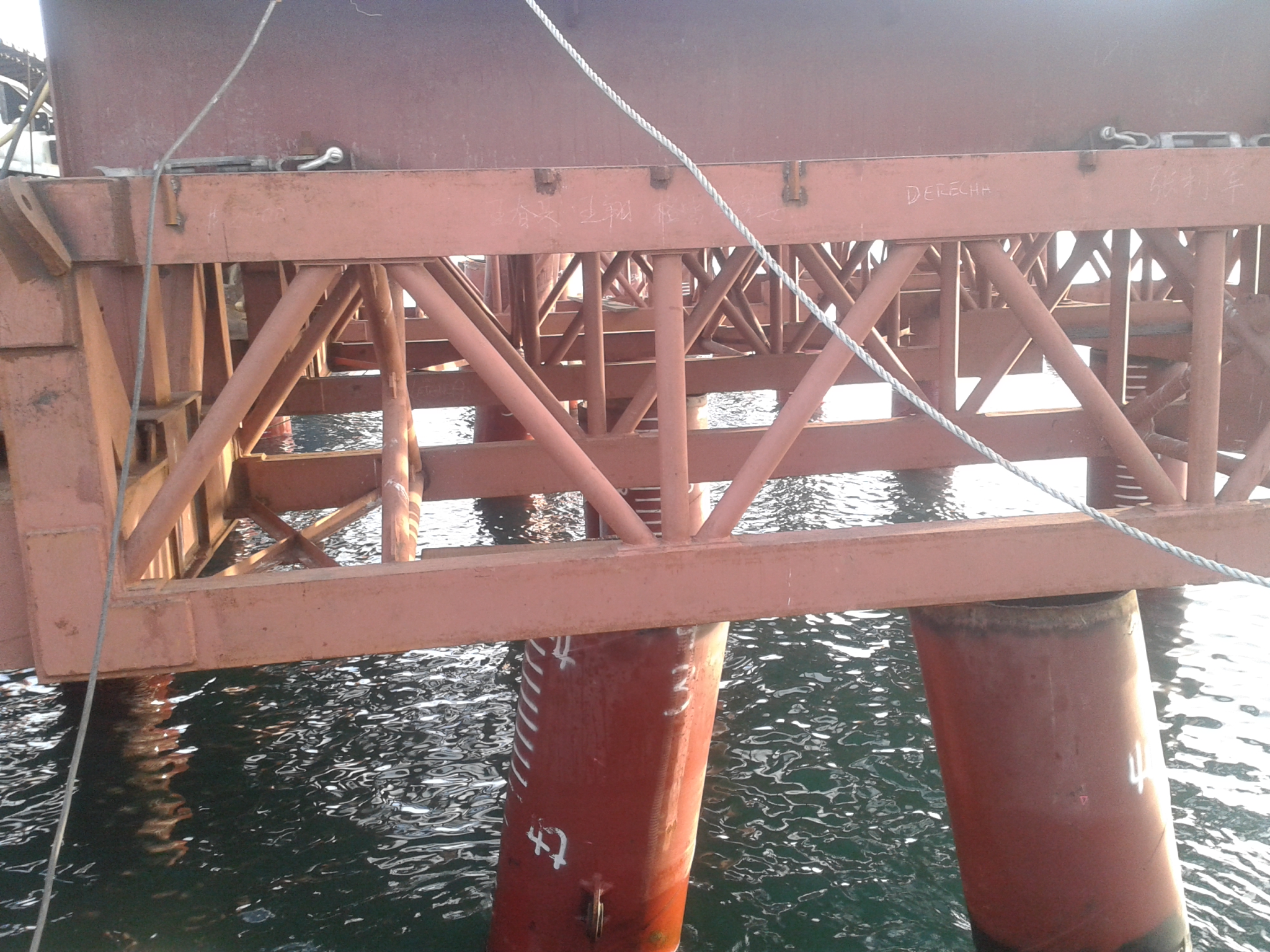
Along with the projection of the esplanade to a new site, the designs of the slabs, crane support beams, earthworks and pile specification were contemplated.
Subsequently, PA Engineering developed the basic engineering for the standardization of the terminal’s fire protection system, and the construction support engineering for the rehabilitation of sites No. 2 and No. 3, the esplanade and container yard, repair of the Water Pond and revision of the fire protection system.
Wood Products
PLYWOOD PLANT EXPANSION
PLYWOOD PLANT EXPANSION
Industrial Sector
Wood Products
Client
CMPC Maderas
Location
Mininco, Province of Malleco in the Araucanía Region
Date
2011- 2013
Service Area
EPCM Solutions
Solutions
Basic and detail engineering, equipment and materials acquisitions, construction administration and technical inspection of works. That is, an EPCM, which, on this occasion, was defined with Target Price, with the commitment of PA Engineering not to exceed the Capex and a deadline for development, defined in common agreement with the client.
In mid-2011, the management of CMPC Maderas’ Plywood plant requested support to estimate the investment involved in expanding its facilities to double its production, going from 240,000 m3 to 500,000 m3 of panels per year without stopping its operation, and to incorporate new technologies to optimize its processes and the efficient use of energy. This is how PA Engineering takes on the challenge, but with an extra ingredient, to carry out the task under the demands and commitment involved in carrying out an EPCM Target Price.
In the first stage of the project, and with the intention of estimating the investment to carry out the transformation of Plywood, a group of PA Engineering professionals worked on the basic engineering.
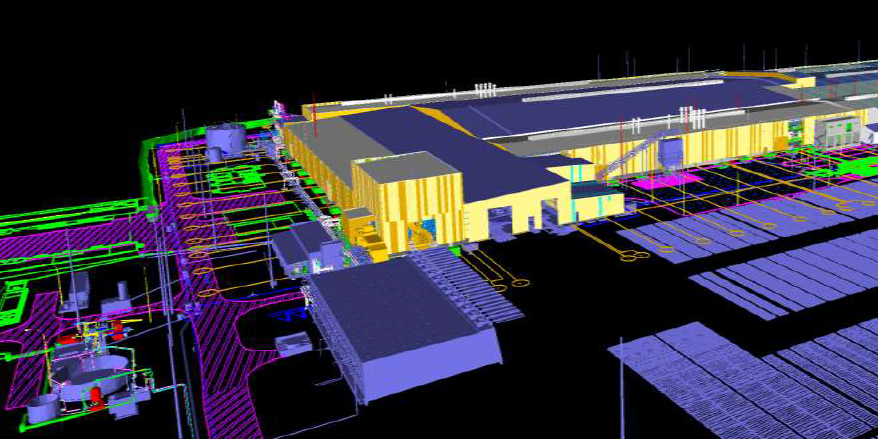
In May 2012, the second stage of the project began, the development of detailed engineering in mechanics, piping, civil and structures, electricity and instrumentation and control, which implied not only the expansion of the plant on its four sides, but also the redesign and expansion of the by-product handling areas. the steam networks, compressed air, fire network, sewage treatment plant and electrical system.
As the detailed engineering progressed, advances began in the procurement, in order to begin construction, all under strict control of compliance with deadlines and Capex and without interfering with the normal operating schedule of the plant.
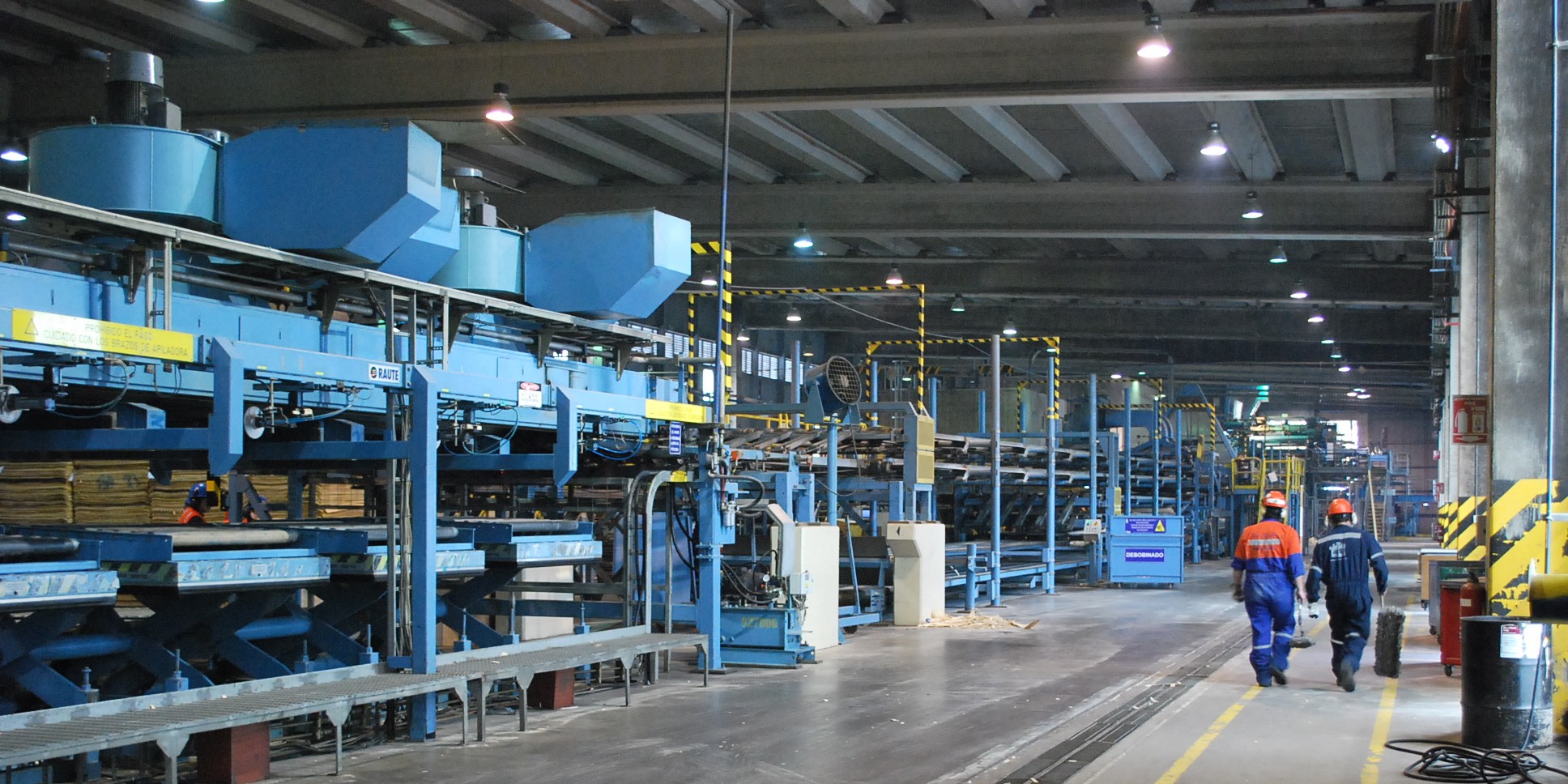
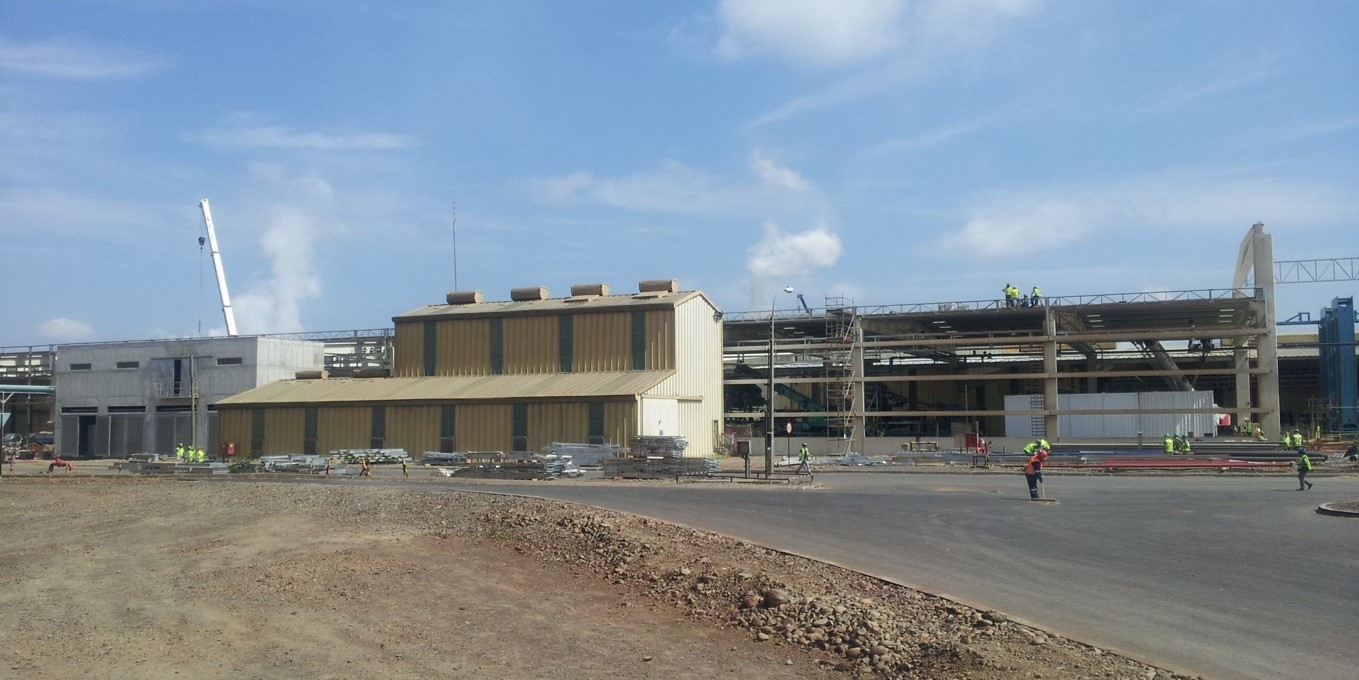
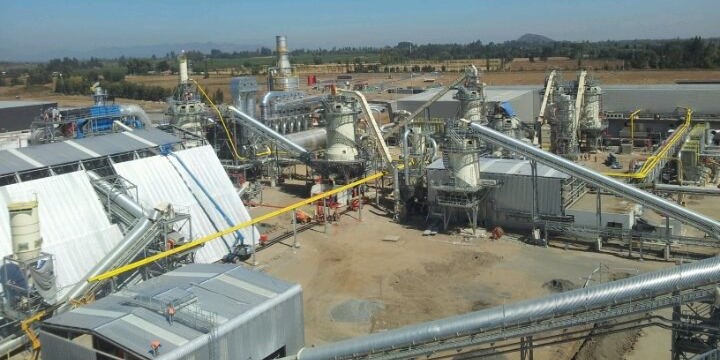
The expansion project to increase production from 240,000 m3/year to 500,000 m3/year of finished plywood, also included the expansion of the industrial warehouse by 31 thousand m2, expansion of the office building, doubling the storage capacity of the piece yard, incorporating an additional unwinding line with its respective by-product handling area, two dryers, an additional joining machine, two automatic gluing and arming lines, two cold presses and two hot presses, and in the finishing area, two automatic panel repair lines and a new squaring and sanding line were incorporated. Additionally, a line was installed to provide greater added value to the panels (texturing, profiling and grooving).
Along with this, the pending areas of the original project were carried out: paving of interior roads, warehouse buildings, spare parts, maintenance workshops, quality control laboratory, dressing rooms, casino, operations and administration offices.
Manufacturing
PRODUCTION OMEGA 3 PLANT
PRODUCTION OMEGA 3 PLANT
Industrial Sector
Food
Client
Golden Omega
Location
Arica
Date
2009-2010
Service Area
Environment, Consulting, Engineering & Procurement
Solutions
Conceptual, basic and detailed engineering in all specialties; management of the purchase of equipment abroad, archaeological survey and obtaining related environmental permits
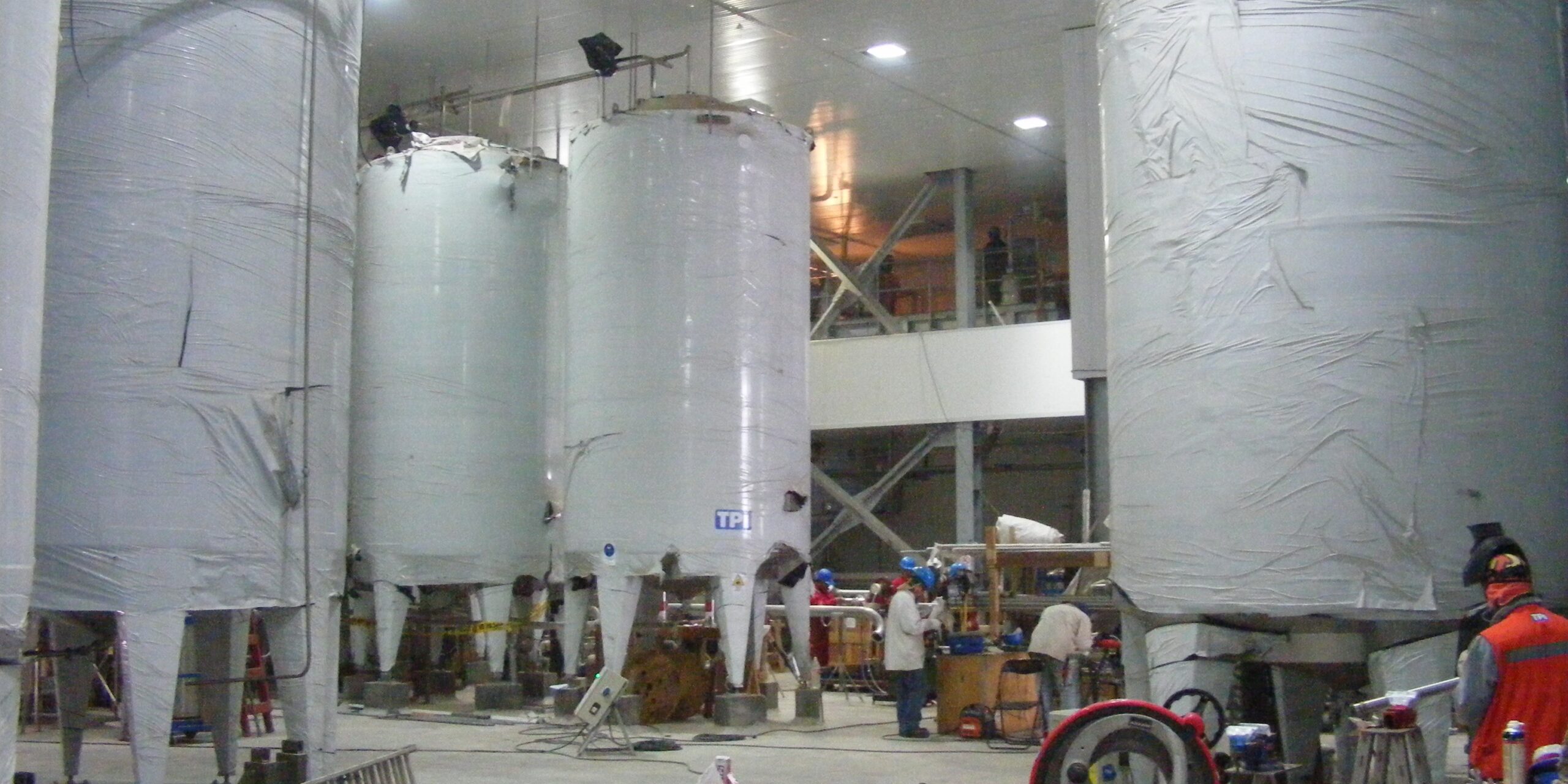
PA Engineering intervened in the proposal through the development of the conceptual engineering, estimating the investment necessary to carry out the project. Subsequently, we presented the basic engineering, in which the required processes were defined, then developed the detailed engineering in all disciplines and the management of the procurement of the equipment abroad.
Along with this work, the PA Engineering Environmental Management, worked on the archaeological survey and the obtaining of related environmental permits. Then the Engineering Management developed the construction program and provided the ground engineering, which allowed the required adjustments to be made to the details of the construction.
Mining
CUPROCHLOR® RECOVERY OPTIMIZATION FOR SECONDARY SULFIDES - MINERA ZALDÍVAR
CUPROCHLOR® RECOVERY OPTIMIZATION FOR SECONDARY SULFIDES - MINERA ZALDÍVAR
Industrial Sector
Mining
Client
Antofagasta Minerals
Location
It is 3,000 meters above sea level, 175 kilometers southeast of the Antofagasta City, Region II.
Date
2018-2020
Service Area
Consulting & Engineering
Solutions
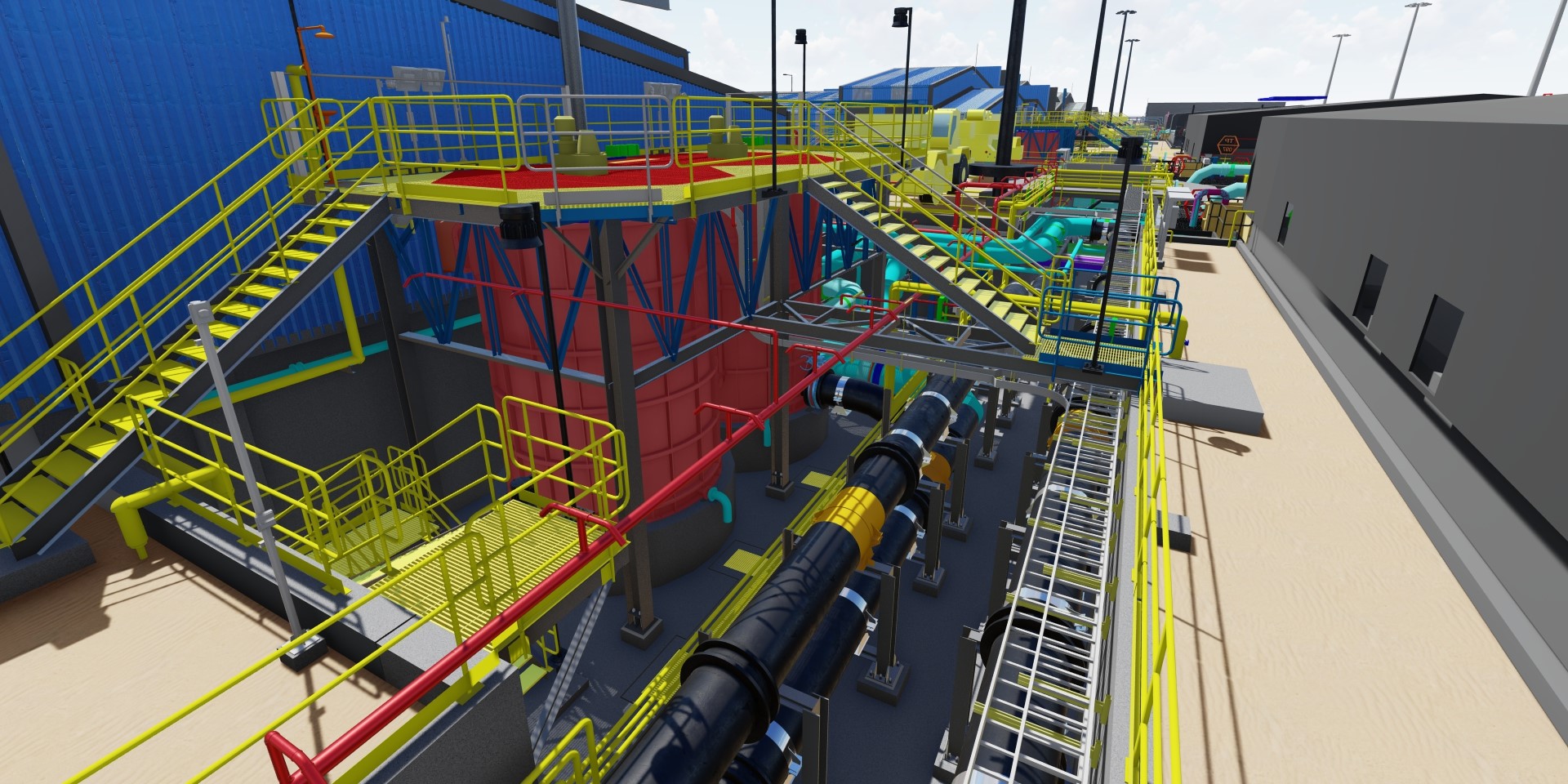
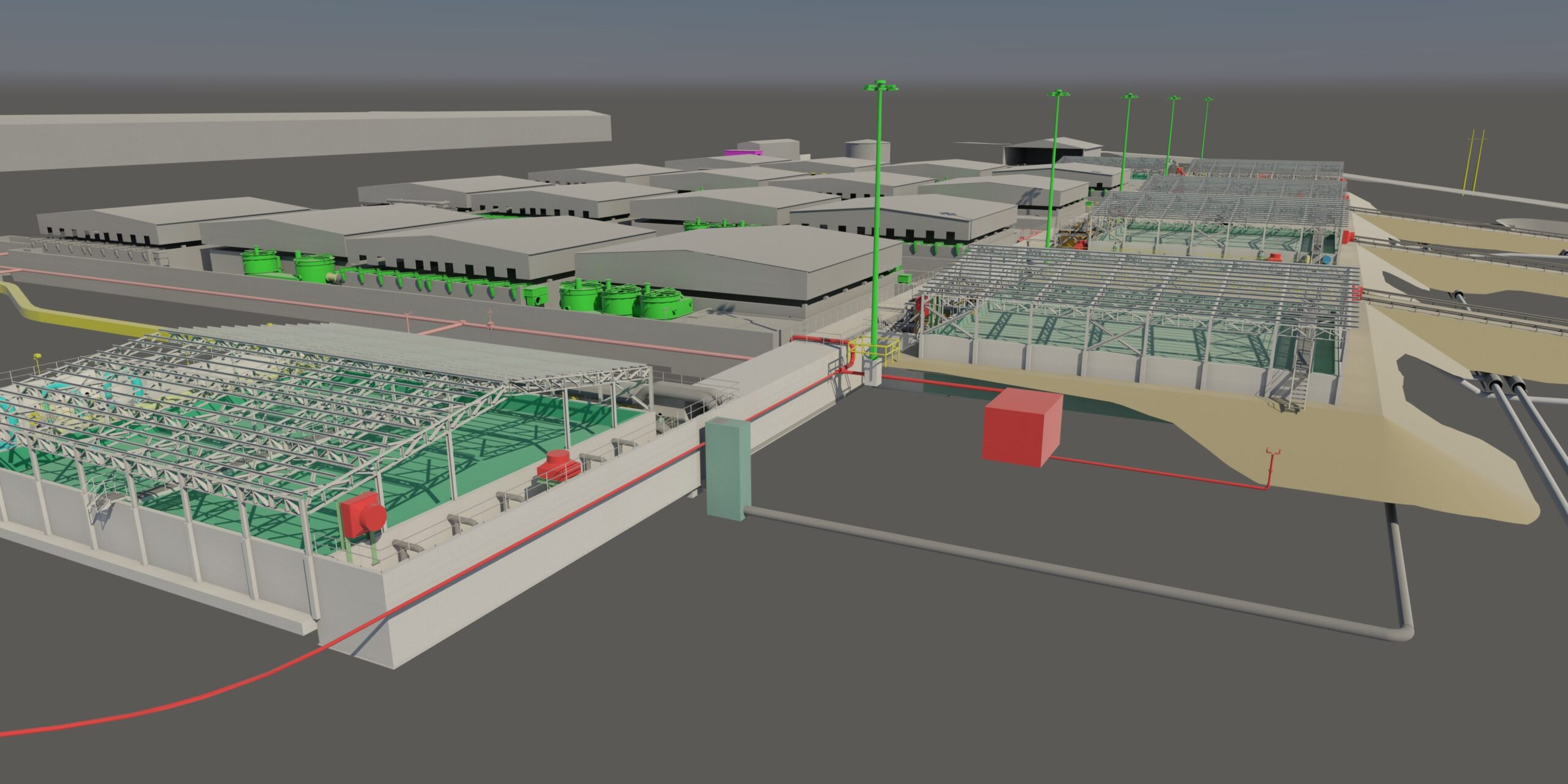
Feasibility study, basic and detailed engineering, 3D modelling applied to BIM methodology, Capex, factory inspection and on-site engineering.
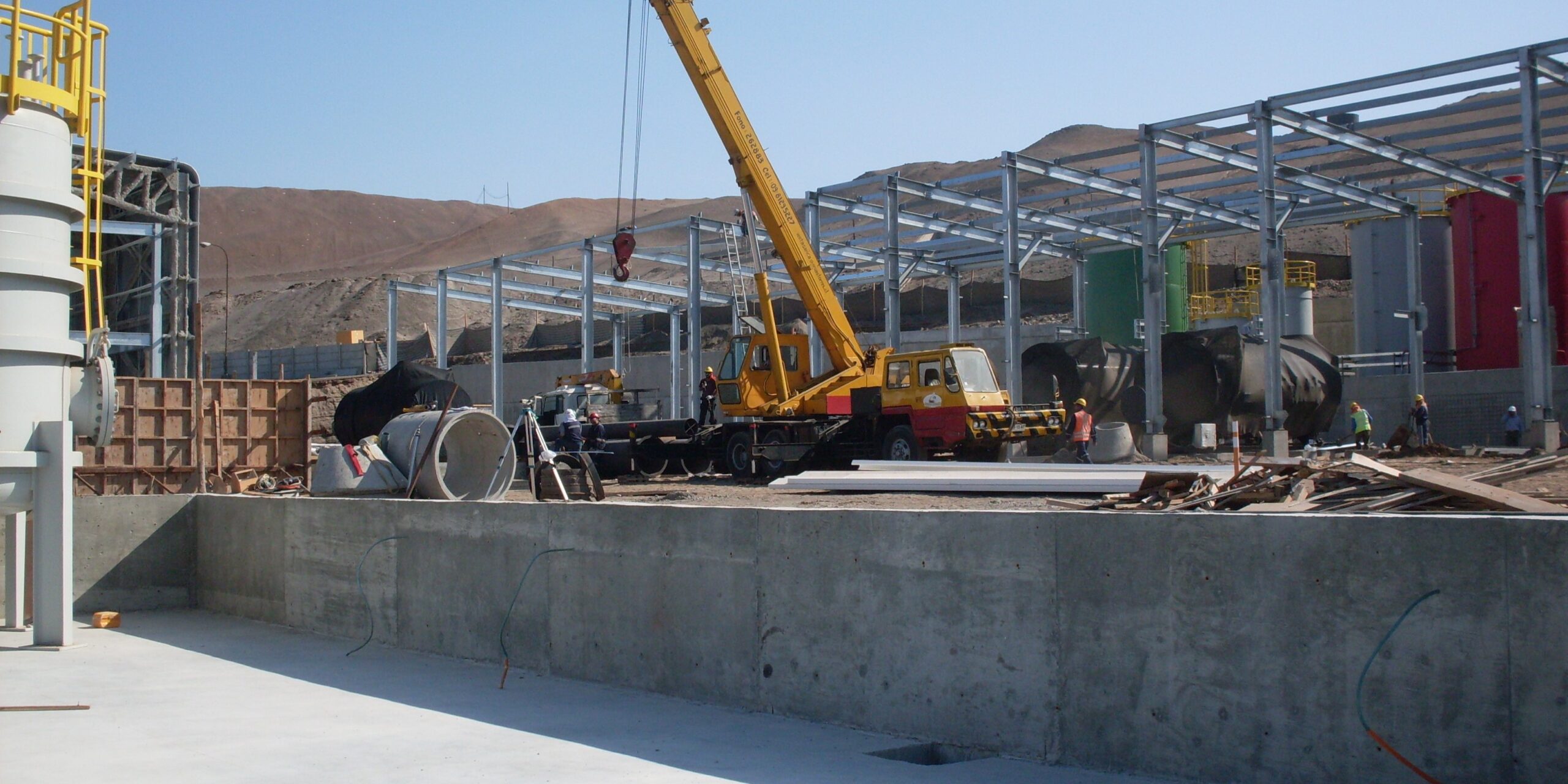
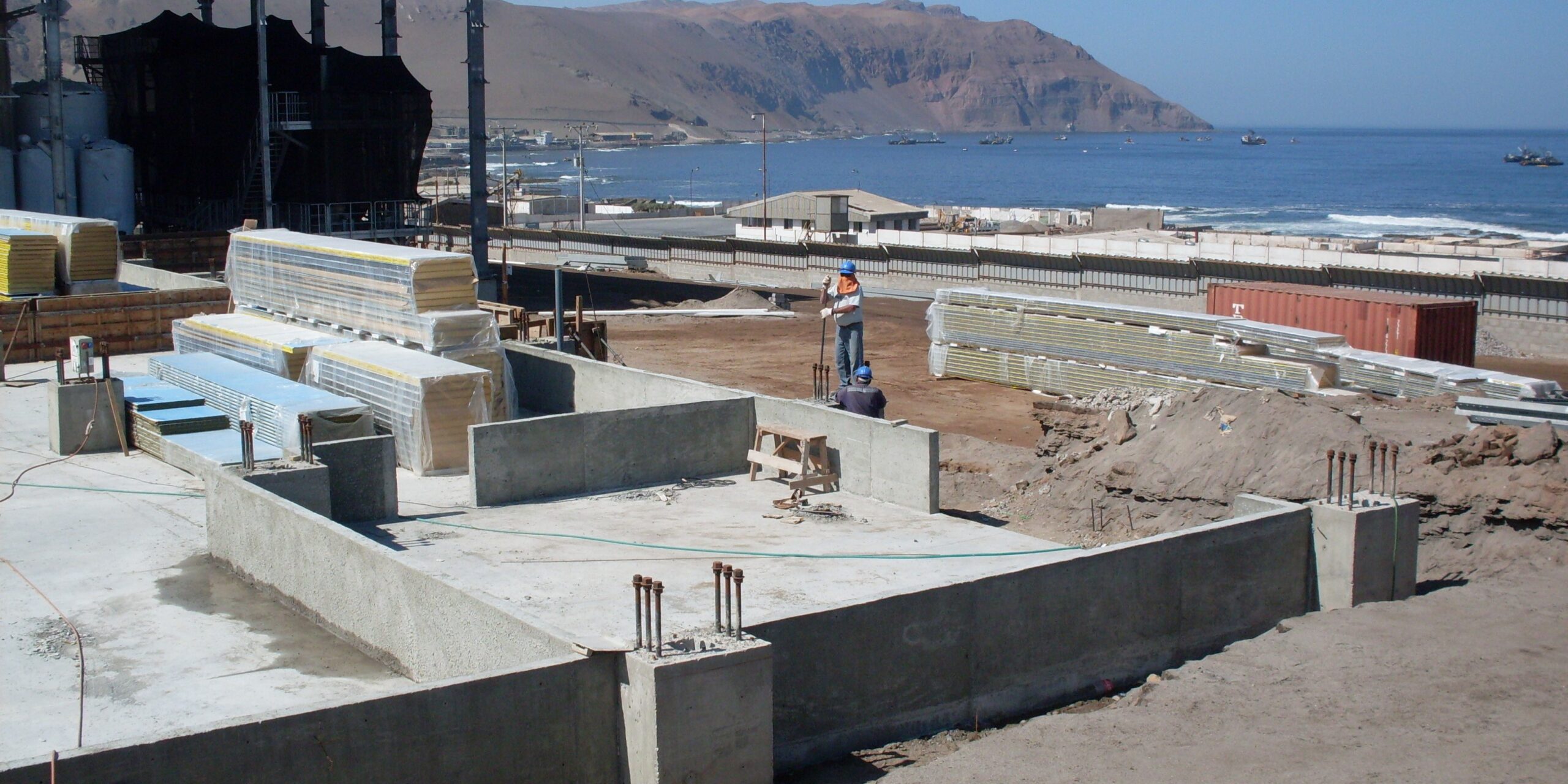
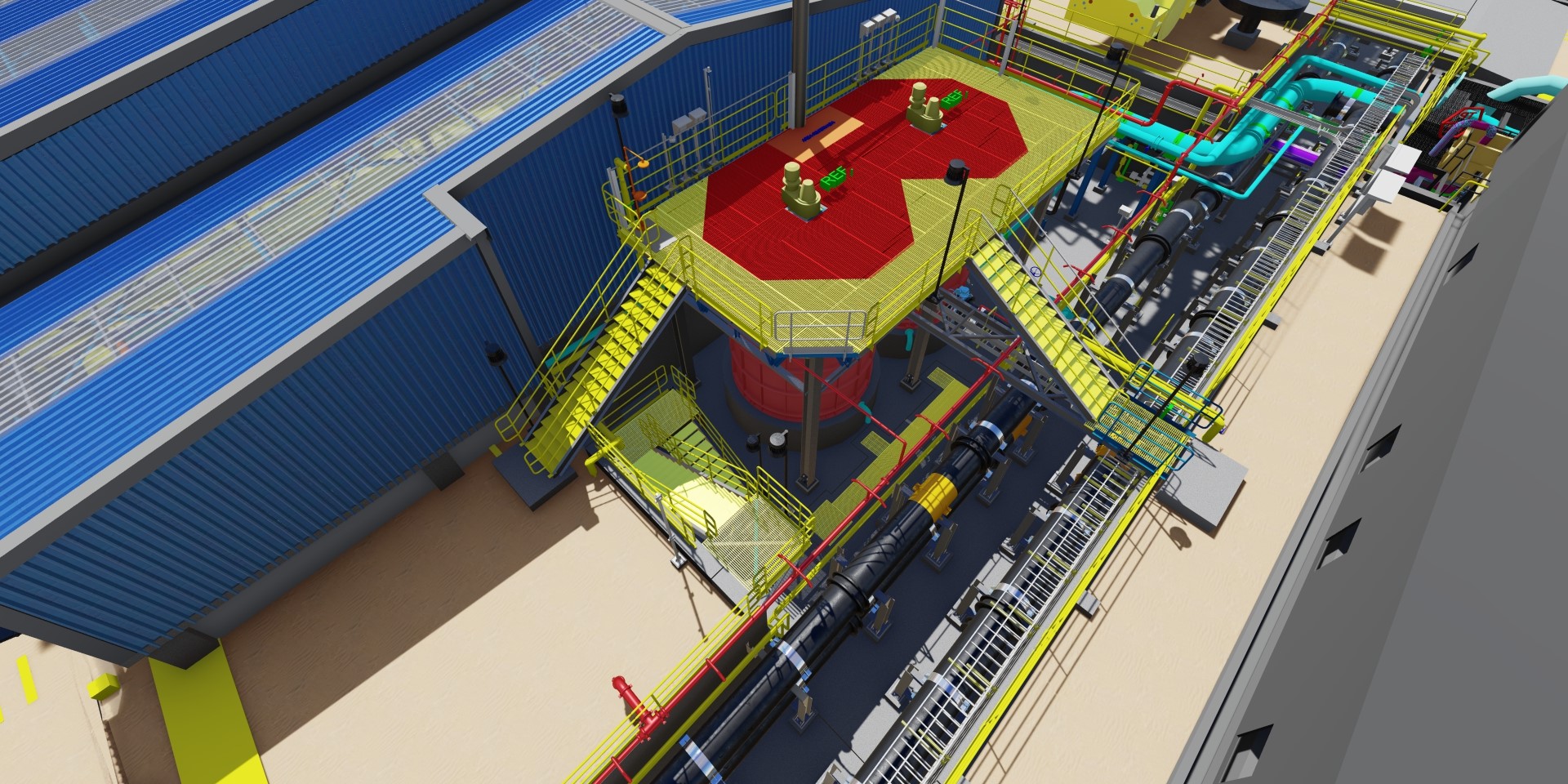
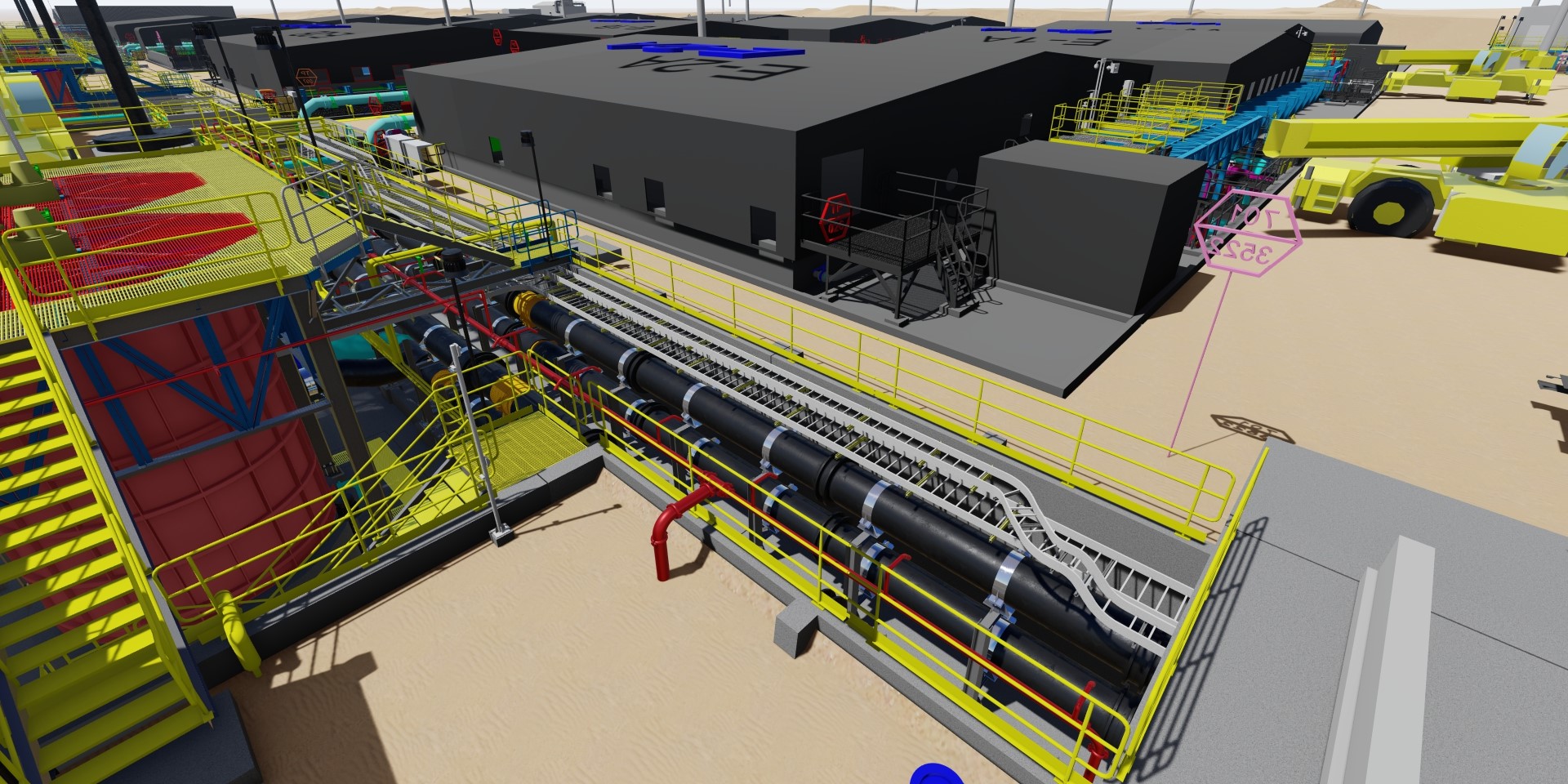
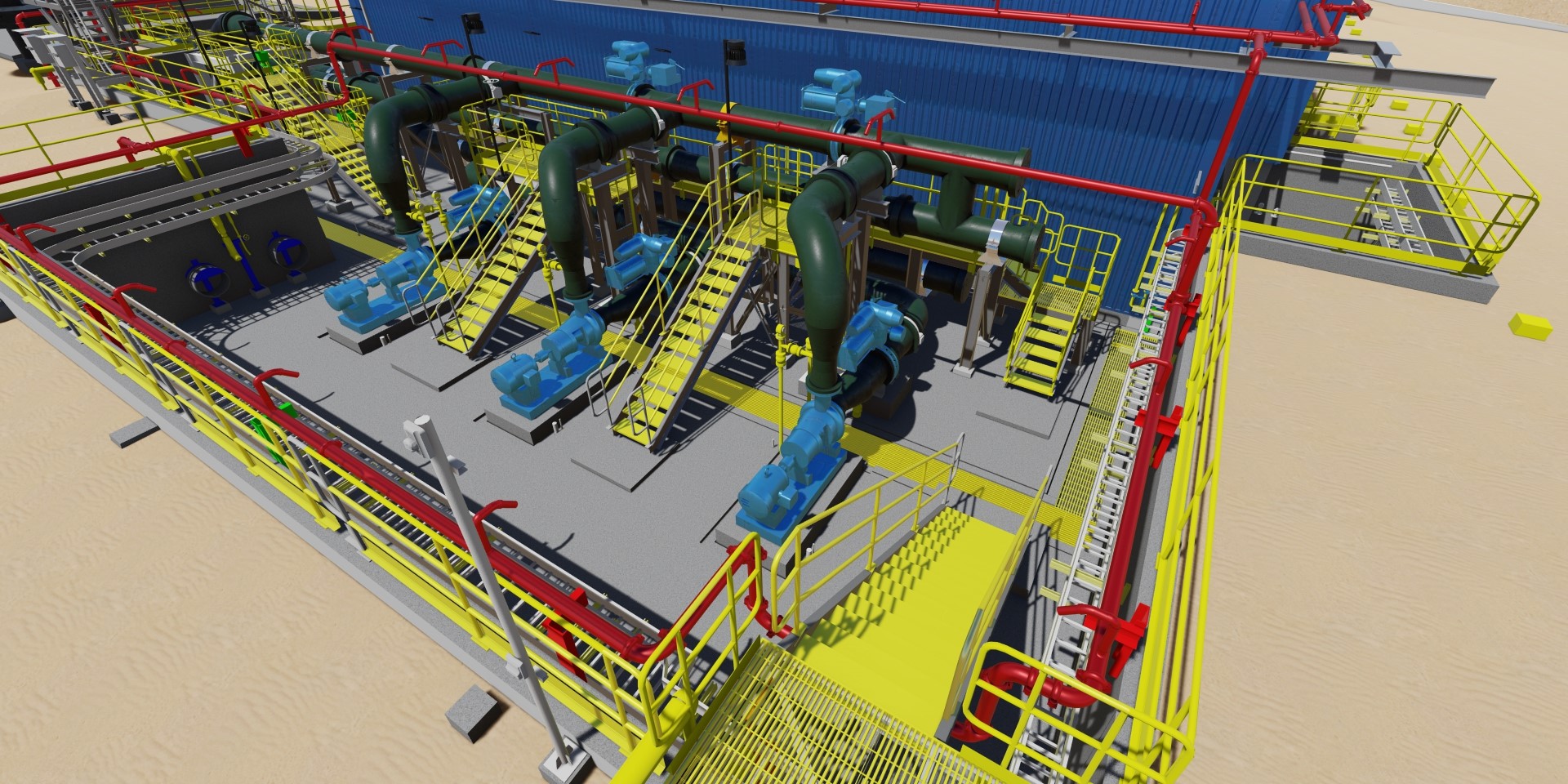
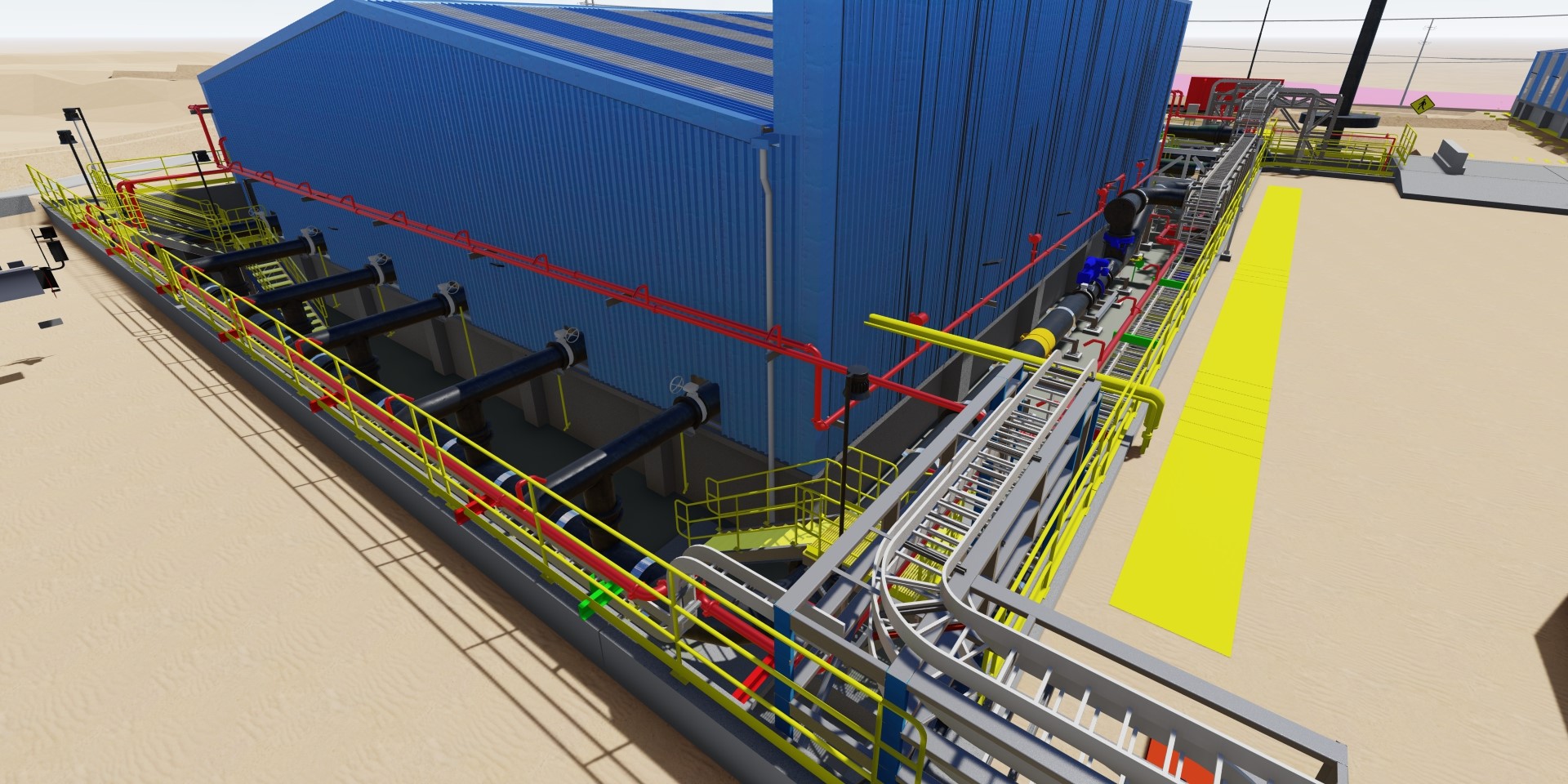
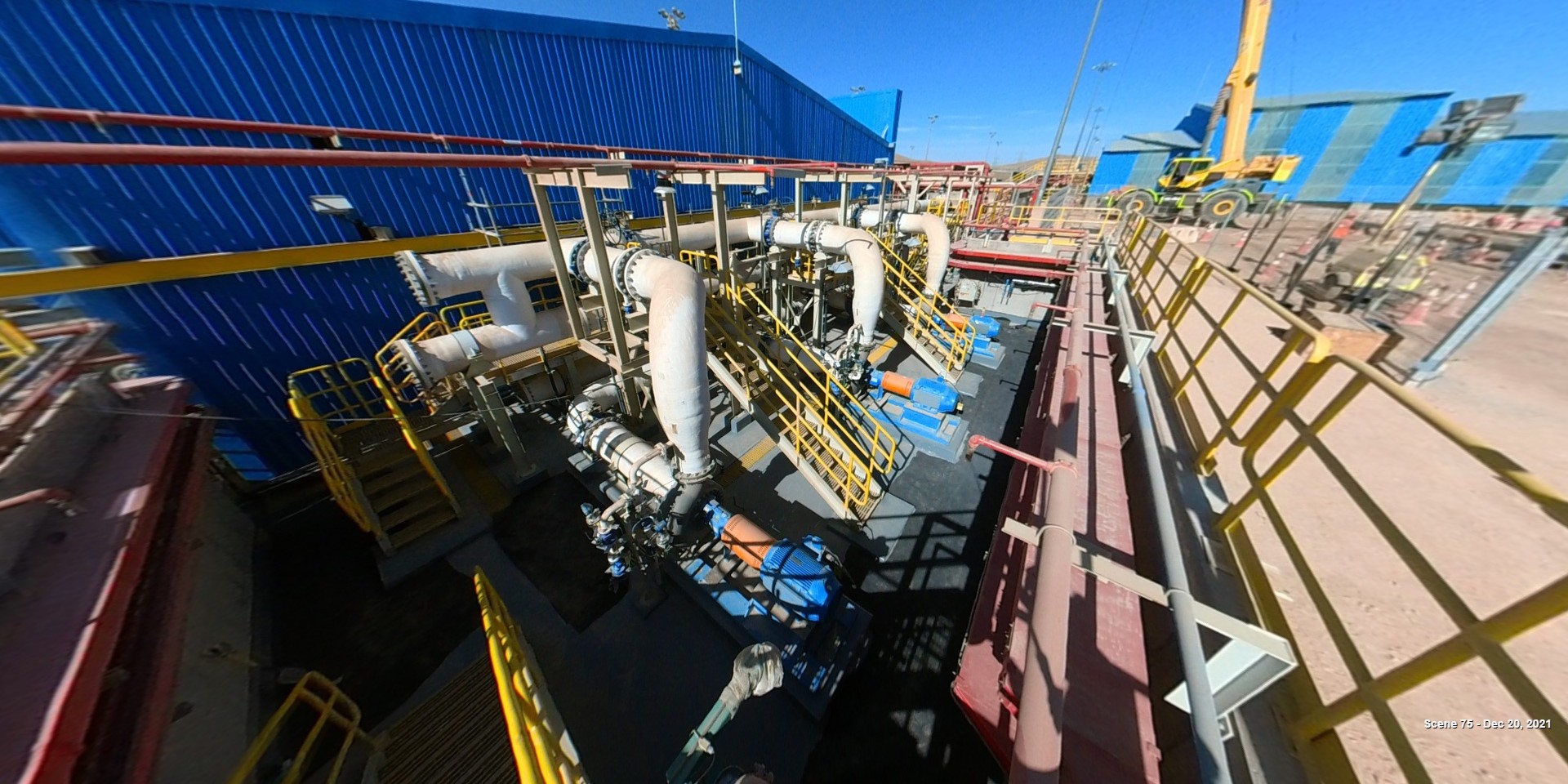
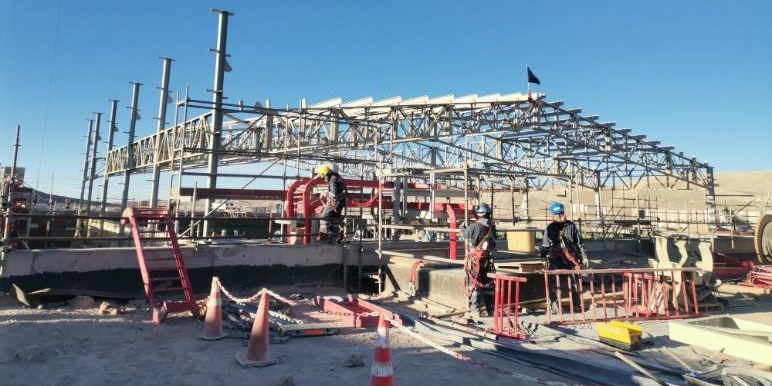
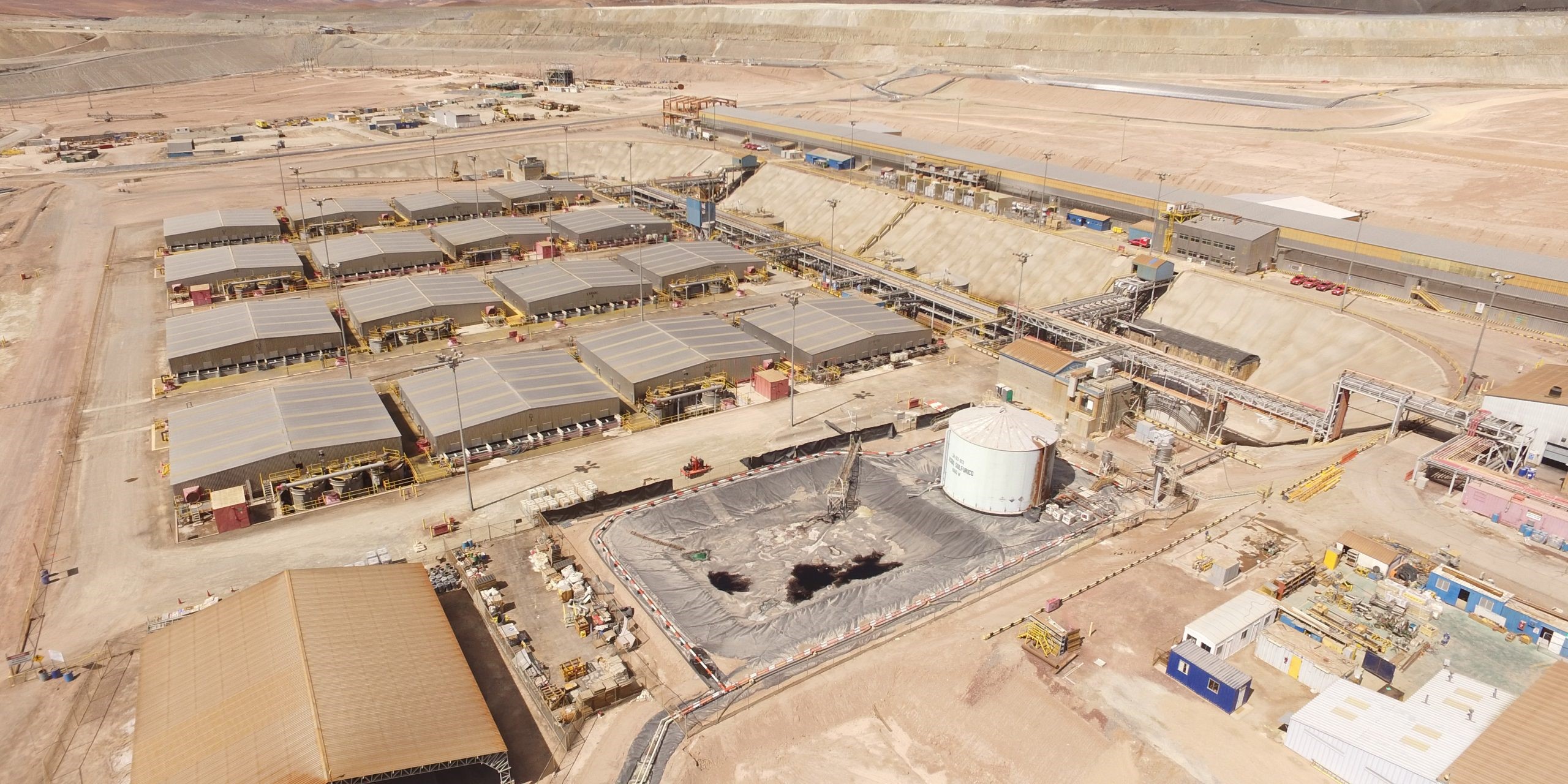
The Project consisted of modifying the infrastructure in the plant to introduce a leaching process with high chlorine content, using the Cuprochlor® technology, which Antofagasta Minerals has been using for some years, allowing to improve the recovery of sulphide minerals that exist in the deposit and that are part of its base case. These sulphide, by the conventional leaching method in an acid medium, reach an average recovery between the ranges of 50% to 55%; With this technology, it is projected to reach values in ranges above 70%.
Energy
PtX E-Fuel Project, Haru Oni Demonstration Plant
PtX E-Fuel Project, Haru Oni Demonstration Plant
Industrial Sector
Energy
Client
HIF
Location
Punta Arenas, MAgallanes Region
Date
2021-2022
Service Area
Consulting, Engineering & Environment
Solutions
Processing of the EIS and Balance of Plant (BOP) engineering for the methanol-to-gasoline conversion process.
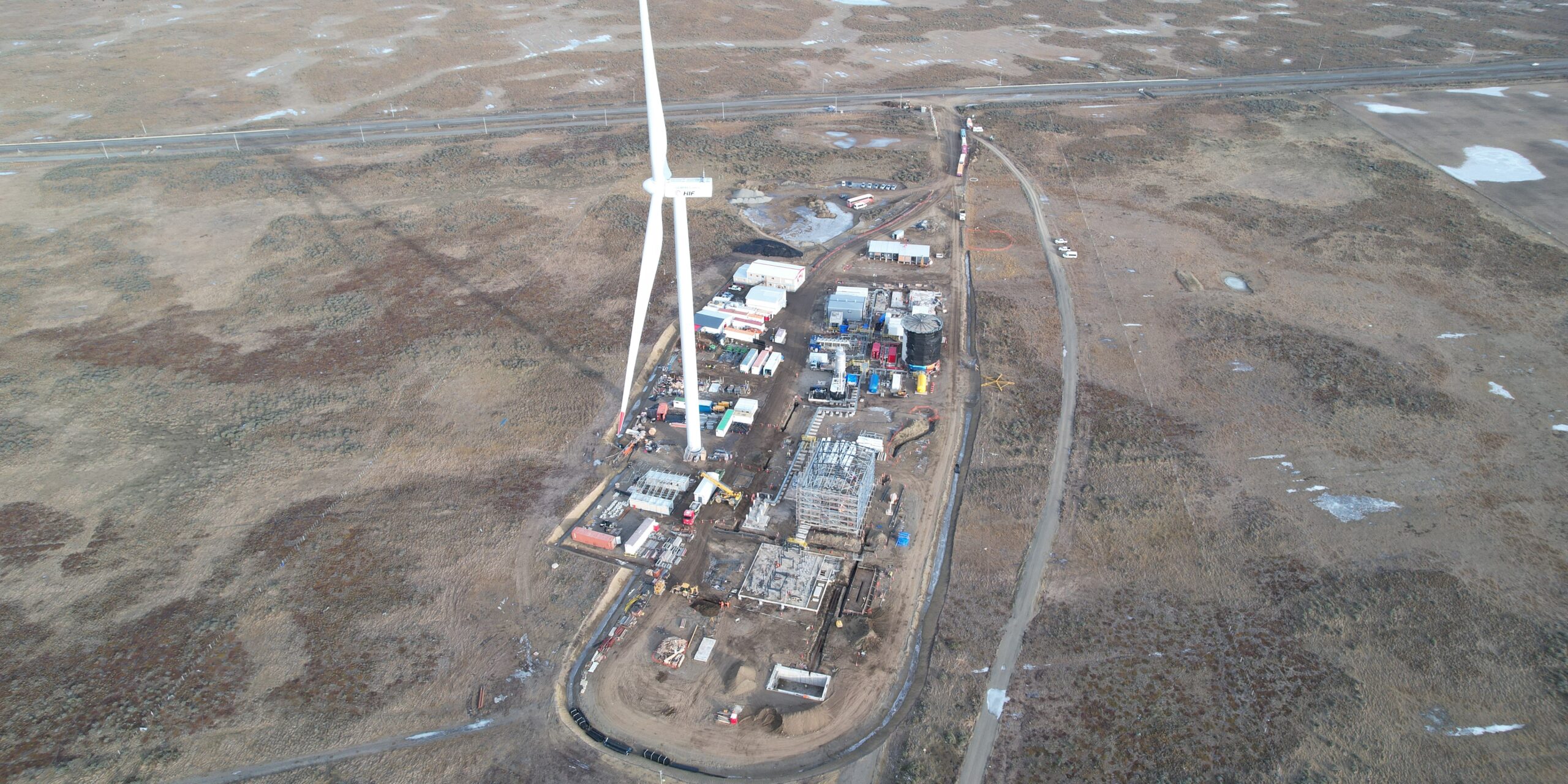
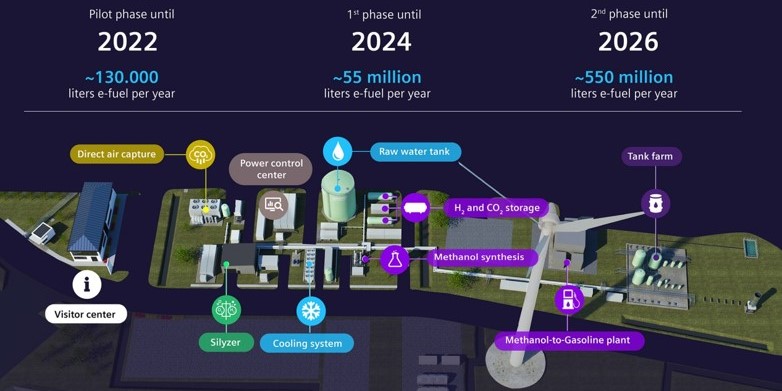
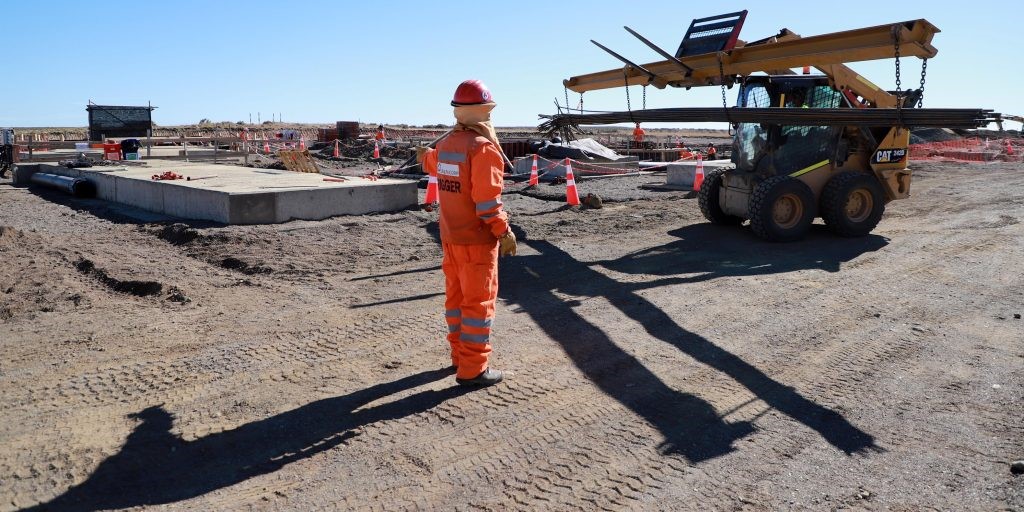
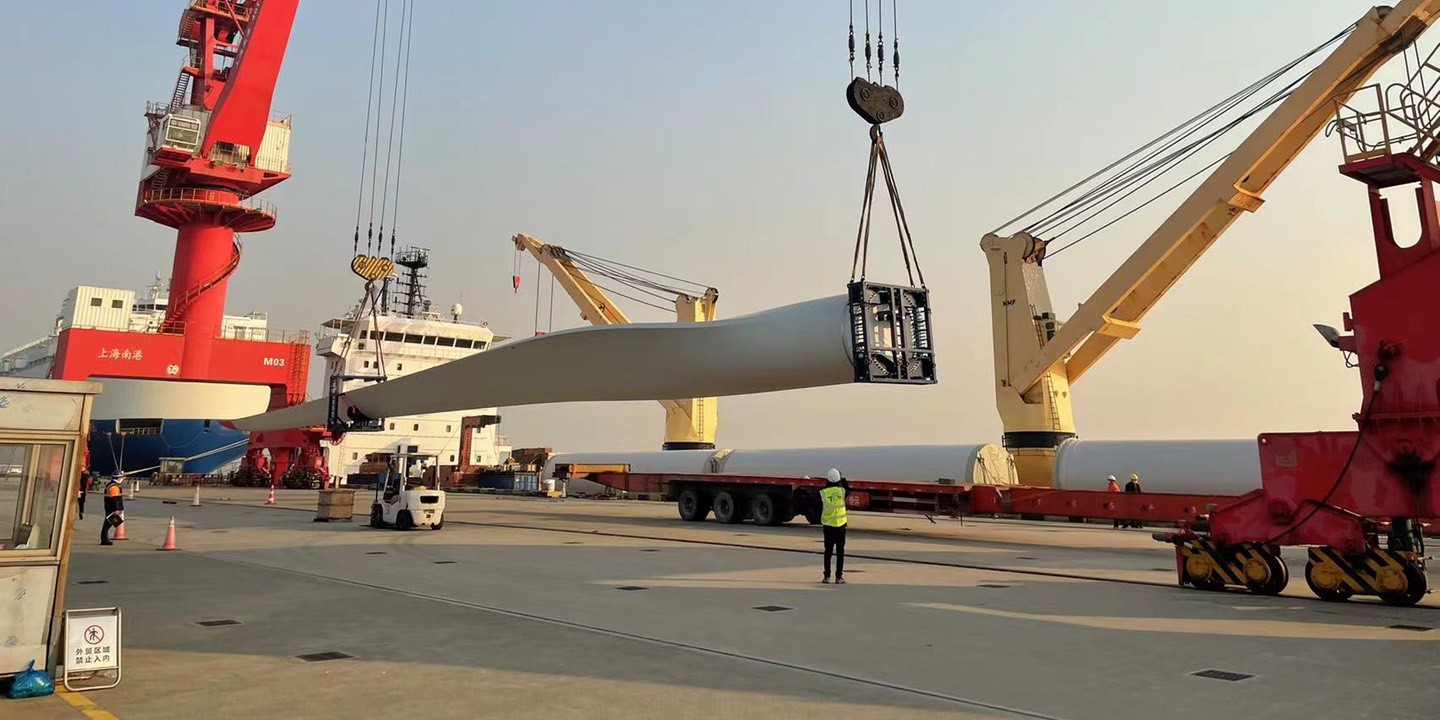
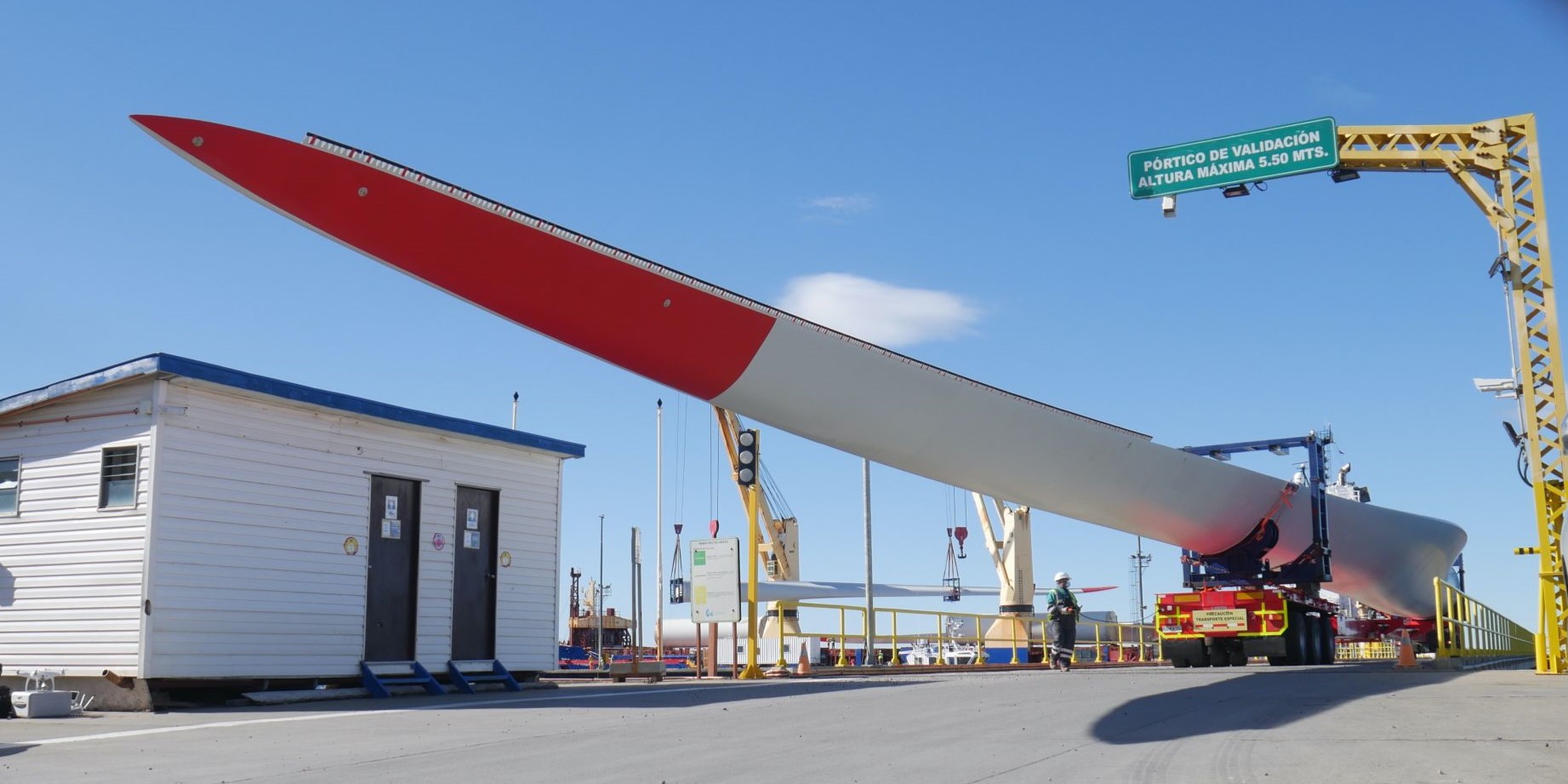
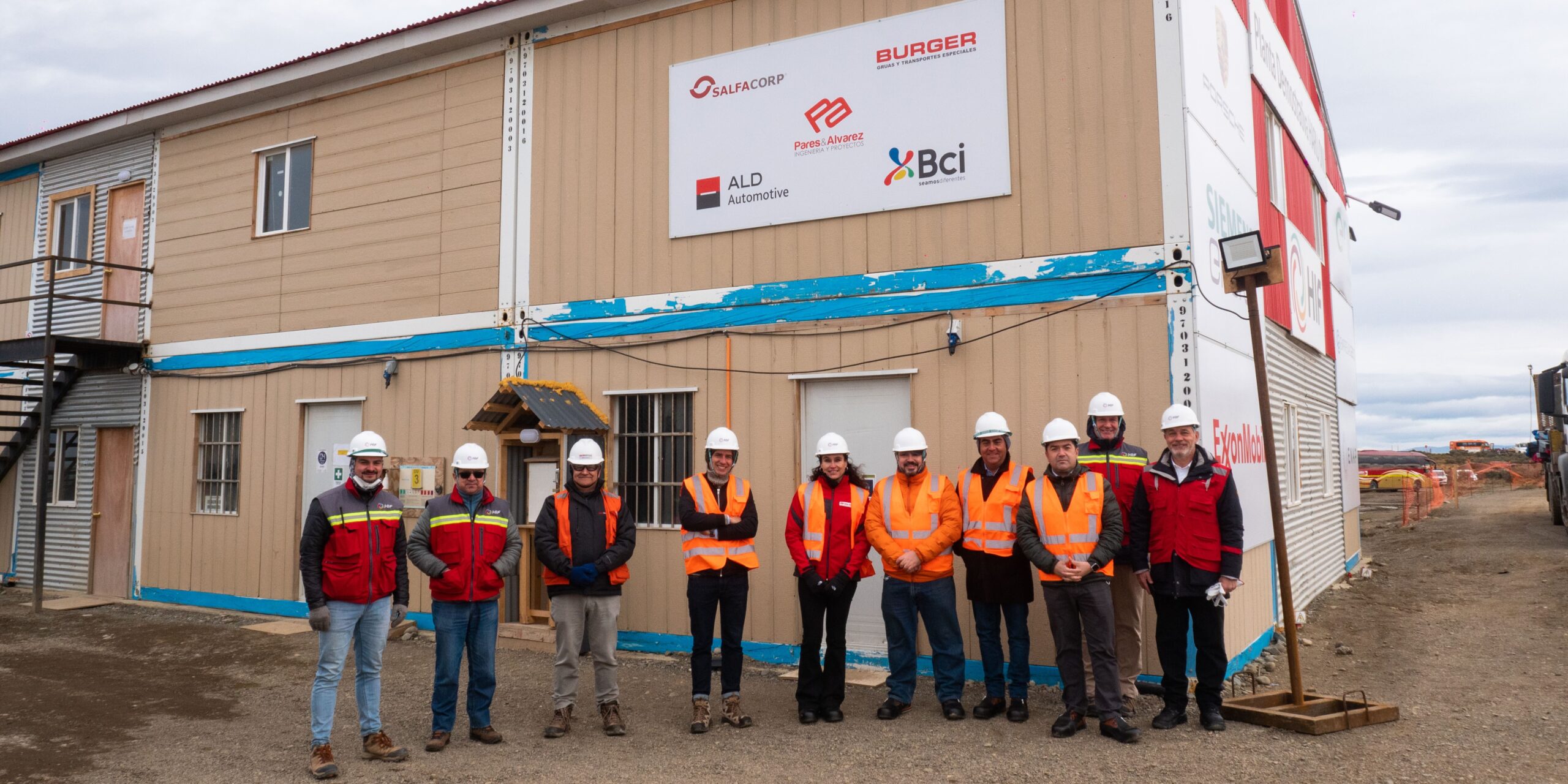
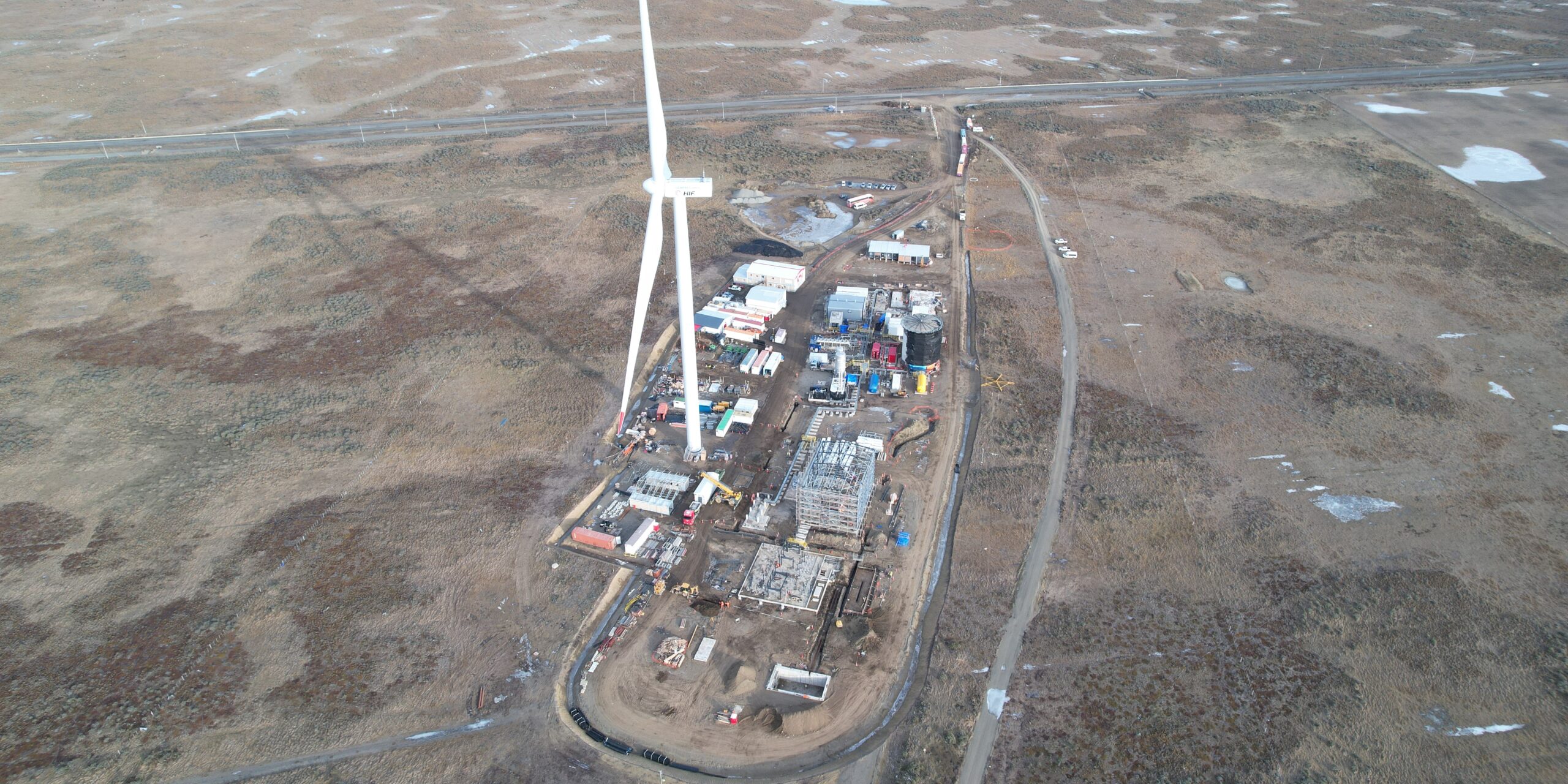
With the aim of accelerating the committed decarbonization, HIF set out to develop the first demonstration plant to generate E-Methanol and E-Gasoline from carbon dioxide (CO2) from the air and hydrogen (H2) from water, including a wind turbine, an electrolyzer for hydrogen generation, CO2 capture, methanol synthesis, the Methanol-to-Gasoline (MtG) process and the entire balance of plant (BOP) in the Magallanes Region. Chile.
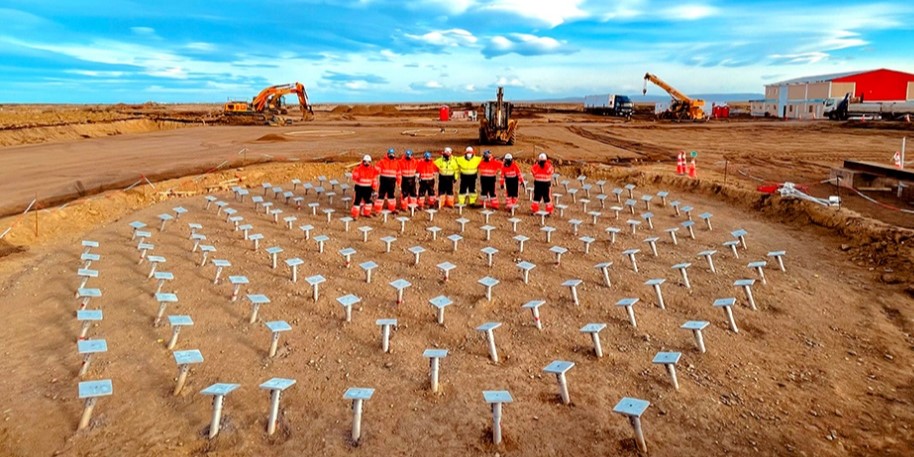
HIF built the Haru Oni demonstration plant. This is one of the first projects of its kind in the world. The plant obtains green hydrogen from water based on an electrolyzer powered by wind energy; then, the hydrogen is combined with CO2 captured from the atmosphere and through a synthesis process methanol is produced. The methanol produced is treated and then transformed into E-Fuel (MtG process), including carbon-neutral gasoline and carbon-neutral liquefied gas. These E-Fuels cement the way for existing infrastructure to be carbon neutral, through the continuous reuse of CO2.
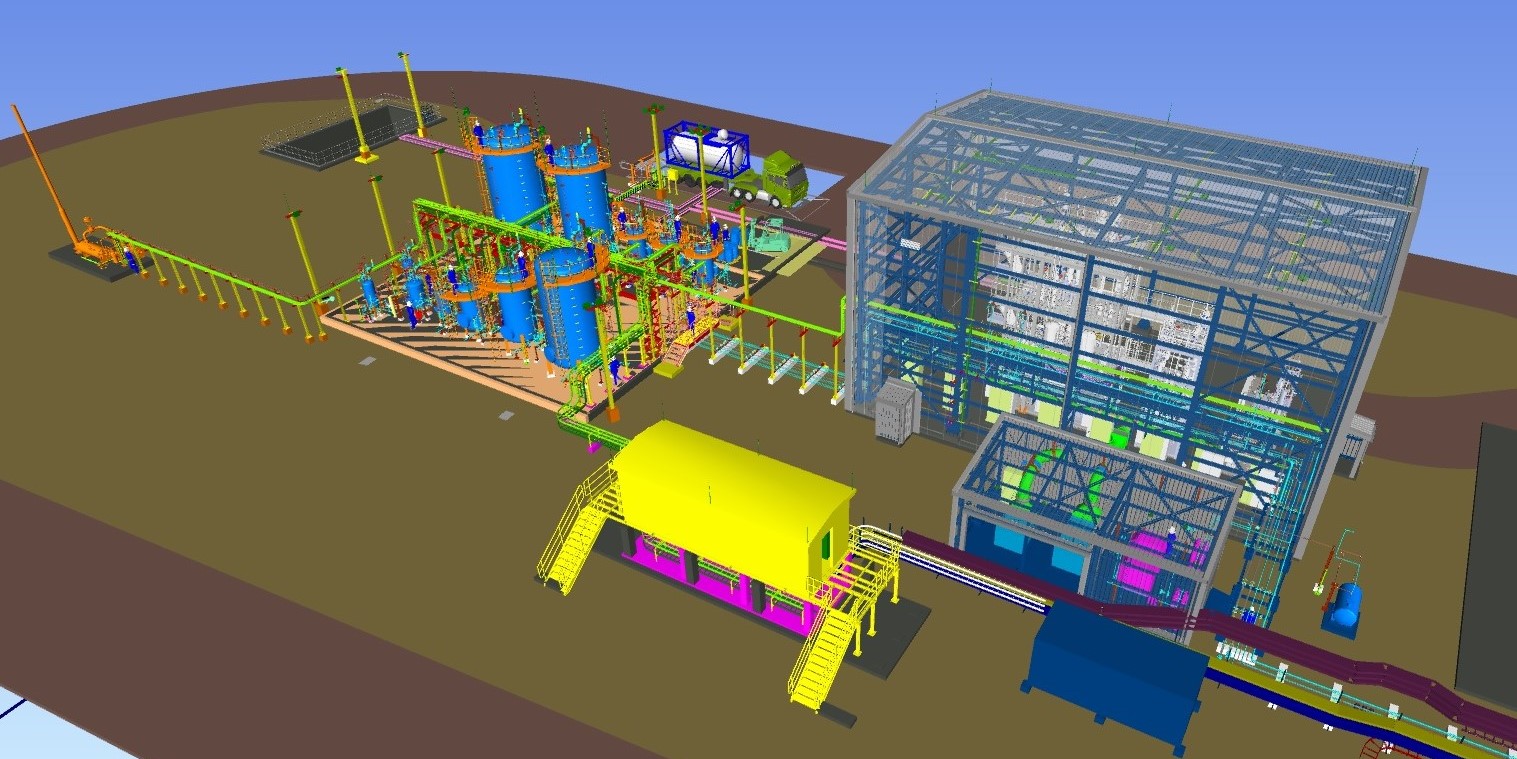
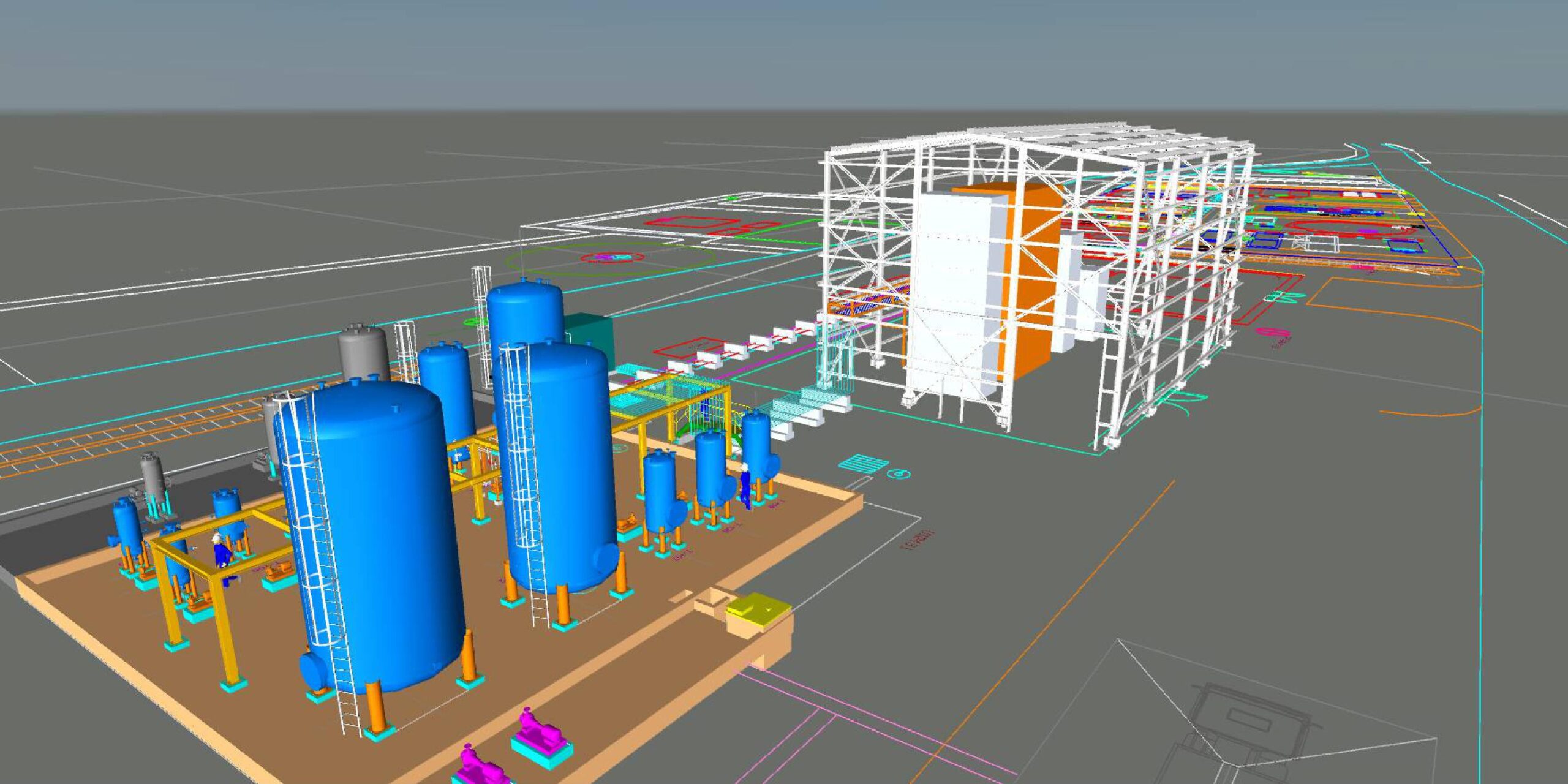
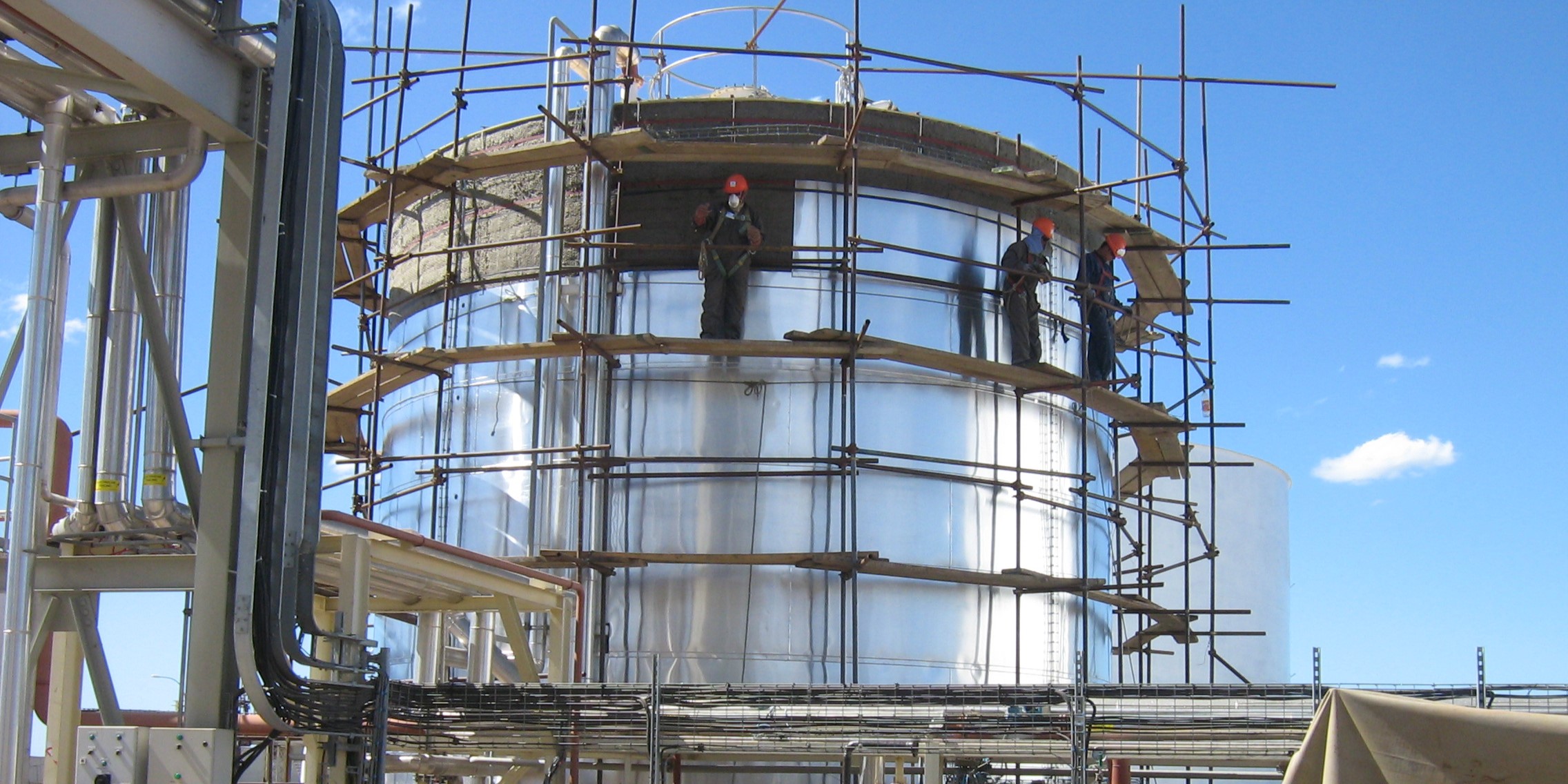
PA Engineering developed the BOP engineering of the MtG Plant, performing the basic and detailed engineering in mechanical, piping, structural, electrical and instrumental and control necessary to complete the MtG System, including the MtG unit building, the Tank Farm, the electrical power system, the interconnections with the methanol plant, truck loading systems and facilities for other supplies from the MtG and Tank Farm areas.
Energy
Energy Consumption Optimization
Energy Consumption Optimization
Industrial Sector
Food
Client
Orafti
Location
Pemuco, Bio Bio Region.
Date
2012-2013
Service Area
Consulting, Engineering & Procurement
Solutions
Conceptual engineering, basic engineering in process, mechanical, piping, and instrumentation specialties; detailed engineering in mechanical, piping, civil and structural, electrical, and instrumentation and control specialties; technical support in construction bidding and assembly supervision
Orafti Chile commissioned a study of energy consumption optimization to the engineering office of its parent company in Germany. The objective of this study was to reduce the thermal energy consumption of the plant.
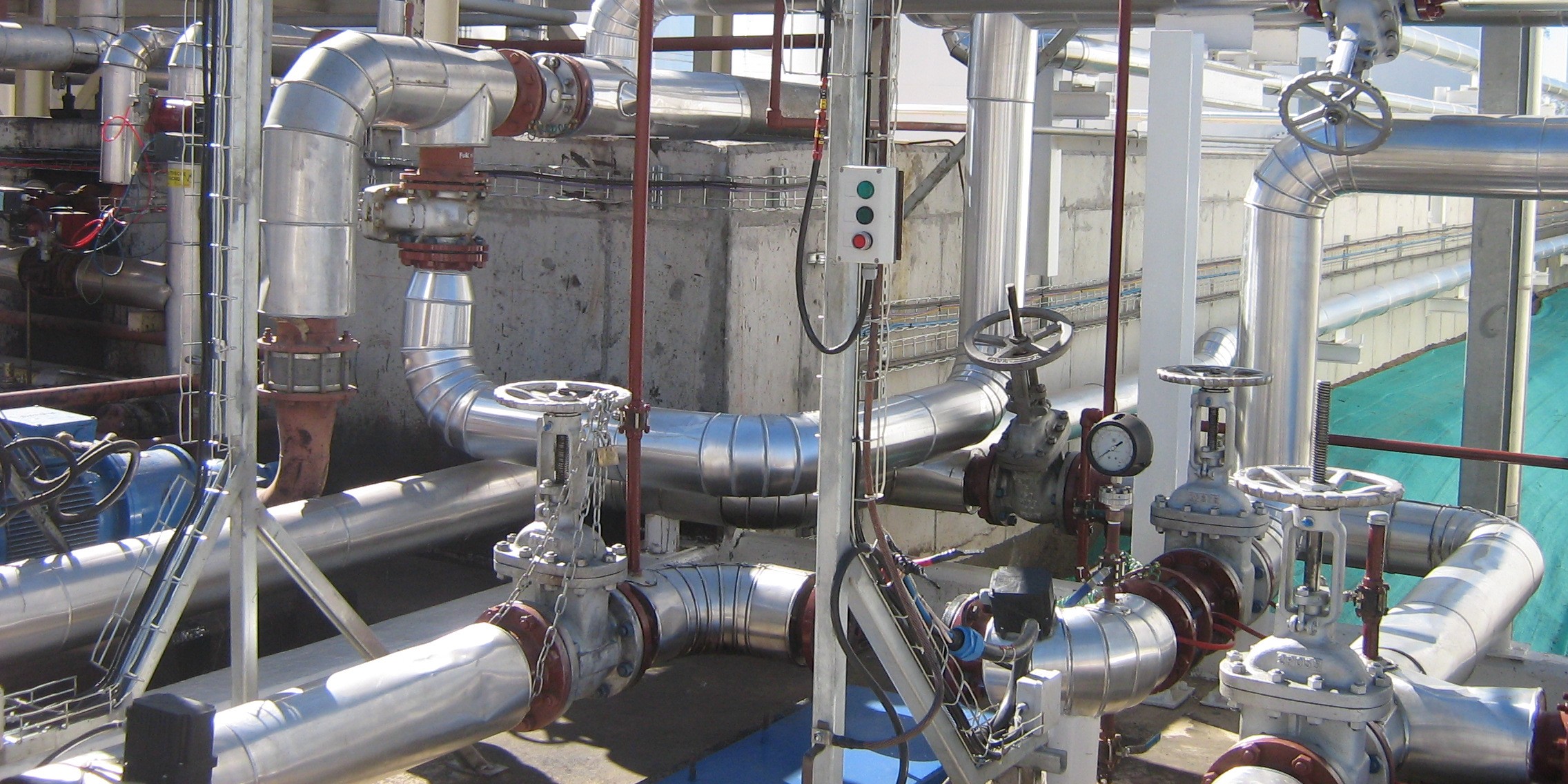
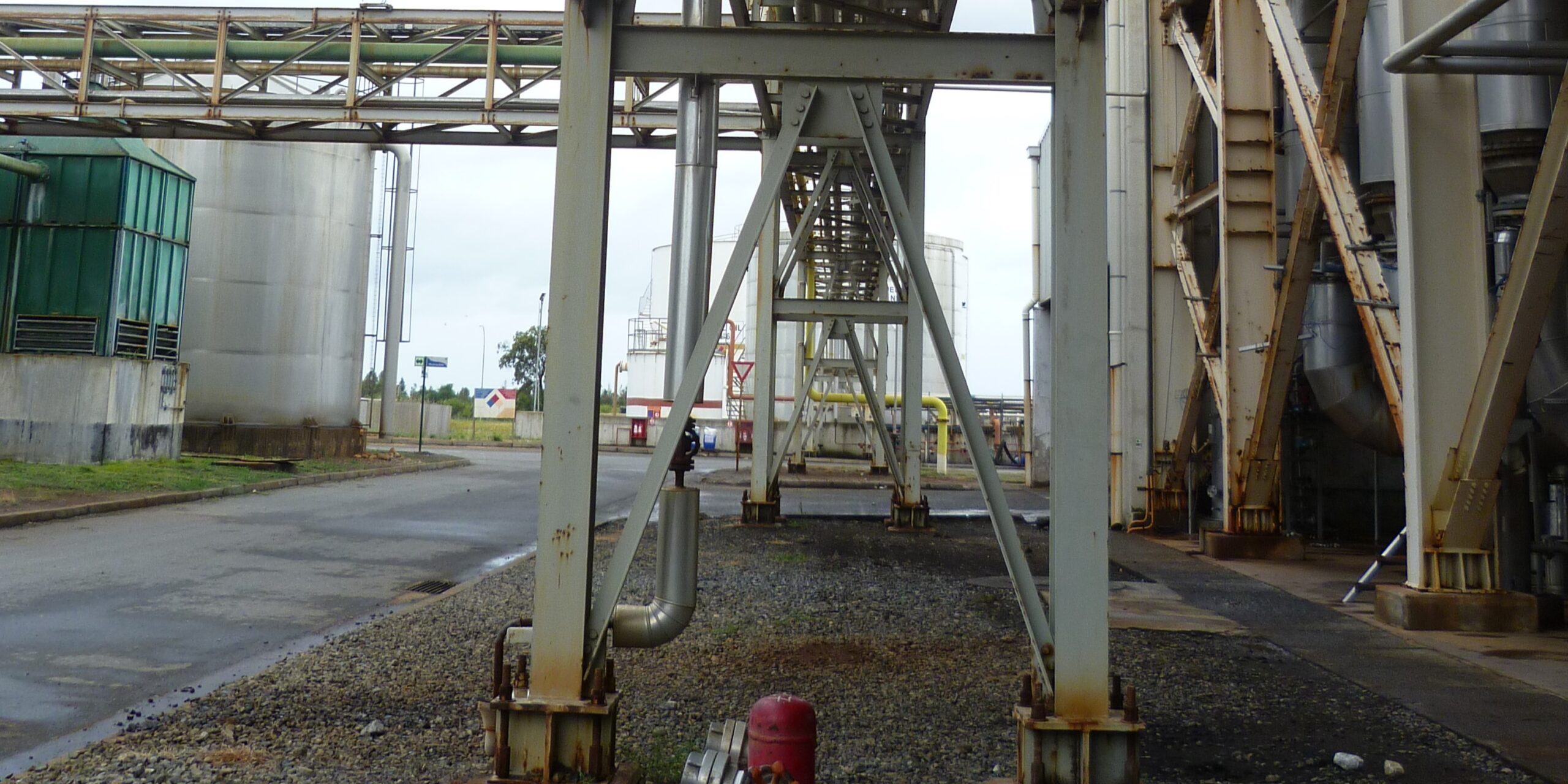
The project to reduce the energy consumption of its Inulin production plant began with the conceptual engineering study carried out by PA Engineering. The project included the piping to interconnect the new equipment and the replacement of existing lines, either due to hydraulic or material requirements. Then, basic and detailed engineering was carried out, which included modifications and new installations, the arrangement of evaporators, modifications to existing ones, installation of heat exchangers and transformation of existing ones, installation of pumps and tanks, assembly and/or modification of piping circuits, among others.

Mining
Standardization of the plant's anti-incident system
Standardization of the plant's anti-incident system
Industrial Sector
Mining
Client
Codelco Radomiro Tomic
Location
1,670 km from Santiago, in Calama, at 2,950 meters above sea level in the Andes Mountains
Date
2022
Service Area
Consulting and Engineering
Solutions
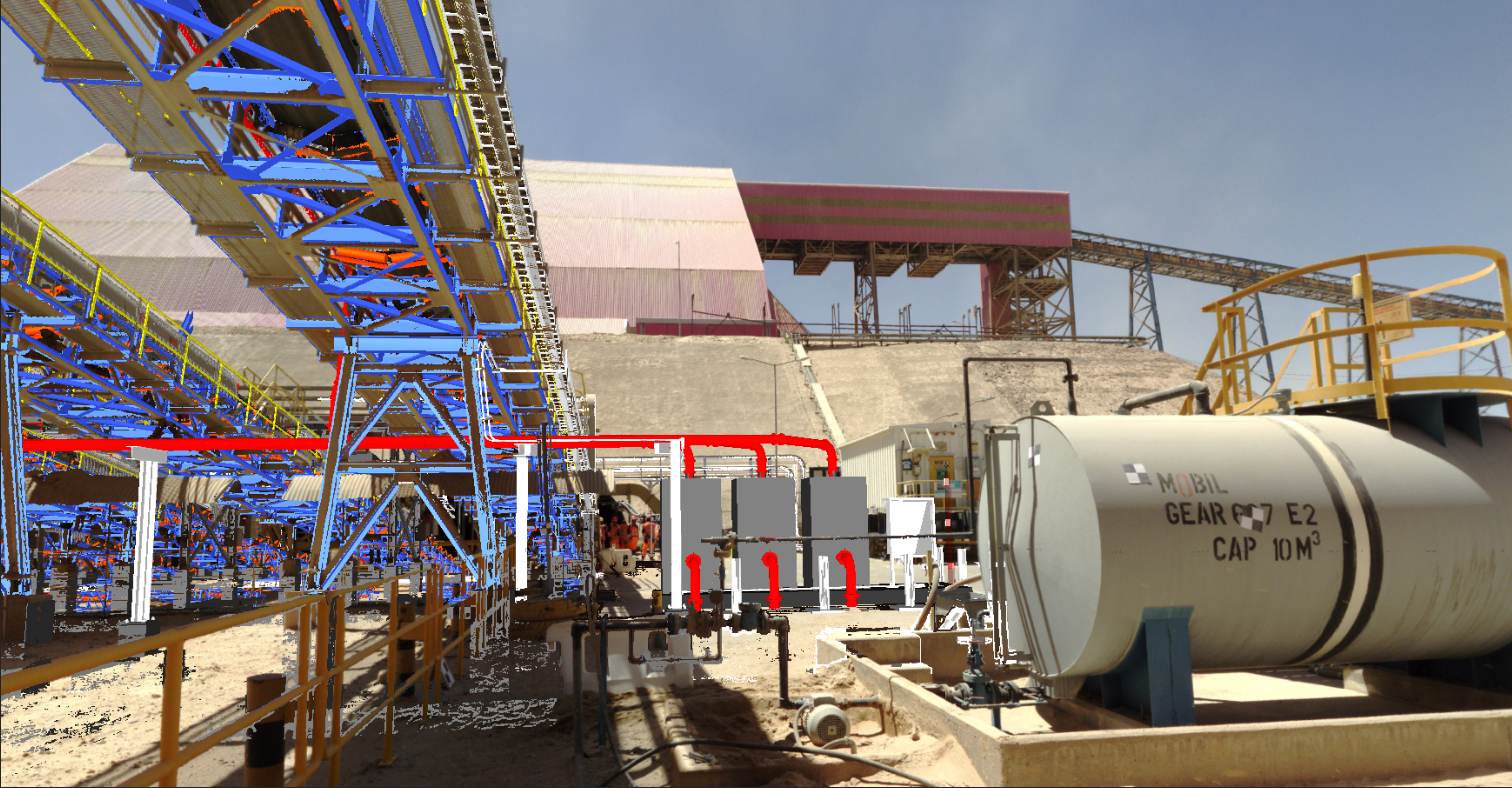
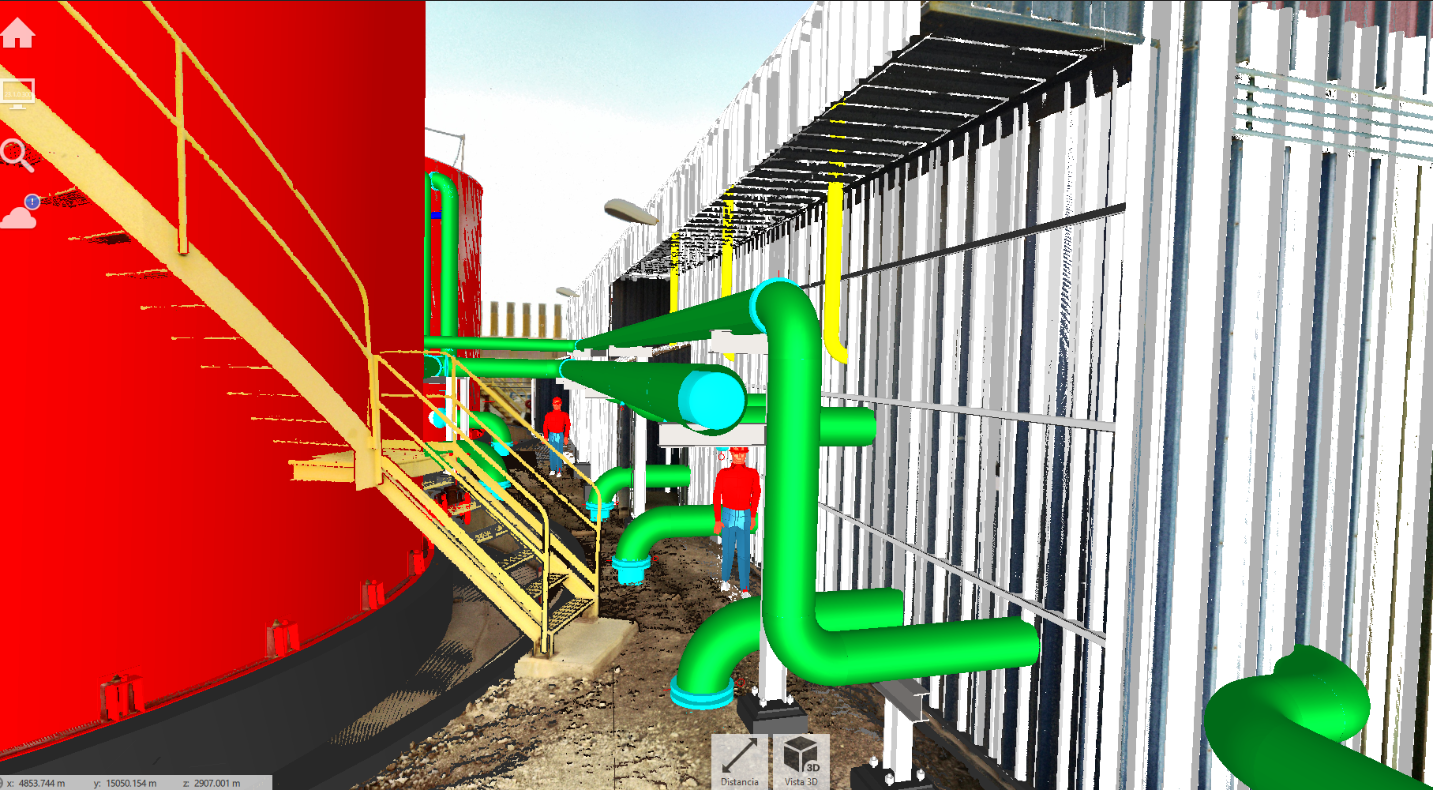
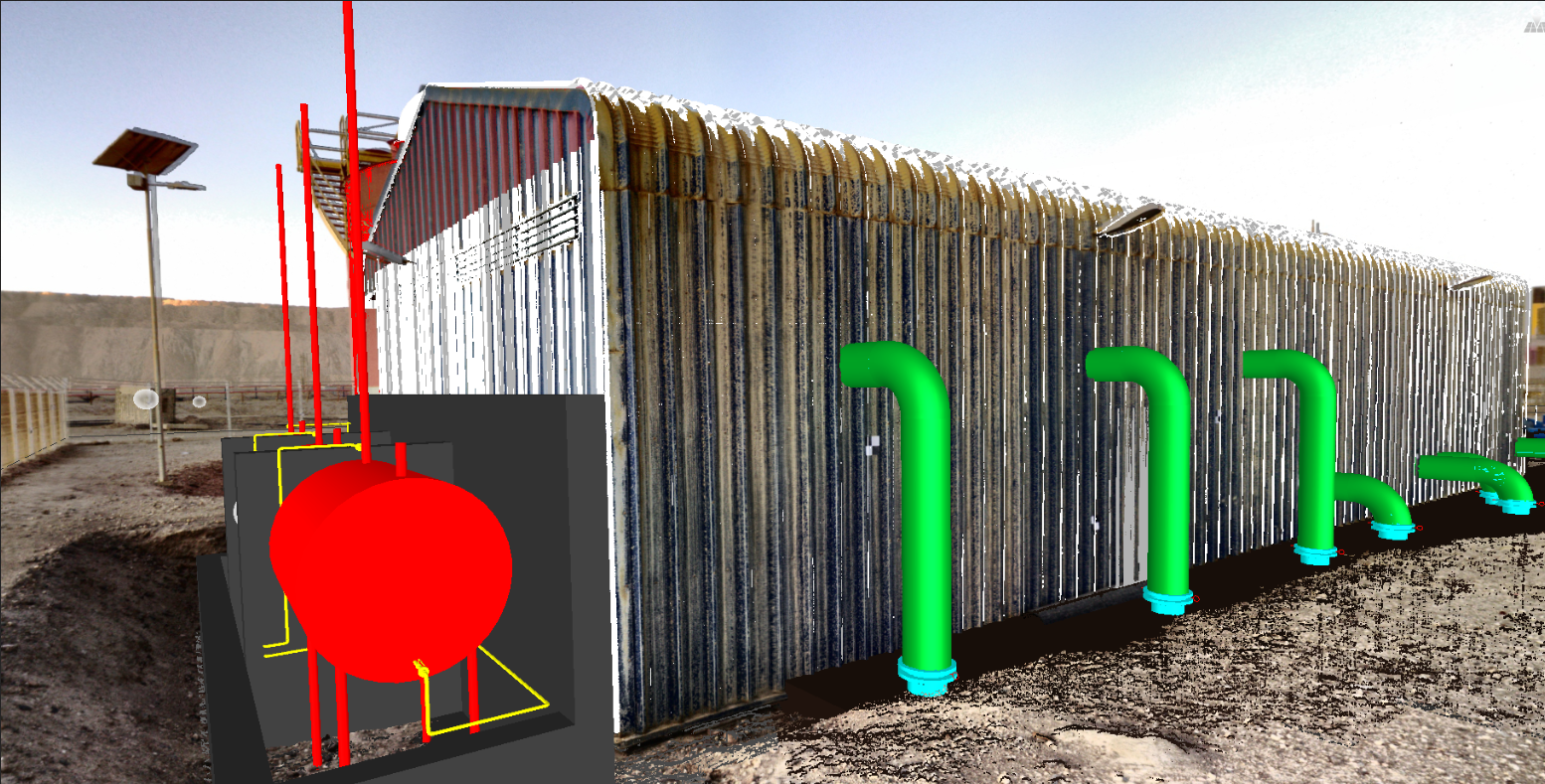
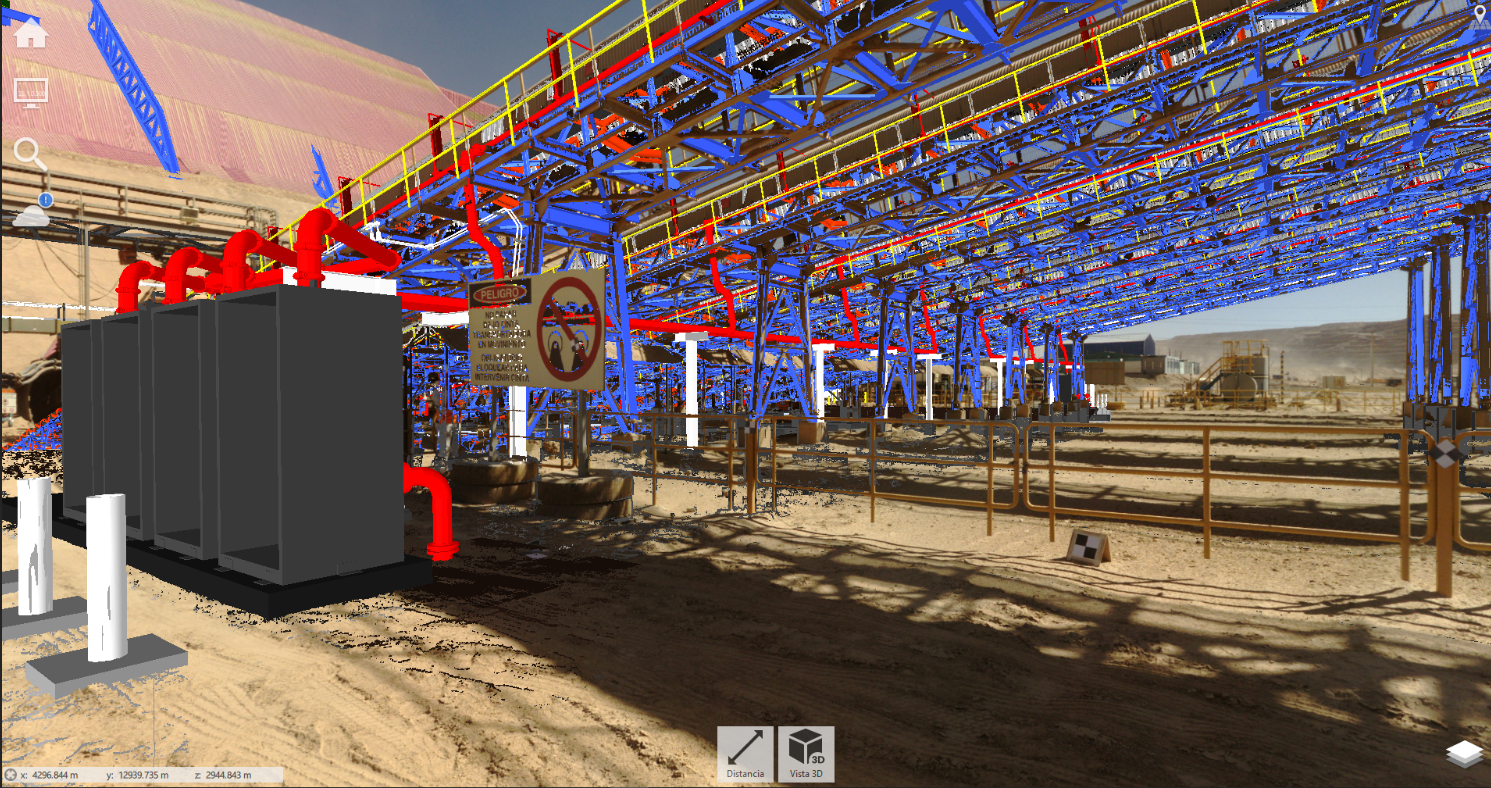
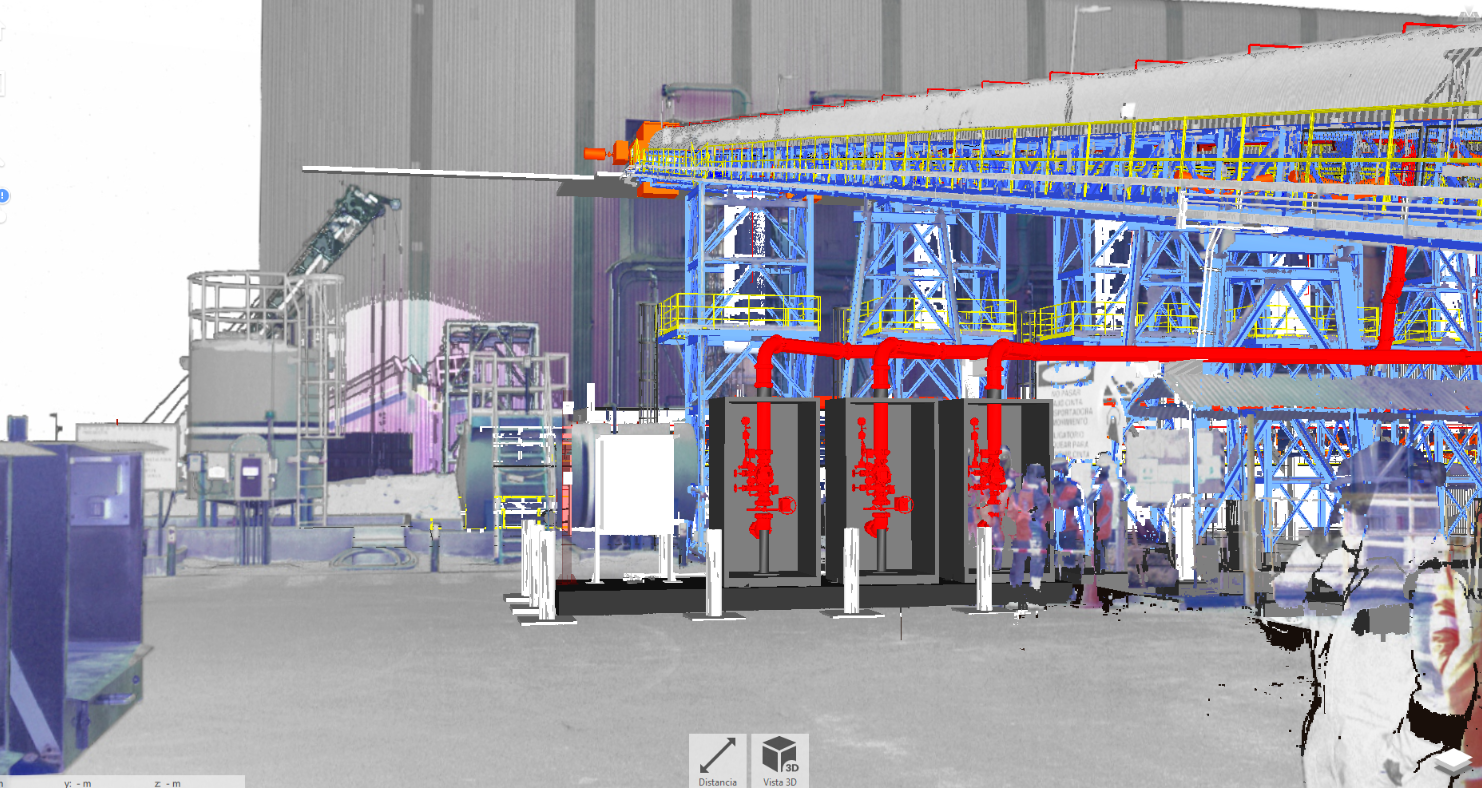
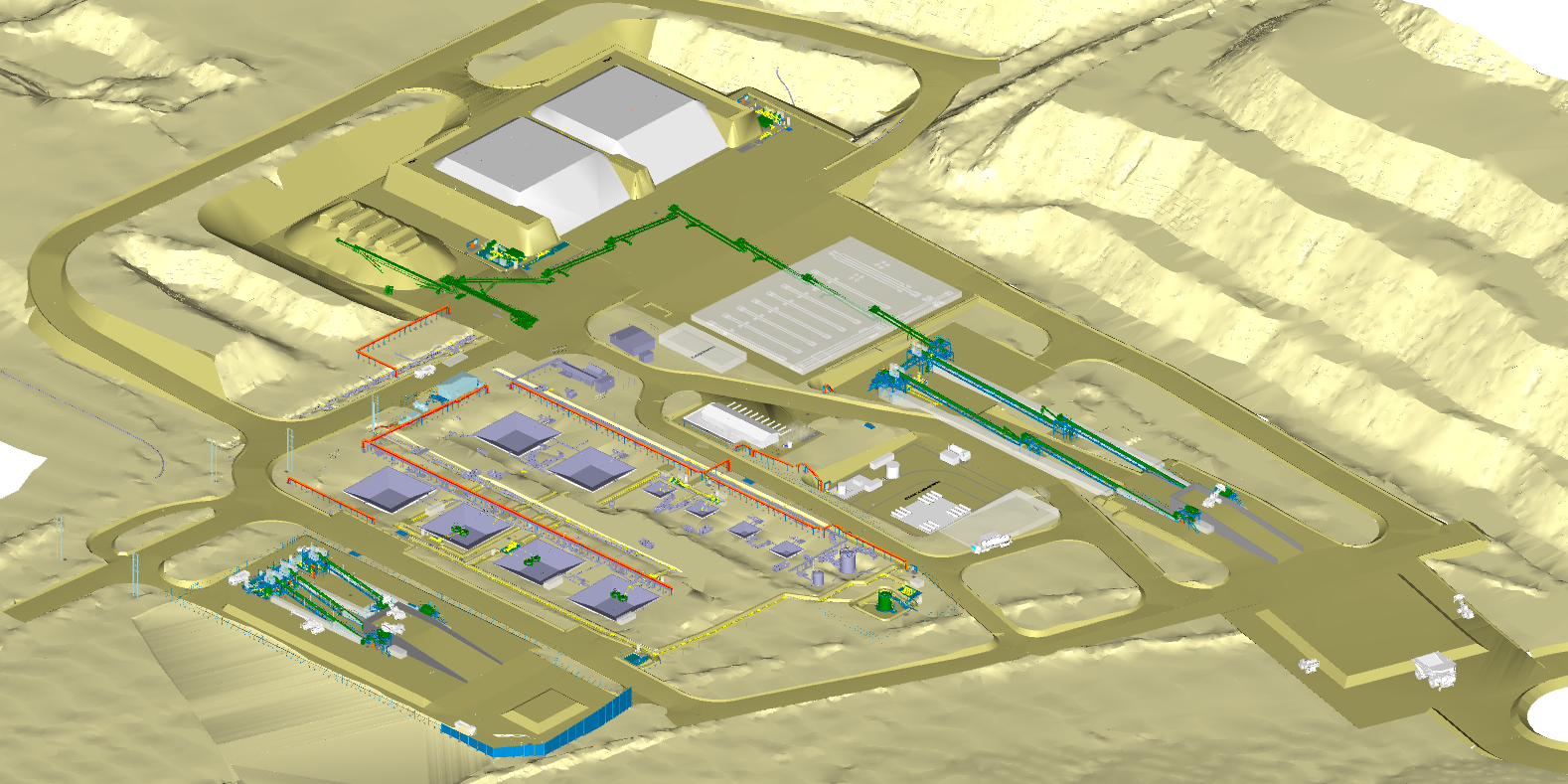
Advanced basic engineering of fire protection systems, based on point cloud survey, field resistivity measurement and feasibility reports for construction and building, all developed under the BIM Methodology.
Advanced basic engineering was developed in different disciplines to incorporate fire protection systems in ore transport and handling belts and the Solvent Extraction and Electro-winning plants, using the BIM and AWP Methodologies.
It should be noted that PA Engineering to develop this project used internal BIM procedures that were the basis for obtaining the International Certification in Information Management for BIM projects ISO 19650-1/2, which was awarded by AENOR in 2022 after successfully passing the evaluation and thus consolidating a leap in quality in the information management processes.
Thanks to the characteristics of the 3D design software that was selected to facilitate collaborative work and the application of methodology, it was possible during the execution of the project to have the data related to each other, which allowed the possibility of modifying elements or part of the project and that these were published for all those involved, thus updating the project information, i.e. 2D and 3D models (plans, listings, reports, etc.).
In this way, the administration of the project was streamlined and there was a greater control of the information, being able to detect early design errors, interferences between disciplines, facilitate the construction interpretation, analysis of safety and maintainability aspects, the updating of cubic and drawings is achieved instantly, it was the main form of communication both internally and with the client, among other benefits. By performing the work under these conditions, it was possible to obtain a 3D model of the project with a degree of detail and characteristics representative of the stages of review with the client.
This will represent a benefit in the execution stage of the project, since the progress control and the solution of constructive interferences were analysed early, thus achieving the essential objective of the methodology, since the use of BIM must go beyond the design phases, it must necessarily extend throughout the life cycle of the asset, allowing the management of this with the objective of lowering costs in the construction and operation stages.
Mining
Infrastructure study for chloride leaching demonstration heap testing
Infrastructure study for chloride leaching demonstration heap testing
Industrial Sector
Mining
Client
Codelco Radomiro Tomic
Location
Calama, 3,000 meters above sea level, Antofagasta Region
Date
2021-2022
Service Area
Consulting
Solutions
Feasibility engineering
In recent years, the gradual decrease of available oxide resources and the increase of primary and secondary sulphide ores in the Radomiro Tomic division have impacted the results of the leaching process, which has been reflected in the decrease of copper recovery. This situation has driven the generation of projects with competitive technologies and alternatives to the conventional ones (crushing – milling – flotation), to improve these results.
In this context, the idea of implementing chloride leaching of sulphides with temperature and generating the necessary information that allows Codelco to validate the incorporation of this competitive technology at industrial level arises.
The scope of the project went from the trade off stage to the development of the feasibility stage with specification of equipment for procurement and formulation of technical bases for contract bidding.
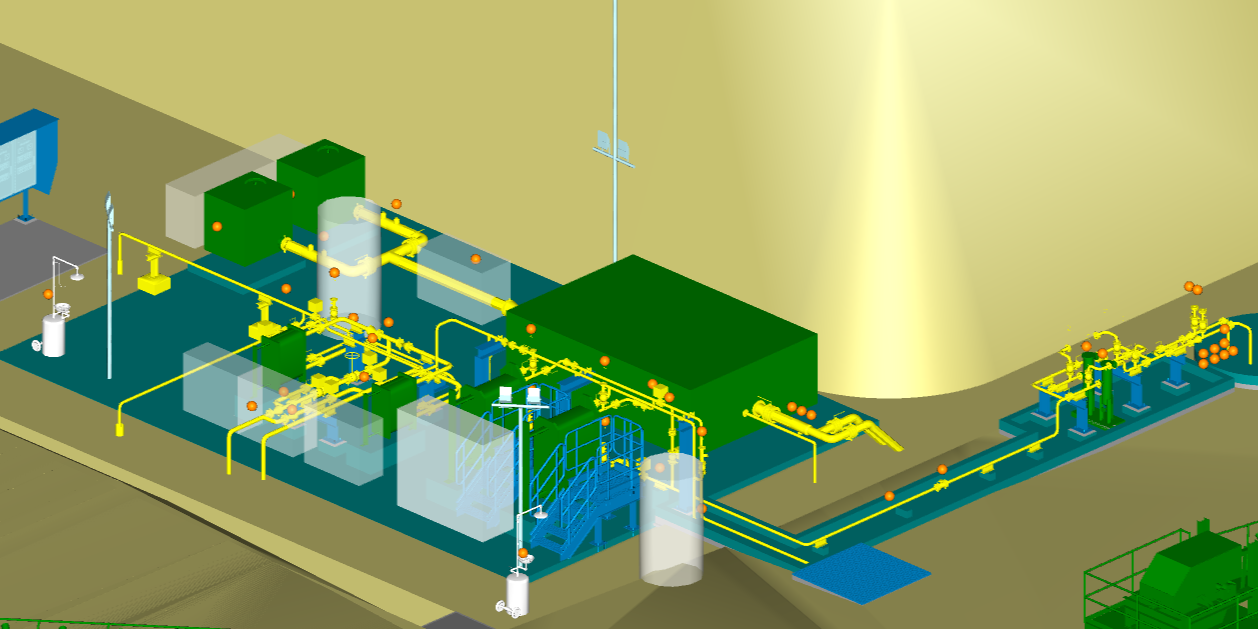
In the trade off stage, the objective was to identify and evaluate alternatives for a demonstration plant to carry out a chloride leaching test with temperature, applied to the Radomiro Tomic Division ores, and to recommend the best option. To achieve this, PA Engineering conducted four trades off studies, which had the following objectives: location selection, determine the best alternative for heap heating, determine the best option for power supply to the heating system and select the best alternative for ore preparation and loading under the conditions required to use the chloride leaching technology with temperature.
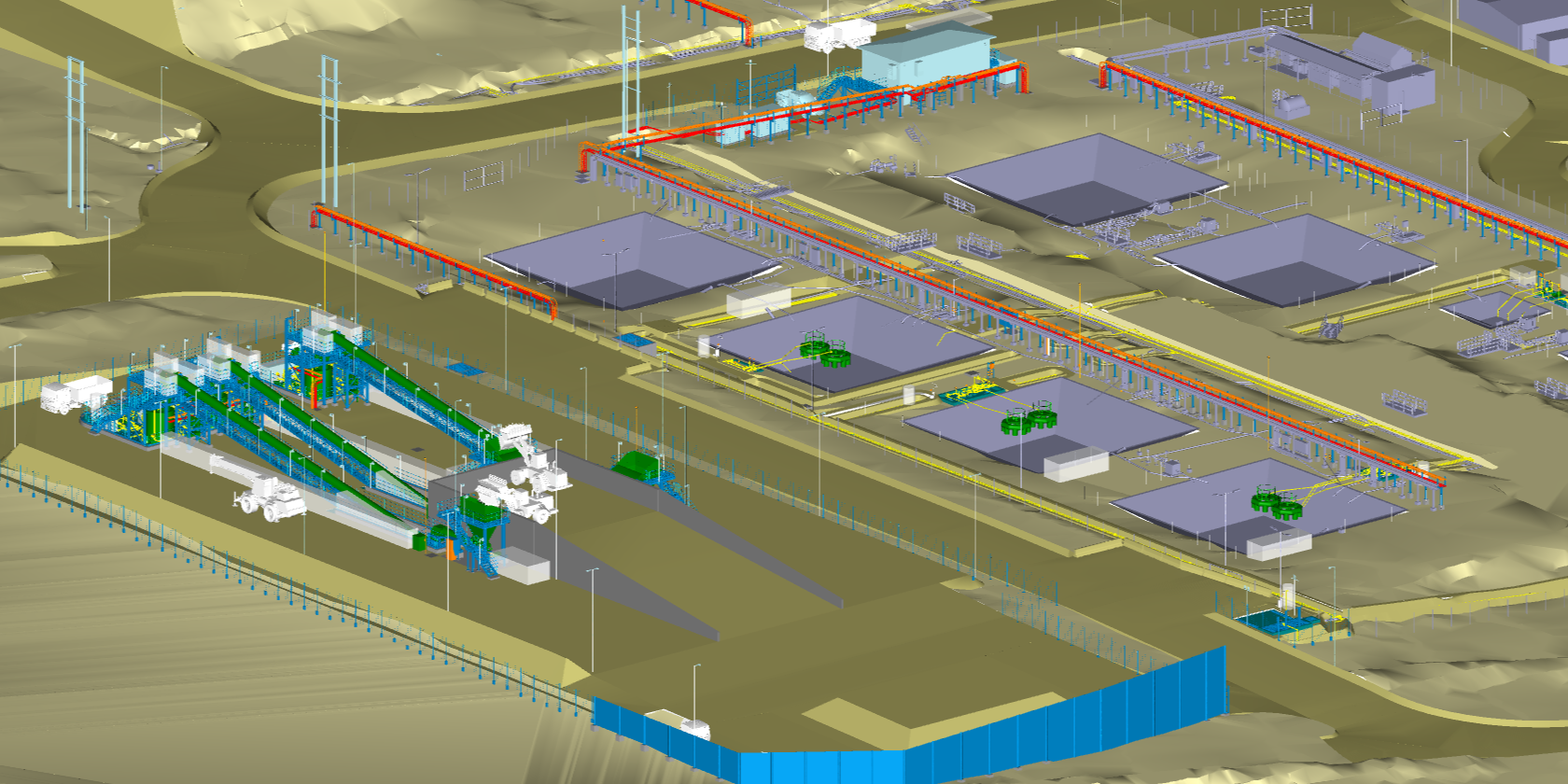
In the feasibility stage, the work performed by PA Engineering considered the development of the engineering according to Codelco’s standards for a feasibility stage, using the BIM methodology, where all the designs proposed in the first stage and the documentation of the chapters of Codelco’s investment system were developed. During this phase, specifications were developed for the purchase of the main equipment and technical bases for the investment and operation stage contracts.
Mining
Study of Alternatives for Early Addition of Chloride in Leaching
Study of Alternatives for Early Addition of Chloride in Leaching
Industrial Sector
Mining
Client
Codelco Radomiro Tomic
Location
Calama, 2,500 meters above sea level, Antofagasta Region.
Date
2020
Service Area
Consulting
Solutions
Pre-feasibility engineering study in the disciplines of mechanical and piping, civil, electrical, instrumentation and control, fire network.
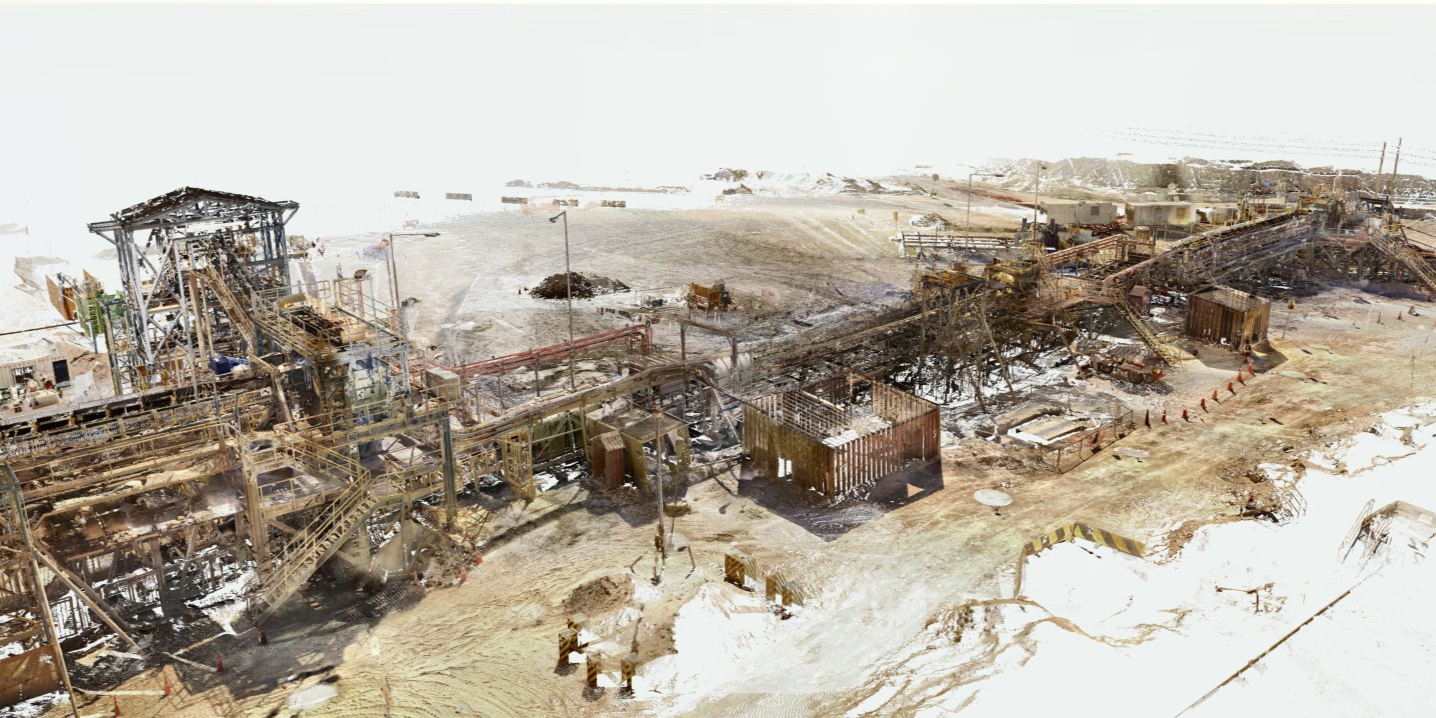
The advances made in Chile in recent years in chloride leaching of copper, have allowed an important development of projects, where the benefits of higher extraction, faster kinetics and lower consumption of sulfuric acid for secondary sulphide’s, led the Radomiro Tomic Division (DRT) to request PA Engineering a study to develop and identify the modifications needed for the early addition of chloride to a Primary Leaching process.
For the development of this engineering, the business plan and the characteristics of the ore that will enter the plant in 2024 were considered, which projects a decrease in the solubility of copper, so it is necessary to develop this study to review the incorporation of chloride in the short term and thus improve the projected recovery of copper.
Given the above, PA Engineering performed the engineering to design the chloride addition system in the form of brine and a preliminary diagnosis to determine the maximum chloride concentration at which it can operate in the hydrometallurgical plant of DRT, indicating the materiality changes required in the equipment and piping in the hydrometallurgical plant, due to the projected corrosive conditions.
Mining
Piuquenes Dam Repulping and PMFC Tailings Drive
Piuquenes Dam Repulping and PMFC Tailings Drive
Industrial Sector
Mining
Client
Codelco Andina
Location
At 2,200 meters above sea level in the Valparaíso Region
Date
2020-2021
Service Area
Consulting
Solutions
Basic Engineering, trade-off analysis, water use reports, RILES drive design, analysis of water scenarios, pitting system for dam repulping, pumping system, tailing transport, design of cathodic protection system for pipes, seismic analysis and dynamic behavior, CAPEX and OPEX estimation, use of BIM Methodology.
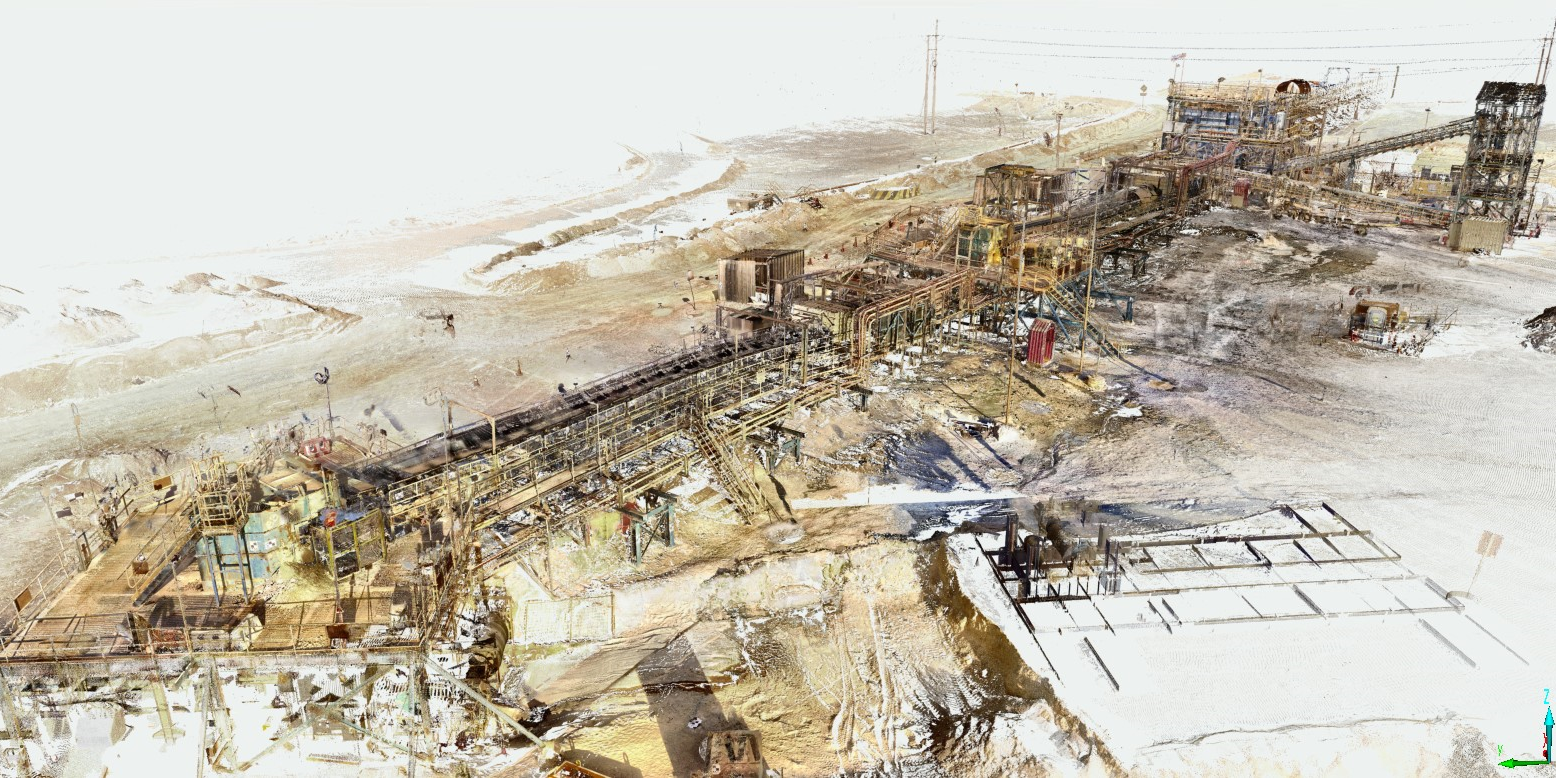
Codelco’s Andina Division began operations in the late 1960’s, with the exploitation of the Rio Blanco deposit, through underground mining and, later, adding to its operations the open pit exploitation of the Sur Sur and Don Luis mines.
In November 1993, Codelco voluntarily submitted the Long-Term Tailing Disposal System Project, Ovejería Dam Project, to the Environmental Impact Assessment System (SEIA).
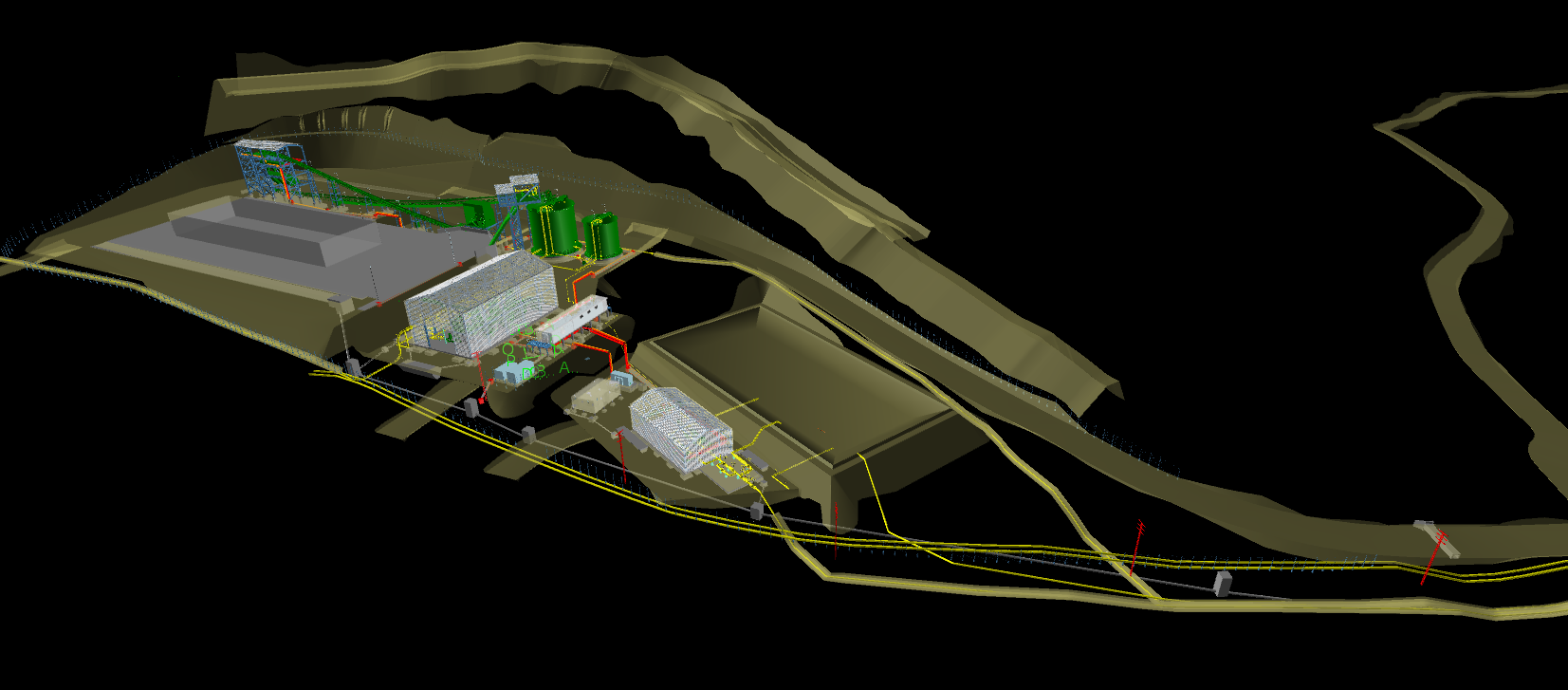
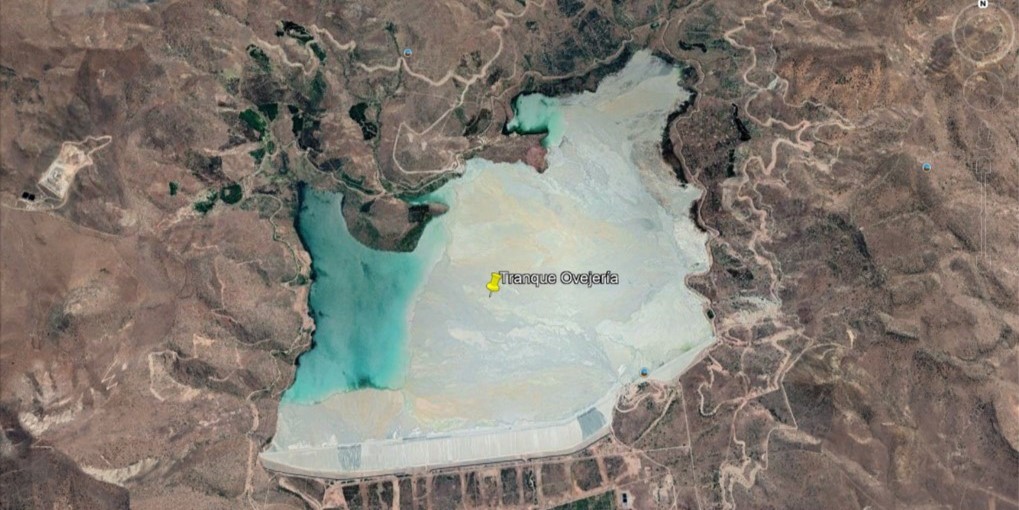
Codelco selected the Ovejería estate in the Til Til valley to build the dam to deposit its tailing because it had advantages such as: its isolation; its clay characteristics; the size of the basin, which has the capacity to store the tailing that the Andina Division will produce over the next 160 years; and the security represented by the 16-meter-high starting wall of compacted sand, which is impermeable.
The great engineering work involved the construction of 83 kilometers of reinforced concrete channels in 5 years, which has been in operation since December 1999 and carries the tailing to the Ovejería dam through the Tailing Transportation System (STR).
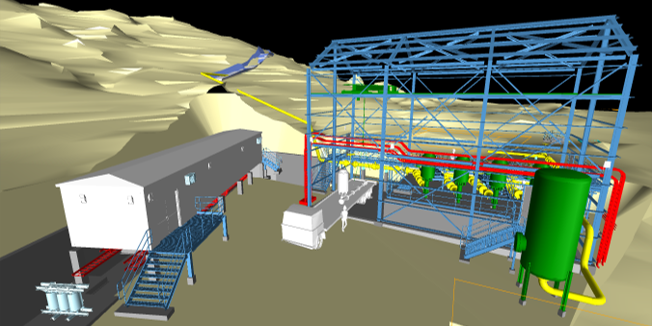
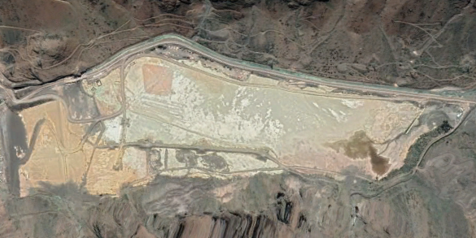
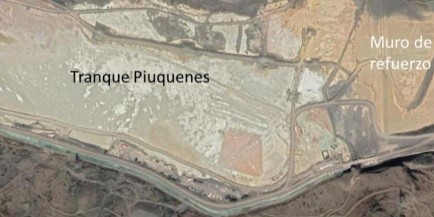
Within the framework of this Andina’s mega-project, PA Engineering carried out the Piuquenes Dam Closure Plan, the basic engineering that considered the removal of 25 MM/ton of tailing plus 8 MM/ton of dam walls; the necessary works for the execution of the Piuquenes dam repulping with the hydraulic removal method by pitoning, to then treat and pump this flow to the tailing chute of the STR.
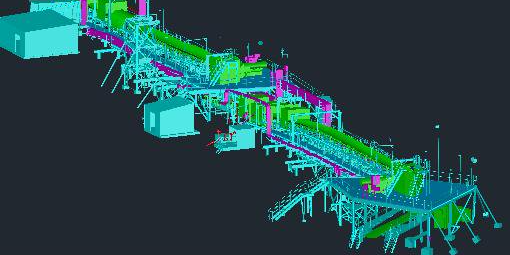
In addition, for this project PA Engineering designed in 3D with BIM methodology in all disciplines. In this way, the administration was streamlined and there was greater control of the information, being able to visualize and optimize the design, interference’s between disciplines, updating of cubic meters and drawings.
Mining
Codelco Ministro Hales Lime milk plant
Codelco Ministro Hales Lime milk plant
Industrial Sector
Mining
Client
Echeverría Izquierdo Echeverria Izquierdo Industrial Solutions
Location
Calama, Antofagasta Region
Date
2012-2013
Service Area
Consulting, Engineering & Construction Management
Solutions
Basic and detail engineering in processes, mechanics, piping, electricity, control and instrumentation, civil works, structures and 3D models. In addition, on-site engineering assistance, equipment and materials supply, construction and assembly
On September 1, 2010, Codelco’s Board of Directors at the time decided to create the Ministro Hales Division, the youngest of the Corporation, to increase the value of the state-owned company through the exploitation and processing of minerals from the deposit, originally known as Mansa Mina.
The project, led by Codelco’s Corporate Vice-Presidency, included the realization of the mine area, material removal and construction of the open pit mine; the infrastructure, where the facilities for maintenance services and the administration and engineering facilities would be located; the concentrator plant, with the processes of primary crushing, belt transport, stockpiling, milling and flotation; and the roasting plant.
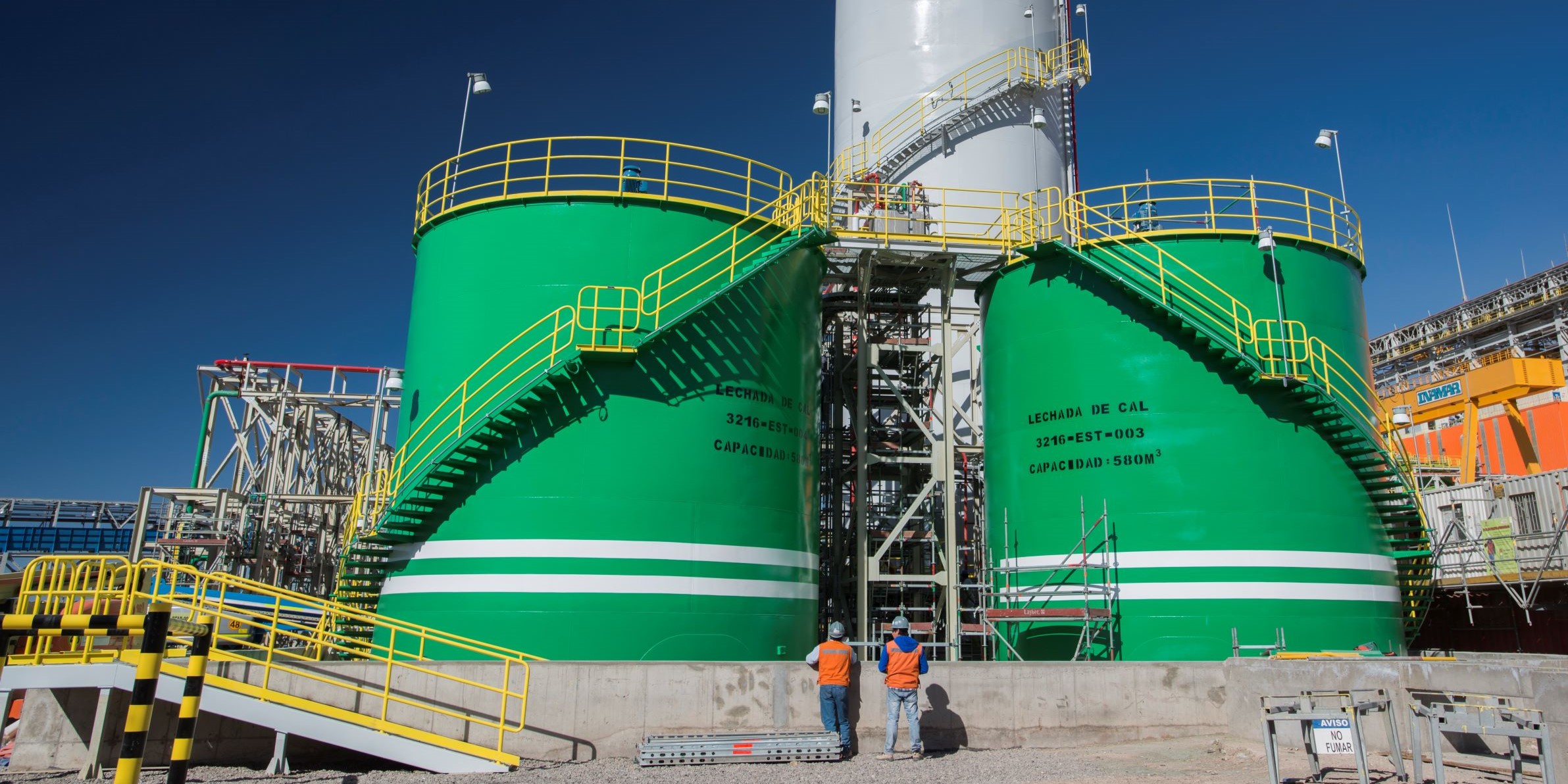
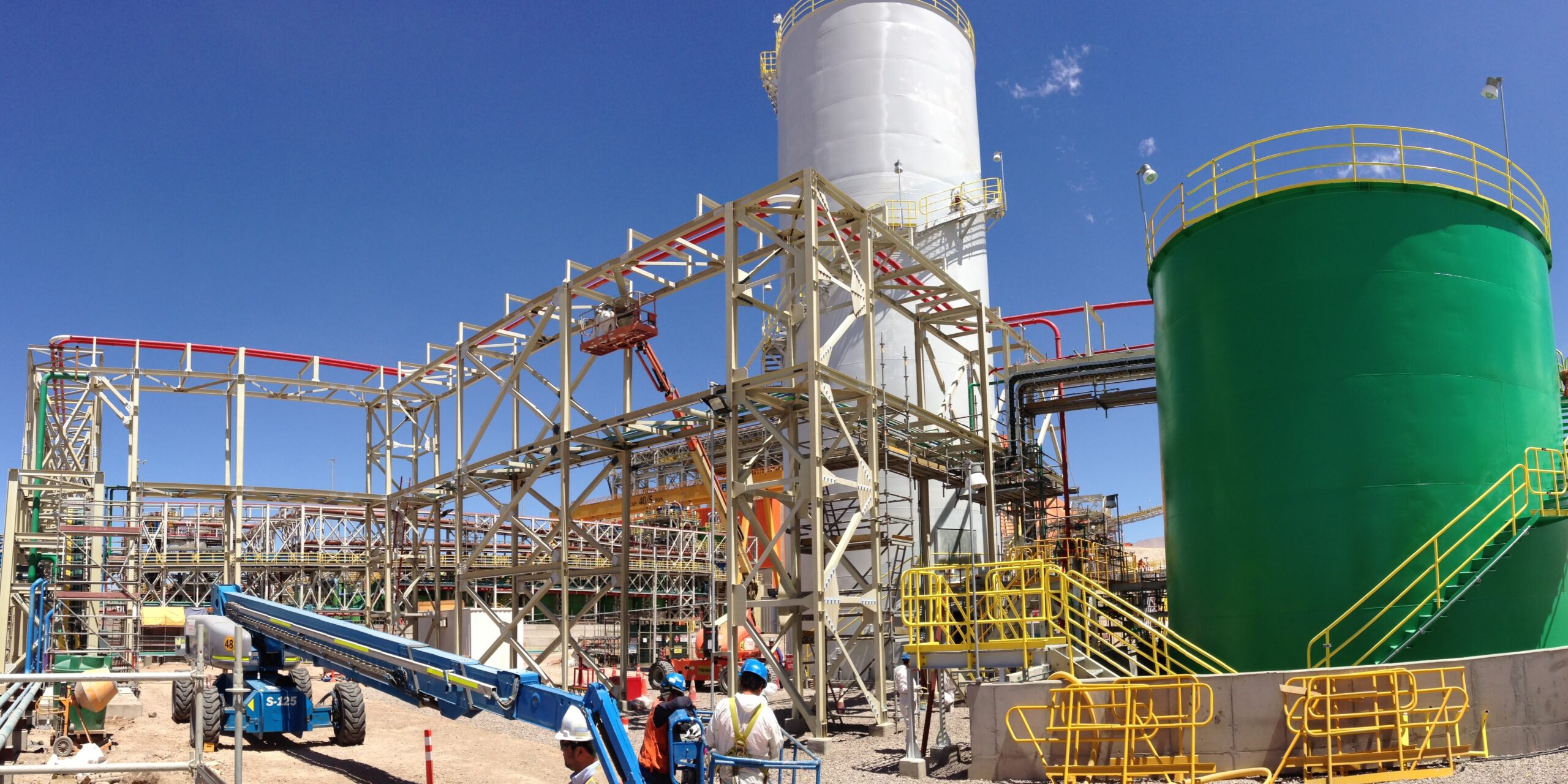
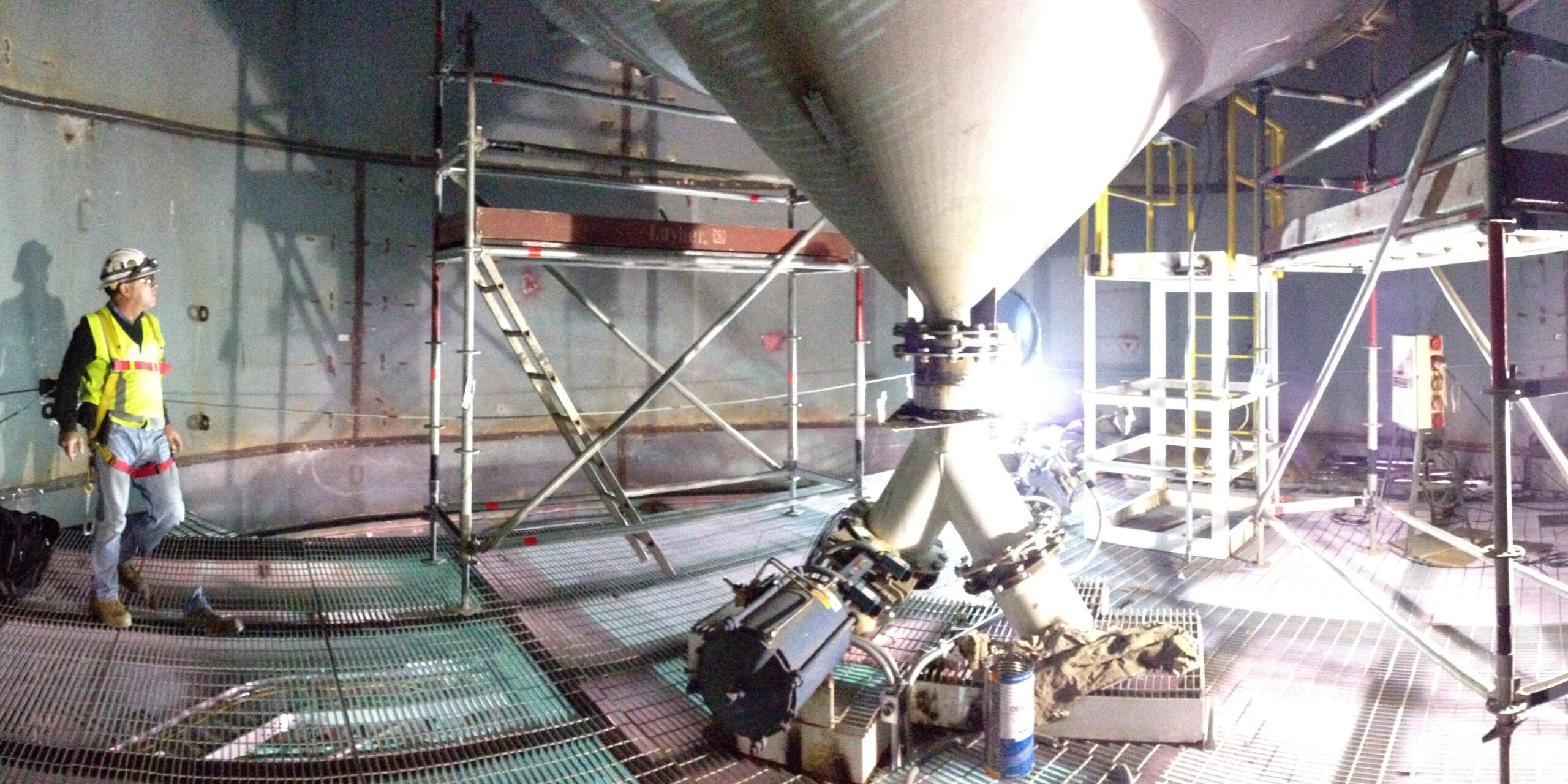
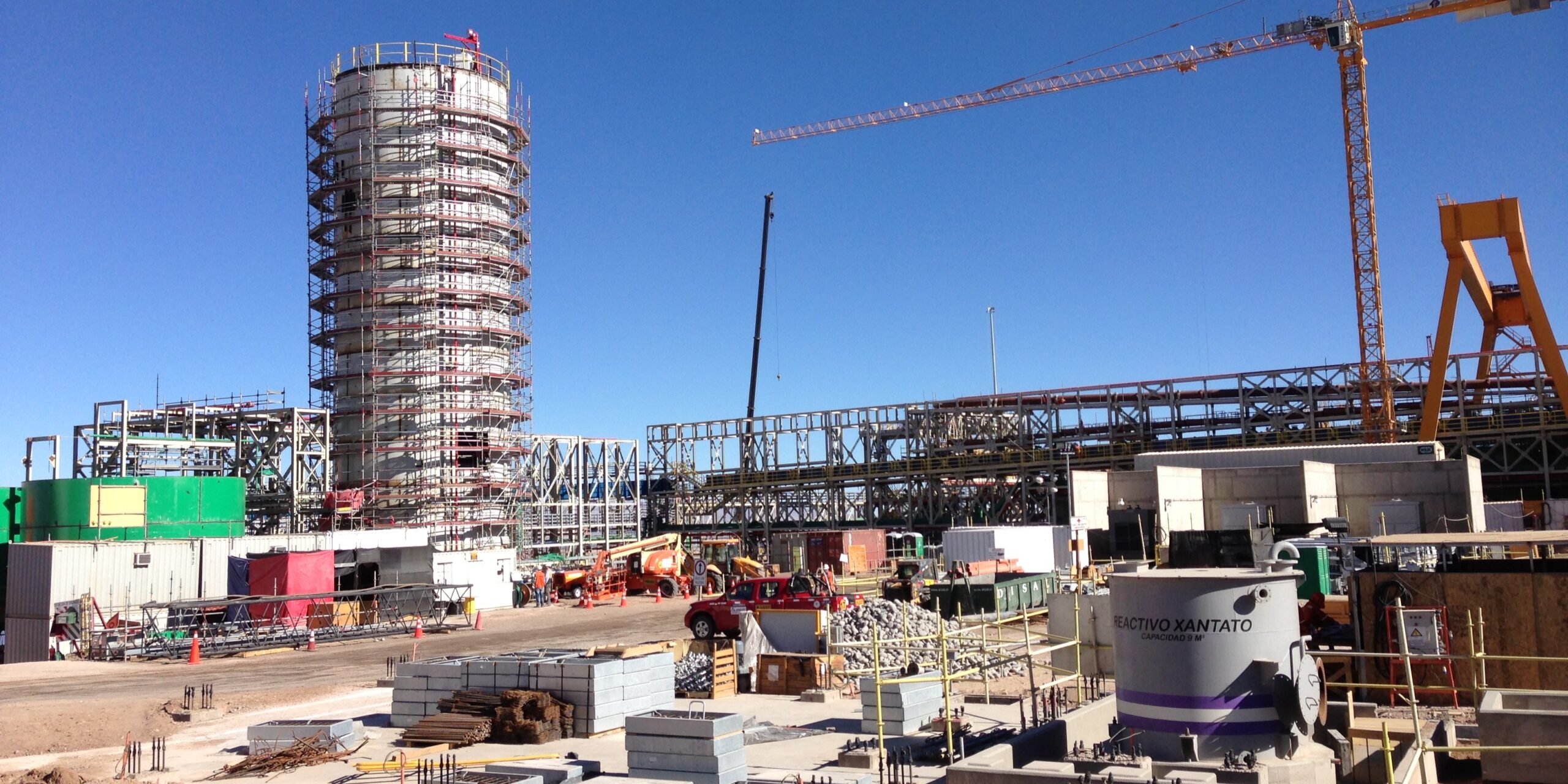
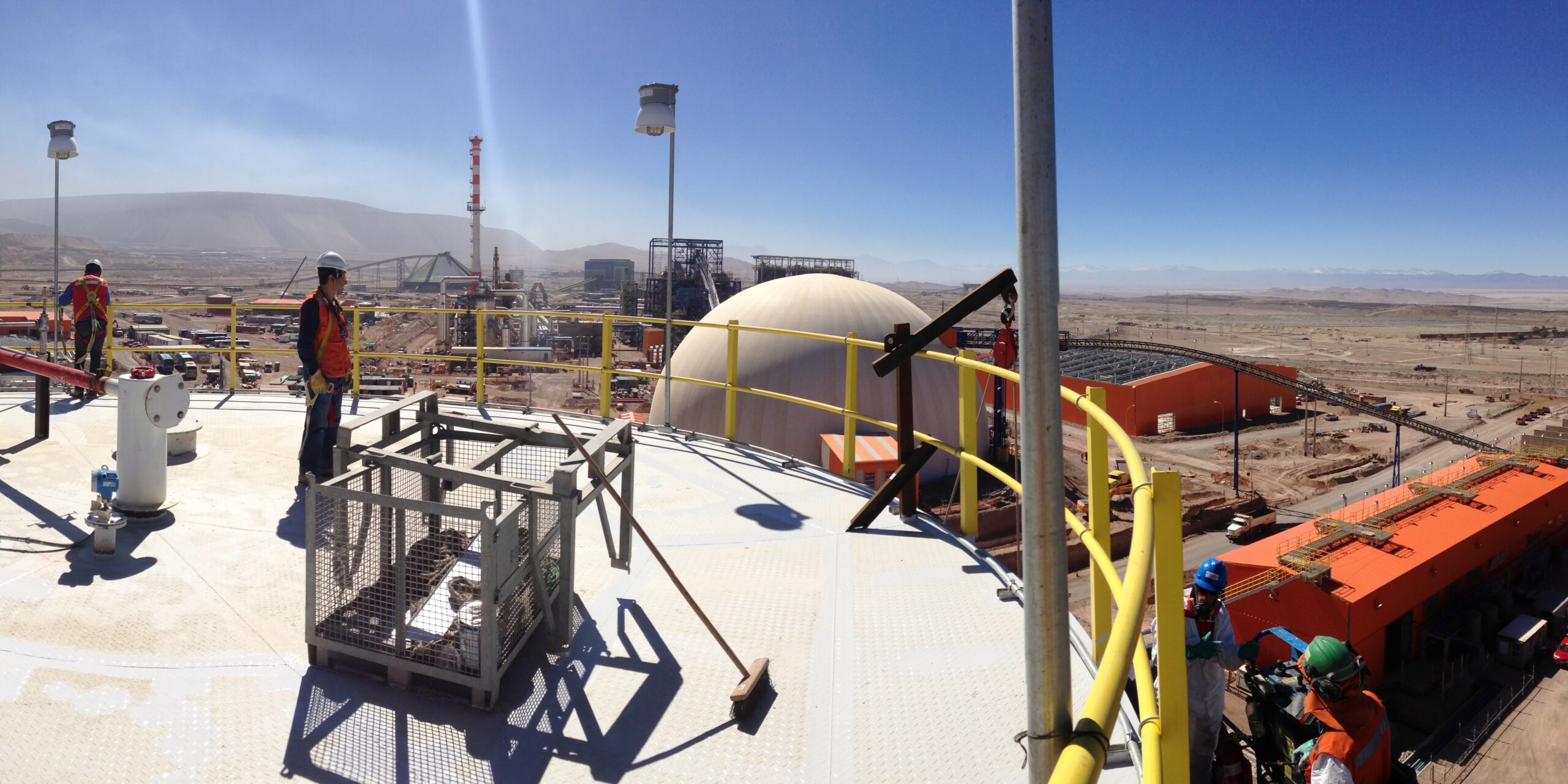
PA Engineering, together with Echeverría Izquierdo, presented a project for the EPC engineering and construction of two lime milk plants for the new Ministro Hales Division, one to feed the grinding plant for the flotation process and the other for the neutralization of effluents in the roasting plant. The proposal included Project management, engineering, procurement of equipment (including offshore fabrication inspection) and materials, project management, site engineering and construction technical support, commissioning and start-up of the two units.
The project was developed between 2012 and 2013, for two storage silos (750 ton) and lime milk preparation systems (8.6 ton/h) equipped with the largest slakers available in the industry (12 t7h) for the Concentrator and Roasting plants. In addition, the interconnection of services to the slurry preparation systems was made from the existing grate to each of the respective systems.
Finally, connections were made to the concentrator and roasting electrical room (subway duct bank) and connections to the concentrator and roasting control room (signal repeater via fiber optics, subway duct bank).
On January 5, 2016, the open pit mine was officially inaugurated, located at an altitude of 2,600 meters and almost 10 kilometres north of Calama along the road that connects this city with Chuquicamata. It is currently one of the most modern copper production complexes in the country and produces copper calcine, copper concentrate and silver.
According to Codelco’s website, the hallmark of Ministro Hales is determined using technology and innovation in its processes, with an operation that respects environmental regulations and is in permanent contact with the communities. In 2020 it produced 170,606 metric tons of fine copper and 260,981 kilos of silver.
Mining
Pit Dewatering
Pit Dewatering
Industrial Sector
Mining
Client
Mining Company Cerro Colorado, BHP
Location
120km east of Iquique.
Date
2017
Service Area
Consulting
Solutions
Advanced basic engineering in process, civil/structural, mechanical/piping, electrical and instrumentation and control disciplines
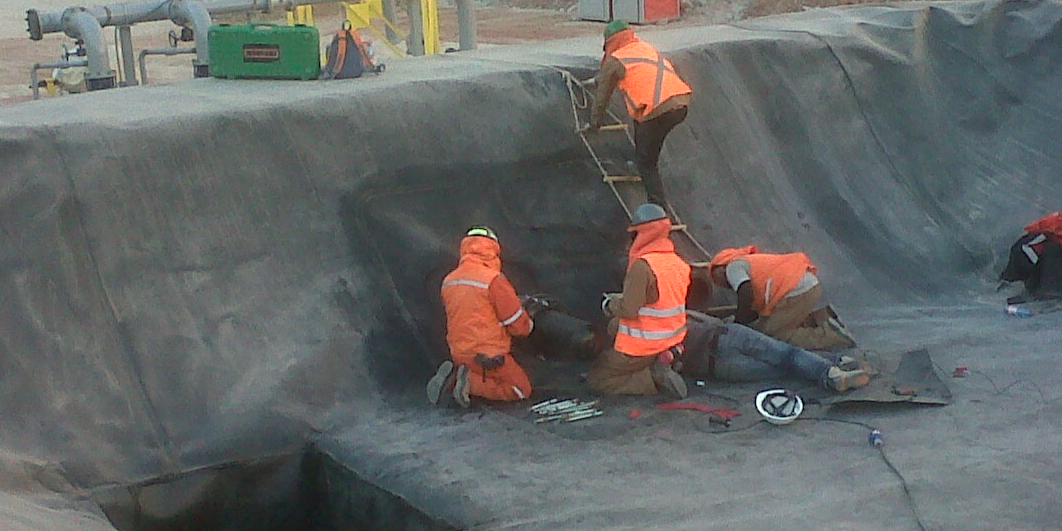
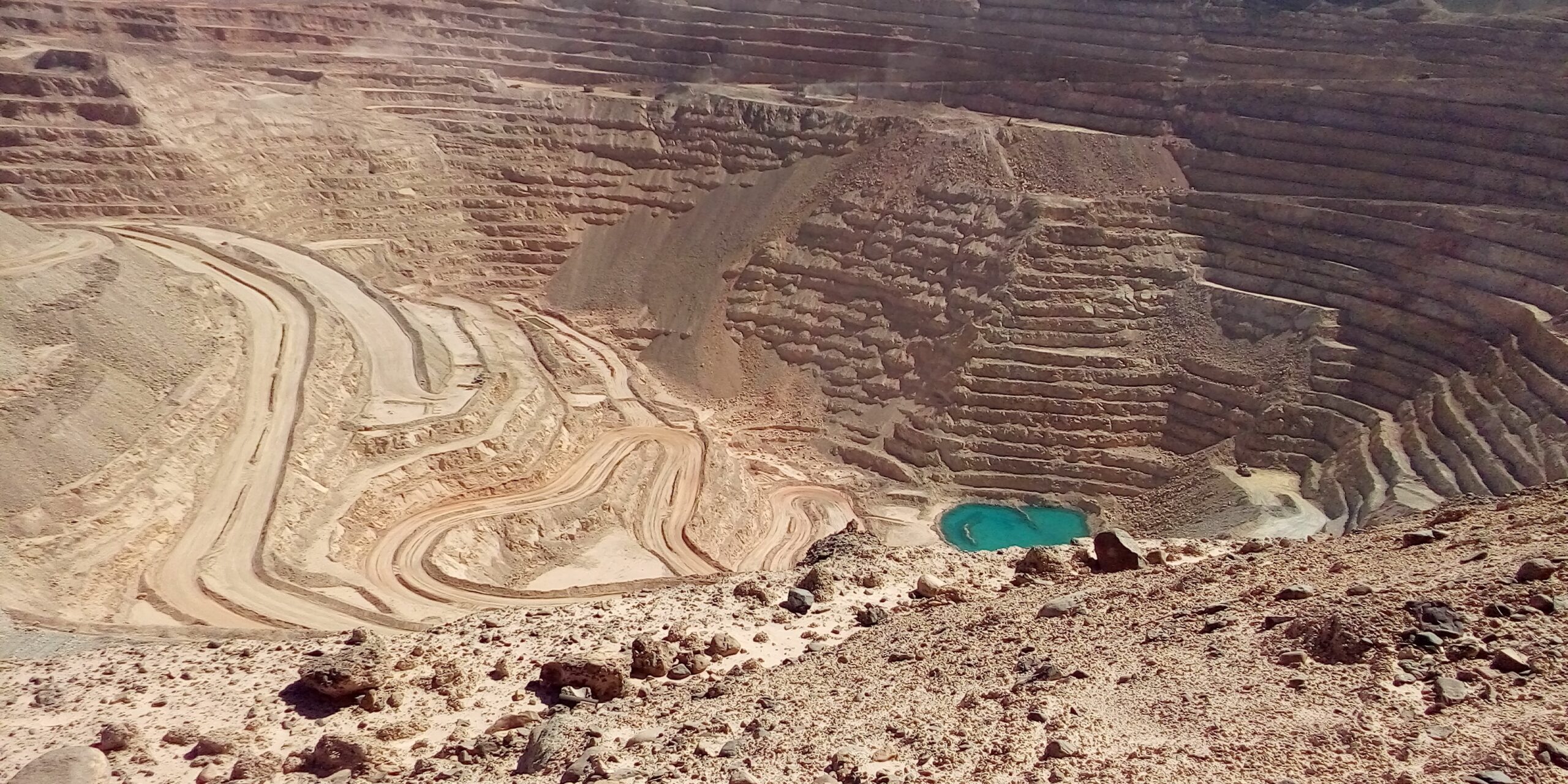
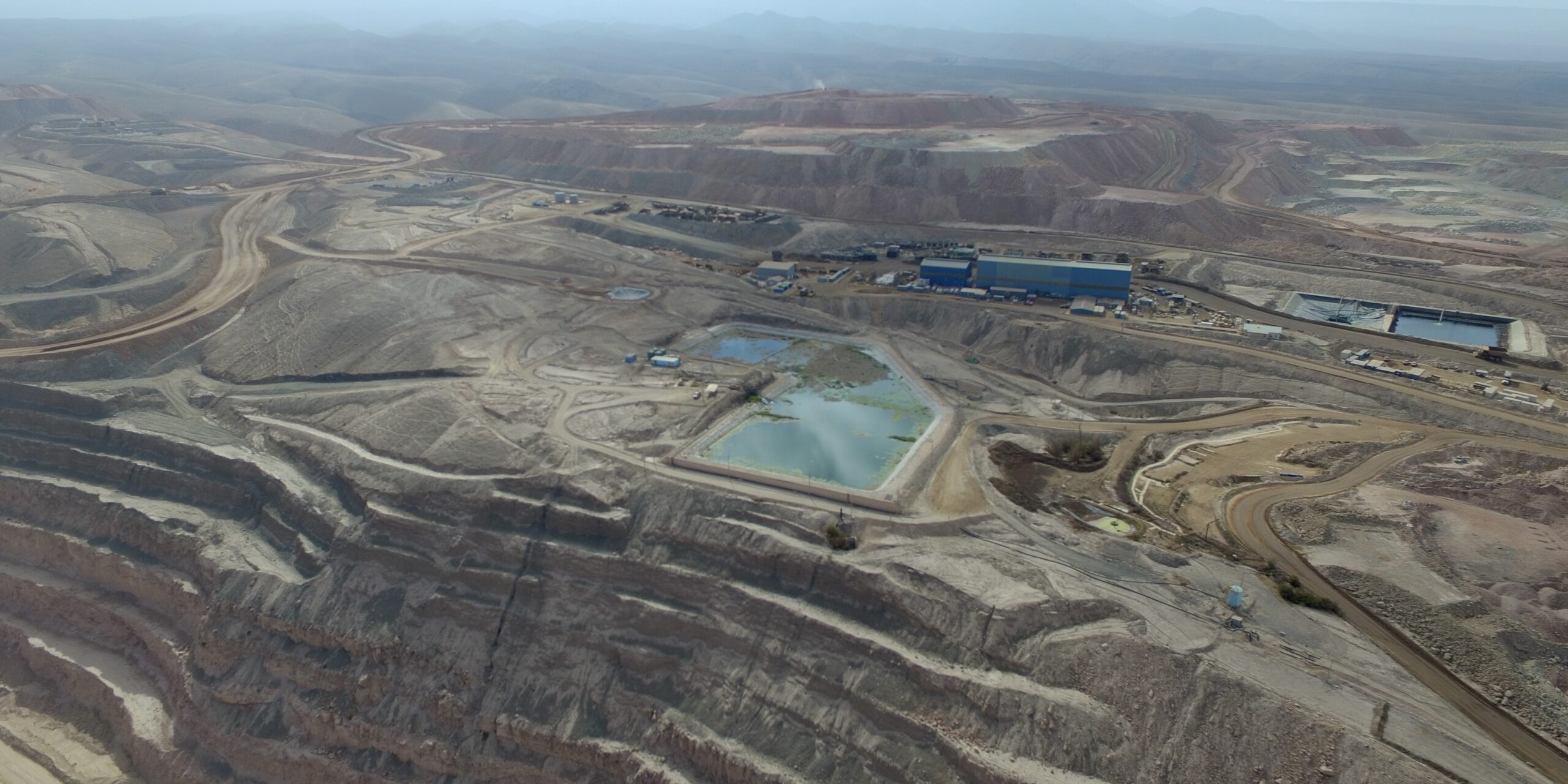
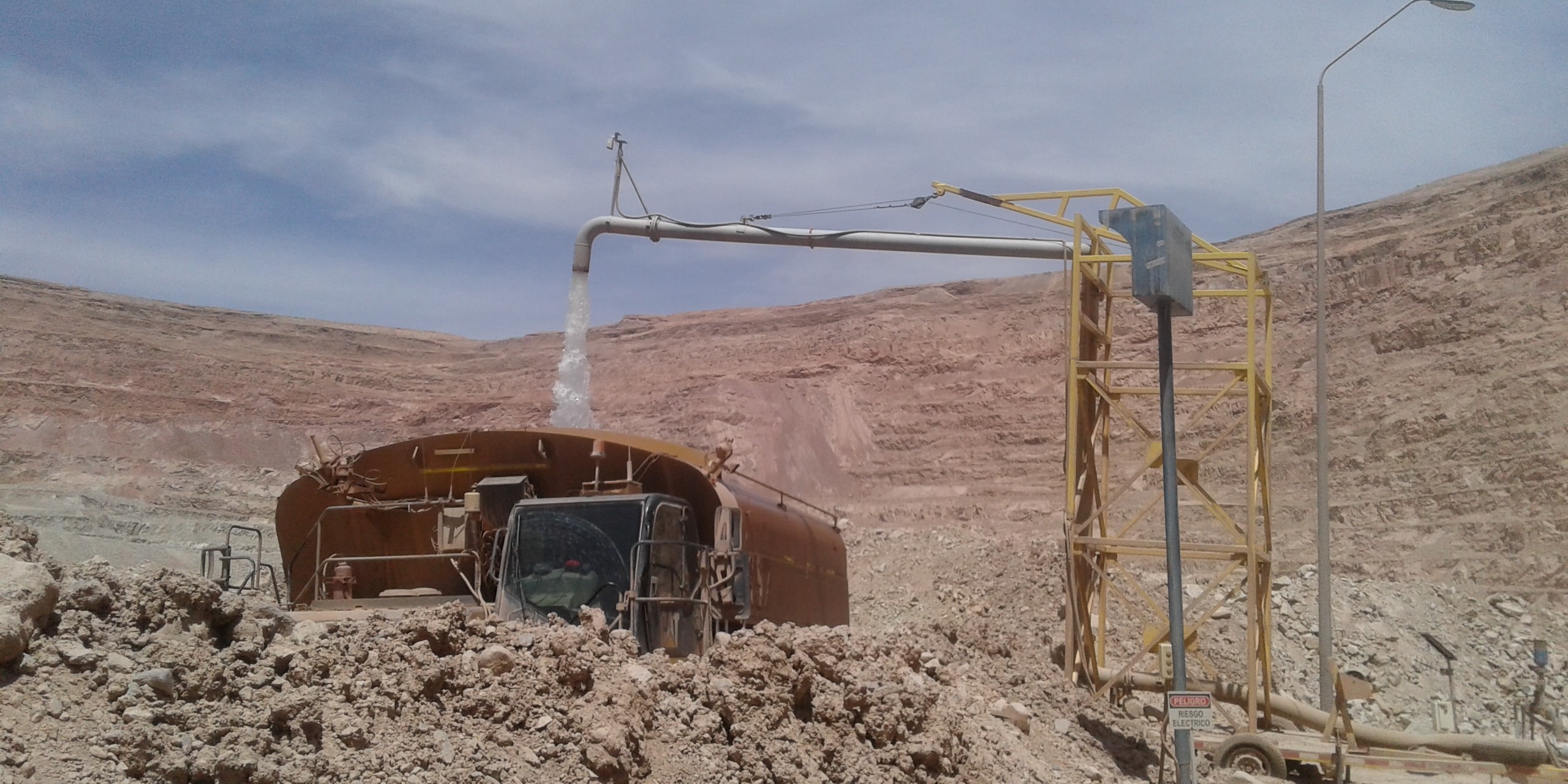
BHP’s Cerro Colorado Mining Company (CMCC) is an open-pit copper mine, which had a dewatering system that worked with submersible pumps, which propel the water to two pools, from where and through other pumps, cistern trucks were loaded for the irrigation of internal roads of the mine and the surplus water was transported to the plant’s water reservoir.
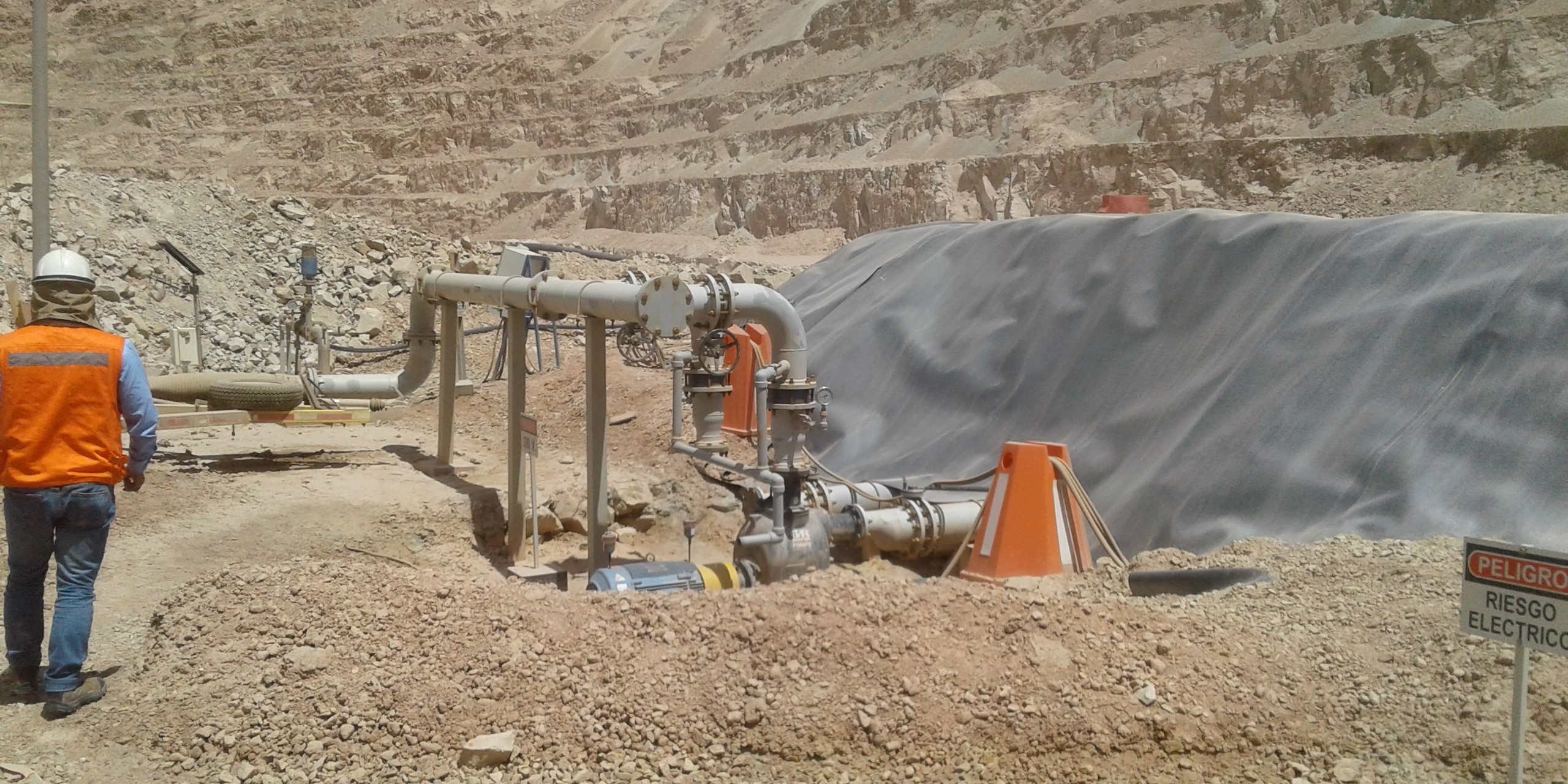
After several studies, CMCC decided to install a continuous pumping system with multistage centrifugal pumps to the reservoir.
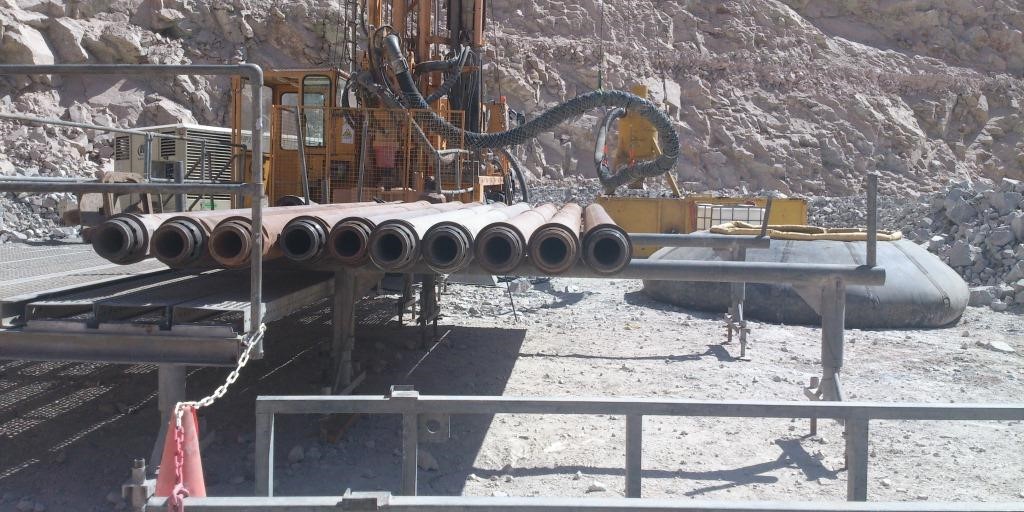
PA Engineering developed advanced basic engineering in the specialties of processes, civil/structural, mechanical/piping, electricity, and instrumentation and control for the design of the project, which considered the implementation of a 50 l/s water extraction system with submersible pumps continuously from shallow wells at points near the loading faces.
The water extracted from the bottom of the mine is stored in small pools a slightly higher level and then pumped with multistage centrifugal pumps to the Reservoir, which also have a system for filling cistern trucks for the irrigation of roads.
The power supply for the equipment will be carried out through Generator Sets or power line from fixed substation transformers.
Energy
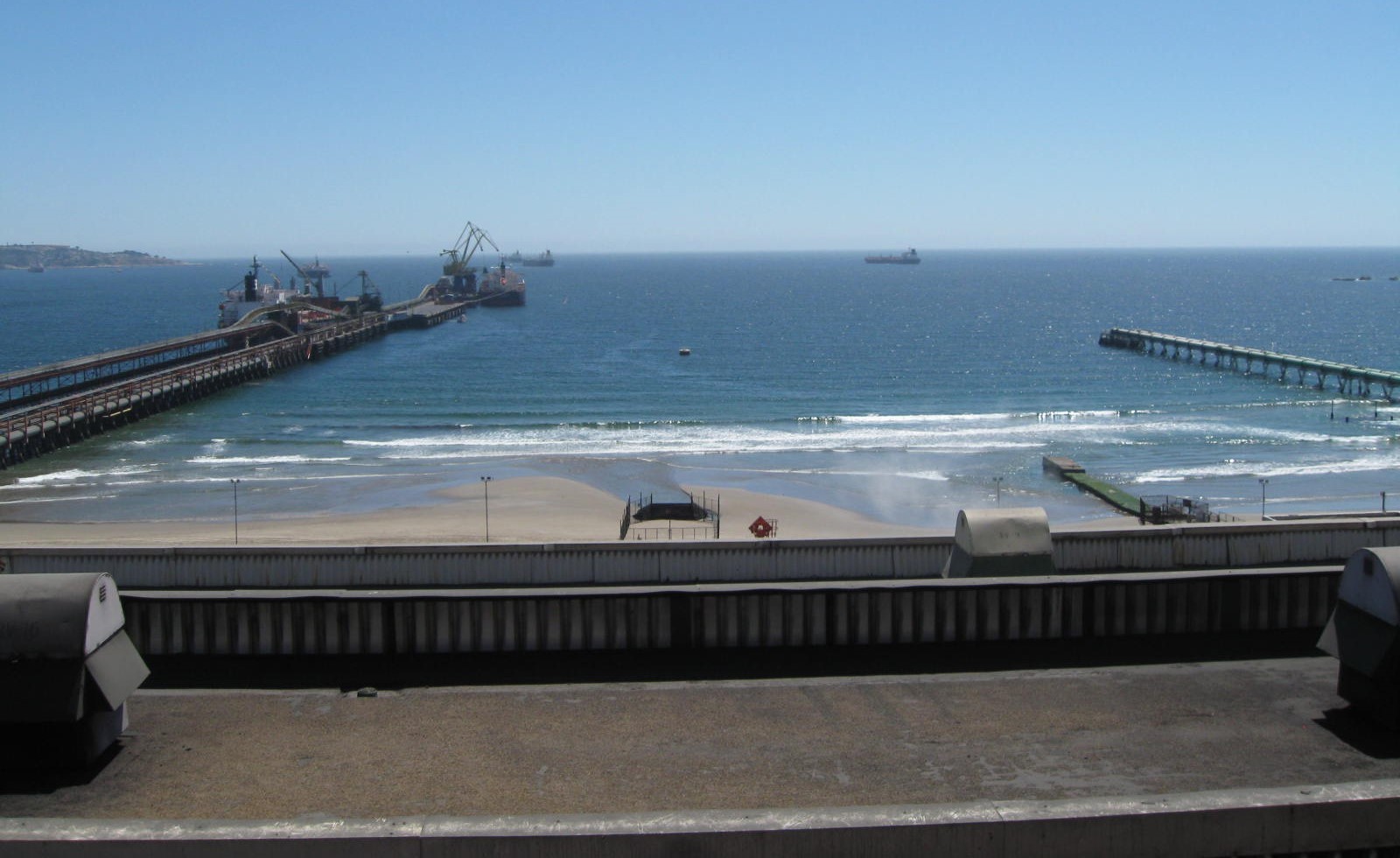
Improvements to the Ventanas Thermoelectric Complex
Improvements to the Ventanas Thermoelectric Complex
Industrial Sector
Energy
Client
Echeverría Izquierdo Montajes Industriales
Location
Puchuncaví, Valparaíso Region
Date
2014-2015
Service Area
Consulting and Engineering
Solutions
Basic process engineering, mechanical, electrical and instrumental, and detailed engineering in mechanics and piping, electrical, instrumental and control, civil and structural.
PA Engineering developed the basic and detail engineering for the improvement of the Instrumentation and Service Air System of Ventana 1 and Ventana 2. In addition, the engineering was done for a short-term solution in the use of water from ESVAL, for the replacement of the slag silo bucket elevator.
Eléctrica Ventanas Company, a subsidiary of the AES Gener Group, operates the Nueva Ventanas thermoelectric, a plant that has an installed capacity of 272 MW that it injects into the Central Interconnected System (SIC). Nueva Ventanas has state-of-the-art technology to minimize its emissions into the atmosphere: semi-dry desulfurization (SDA) equipment for the reduction of sulfur dioxide (SO2) emissions; Bag Filter System that captures 99.9% of particulate matter (PM), and adjustable tangential carbon burners, which reduce the generation of Nitrogen Oxides (NOx).
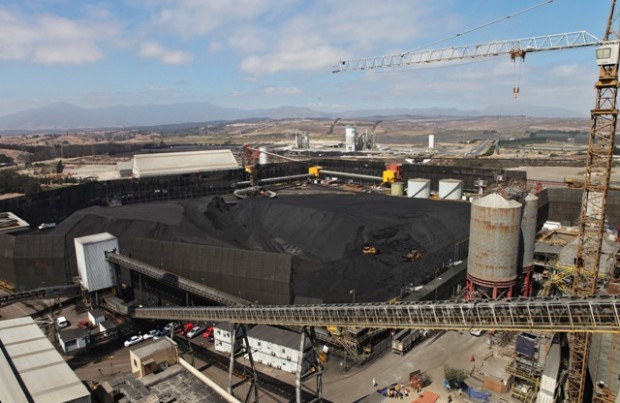
Desalination
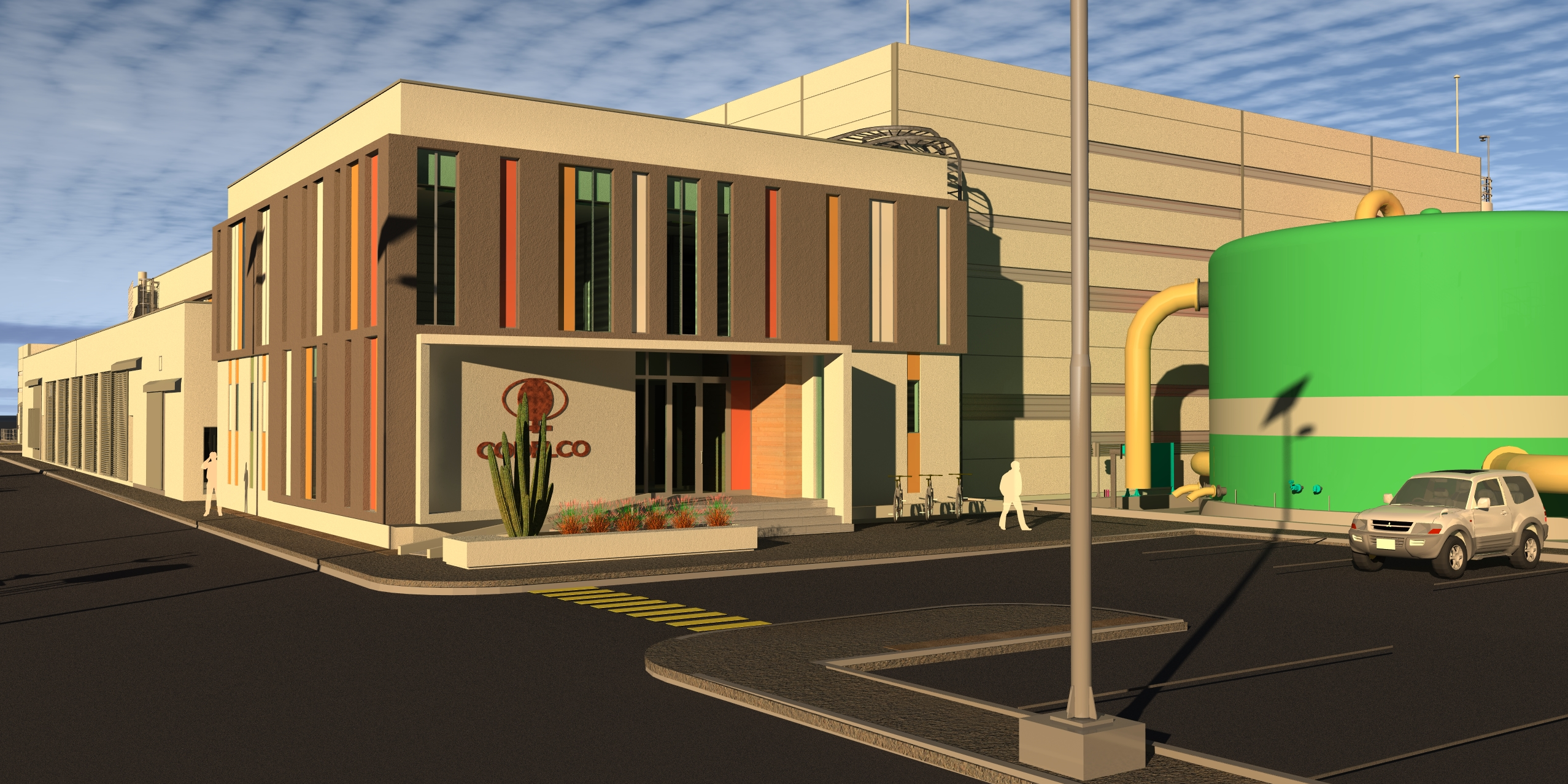
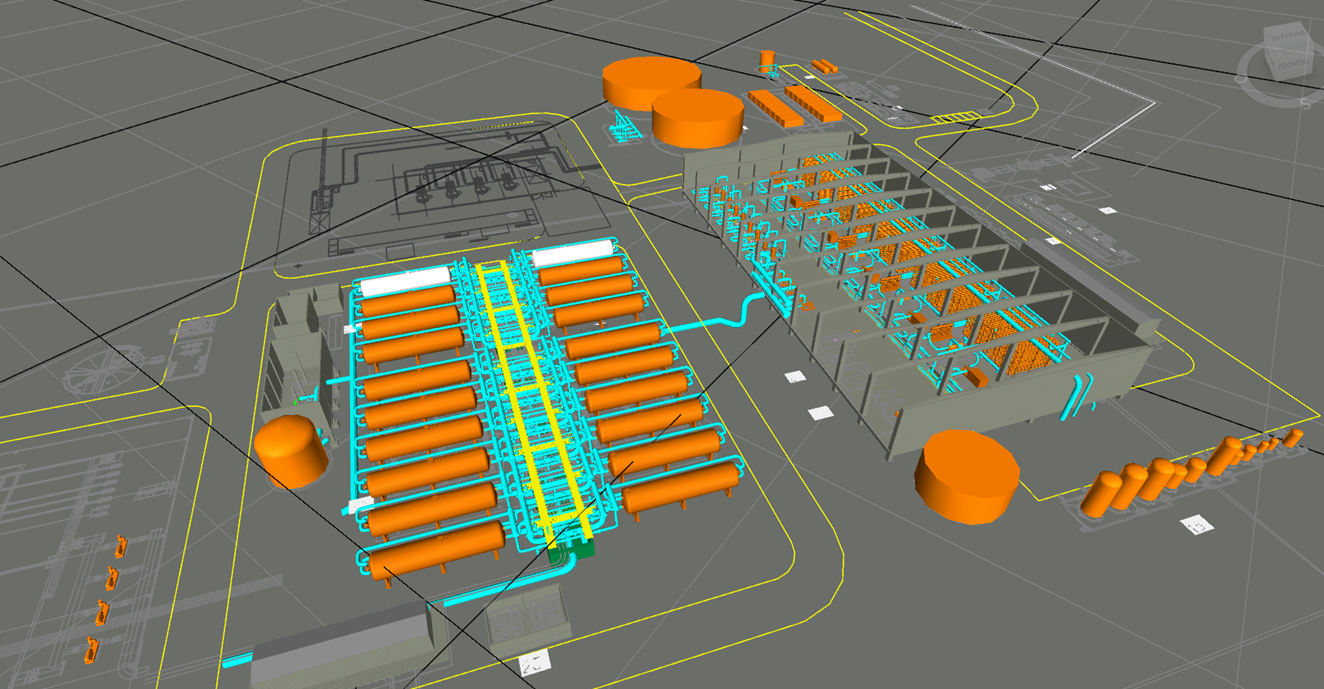
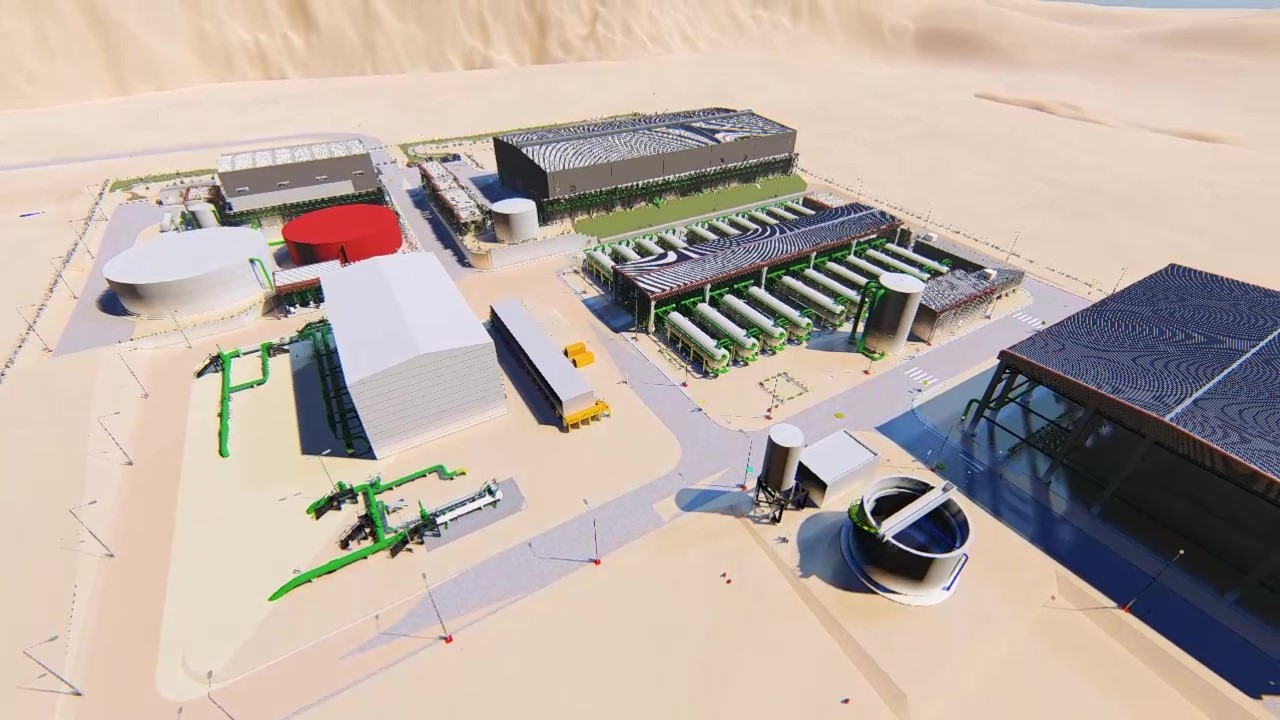
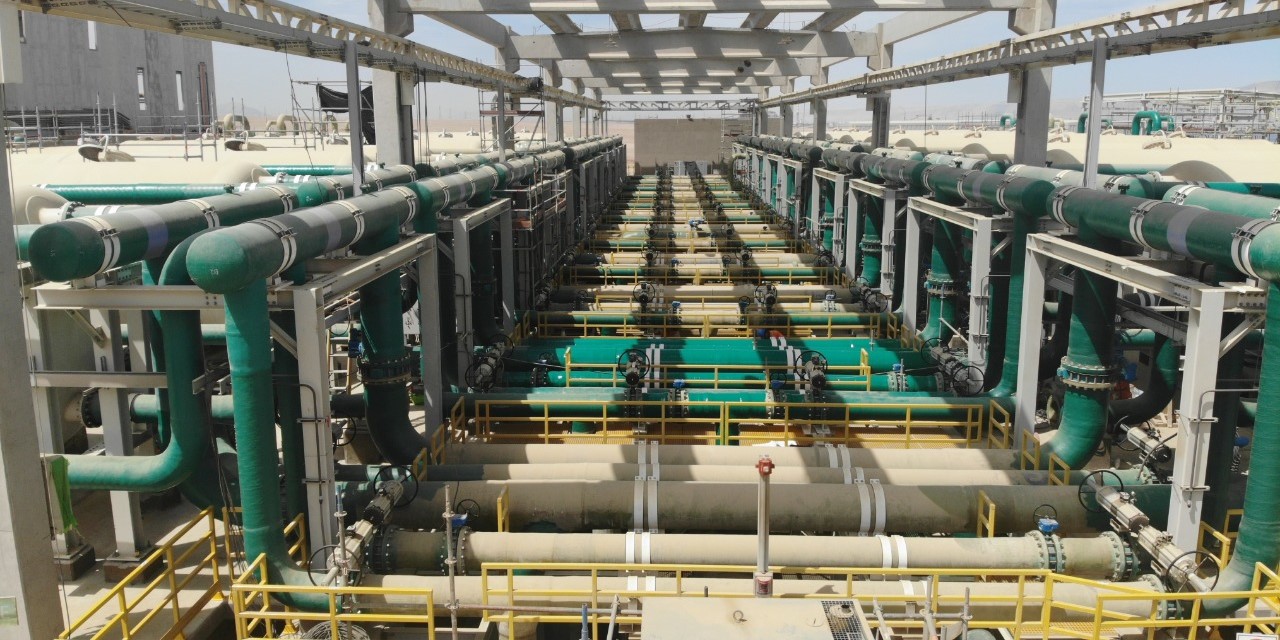
Agua de Mar Desalination Plant, Spence Growth Option (SGO) project, BHP Spence Mining
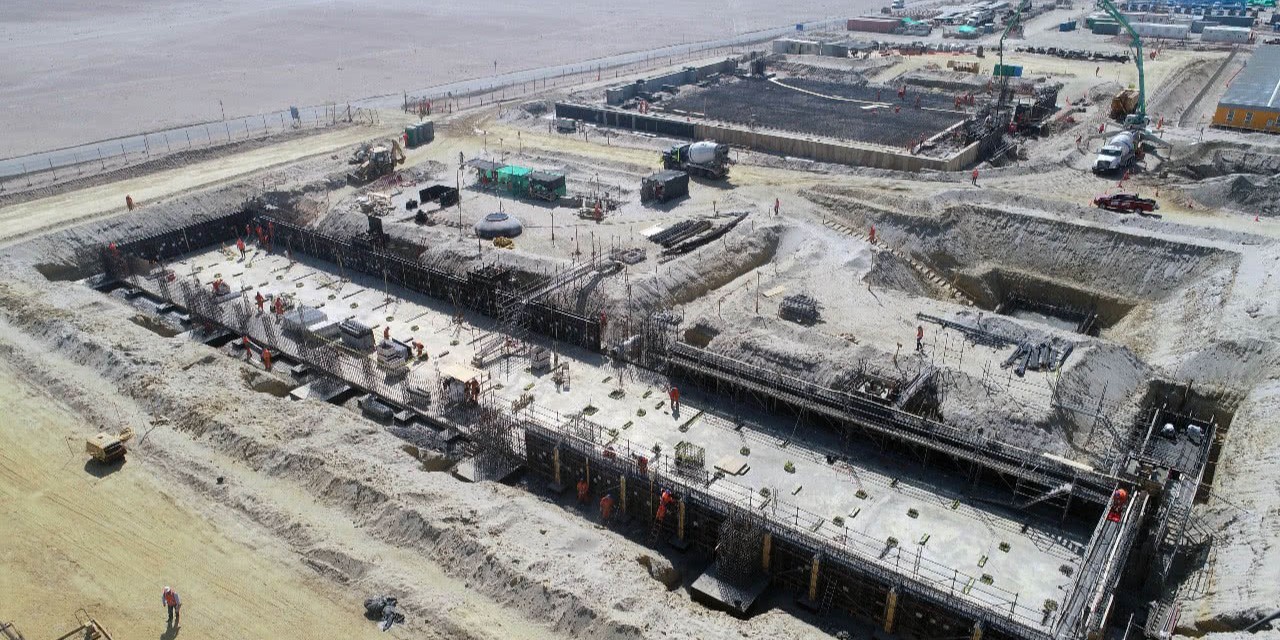
Agua de Mar Desalination Plant, Spence Growth Option (SGO) project, BHP Spence Mining
Industrial Sector
Mining and Infrastructure
Client
ILF Ingeniería Chile
Location
Mejillones, Antofagasta Region
Date
2017-2018
Service Area
Consulting, Engineering and Procurement
Solutions
Basic and detail engineering in various disciplines, architectural design, 3D technology, procurement and on-site engineering.
In 2005, the construction of the Spence Mining Company began and two years later it started production, consolidating itself over time as a relevant deposit in BHP’s investment portfolio.
In August 2017, BHP approved the Spence Growth Option (SGO) project, with an estimated investment of US$2.46 million, which was aligned with the mining company’s corporate strategy of having large, long-lived and low-cost operations.
With this, the site took a big step thanks to the construction of the SGO project, which allows Spence to project itself in the long term through the treatment of hypogene minerals through a concentrator plant, which operates in conjunction with the current FullSal mixed mineral leaching process.
Overall, the project comprised a new 95,000 tpd concentrator plant, extending the life of the Spence mine by more than 50 years, and the commissioning of the desalination plant.
The desalination plant, which considers the use of seawater for 100% of the mining process, uses reverse osmosis technology and has an approximate capacity of 1,000 l/s of water and required 154 km of water piping from the plant to the mine operation.
Pares&Alvarez developed basic and detailed engineering in instrumentation and control, electrical, civil-structural, mechanical and piping, among others, architectural design, 3D technology, procurement and on-site engineering.