
News

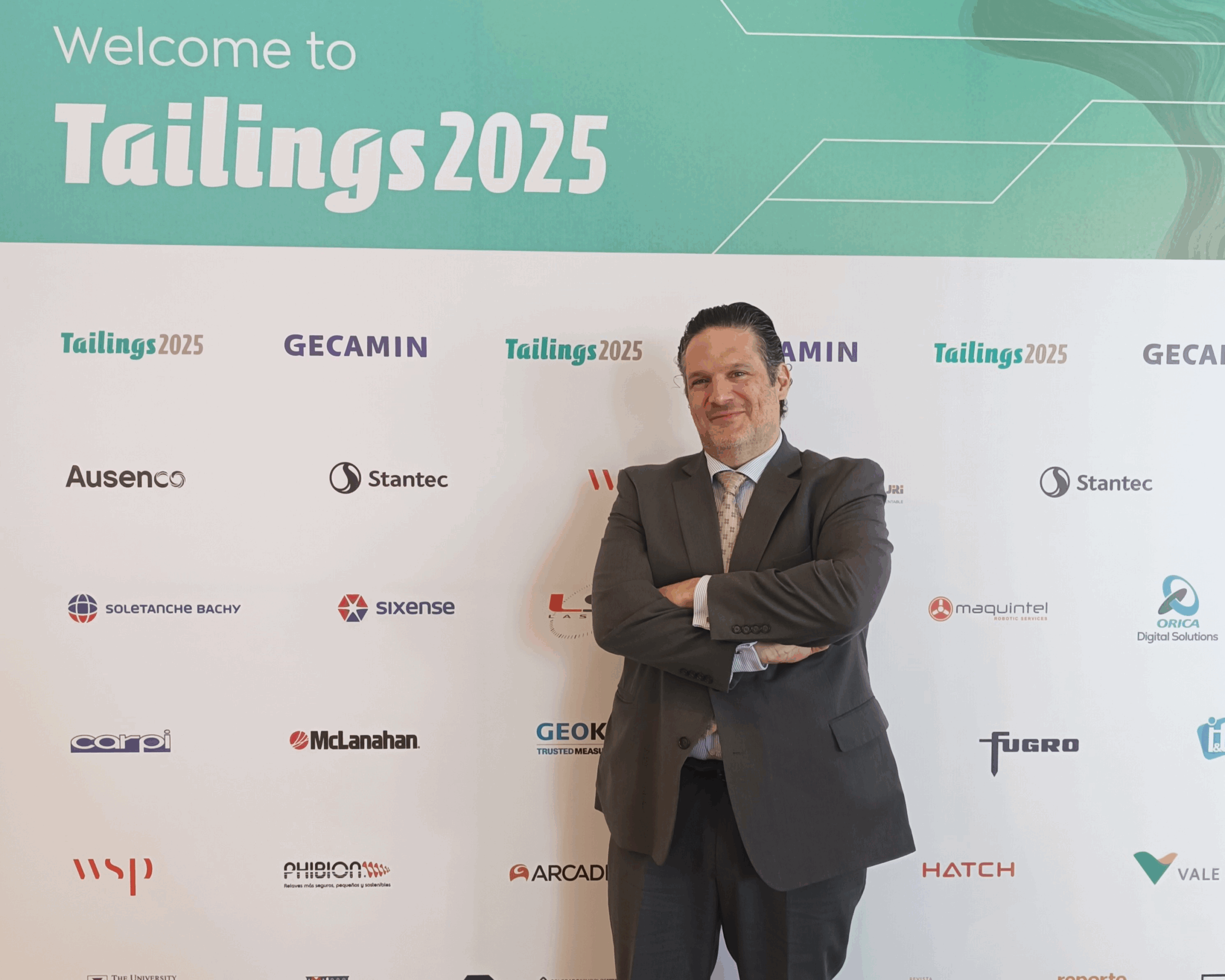
Saul Sangama, constructability specialist at Pares&Alvarez Peru:”AWP enables the efficient use of resources in a project”
27 of May of 2025


What is AWP?
AWP, or Advanced Work Packaging, is a methodology based on good practices that allows all the stages of a project to be planned and in a coordinated way: engineering, procurement of materials and services, and construction. Its objective is to align these disciplines from the initial stages, to ensure compliance with the client’s and the project’s objectives in terms of deadlines, costs and quality. To date, we have carried out projects of US$100 to US$300 million using AWP.
How does this methodology support the construction process?
AWP supports the construction process through detailed and advance planning. As the designs are completed, how the work will be executed is structured in parallel, which allows time and resources to be optimized. This methodology provides an integrated view between engineering, procurement, and construction, which facilitates the establishment of metrics and improves decision-making to achieve efficiencies in time and cost.
What is the difference between AWP and BIM? How do these two methodologies align?
BIM (Building Information Modelling) is a digital modelling tool that allows the project to be graphically represented with a high level of detail and precision. AWP, on the other hand, is a management methodology focused on the efficient planning and execution of the project, with an emphasis on construction. The two complement each other: BIM provides the visual support and detailed information that AWP uses to more effectively plan and coordinate project stages. When integrated, they allow for more robust and collaborative management from design to execution.
How does this methodology work in engineering?
The methodology is implemented by breaking down the project into units. The first step is the geographical sectorization of the project, that is, in Construction Work Areas (CWA), where construction crews operate, which gives rise to the Construction Work Packages (CWP).
The key function of engineering in this context is to generate Engineering Work Packages (EWPs), which provide each crew with the information necessary to execute their tasks. This ensures that CWPs are aligned with an execution strategy and available resources, ensuring efficient planning and a smooth transition from engineering to construction. Traceability between designs, CAPEX, and Construction Programs is obtained by linking the intelligent 3D model to automated extractions (MTOs) for better accuracy in quantities per CWP.
At what stage is it best to use this methodology, in engineering or construction?
Good practices of the AWP indicate that its ideal implementation should occur in the early stages of the project, such as pre-feasibility and feasibility. This allows you to establish a clear strategy, define area breaks, and establish a baseline of construction packages, to maximize value during detailed engineering.
Although it is possible to apply AWP during detail or construction engineering, planning is no longer really “advanced” and becomes reactive planning.
Other News