
Blog

Powering the Energy Future: The Role of Engineering in Clean Energy Generation, Transmission, and Storage
17 of January of 2025


Paula Clemo, Deputy Commercial Manager
Can Chile lead the global energy revolution? With record numbers and a firm commitment to carbon-neutrality, the country has the foundations, but the key will be to overcome the technical challenges of its energy transition.
The massive influx of renewable sources, especially solar and wind, has revolutionized Chile’s energy landscape over the past decade. This change has placed the country at the forefront of the energy transition worldwide, with figures that break records year after year. According to recent data from the National Electricity Coordinator, by 2024, more than 70% of the installed capacity in the electricity system comes from clean sources. Photovoltaic solar energy stands out, accounting for about 20% of this capacity.
This progress propels Chile towards its goal of carbon neutrality by 2050, which not only reinforces the country’s environmental leadership, but also generates jobs, reduces energy costs and improves the quality of life of thousands of families. However, sustaining this ambitious growth and realizing its full potential requires still solving challenges in the three segments of the industry: generation, transmission and storage, where engineering is a strategic enabler of innovation and sustainable solutions.
In the field of generation, engineering has been a fundamental pillar, from the design of solar and wind plants to the optimization of distributed generation projects. Technical developments make it possible to maximize efficiency, reduce costs and adopt state-of-the-art technologies and thus capitalize on Chile’s vast natural resources. Iconic projects such as Cerro Dominador, the first solar thermal plant in Latin America, also demonstrate the transformative potential of this discipline.
But power generation is only part of the equation. The transmission system faces serious limitations: the main sources of generation are located in the north and south of the country, while the highest consumption is concentrated in the central zone. Here, powertrain engineering is crucial. Technologies such as high-voltage direct current (HVDC) offer solutions to increase transmission capacity, reduce electrical losses, and improve security of supply. In addition, advanced monitoring and control systems allow energy management in real time, avoiding congestion and stabilizing the operation of the electrical system.
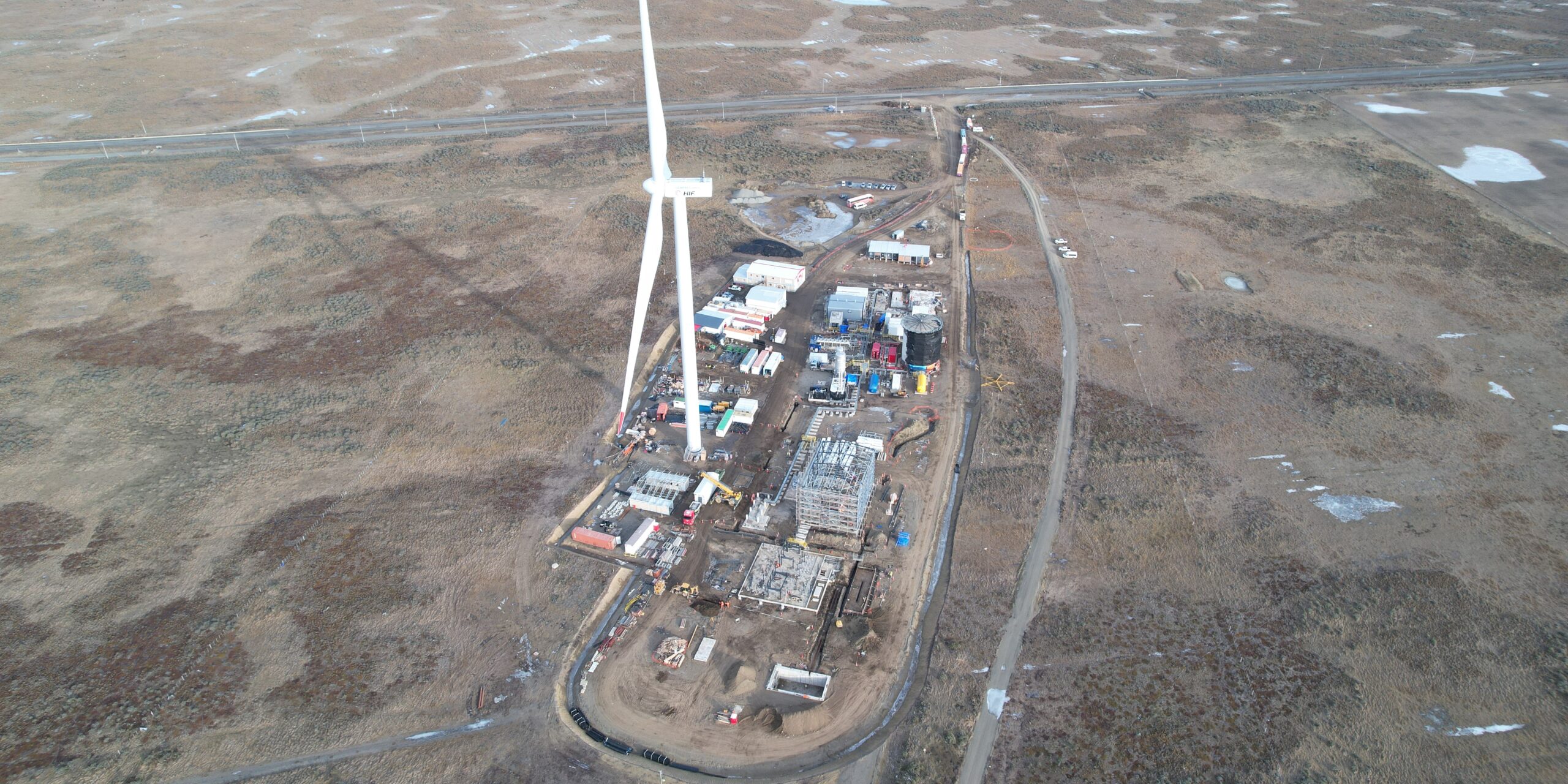
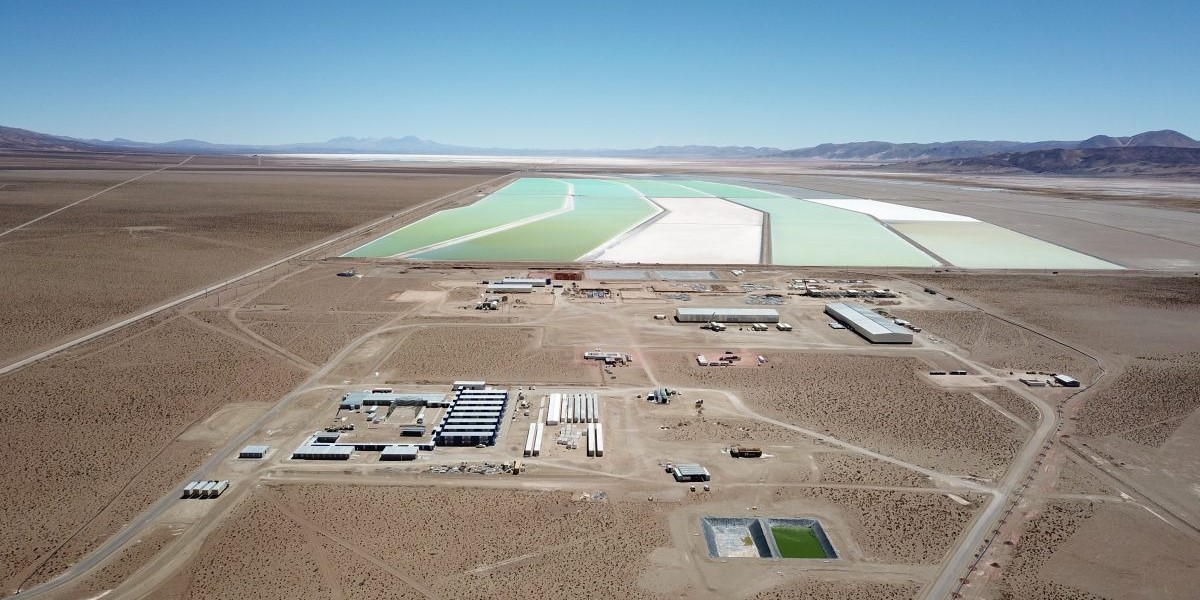
On the other hand, storage is the key link to guarantee a constant and reliable supply, especially in the face of the inherent intermittency of renewables. Engineering plays a leading role in the implementation of large-scale lithium batteries, hydraulic pumping systems and emerging solutions such as green hydrogen. The development of hybrid configurations and integrated models of storage and renewable generation can accelerate their adoption, in order to reduce dependence on backup fossil sources and move towards a fully decarbonized system.
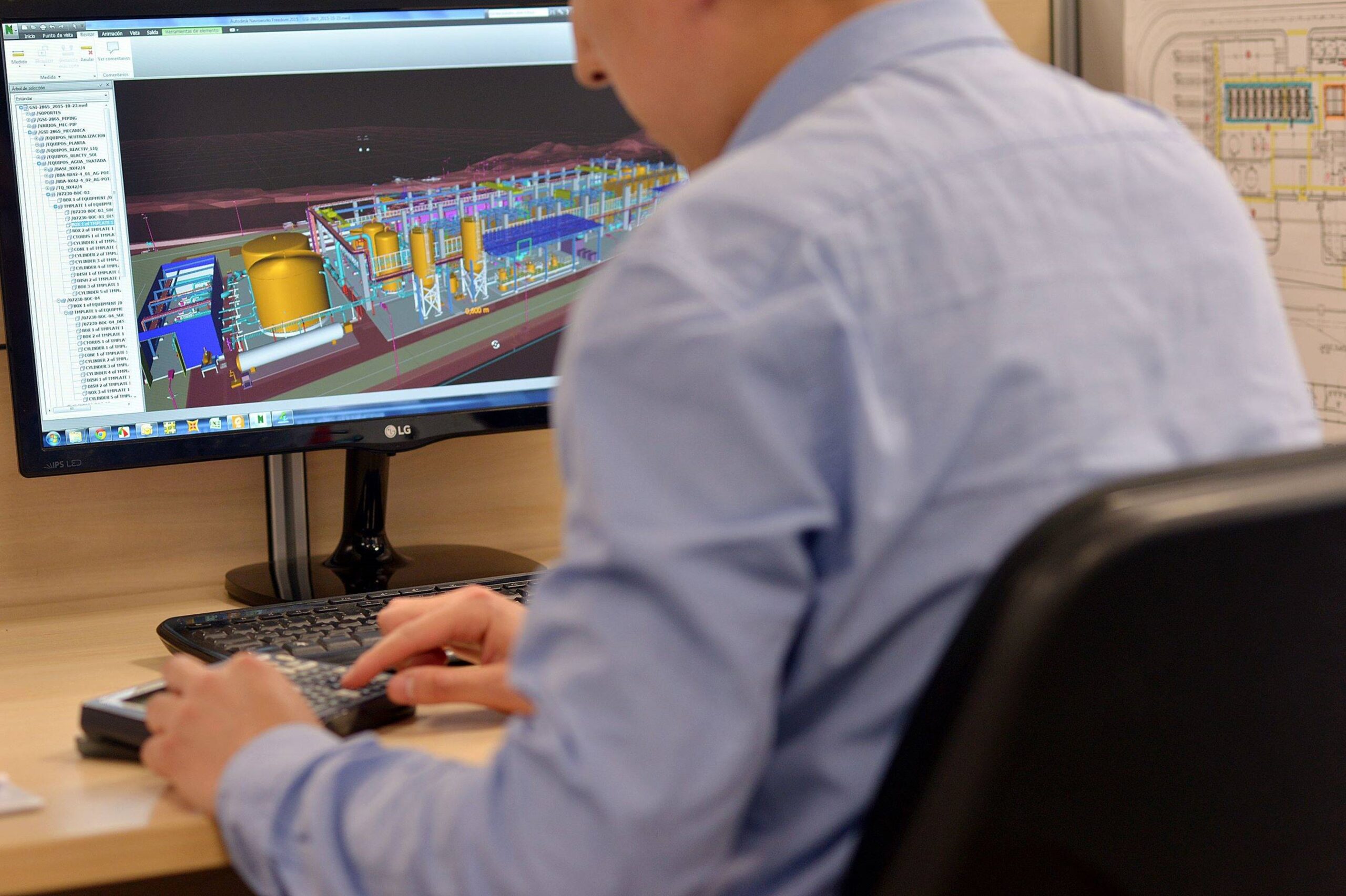
With advances that rival powers such as Germany or Australia, our country has a unique opportunity to become a model for the region and the world. The energy challenge here is undoubtedly a joint task. Collaboration between the public and private sectors and communities is essential, but engineering is the force that transforms concepts into real infrastructure. From planning and design to execution, engineers are the architects of the sustainable energy future we want to build.

Other News