

Blog

Gender Equity: The Path to Senior Management
25 of May of 2021


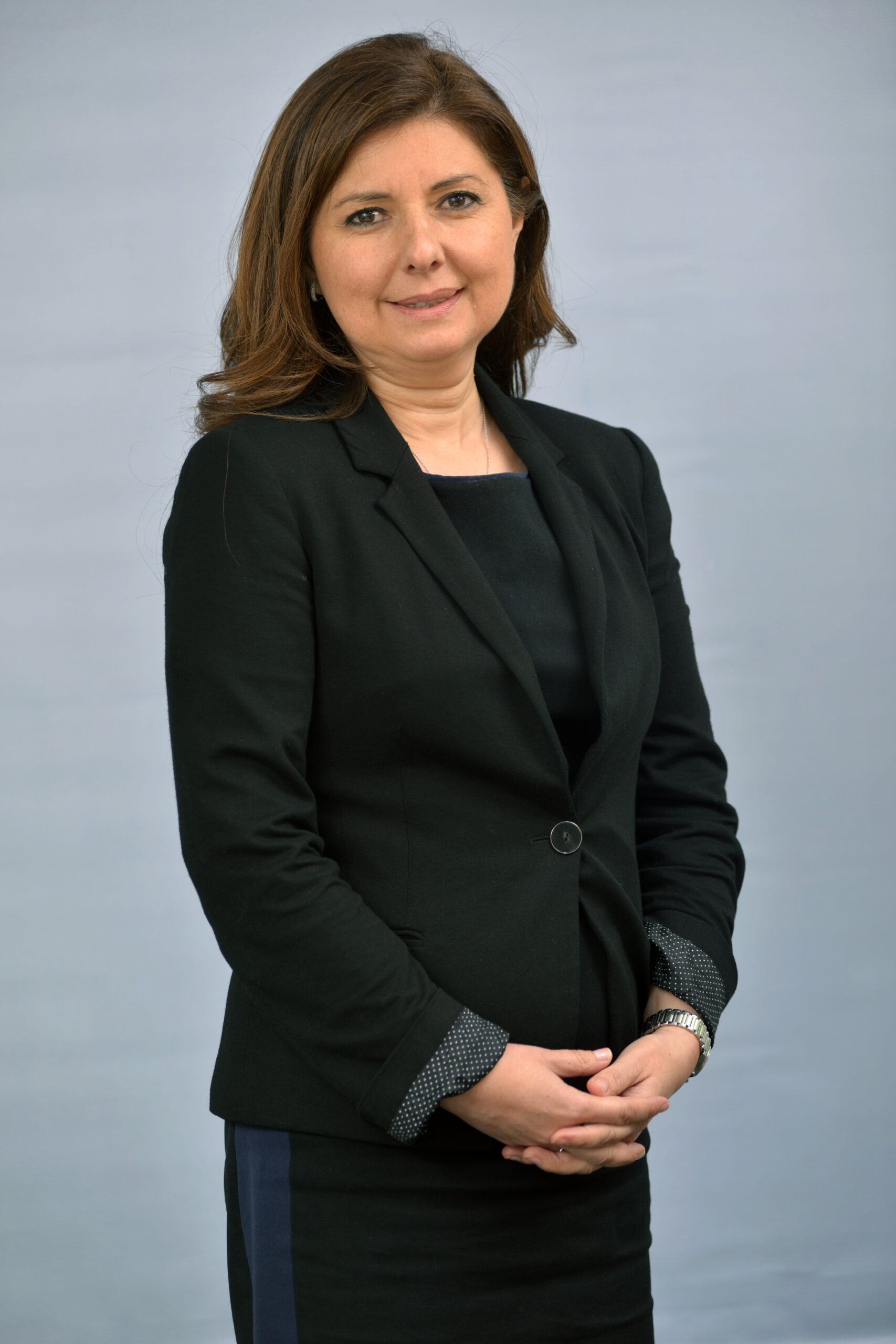
Cynthia Amstein, Finance and Administration Manager
In March, the Ministry of Women and Gender Equality published its second report on gender indicators in Chilean companies, where the figures show that in 2020 the proportion of women in organizations is 40.1%, in front-line management it is 21.2% and in boards of directors they represent only 10.5%. For those of us who have reached positions in senior management, it is a source of tremendous satisfaction and pride to have achieved a space to add value and see the fruits of growth and fulfillment of the organization’s objectives. However, although there has been progress in the last decade, as the figures indicate, not many women achieve it and, in that sense, we have an enormous challenge ahead.
It is necessary to reflect on what we are teaching our daughters and sons, since the future they dream of will be based on the example we set for them at home. If the treatment is equitable, especially in enhancing skills historically associated with men, or in the assignment of tasks in the home, we consciously want to teach them one thing. But what they learn the most from is what they live or see, so that learning not only starts with them, but with how willing we are to change our own paradigms or models.
We can also make this change effective in our own organizations and act when we identify gender injustices. However, many times we expect solutions to come from elsewhere. To promote female participation in senior management there is a lot we can do, such as reflecting on the support we express for our co-workers or if we take the time to recognize their merits or if we have biases ourselves (studies ensure that this is the case) and we are aware of the stereotypes and mental models that often affect our actions and decisions.
But why is it important that we give this space for participation to women, and what are the contributions they bring to senior management? There are characteristics inherent to women, such as the ability to listen, generate consensus, people orientation, tendency to cooperate and risk attention. Women are experts in crisis management and adapting to changes, fundamental skills for the success of any company and that have been assessed in the last year and a half. In the current pandemic scenario, women have had much to contribute, the countries with the greatest success in managing Covid-19 are leading by women. Who could doubt that in organizations we can contribute in extraordinary ways.
From my experience, and what I have read and researched, we can point out benefits of having gender-diverse teams. From an economic perspective, research indicates that companies with greater female representation on their boards outperform those with less or no representation in financial results. In other words, companies with diverse teams have better results in the last line. But the benefits are not only in the financial results, since in groups where equity and diversity occur, people perceive greater satisfaction with their work; they are positively related to engagement and low turnover; there is more room for the development of diverse talents, different points of view and ways of approaching situations and solutions that come from different life experiences; the multiplicity of perspectives can generate creativity, innovation and help organizations to detect and take advantage of opportunities and challenge stereotypes; and, finally, they improve team communication, since it has been observed that women have developed the ability to use non-verbal language.
So, how can we encourage female leadership from our organizations, we have to make diversity and inclusion a pillar in organizations and do it systematically; becoming aware of the biases that we may have as people and in our organizational culture and that can negatively affect the evaluation of women’s performance and, possibly, the development of their careers; giving women credit for their achievements and seeking opportunities to communicate them publicly; motivate them to actively participate by transmitting their ideas; and provide spaces to listen to them, among others.
Each one, as an individual, has much to do in gender diversity, in the inclusion of women in the workforce, which translates into the participation of women in senior management.
Today, in the face of this uncertain scenario, it is more necessary than ever not to retreat from this objective. The pandemic has brought remote work to a large part of the population. What for some is the possibility of flexibility, for women it has also presented a high burden due to domestic work and childcare. We must be attentive to take care of the environment in which our collaborators operate and look for ways to provide solutions to these challenges that the pandemic has brought, so as not to lose the participation of women that we need so much.
Other News