
PA Engineering has a track record of more than 25 years in the execution of mining projects. Our highly qualified team has the necessary knowledge to offer diverse services during the entire life cycle of a mining project, from the study to the start-up, maintenance and closure. We have developed copper, gold, iron ore, molybdenum, lithium and rare earths projects.
We have multidisciplinary teams capable of executing projects in the areas of: metallurgy, hydrometallurgy, pyrometallurgy, electrometallurgy, comminution, smelting, refining, mine to port solutions, mining infrastructure for open pit and underground mines, process review, materials handling, NI 43-101, S-K 1300 and JORC technical reports, material balance and cost estimation, access roads and non-mining infrastructure, among others.
Mining
Study of Alternatives for Early Addition of Chloride in Leaching
Study of Alternatives for Early Addition of Chloride in Leaching
Industrial Sector
Mining
Client
Codelco Radomiro Tomic
Location
Calama, 2,500 meters above sea level, Antofagasta Region.
Date
2020
Service Area
Consulting
Solutions
Pre-feasibility engineering study in the disciplines of mechanical and piping, civil, electrical, instrumentation and control, fire network.
The advances made in Chile in recent years in chloride leaching of copper, have allowed an important development of projects, where the benefits of higher extraction, faster kinetics and lower consumption of sulfuric acid for secondary sulphide’s, led the Radomiro Tomic Division (DRT) to request PA Engineering a study to develop and identify the modifications needed for the early addition of chloride to a Primary Leaching process.
For the development of this engineering, the business plan and the characteristics of the ore that will enter the plant in 2024 were considered, which projects a decrease in the solubility of copper, so it is necessary to develop this study to review the incorporation of chloride in the short term and thus improve the projected recovery of copper.
Given the above, PA Engineering performed the engineering to design the chloride addition system in the form of brine and a preliminary diagnosis to determine the maximum chloride concentration at which it can operate in the hydrometallurgical plant of DRT, indicating the materiality changes required in the equipment and piping in the hydrometallurgical plant, due to the projected corrosive conditions.
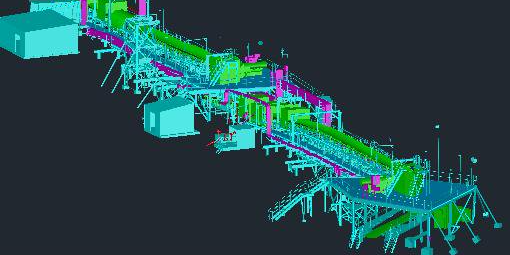
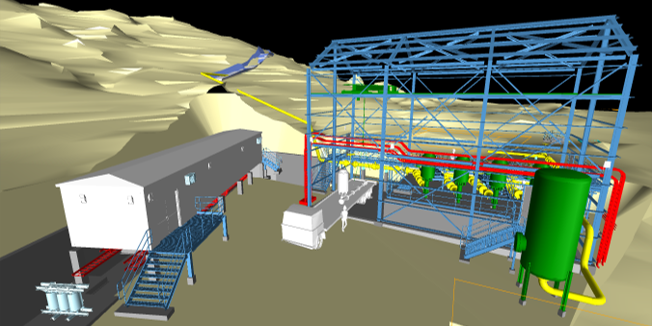
Piuquenes Dam Repulping and PMFC Tailings Drive
Piuquenes Dam Repulping and PMFC Tailings Drive
Industrial Sector
Mining
Client
Codelco Andina
Location
At 2,200 meters above sea level in the Valparaíso Region
Date
2020-2021
Service Area
Consulting
Solutions
Basic Engineering, trade-off analysis, water use reports, RILES drive design, analysis of water scenarios, pitting system for dam repulping, pumping system, tailing transport, design of cathodic protection system for pipes, seismic analysis and dynamic behavior, CAPEX and OPEX estimation, use of BIM Methodology.
Codelco’s Andina Division began operations in the late 1960’s, with the exploitation of the Rio Blanco deposit, through underground mining and, later, adding to its operations the open pit exploitation of the Sur Sur and Don Luis mines.
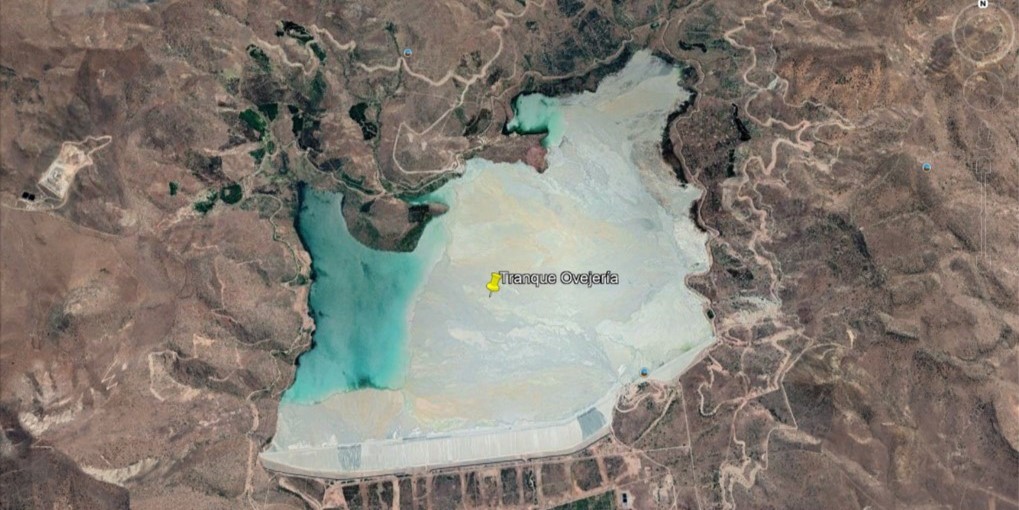
In November 1993, Codelco voluntarily submitted the Long-Term Tailing Disposal System Project, Ovejería Dam Project, to the Environmental Impact Assessment System (SEIA).
Codelco selected the Ovejería estate in the Til Til valley to build the dam to deposit its tailing because it had advantages such as: its isolation; its clay characteristics; the size of the basin, which has the capacity to store the tailing that the Andina Division will produce over the next 160 years; and the security represented by the 16-meter-high starting wall of compacted sand, which is impermeable.
The great engineering work involved the construction of 83 kilometers of reinforced concrete channels in 5 years, which has been in operation since December 1999 and carries the tailing to the Ovejería dam through the Tailing Transportation System (STR).
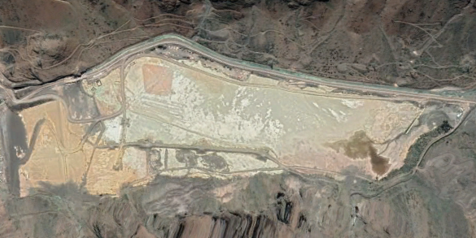
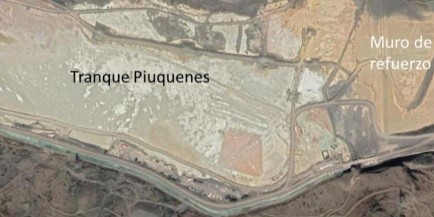
Within the framework of this Andina’s mega-project, PA Engineering carried out the Piuquenes Dam Closure Plan, the basic engineering that considered the removal of 25 MM/ton of tailing plus 8 MM/ton of dam walls; the necessary works for the execution of the Piuquenes dam repulping with the hydraulic removal method by pitoning, to then treat and pump this flow to the tailing chute of the STR.
In addition, for this project PA Engineering designed in 3D with BIM methodology in all disciplines. In this way, the administration was streamlined and there was greater control of the information, being able to visualize and optimize the design, interference’s between disciplines, updating of cubic meters and drawings.
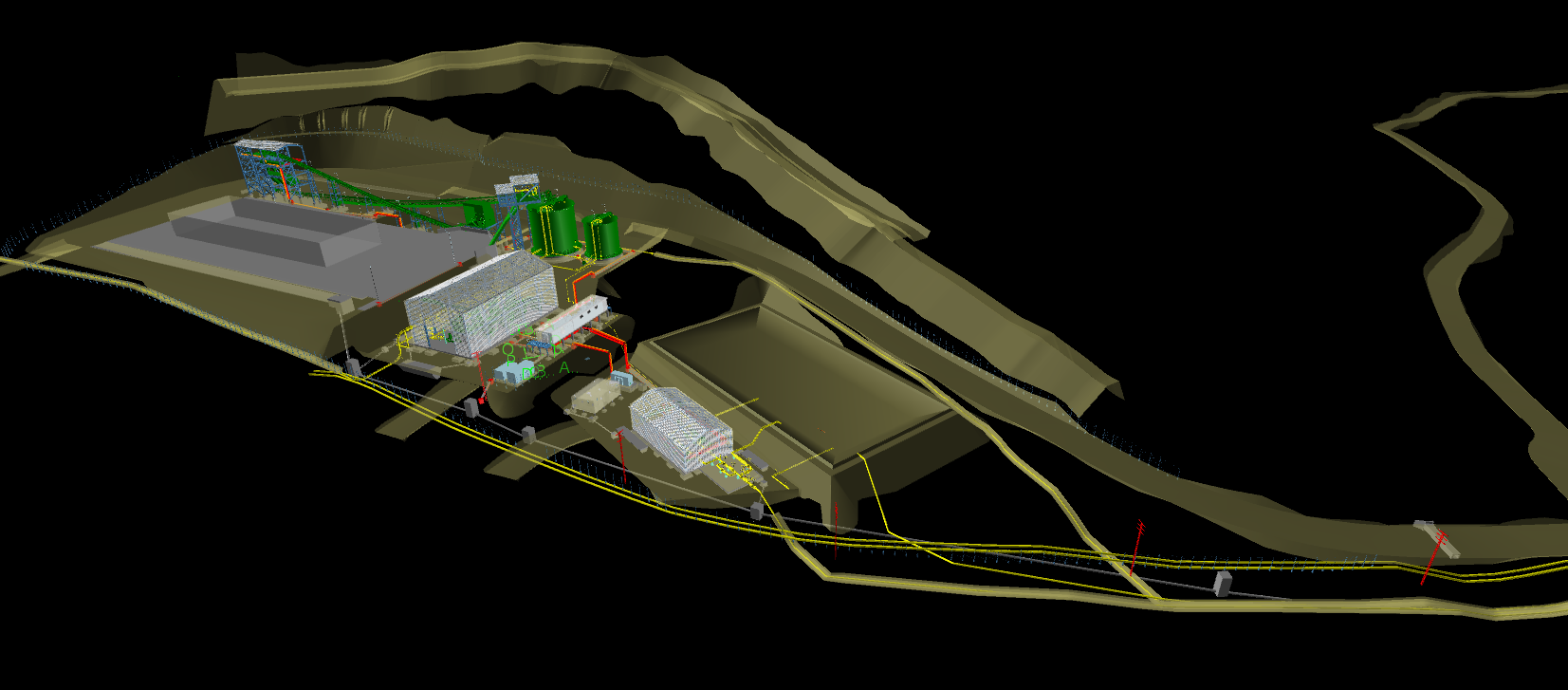
Codelco Ministro Hales Lime milk plant
Codelco Ministro Hales Lime milk plant
Industrial Sector
Mining
Client
Echeverría Izquierdo Echeverria Izquierdo Industrial Solutions
Location
Calama, Antofagasta Region
Date
2012-2013
Service Area
Consulting, Engineering & Construction Management
Solutions
Basic and detail engineering in processes, mechanics, piping, electricity, control and instrumentation, civil works, structures and 3D models. In addition, on-site engineering assistance, equipment and materials supply, construction and assembly
On September 1, 2010, Codelco’s Board of Directors at the time decided to create the Ministro Hales Division, the youngest of the Corporation, to increase the value of the state-owned company through the exploitation and processing of minerals from the deposit, originally known as Mansa Mina.
The project, led by Codelco’s Corporate Vice-Presidency, included the realization of the mine area, material removal and construction of the open pit mine; the infrastructure, where the facilities for maintenance services and the administration and engineering facilities would be located; the concentrator plant, with the processes of primary crushing, belt transport, stockpiling, milling and flotation; and the roasting plant.
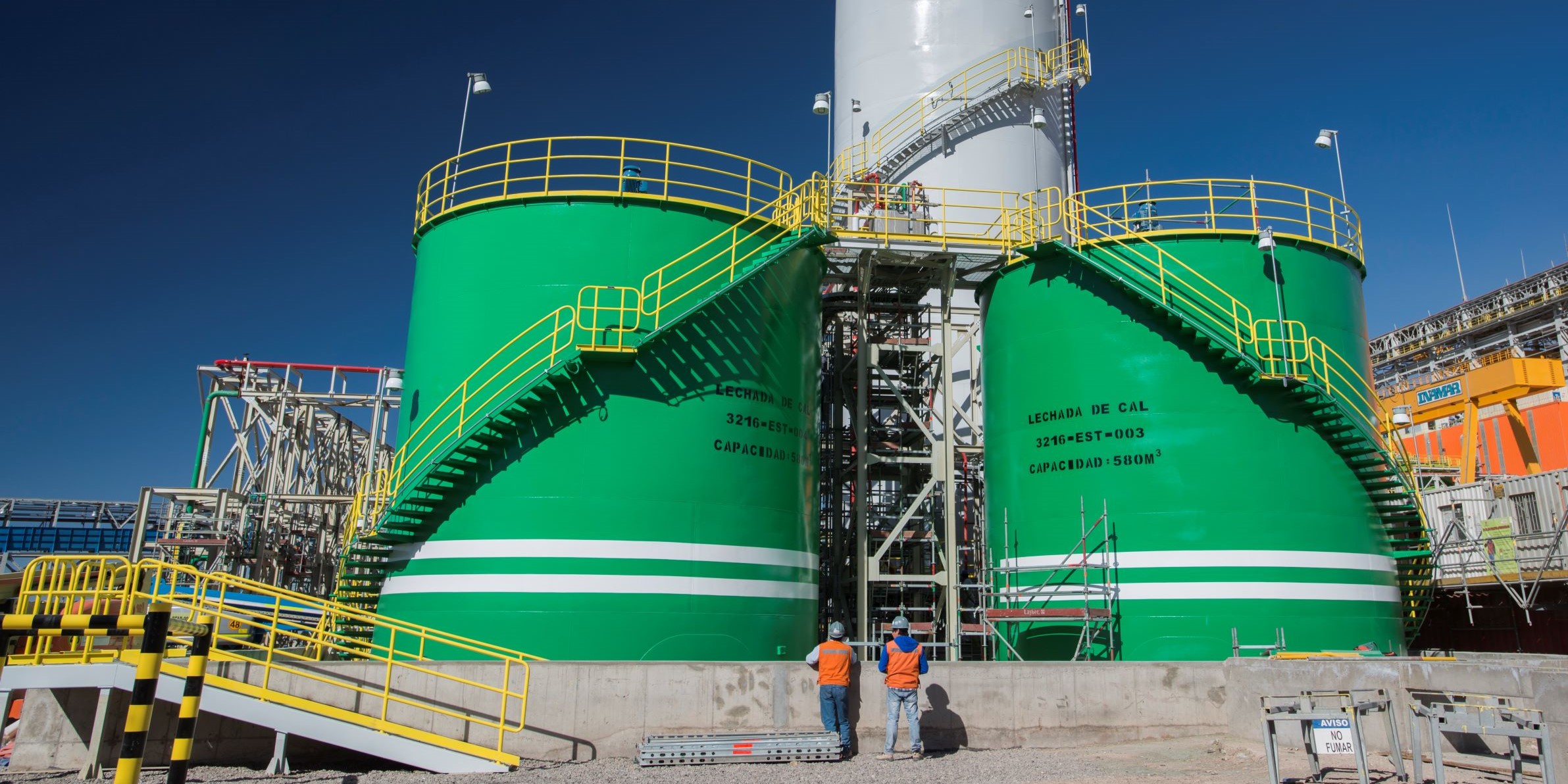
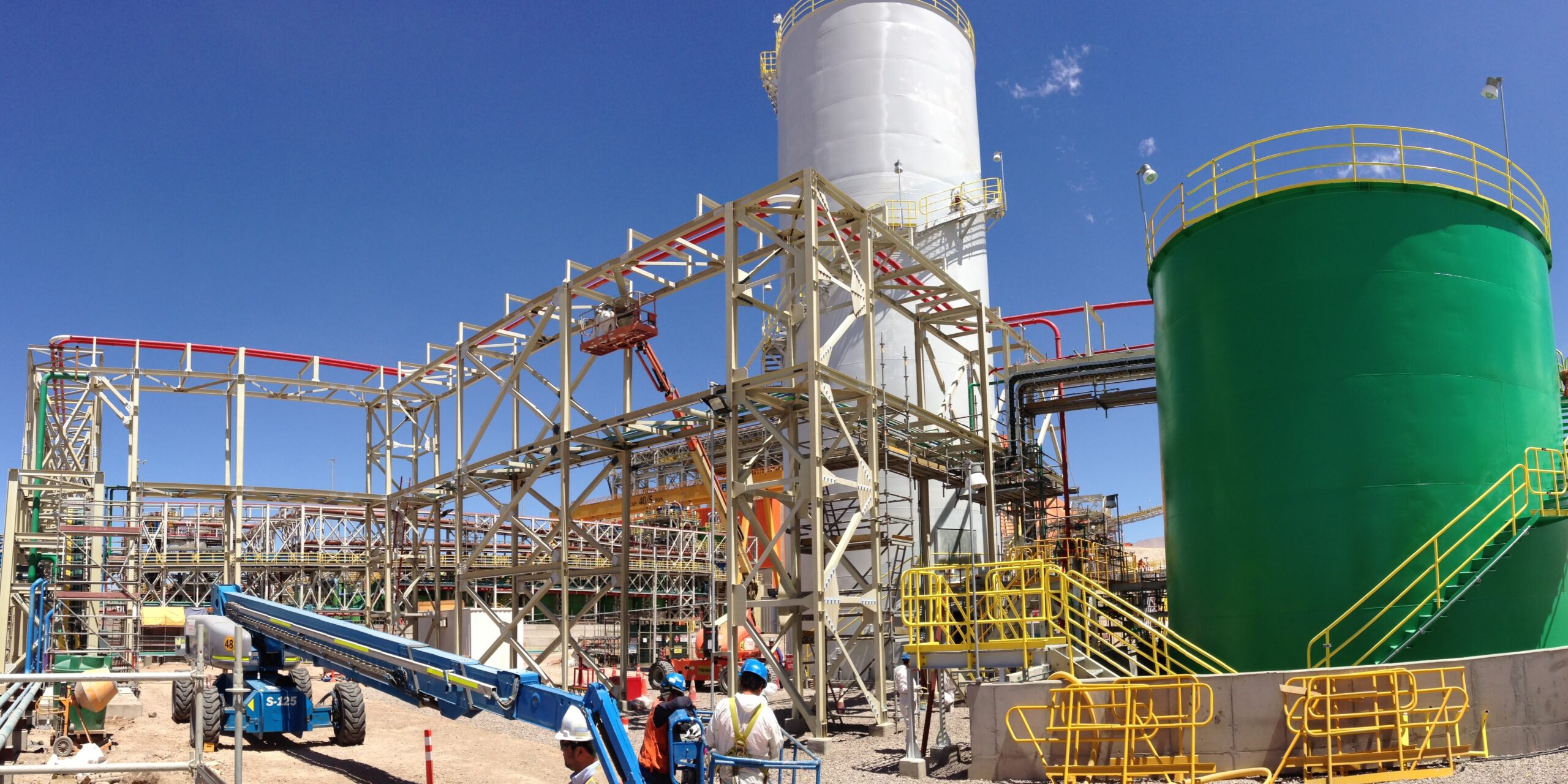
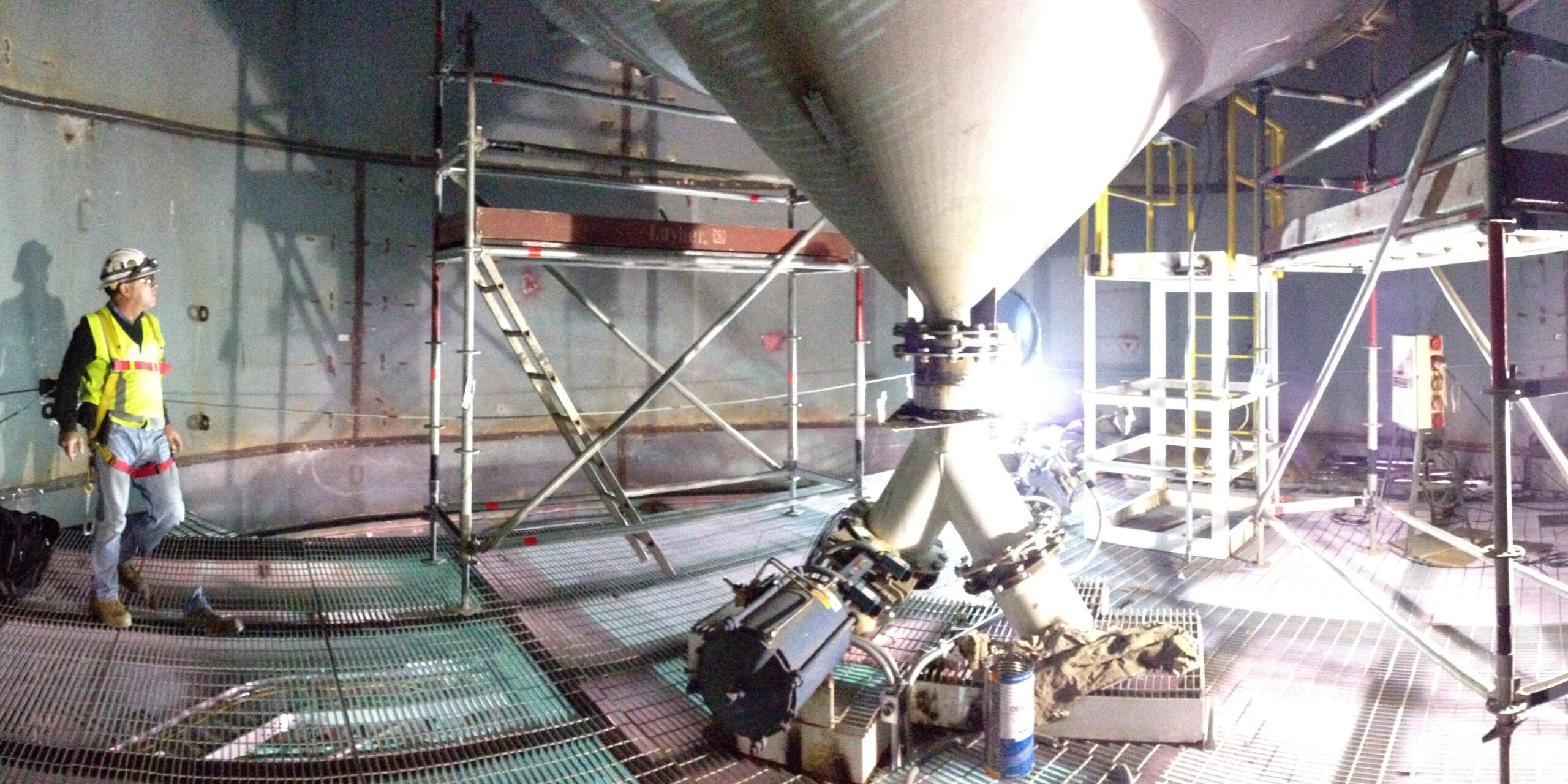
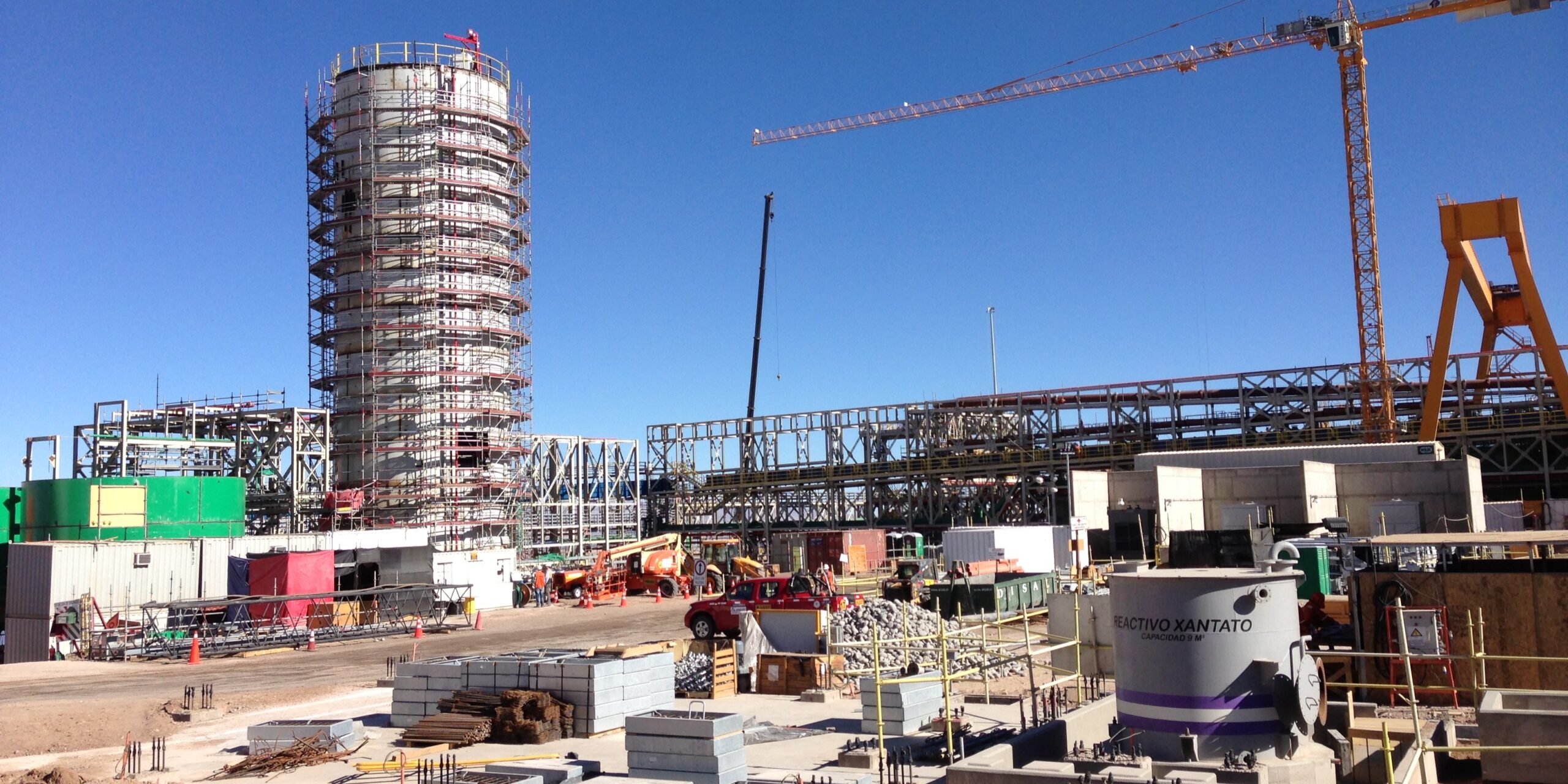
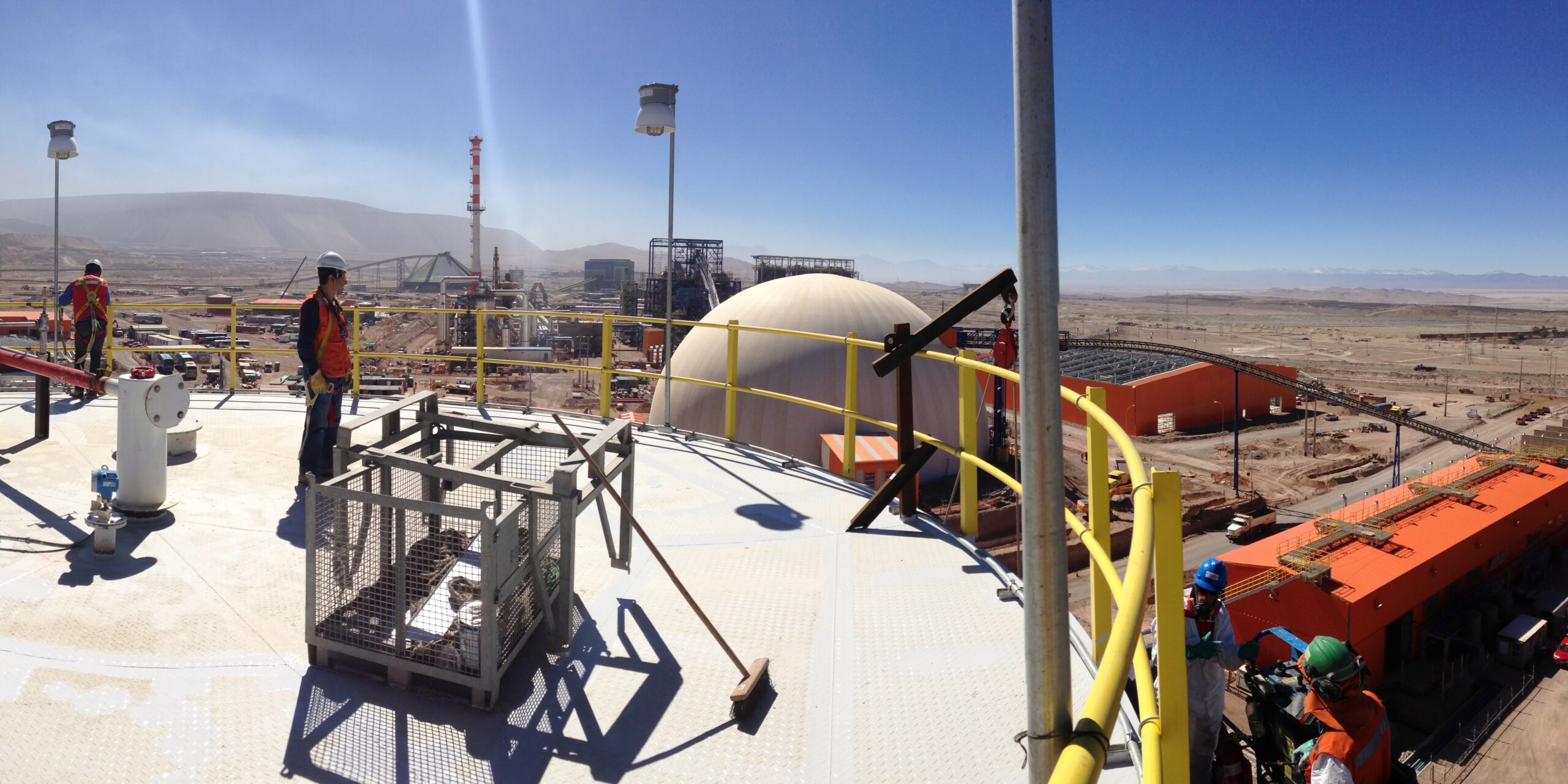
PA Engineering, together with Echeverría Izquierdo, presented a project for the EPC engineering and construction of two lime milk plants for the new Ministro Hales Division, one to feed the grinding plant for the flotation process and the other for the neutralization of effluents in the roasting plant. The proposal included Project management, engineering, procurement of equipment (including offshore fabrication inspection) and materials, project management, site engineering and construction technical support, commissioning and start-up of the two units.
The project was developed between 2012 and 2013, for two storage silos (750 ton) and lime milk preparation systems (8.6 ton/h) equipped with the largest slakers available in the industry (12 t7h) for the Concentrator and Roasting plants. In addition, the interconnection of services to the slurry preparation systems was made from the existing grate to each of the respective systems.
Finally, connections were made to the concentrator and roasting electrical room (subway duct bank) and connections to the concentrator and roasting control room (signal repeater via fiber optics, subway duct bank).
On January 5, 2016, the open pit mine was officially inaugurated, located at an altitude of 2,600 meters and almost 10 kilometres north of Calama along the road that connects this city with Chuquicamata. It is currently one of the most modern copper production complexes in the country and produces copper calcine, copper concentrate and silver.
According to Codelco’s website, the hallmark of Ministro Hales is determined using technology and innovation in its processes, with an operation that respects environmental regulations and is in permanent contact with the communities. In 2020 it produced 170,606 metric tons of fine copper and 260,981 kilos of silver.
Pit Dewatering
Pit Dewatering
Industrial Sector
Mining
Client
Mining Company Cerro Colorado, BHP
Location
120km east of Iquique.
Date
2017
Service Area
Consulting
Solutions
Advanced basic engineering in process, civil/structural, mechanical/piping, electrical and instrumentation and control disciplines
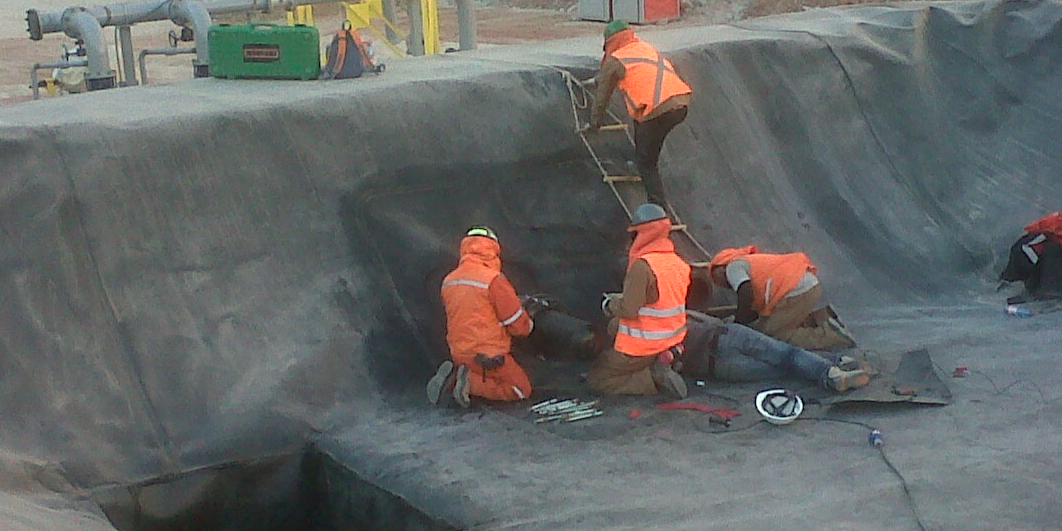
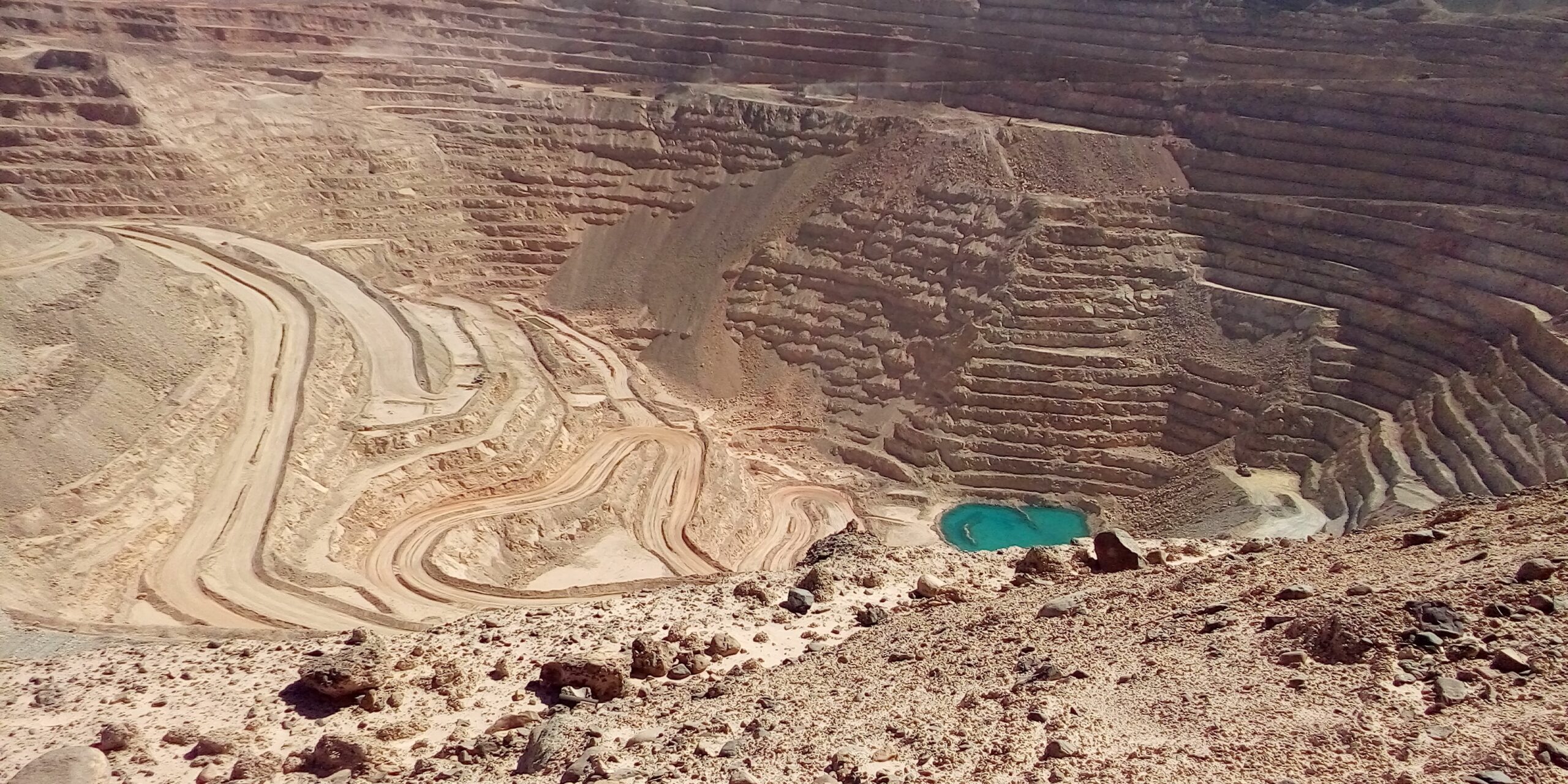
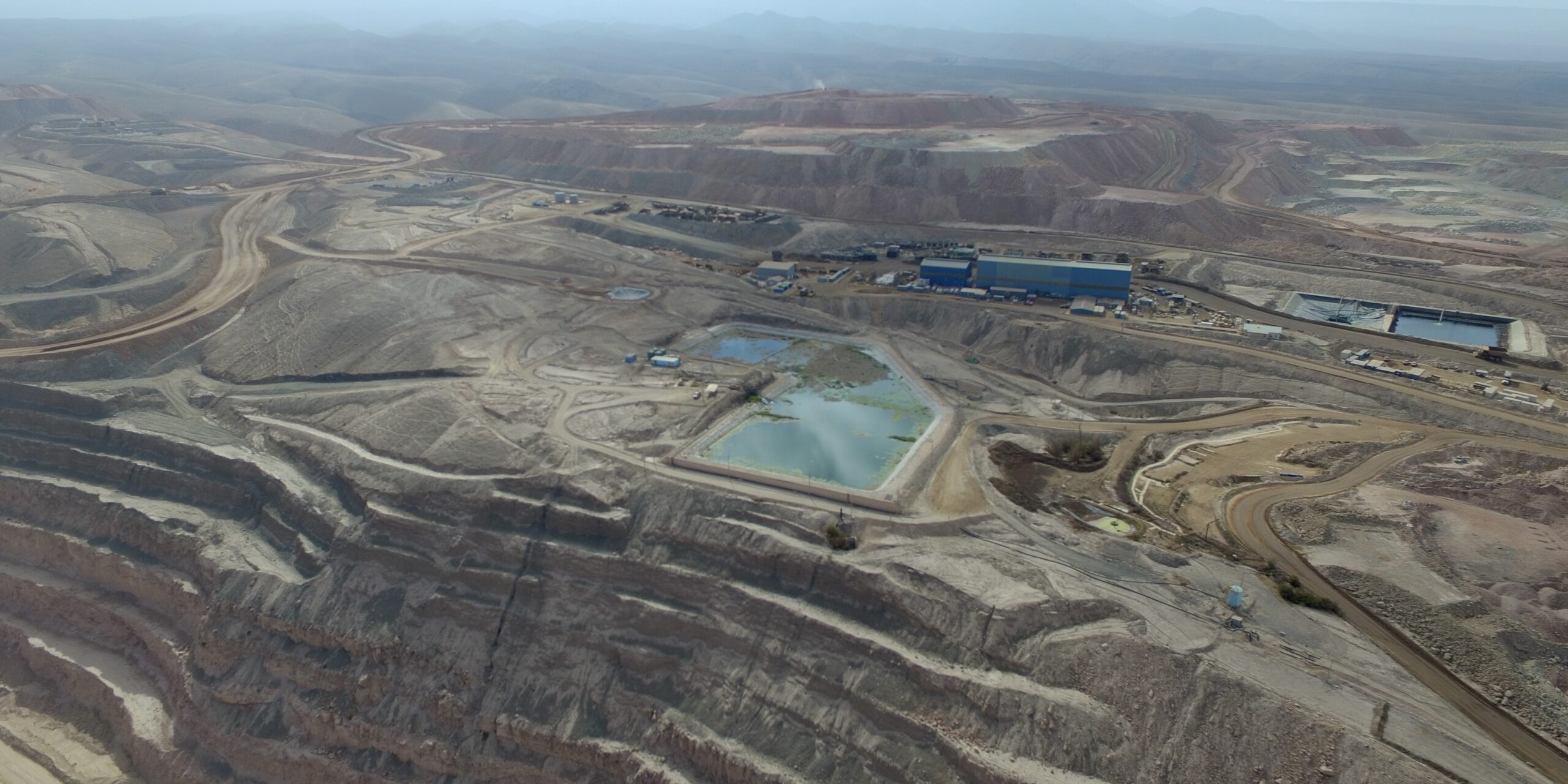
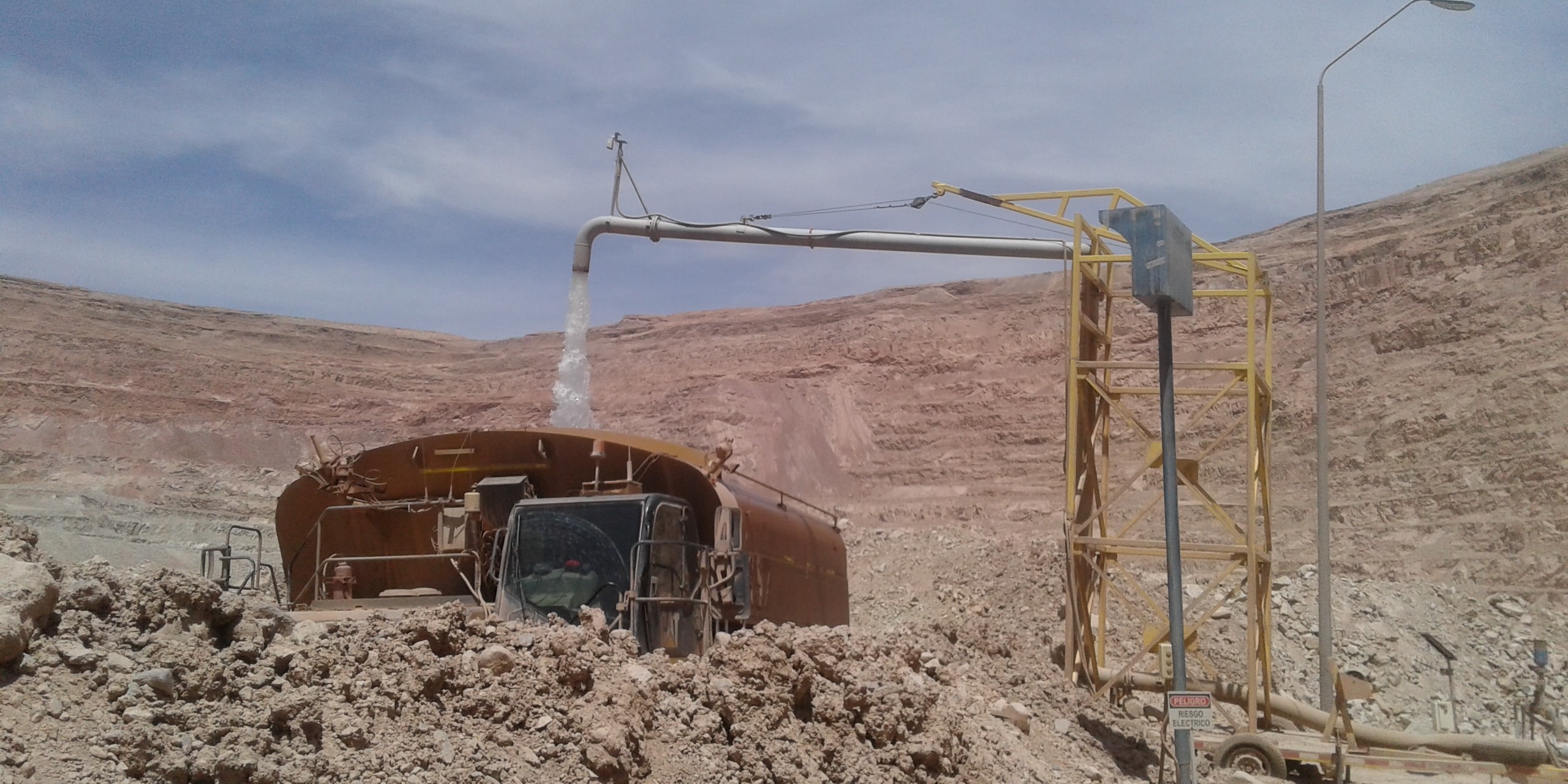
BHP’s Cerro Colorado Mining Company (CMCC) is an open-pit copper mine, which had a dewatering system that worked with submersible pumps, which propel the water to two pools, from where and through other pumps, cistern trucks were loaded for the irrigation of internal roads of the mine and the surplus water was transported to the plant’s water reservoir.
After several studies, CMCC decided to install a continuous pumping system with multistage centrifugal pumps to the reservoir.
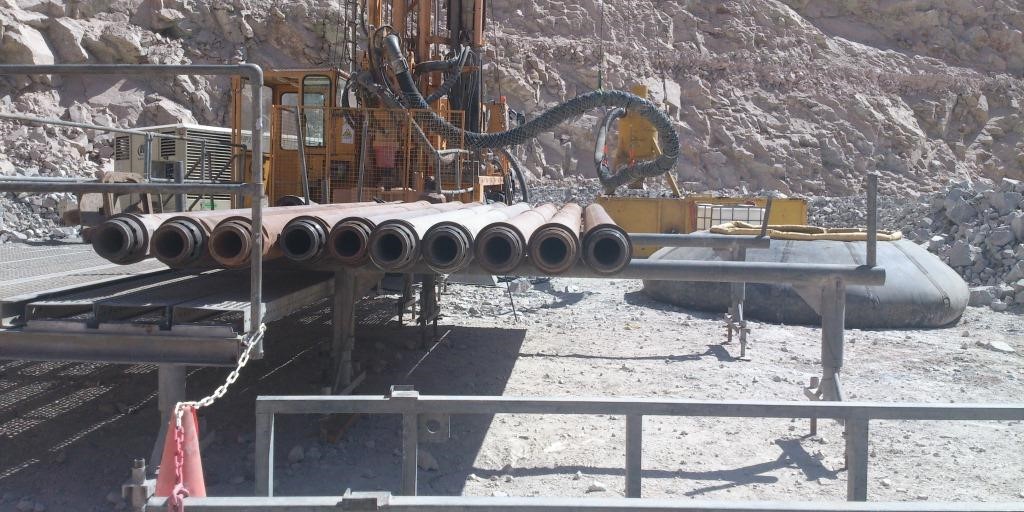
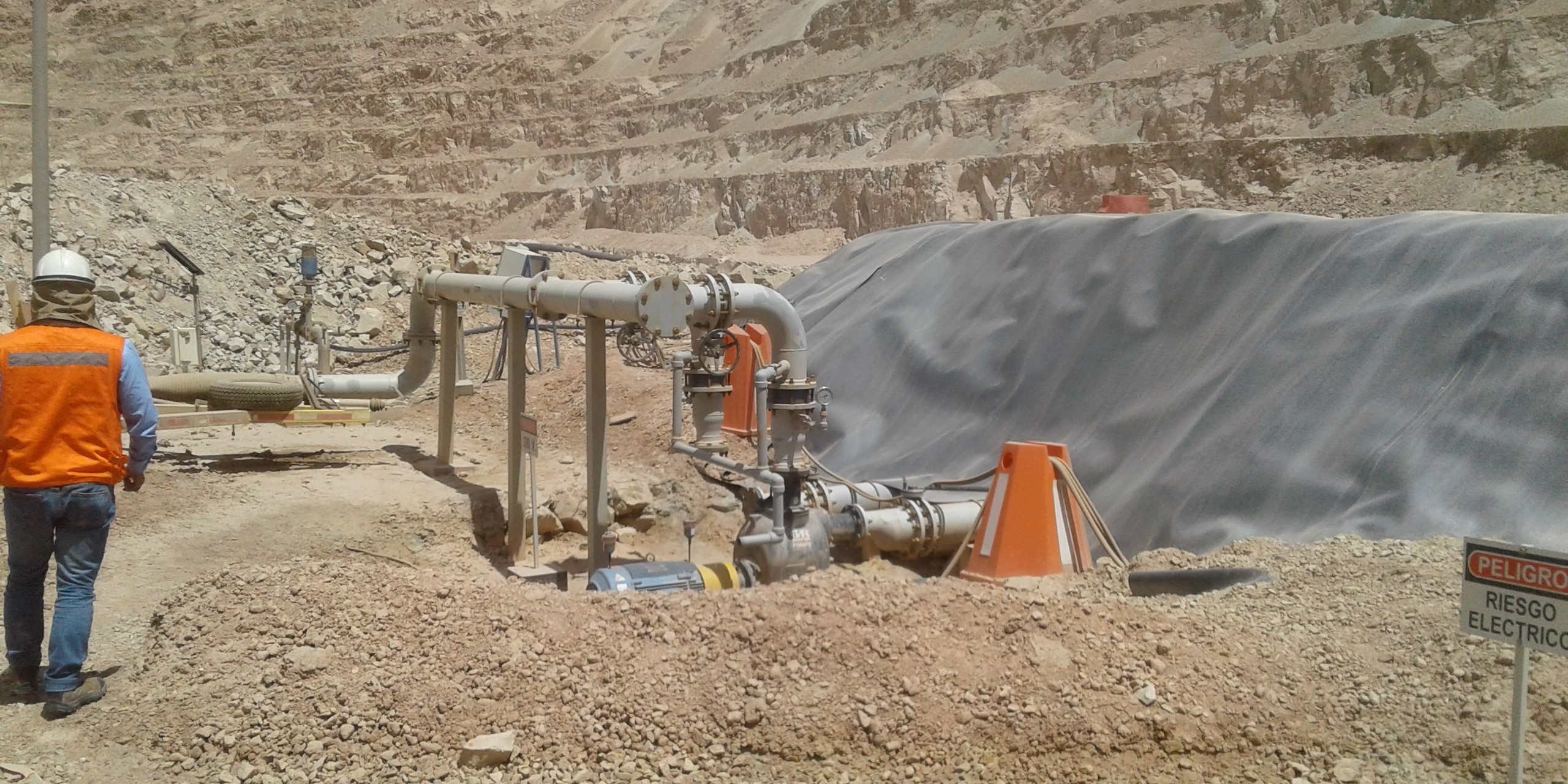
PA Engineering developed advanced basic engineering in the specialties of processes, civil/structural, mechanical/piping, electricity, and instrumentation and control for the design of the project, which considered the implementation of a 50 l/s water extraction system with submersible pumps continuously from shallow wells at points near the loading faces.
The water extracted from the bottom of the mine is stored in small pools a slightly higher level and then pumped with multistage centrifugal pumps to the Reservoir, which also have a system for filling cistern trucks for the irrigation of roads.
The power supply for the equipment will be carried out through Generator Sets or power line from fixed substation transformers.
Soda Ash Transport, Solvent Extraction and Salt Cooling System, Capricorn Project
Soda Ash Transport, Solvent Extraction and Salt Cooling System, Capricorn Project
Industrial Sector
Mining
Client
Echeverría Izquierdo Soluciones Industriales (EISI)/ Albemarle
Location
Antofagasta
Date
2017- 2018
Service Area
Engineering & Procurement
Solutions
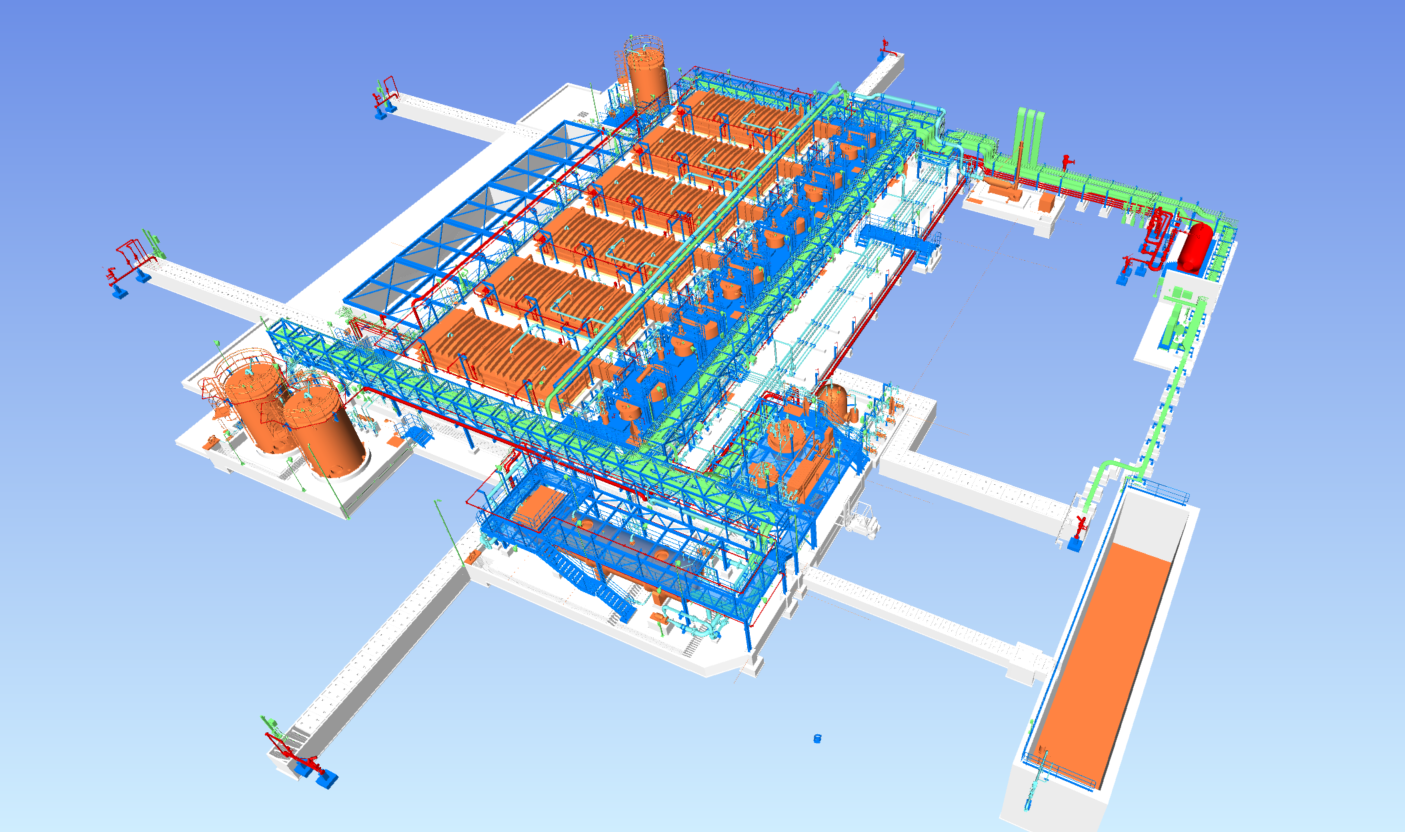
For the transport of soda ashes, the details engineering for the foundations, land improvements, topography, soil mechanics, electrical and instrumental pipes were carried out, as well as the piping system for air, water and compressed air supplies, plus the modeling and design of support throughout the layout of the soda ash transport pipe.
For the solvent extraction plant, detailed engineering was carried out in all its disciplines.
And for the salt cooling system was carried out the basic and detailed engineering and the procurement management service and bidding bases.
In all the projects we worked with 3D models, integrating the design of PA Engineering with the vendor and the client model, to visualize the possible interference's of the project.
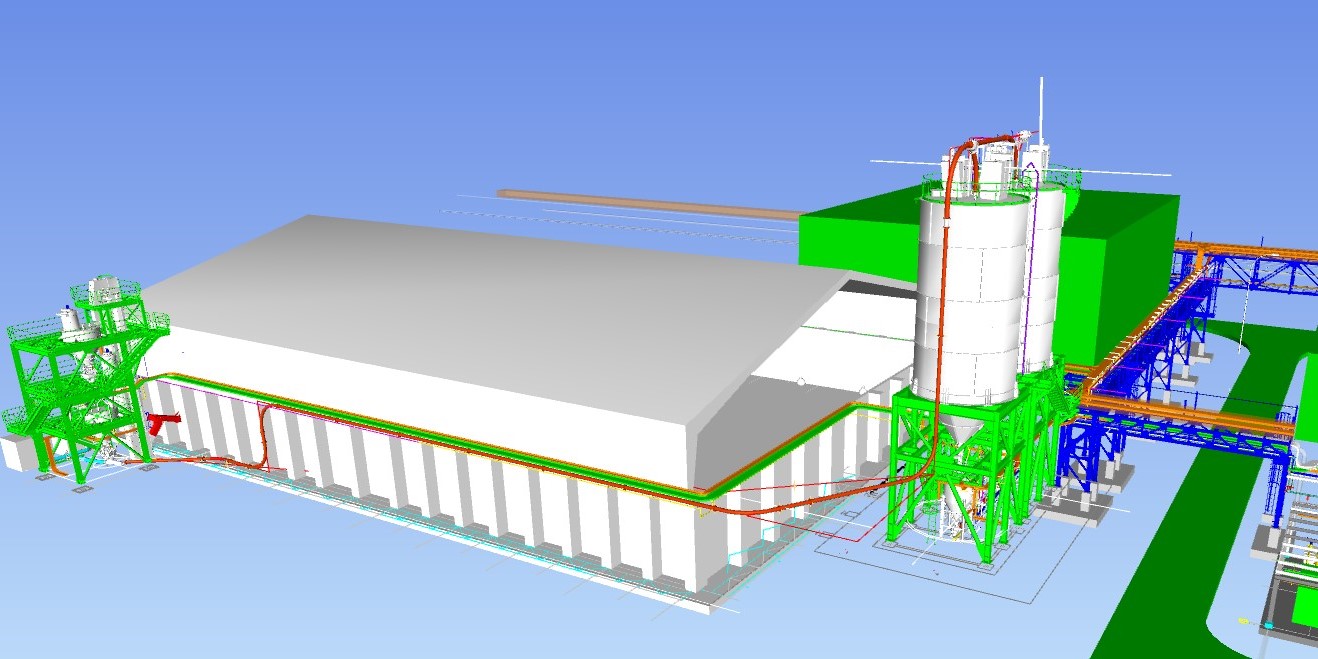
Albemarle is developing the Capricorn project, or expansion of the La Negra III Plant, to increase the production capacity of its La Negra plant from its current capacity of 44,000 metric tons per year to 80,000 metric tons per year of lithium carbonate.
As part of this expansion, Pares&Alvarez first develops the detailed engineering of the soda ash transport system, whose objective is to take it from the new storage cellar to the ash wetting system. This also included an air transport system, designed by Noltec, with a layout of around 450 miters installed in the main piperack of the expansion project of the La Negra III plant. During the project, the technical bases for the purchase of equipment were also made. The system considered structures, pipes, equipment, and a water cooler.
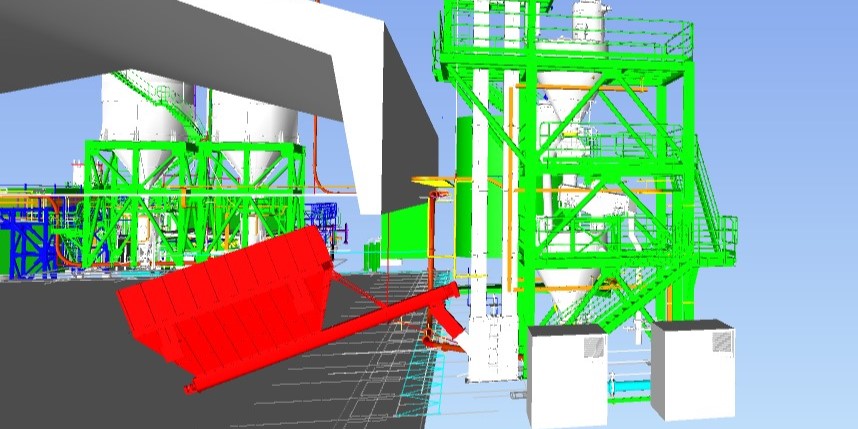
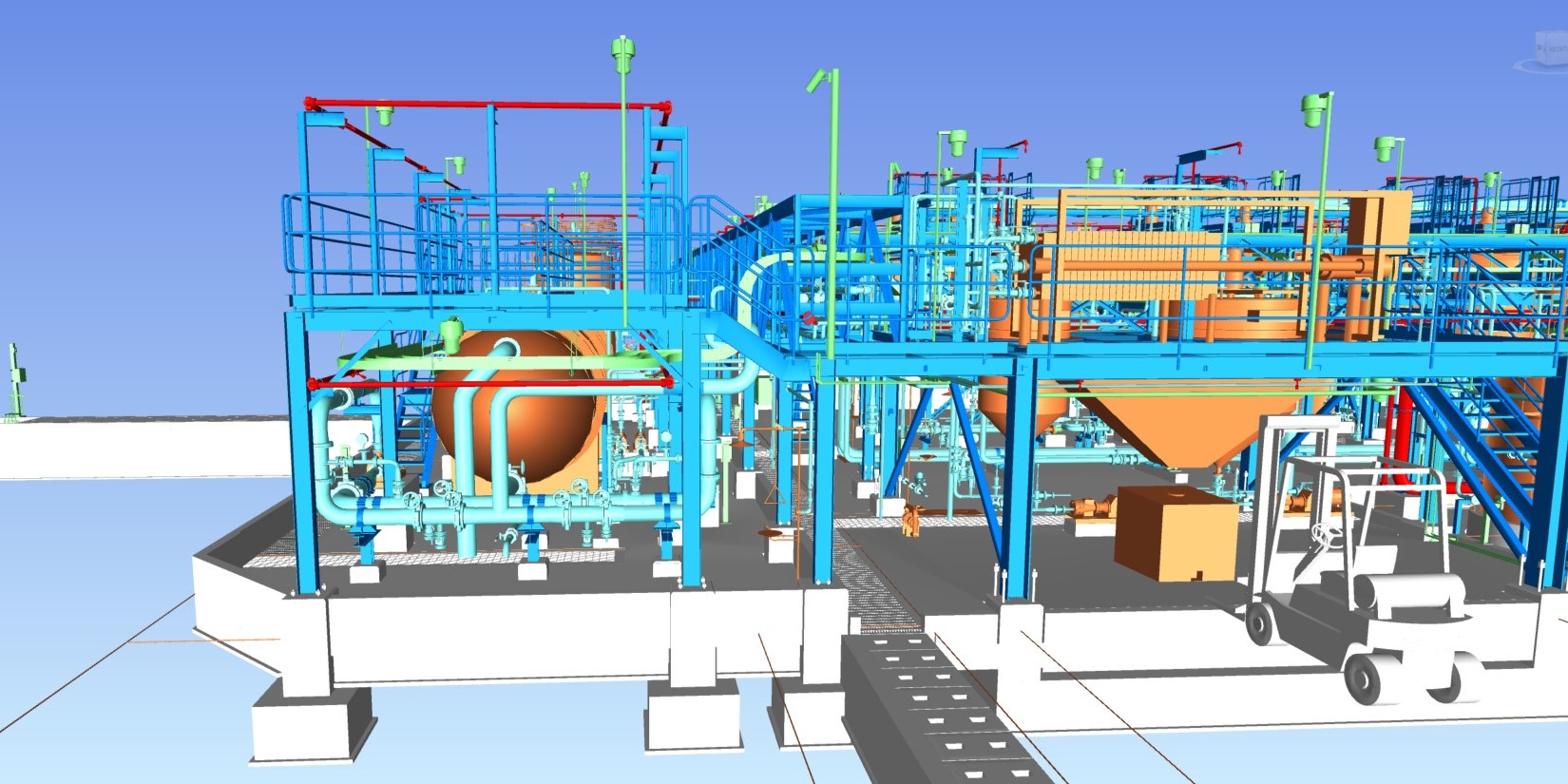
In parallel, PA Engineering developed detailed engineering in all disciplines, with a strong field support component to the EISI EPC project, of the solvent extraction system to remove boron from the brine with lithium.
Finally, PA Engineering engineered install a salt chiller screw in the thermal evaporation plant for the generation of condensate directly for Albemarle.
La Negra Receives the concentrated brine from the Salar Plant and performs, first, a purification process and then a chemical conversion process. This plant was the first of its kind in Chile and began operations in 1984, when Plant I made the first production of Lithium Carbonate.
In May 2017, Albemarle inaugurated Plant II, the most modern in Latin America to produce battery grade lithium carbonate, a high value-added material essential for the energy storage market and the development of batteries for electric vehicles.
This new plant, which doubles the production capacity of The Black Chemical Plant, responds to the company’s expansion plan and the commitment to consolidate Chile as one of the major playersin the global lithium industry and, specifically, Antofagasta, as the epicenter of the technological revolution associated with lithium.
The new plant delivers a product of high quality and added value, according to the technical requirements of lithium battery manufacturers. For this, technological improvements were made including less use of energy and water, and an increase in the efficiency of the processing of the concentrated brine from the Salar Plant.
Plant III is currently being built, which will transform La Negra Chemical Plant into one of the largest lithium carbonate production complexes in the world by doubling the current production capacity, according to information obtained on the Albemarle website.

Enhancement of the Flash Furnace, Chuquicamata Smelter
Enhancement of the Flash Furnace, Chuquicamata Smelter
Industrial Sector
Mining
Client
Codelco
Location
Calama
Date
2015-2020
Service Area
Construction Management
Solutions
On-site engineering, project control, on-site supervision, occupational health and safety, and commissioning.
During the last decades, environmental issues have become increasingly relevant, a situation that we have seen reflected in the creation and modification of laws and regulations related to environmental protection and prevention in matters such as pollution.
In this scenario, in 2013 Supreme Decree N°28 was enacted, a new Emission Regulation for Copper Smelters and Arsenic Emitting Sources, of the Ministry of Environment, which aims to reduce emissions of arsenic and sulphur, in addition to establishing continuous monitoring of sulphur dioxide in the main sources emitting these pollutants, thus protecting the health of people and the environment throughout the national territory. Under this new regulatory framework, Codelco begins a 5-year investment plan that will allow it to comply with the new emissions standard and reduce its annual emissions of sulfur dioxide (SO2) by almost 100,000 tons and arsenic by around 1,300 tons.
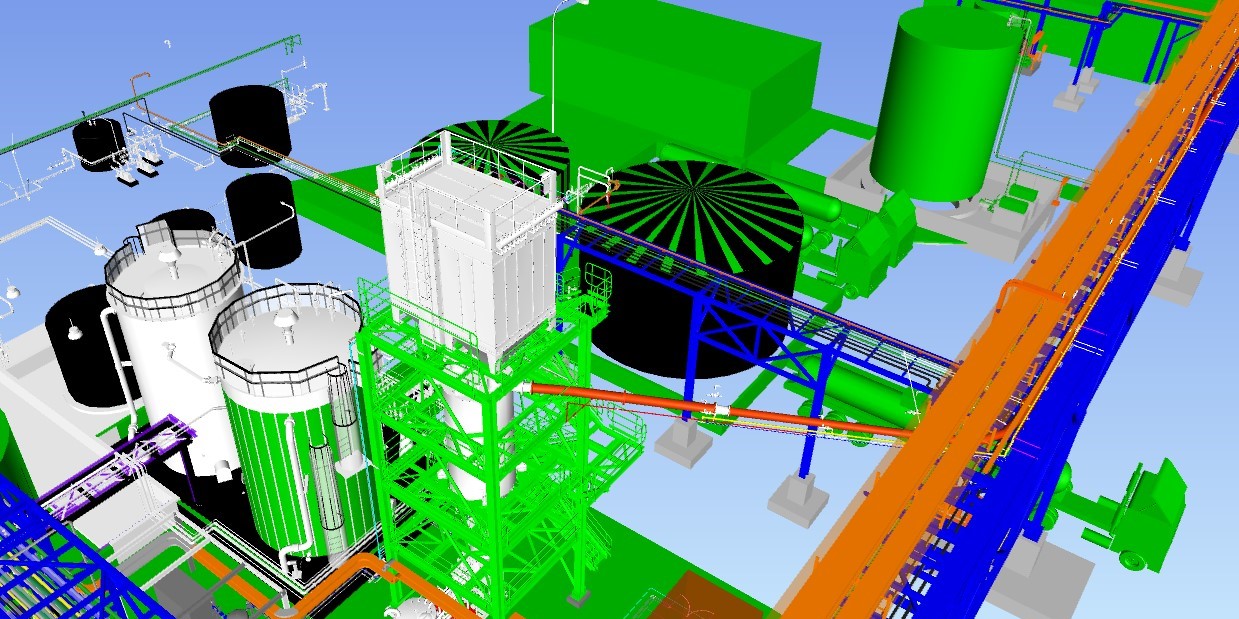
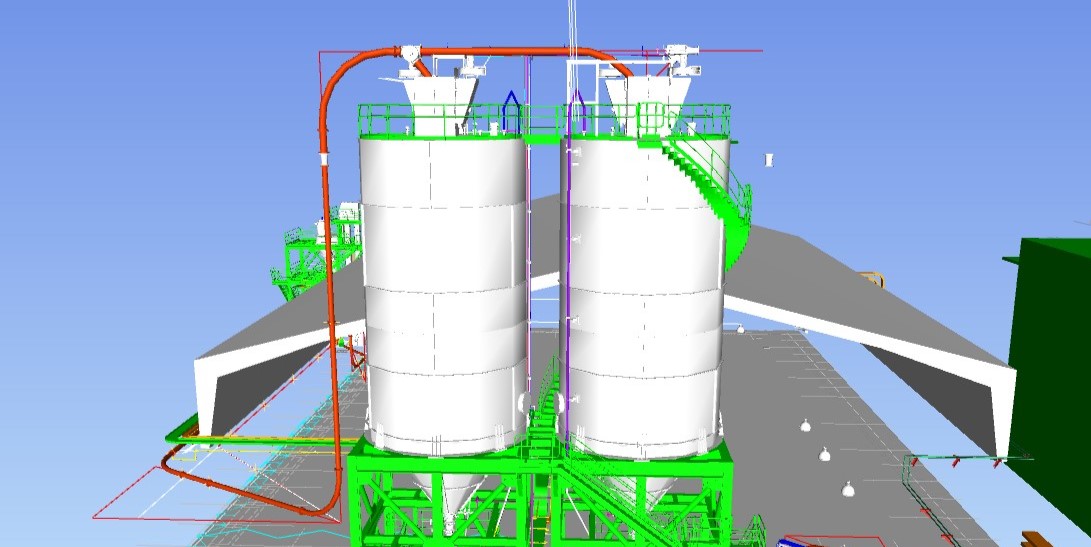
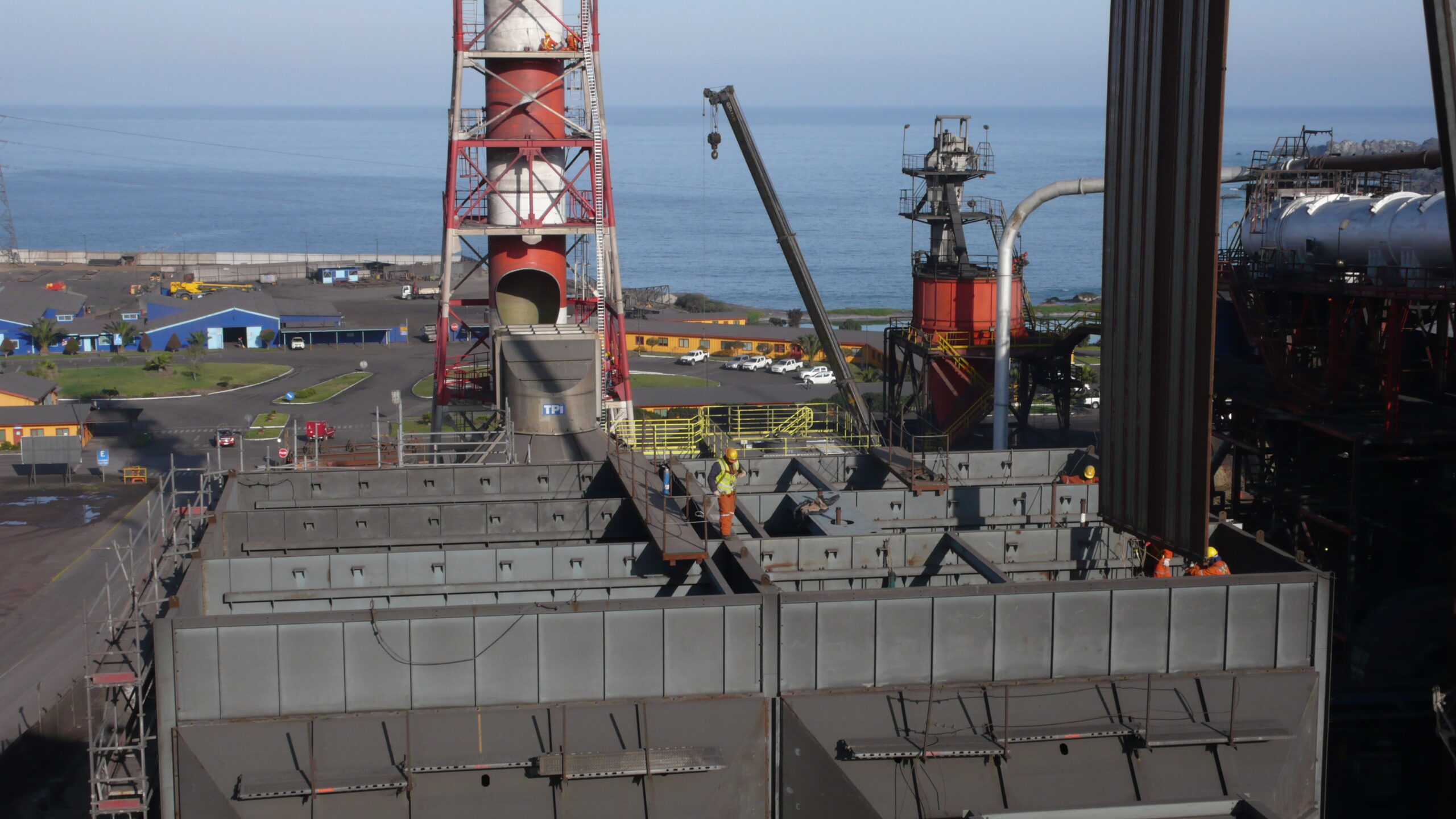
PA Engineering proposed the upgrading of the Flash Furnace to increase its capacity from 825 ktpa to 1,170 ktpa. This involved detail, counterpart and on-site engineering, support in procurement process and start-up.
The result:
Five projects were executed at the Smelter in order to comply with regulations:
- Two new double absorption acid plants to increase gas capture, in order to comply with the sulfur dioxide (SO2) concentration in the chimney of 600 parts per million, executed by Codelco’s Project Vice-Presidency.
- The upgrade of the Flash furnace, which increased its capacity from 825 thousand tons per year to 1,170 thousand tons per year.
- The replacement of dryer 5 with dryer 6, which reduces the level of particulate matter and SO2 emissions in the concentrate drying process.
- The treatment of refinery gases, which allows us to process all the gases emitted from the chimneys of the refining furnaces, with the aim of reducing particulate matter emissions to values below 20% opacity.
- The Pierce Smith converter hoods were replaced to increase sulfur capture and comply with regulations regarding annual SO2 capture.
During 2020, the Chuquicamata Smelter focused on consolidating its operations under the new environmental standards, following the implementation of the investment projects. In terms of results, according to Codelco’s 2020 Report, the smelter achieved a 97.2% capture of arsenic emissions and 97.7% of sulfur emissions, complying with the 95% required by the supreme decree.

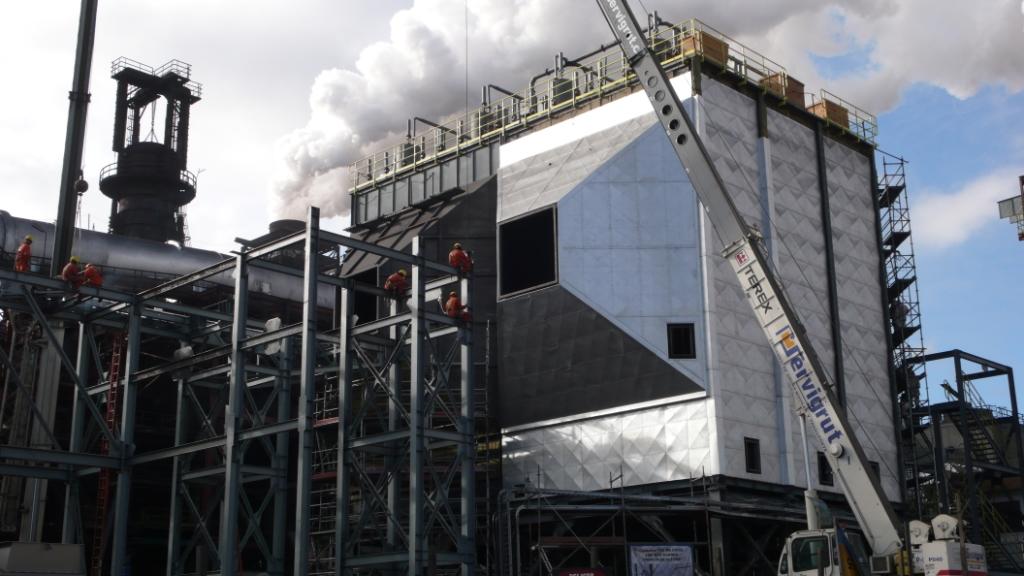
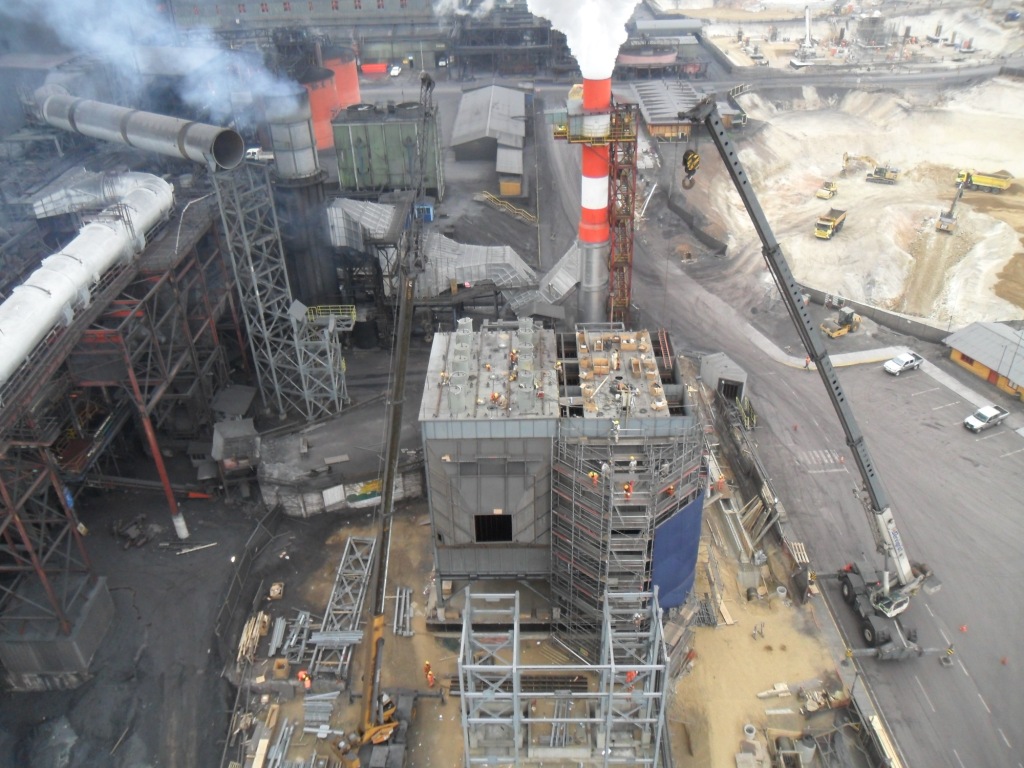
EMISSION ABATEMENT SYSTEM FOR PELLET HARDENING FURNACE, HUASCO PLANT
EMISSION ABATEMENT SYSTEM FOR PELLET HARDENING FURNACE, HUASCO PLANT
Industrial Sector
Mining
Client
CAP Minería
Location
5 kilometers from the port of Huasco, in the Atacama Region
Date
2011-2013
Service Area
Construction management
Solutions
Counterparty engineering, construction management and construction inspection
PA Engineering provided the support of disciplinary engineers, with the purpose of fulfilling an owner engineer role, in order to ensure that the EPC contractor’s engineering met the quality and safety objectives required by the project. It was considered to verify the consistency of the project’s engineering, compliance with CAP regulations and standards. Additionally, construction management was carried out as a support in the relationship with the EPC contractor.
Agua de Mar Desalination Plant, Spence Growth Option (SGO) project, BHP Spence Mining
Agua de Mar Desalination Plant, Spence Growth Option (SGO) project, BHP Spence Mining
Industrial Sector
Mining and Infrastructure
Client
ILF Ingeniería Chile
Location
Mejillones, Antofagasta Region
Date
2017-2018
Service Area
Consulting, Engineering and Procurement
Solutions
Basic and detail engineering in various disciplines, architectural design, 3D technology, procurement and on-site engineering.
In 2005, the construction of the Spence Mining Company began and two years later it started production, consolidating itself over time as a relevant deposit in BHP’s investment portfolio.
In August 2017, BHP approved the Spence Growth Option (SGO) project, with an estimated investment of US$2.46 million, which was aligned with the mining company’s corporate strategy of having large, long-lived and low-cost operations.
With this, the site took a big step thanks to the construction of the SGO project, which allows Spence to project itself in the long term through the treatment of hypogene minerals through a concentrator plant, which operates in conjunction with the current FullSal mixed mineral leaching process.
Overall, the project comprised a new 95,000 tpd concentrator plant, extending the life of the Spence mine by more than 50 years, and the commissioning of the desalination plant.
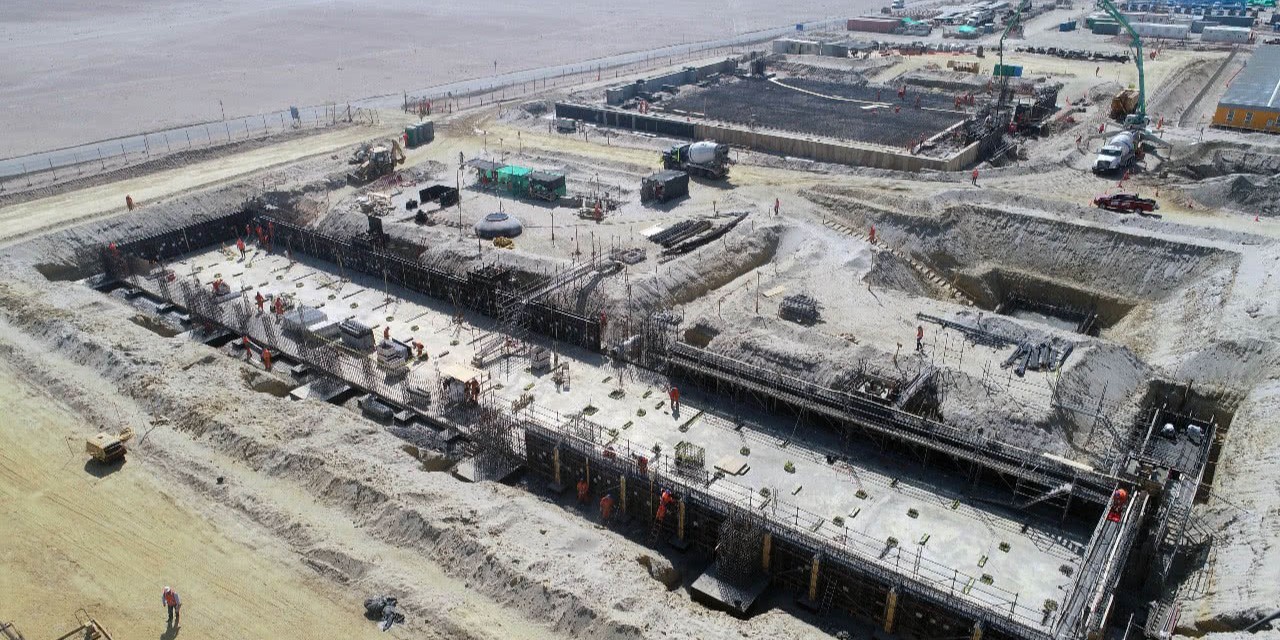
The desalination plant, which considers the use of seawater for 100% of the mining process, uses reverse osmosis technology and has an approximate capacity of 1,000 l/s of water and required 154 km of water piping from the plant to the mine operation.
Pares&Alvarez developed basic and detailed engineering in instrumentation and control, electrical, civil-structural, mechanical and piping, among others, architectural design, 3D technology, procurement and on-site engineering.


CODELCO RADOMIRO TOMIC SULFIDE MINING PHASE II – SEAWATER DESALINATION PLANT
CODELCO RADOMIRO TOMIC SULFIDE MINING PHASE II – SEAWATER DESALINATION PLANT
Industrial Sector
Mining & Desalination
Client
GS Inima Consortium – CVV
Location
Tocopilla, Antofagasta Region, CHILE
Date
2015-2016
Service Area
Engineering & Procurement Services
Solutions
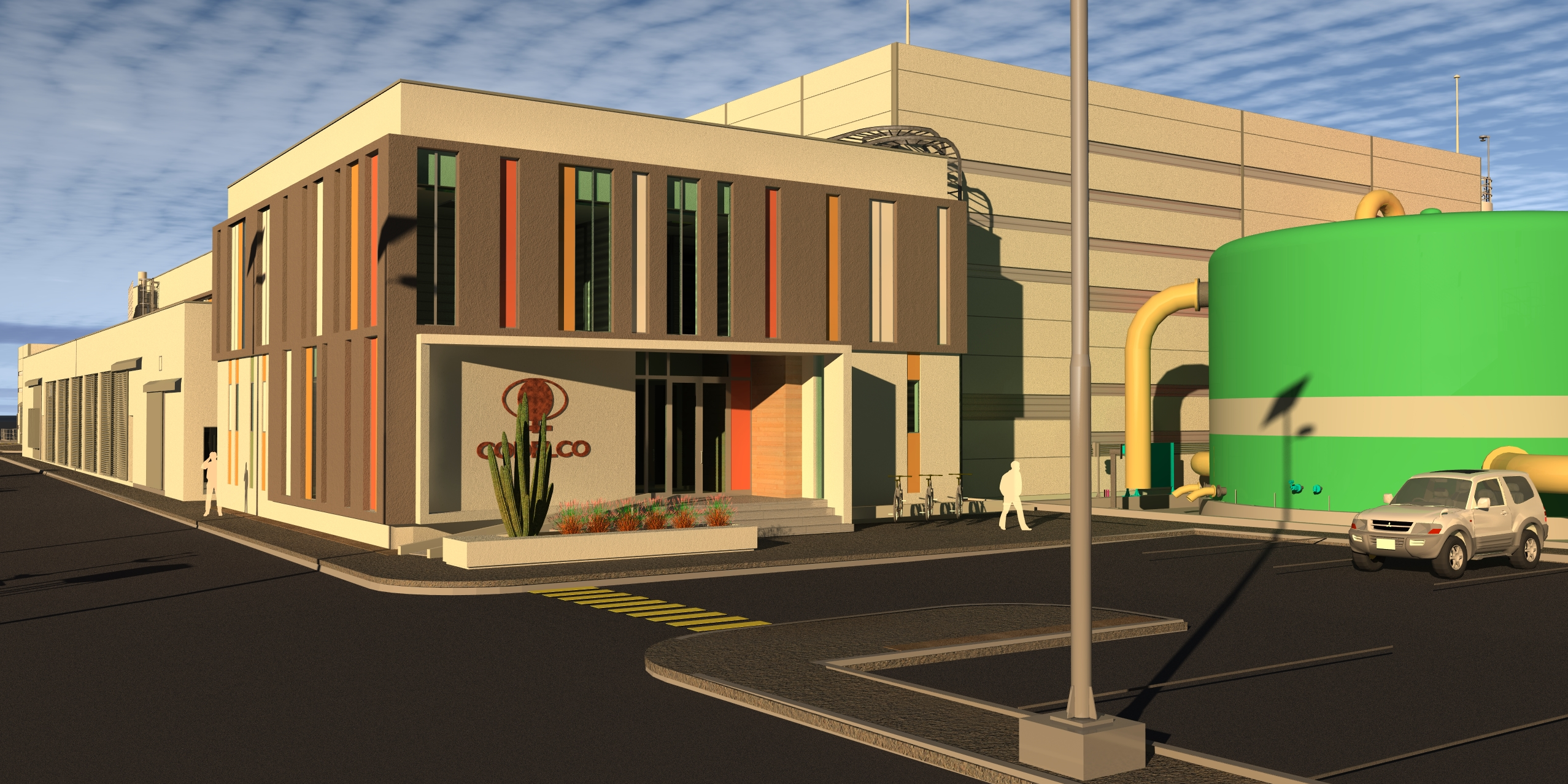
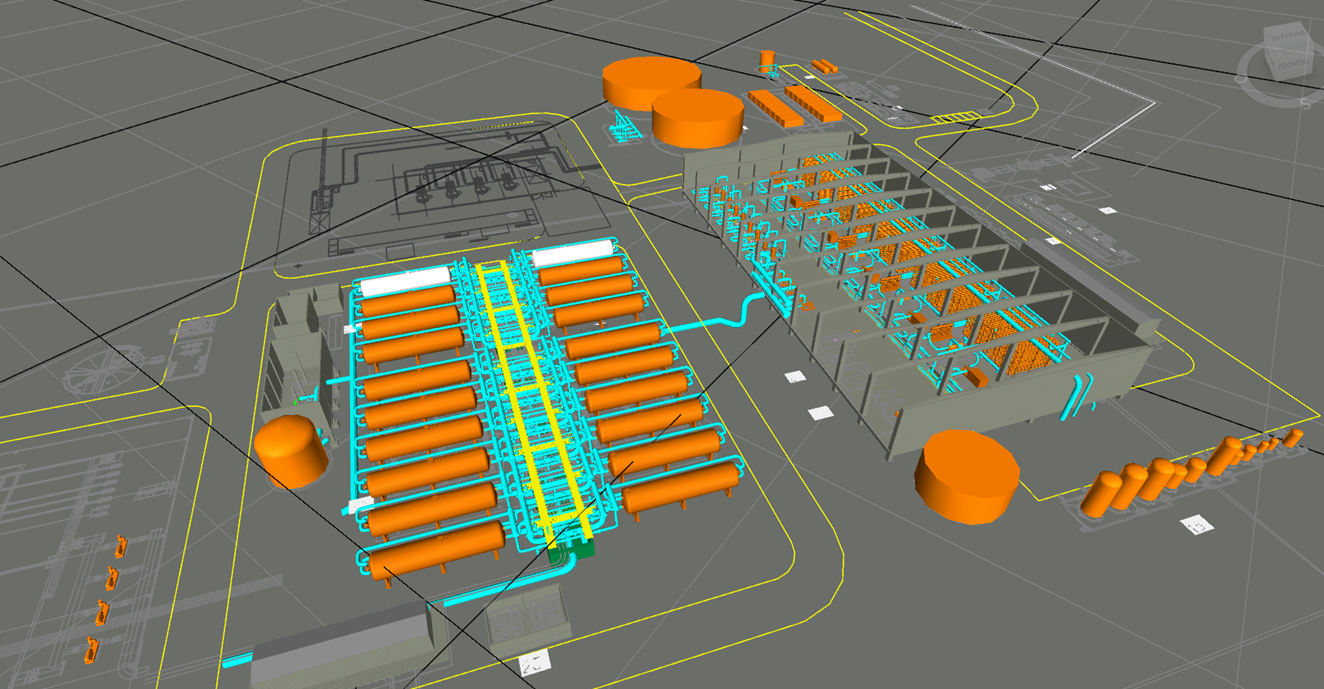
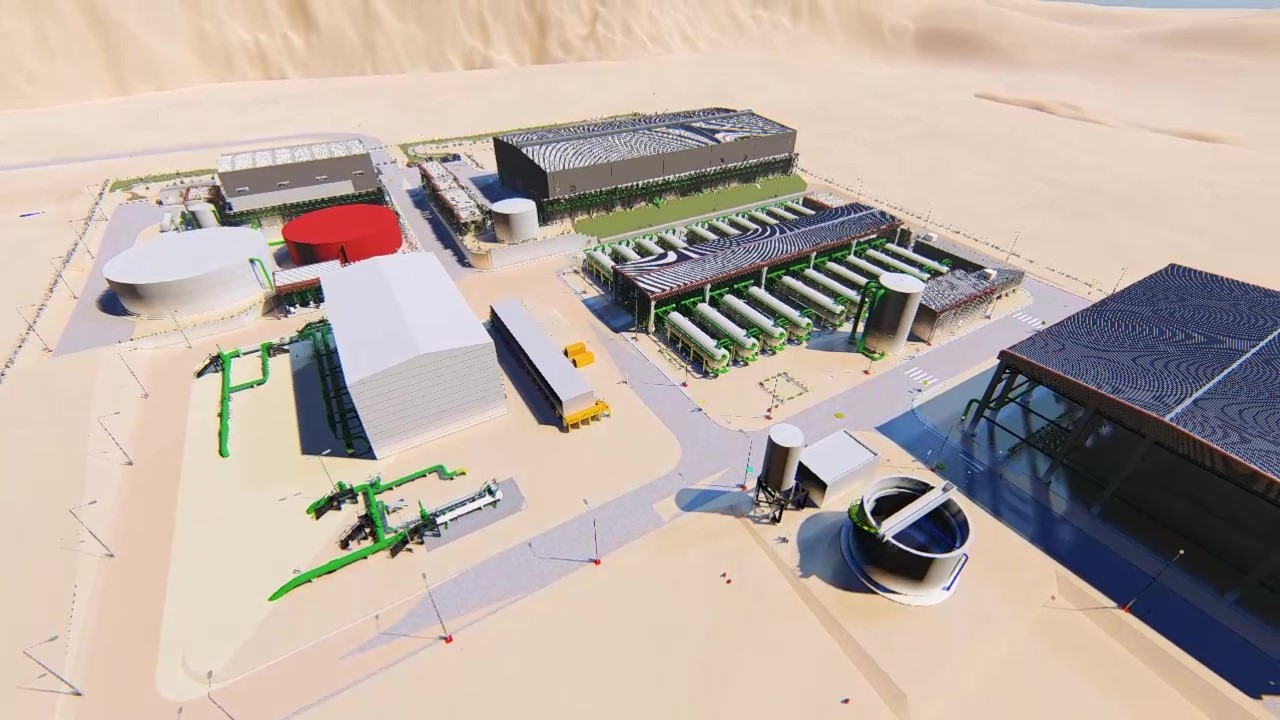
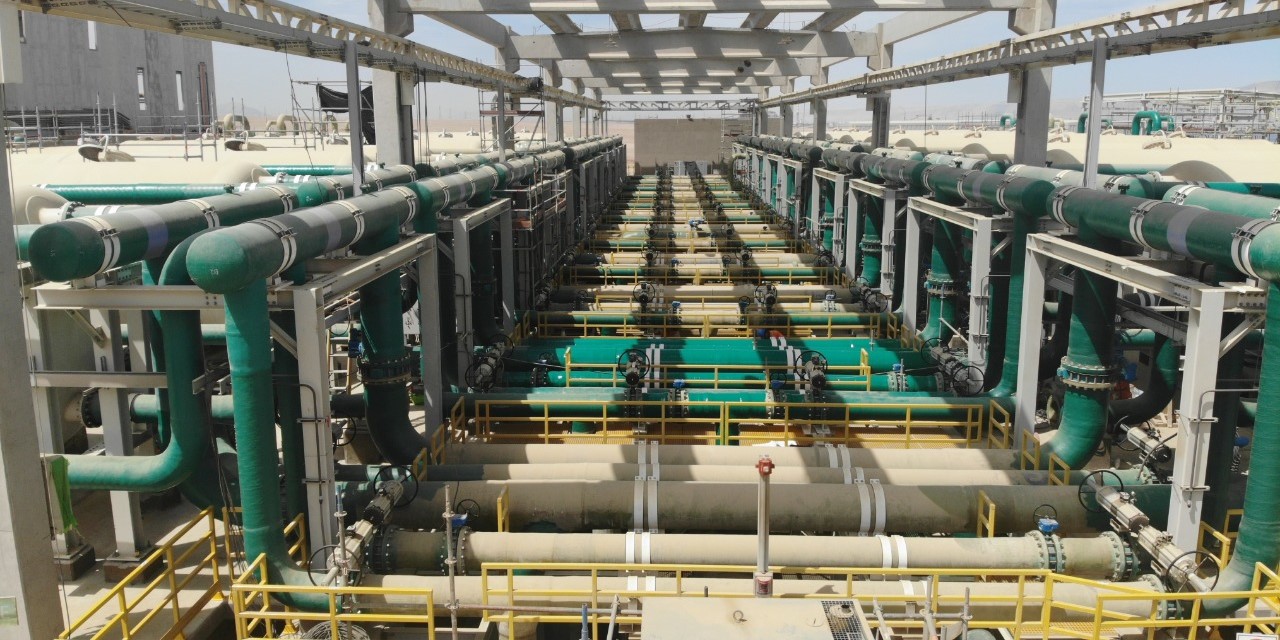
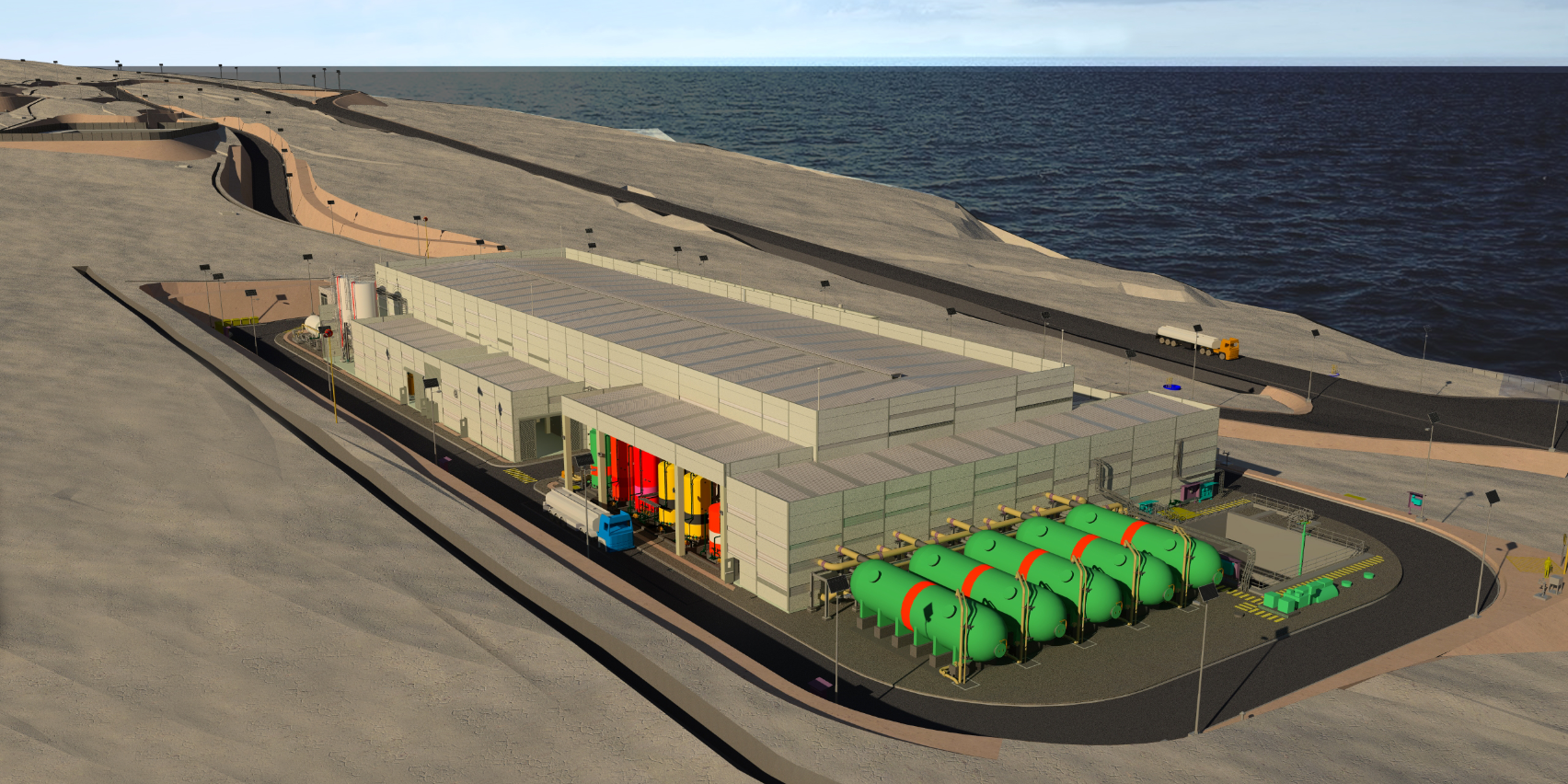
Detailed Engineering and Technical Procurement Management to develop a desalination plant. The design also included a tunnel under Route 5 North (Panamericana Norte) to allow the union between the catchment and the plant, and a 3D architectural and landscaping design, which would maintain concordance with the environment that surrounds it.
On January 14, 2015, the company INIMA-CVV S.A. was awarded the EPC Marine Works and Desalination Plant contract, for the detailed engineering, supply of equipment and materials, construction and commissioning of a seawater desalination plant, tendered by Codelco, in the sector of km 14 of Route 1 from Tocopilla.
The objective of the state-owned company was to supply RT-Codelco’s industrial water reservoir, to provide water for its current operations and for its sixth structural project: RT Sulphide’s.
The project developed by PA Engineering considered the design of a desalination plant from the seawater intake to the product water, ready for impulsion. The detailed engineering necessary for the final design and detailed planning of the acquisitions, construction and commissioning of the desalination plant and its maritime seawater catchment and brine discharge works was developed. The maritime works were designed to support at least a future production of desalinated water of 163,350 m3/day, equivalent to 1,890 l/s. In turn, the plant would have the particularity of producing water in steps reaching up to 840 l/s, reaching a production of 2,177,280 m3/month.
Temporary stockpile Puerto Punta Totoralillo
Temporary stockpile Puerto Punta Totoralillo
Industrial Sector
Mining
Client
CAP Minería
Location
25 km north of Caldera, Atacama Region
Date
2012
Service Area
Construction Management
Solutions
Construction Administration and technical inspection of works.
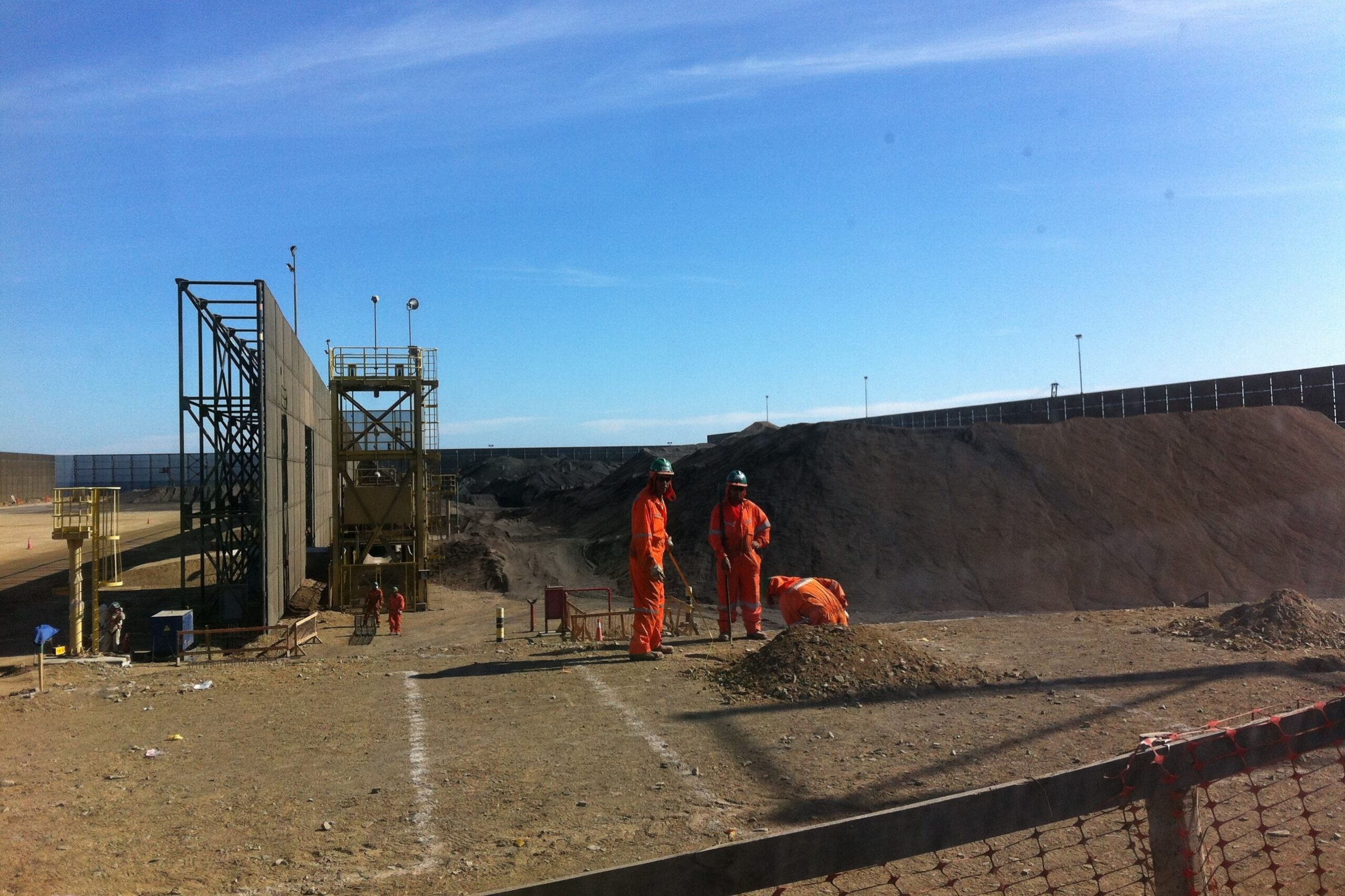
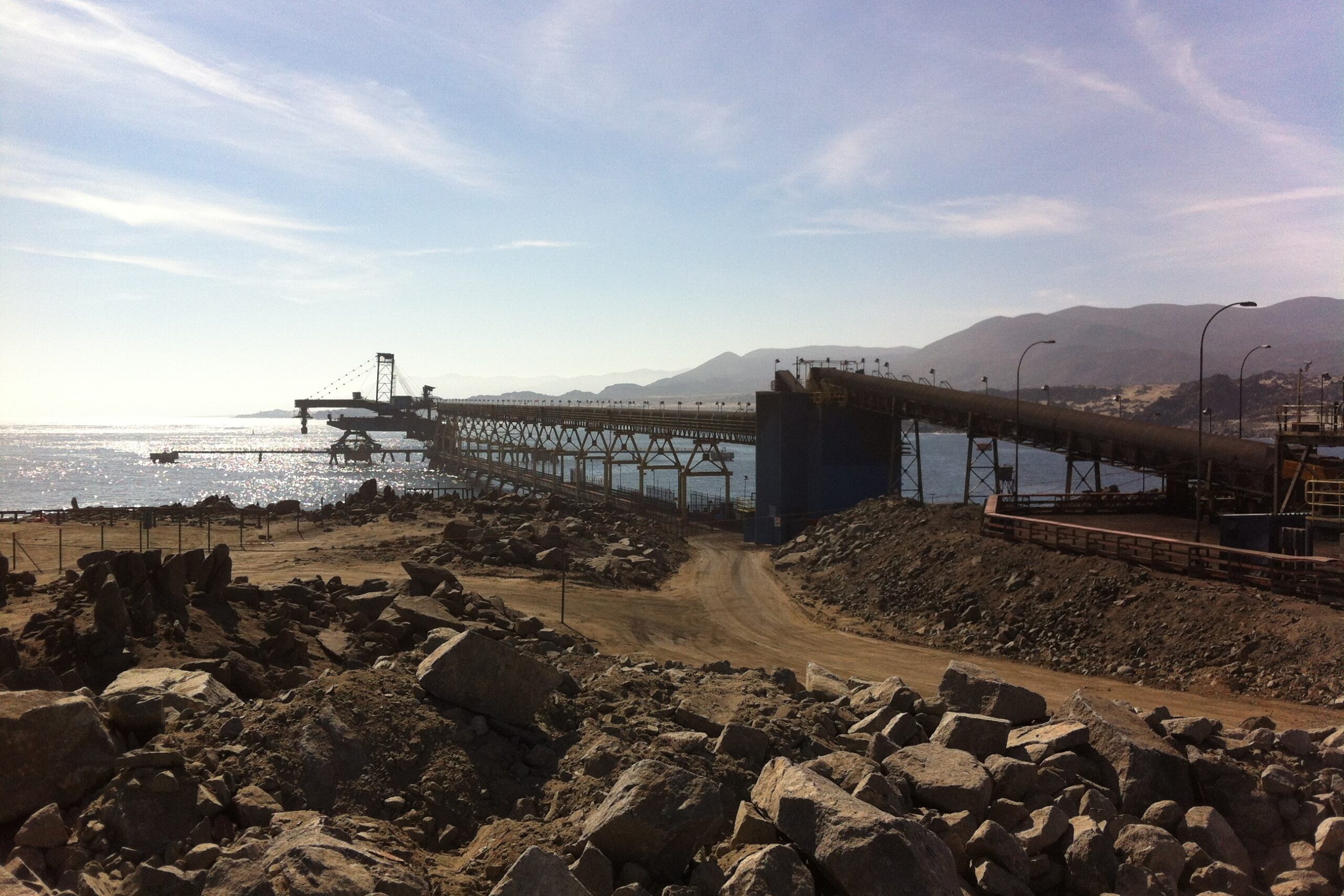
The project consisted of the construction of a new iron ore stockpile yard and the installation of new recovery and transport belts, roads and works attached to the infrastructure, in order to increase the port’s loading and occupancy capacity.