

Featured project

WATER INFRASTRUCTURE FOR OVER 210,000 PEOPLE IN ATACAMA
6 of April of 2026


Industrial Sector
Desalination and Infrastructure
Client
INIMA-CVV (a consortium formed by the Spanish company GS INIMA and the Chilean group Claro Vicuña Valenzuela)
Location
Punta Zorro, Copiapó Province, Atacama Region
Date
2018
Service Area
Engineering
Solutions
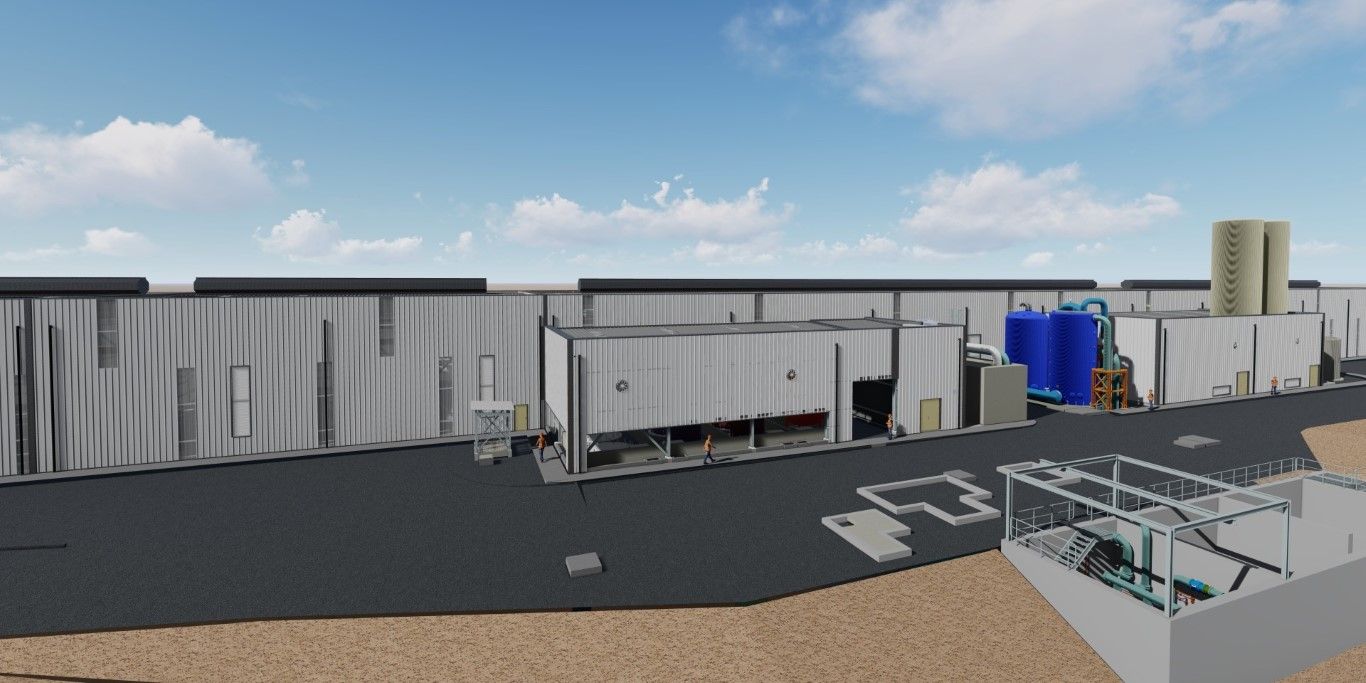
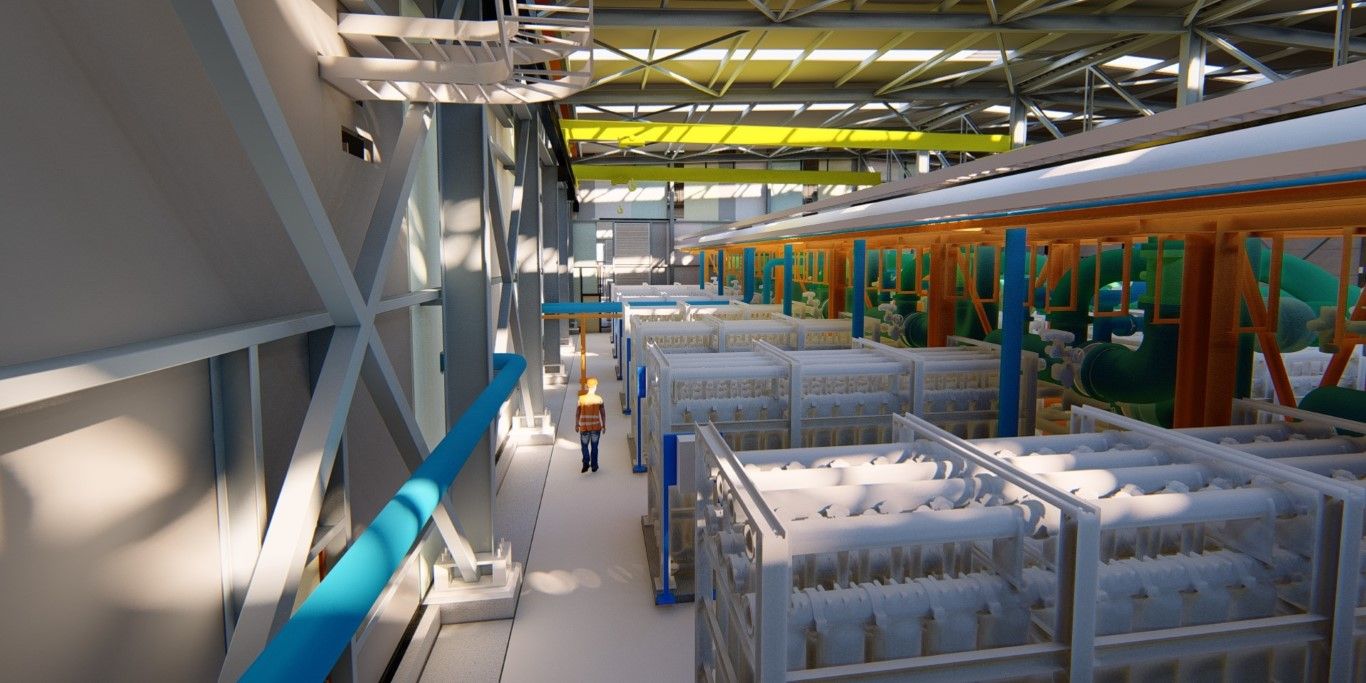
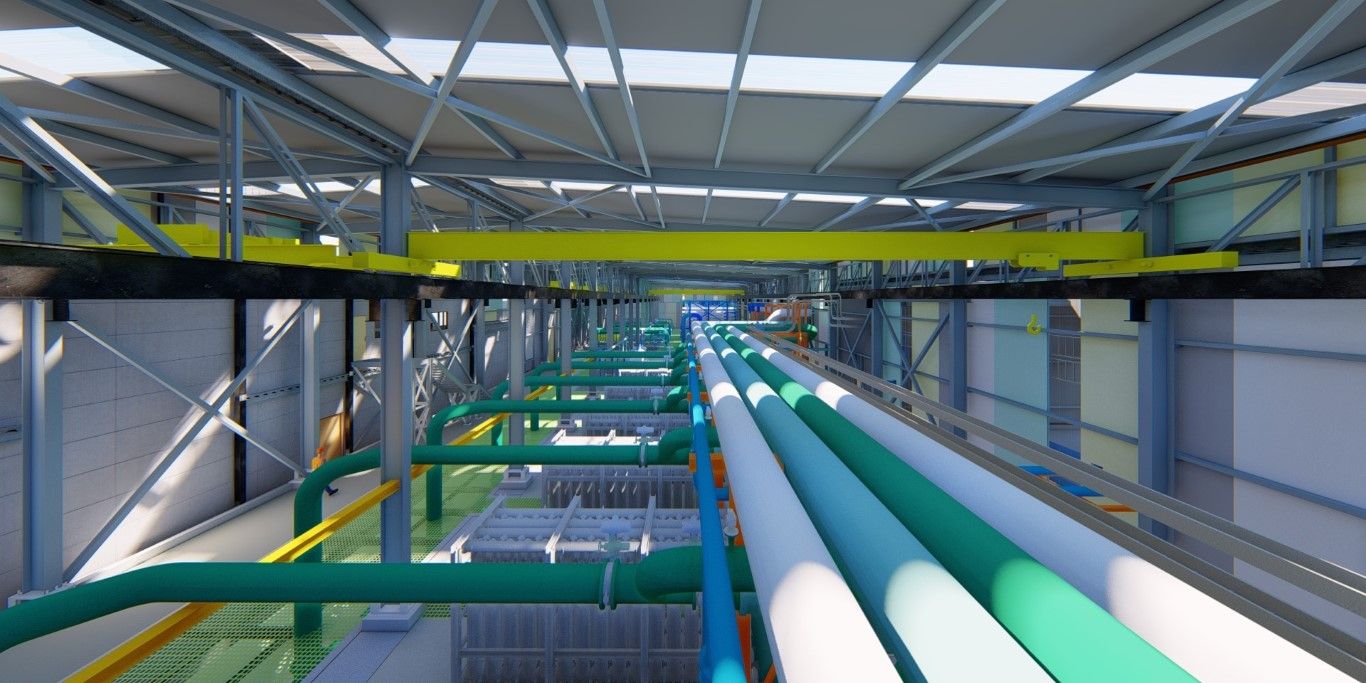
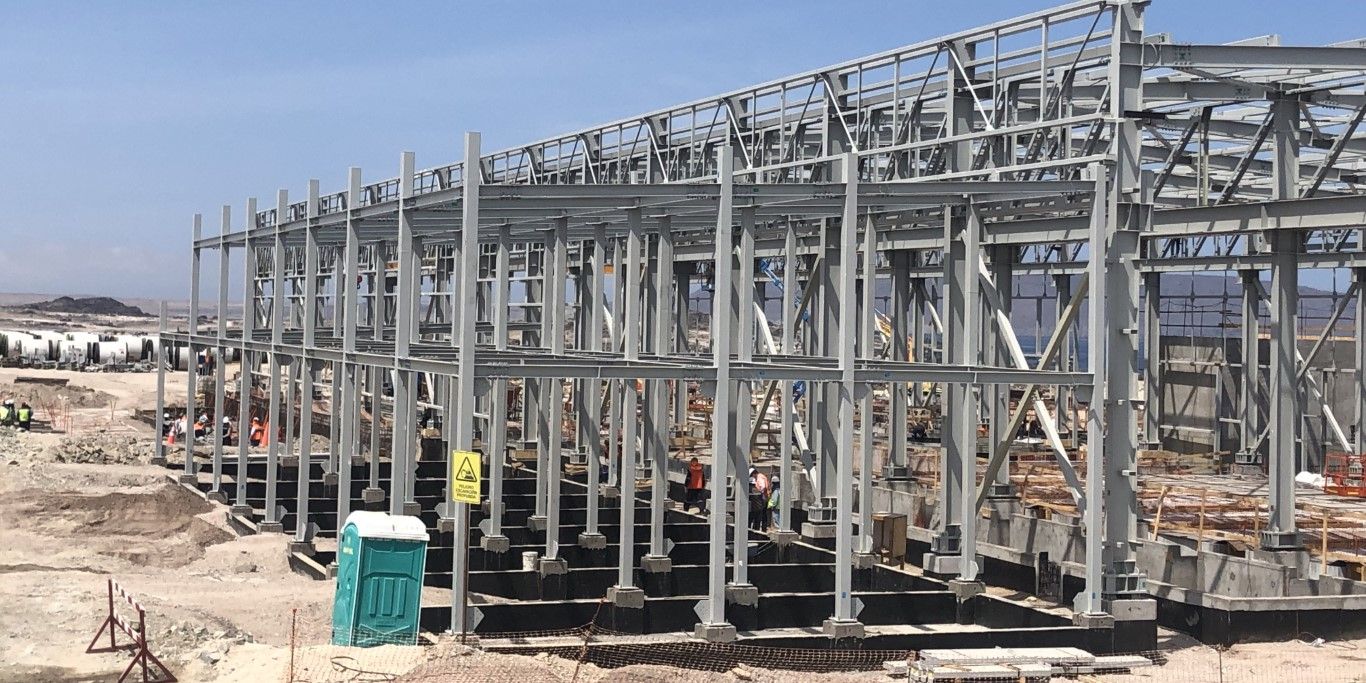
Detailed engineering for the following disciplines: architecture, structural, civil, electrical, CCTV, fire protection, HVAC, access road design, and 3D modeling for interference detection.
According to the Chilean Meteorological Service, over the past 10 years, the impact of climate change in our country has resulted in an average precipitation deficit of 20 to 30%, affecting the north in particular, which is facing a severe water shortage for both industrial use and human consumption.
In the Atacama Region, this depletion has led to the deterioration of the Copiapó River aquifers, resulting in a water crisis that affects the towns of Copiapó, Caldera, Chañaral, and Tierra Amarilla and their more than 210,000 residents.
The Proposal
Develop detailed engineering for the 85,000 m² desalination plant using BIM methodology, enabling the development and integration of the client’s modeling and providing access to information and visualization for all project participants. This approach offers the benefit of identifying conflicts and reducing errors in the construction of the desalination plant, while maintaining the flexibility and adaptability to client needs that characterizes P&A.
Results
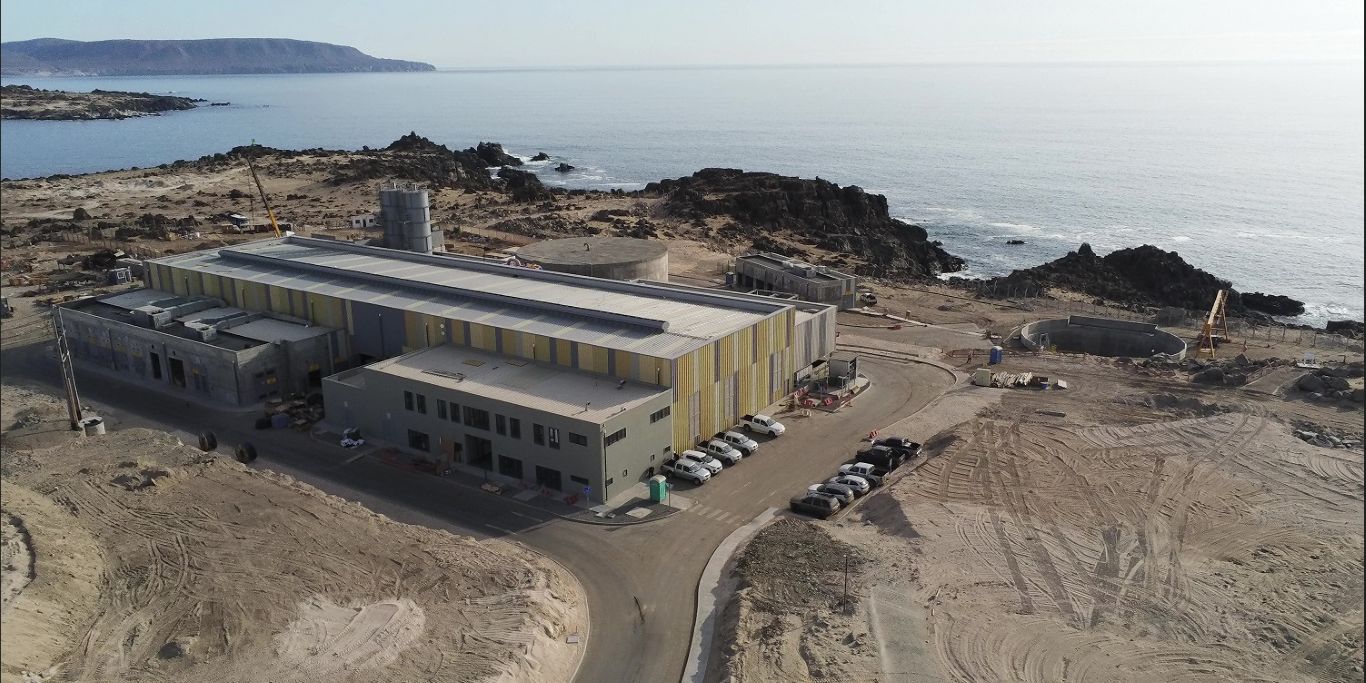
The Sanitation Services Concession Company (ECONSSA) put out a bid for the execution of the project “Seawater Desalination Plant for the Atacama Region, Provinces of Copiapó and Chañaral,” located in Punta Zorro (Caldera), under an EPC contract, with the contract awarded to the INIMA-CVV Consortium. In January 2018, work began on the engineering phase of the project, which involved 9 months of design and construction (P&A) under a fast-track approach—that is, construction proceeded concurrently with engineering—ensuring a supply of drinking water for over 210,000 people in the Atacama Region.
With an estimated investment of US$140 million in the first phase, the project was designed to produce 1,200 l/s of drinking water through three construction phases: Phase 1: production capacity of 450 l/s of drinking water; Phase 2: total production capacity of 900 l/s of drinking water; Phase 3: production capacity of 1,200 l/s of drinking water, through the extraction of seawater and its desalination via the reverse osmosis process (obtaining fresh water from salt water). From there, the water—now desalinated and treated with the necessary chemicals to make it potable—will be transported via aqueducts to the population. According to the Econssa website, the plant is already operational.
Other News
Featured project
Study of Alternatives for Early Addition of Chloride in Leaching
Featured project
ENGINEERING FOR CHLORINATION PLANT – MOLYB PROJECT
Featured project
INCREASE IN PRODUCTION RATE AT THE CAROLA MINE
Featured project
PtX E-Fuel Project, Haru Oni Demonstration Plant